
Are you looking to make your Betta fish’s colors shine brighter than ever? The secret lies in what you feed them.
Choosing the best food for Betta fish color isn’t just about keeping them healthy—it’s about unlocking their full, vibrant beauty. Imagine watching your Betta display dazzling reds, blues, and greens every day. You’ll discover the top foods that boost color naturally, helping your fish look stunning and stay lively.
Keep reading, and give your Betta the diet it deserves!

Credit: www.amazon.com
Betta Fish Color Basics
Betta fish are known for their bright and beautiful colors. Their colors make them popular pets worldwide.
Understanding betta fish colors helps in choosing the best food to keep their colors bright and healthy.
Color Variations In Bettas
Betta fish come in many colors like red, blue, green, and purple. Some have shiny or metallic scales.
Their colors can be solid, mixed, or patterned. Each betta fish has a unique look.
- Solid colors like red and blue
- Marble patterns with mixed colors
- Metallic colors with shiny scales
- Butterfly pattern with different fin colors
Factors Influencing Color
Several things affect how bright a betta fish’s color looks. Food and water quality are very important.
Stress and light also change their color. Healthy bettas show brighter colors.
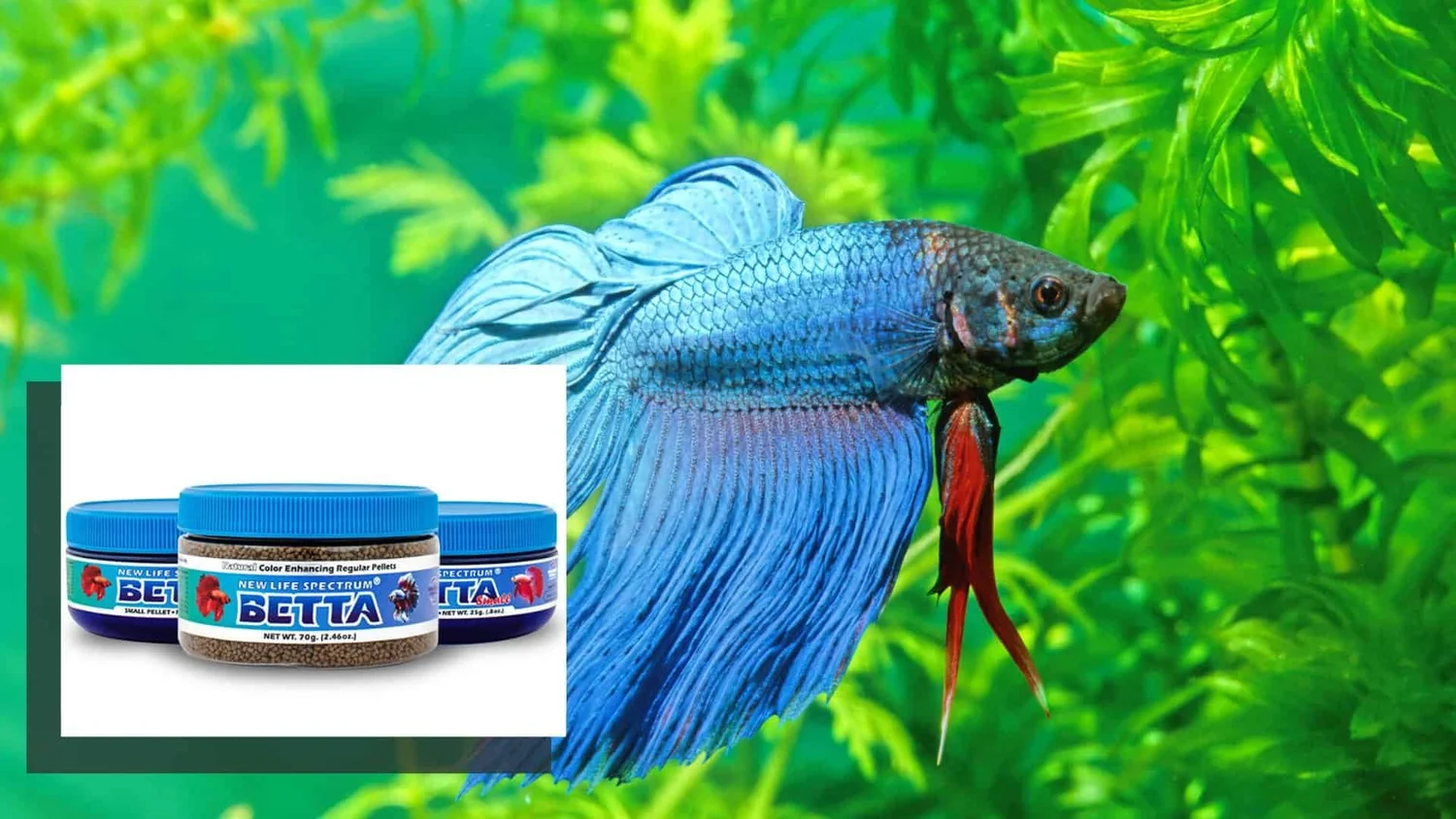
- Good nutrition with color-enhancing food
- Clean, well-maintained water
- Low stress environment
- Proper lighting for the aquarium
Credit: www.feedspectrum.com
Nutritional Needs For Vibrant Color
Betta fish show their best colors when they get the right food. Their diet must have special nutrients. These nutrients help keep their colors bright and healthy.
Feeding your betta the right food helps it look lively and feel strong. Good nutrition supports strong scales and rich colors.
Essential Nutrients For Color
Betta fish need vitamins and minerals to keep their colors bright. These nutrients help the fish grow and stay healthy.
- Vitamin A helps with skin and scale health
- Vitamin C supports the immune system
- Zinc helps in color development
- Fatty acids keep the scales shiny
A balanced diet with these nutrients helps your betta show its best colors every day.
Role Of Protein And Carotenoids
Protein is important for muscle growth and repair. It helps bettas stay active and healthy.
Carotenoids are natural pigments found in food. They help boost red, orange, and yellow colors in your betta.
- Protein sources: bloodworms, brine shrimp, and high-quality pellets
- Carotenoid sources: krill, spirulina, and red peppers
Giving bettas food rich in protein and carotenoids keeps their colors bright and their bodies strong.
Top Foods To Boost Betta Color
Betta fish show their best colors when they eat the right food. Good nutrition helps their colors shine bright and stay healthy.
Choosing the right food types can improve your betta’s vibrant look. This guide covers live foods, frozen options, and quality pellets.
Live Foods For Color Enhancement
Live foods are rich in nutrients and help bring out intense colors in betta fish. They also encourage natural hunting behavior.
- Brine shrimp: High in protein and good for brightening colors.
- Bloodworms: Rich in iron and improve red and blue shades.
- Daphnia: Helps with digestion and adds natural color boost.
- Micro worms: Small and easy to digest, great for young bettas.
Frozen And Freeze-dried Options
Frozen and freeze-dried foods offer convenience and preserve nutrients well. They are good alternatives to live foods.
| Food Type | Color Benefits | Notes |
| Frozen Brine Shrimp | Enhances red and orange hues | Thaw before feeding |
| Freeze-Dried Bloodworms | Boosts red and blue colors | Must soak before feeding |
| Frozen Daphnia | Improves natural brightness | Good for digestion |
| Freeze-Dried Tubifex | Supports vibrant color growth | Feed in moderation |
High-quality Pellets And Flakes
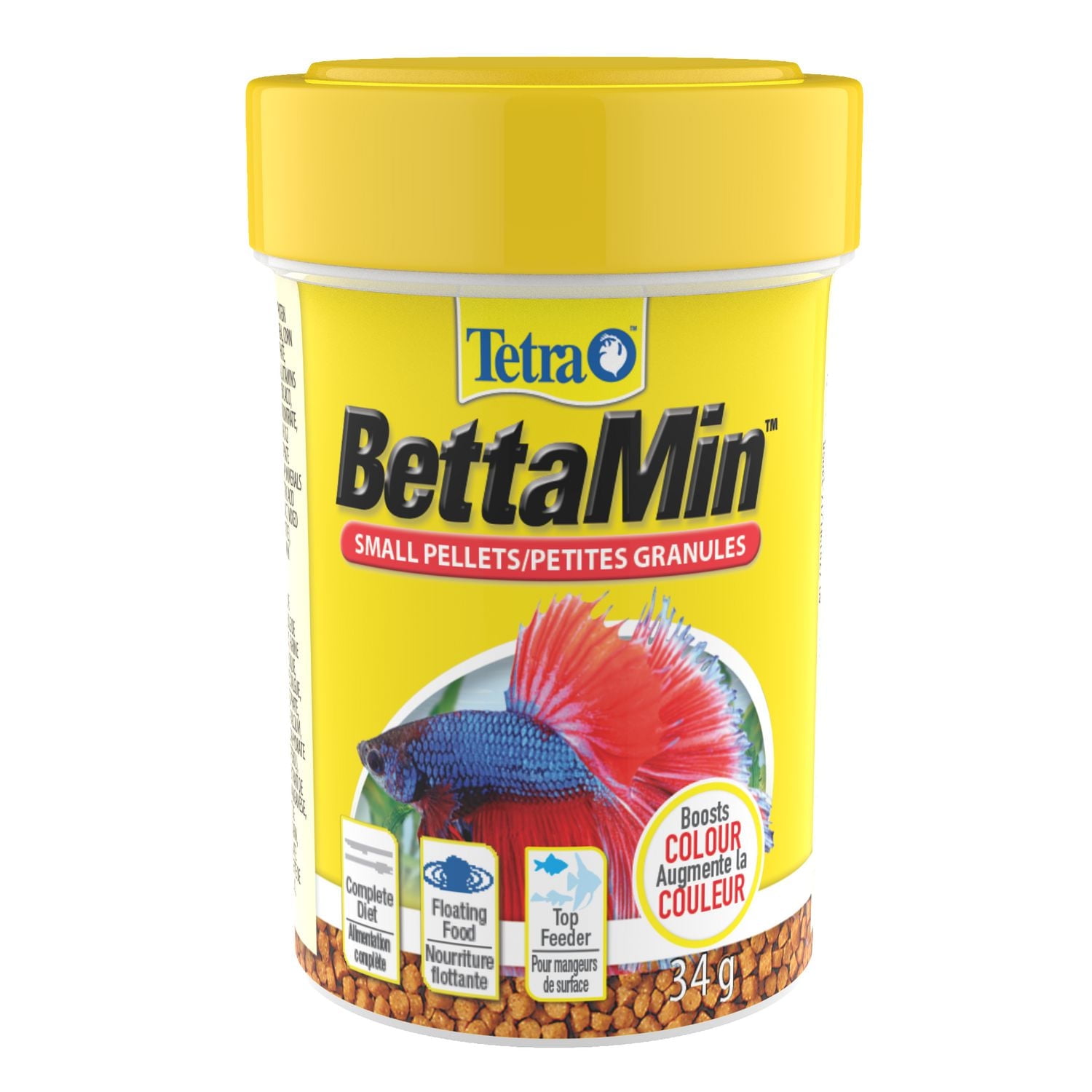
Pellets and flakes made for bettas include essential vitamins and pigments. They support long-term color health.
- Look for foods with natural color enhancers like astaxanthin and spirulina.
- Choose pellets with balanced protein for overall health.
- Feed small portions to avoid overfeeding and water pollution.
Homemade Food Recipes
Betta fish show their best colors with the right food. Homemade recipes help boost their color naturally.
These recipes use safe ingredients that support health and shine. Making food at home gives you control.
Diy Color-enhancing Mixes
You can make color-enhancing mixes using natural ingredients. These mixes add vitamins and pigments to your betta’s diet.
Mix small amounts and feed fresh or freeze for later. This helps keep your betta’s colors bright and vivid.
- Cooked shrimp finely chopped for natural astaxanthin pigment
- Blanched spinach or kale for green nutrients
- Freeze-dried bloodworms for protein and color boost
- Spirulina powder mixed in small amounts for blue-green pigments
- Carrot puree for natural orange pigments
Safe Ingredients To Use
Use only fresh and safe ingredients for homemade betta food. Avoid anything with chemicals or additives.
Safe ingredients support color and health without harming your fish. Always wash and prepare food properly.
- Fresh shrimp and small fish pieces
- Vegetables like spinach, peas, and carrots
- Freeze-dried bloodworms and brine shrimp
- Spirulina powder from trusted sources
- Gelatin to bind homemade food into pellets
Feeding Tips For Maximum Color
Betta fish show their best colors when they get the right food and care. Feeding your betta properly helps keep its colors bright and healthy.
Understanding how often and how much to feed is important. Overfeeding can cause problems and dull your betta’s beautiful colors.
Feeding Frequency And Portions
Feed your betta small amounts two times a day. Give only what the fish can eat in two minutes. This keeps your betta healthy and colorful.
- Feed 2-3 pellets or a small pinch of flakes per feeding
- Use high-quality betta food with color-enhancing ingredients
- Include frozen or live foods like brine shrimp for variety
- Remove uneaten food to prevent water pollution
Avoiding Overfeeding And Color Fading
Overfeeding can cause health issues and make your betta’s color fade. It leads to poor water quality and stress for your fish.
| Common Problems | Effects on Betta |
| Overfeeding | Weight gain, bloating, dull colors |
| Poor Water Quality | Stress, disease, color loss |
| Uneaten Food | Water pollution, algae growth |
Feed only what your betta needs. Watch your fish’s behavior and adjust feeding as needed to keep colors bright.
Credit: www.walmart.ca
Environmental Factors Supporting Color
Betta fish are known for their vibrant colors. To enhance these colors, their environment plays a key role.
Proper tank conditions and lighting can significantly influence the brightness and intensity of their colors.
Tank Conditions That Influence Color
Tank conditions are crucial for maintaining and enhancing the color of Betta fish. Clean water and balanced pH levels are essential.
- Maintain a water temperature between 76–81°F
- Keep pH levels between 6.5 and 7.5
- Ensure regular water changes to remove waste
- Use a gentle filter to keep water clear
Lighting And Its Effect On Vibrancy
Lighting can have a big impact on the color vibrancy of Betta fish. The right lighting can make colors look more vivid.
Consider using LED lights that mimic natural sunlight. These lights enhance the colors without stressing the fish.
| Light Type | Effect on Color |
| LED | Enhances vibrancy |
| Fluorescent | Moderate effect |
| Incandescent | Minimal effect |
Frequently Asked Questions
What Foods Enhance Betta Fish Color Vibrancy?
Foods rich in carotenoids and natural pigments boost Betta color. Examples include krill, shrimp, and spirulina. Feeding these regularly enhances brightness and vibrancy in Betta fish scales naturally.
Can Pellets Improve Betta Fish Color Quality?
Yes, high-quality pellets formulated for Bettas contain essential nutrients and color enhancers. They support healthy pigmentation and overall vitality. Use pellets as a staple diet for consistent color improvement.
Are Live Foods Better For Betta Color Enhancement?
Live foods like bloodworms and daphnia provide natural pigments and proteins. They stimulate Betta’s appetite and enhance color intensity. Incorporate live foods occasionally to improve Betta coloration effectively.
How Often Should I Feed Color-enhancing Foods To Bettas?
Feed color-boosting foods 2-3 times a week alongside regular diet. Overfeeding can cause health issues. Balanced feeding ensures optimal color without compromising Betta health.
Conclusion
Feeding betta fish the right food keeps their colors bright and healthy. High-quality pellets and live foods work best. These foods give essential nutrients for vibrant scales. Avoid overfeeding to prevent health issues. Regular feeding with color-enhancing food supports strong fish.
Watch your betta’s behavior to know what it likes. A happy betta means a colorful betta. Keep their diet balanced for long-lasting beauty. Simple steps make a big difference in color. Healthy food equals a lively and bright fish.