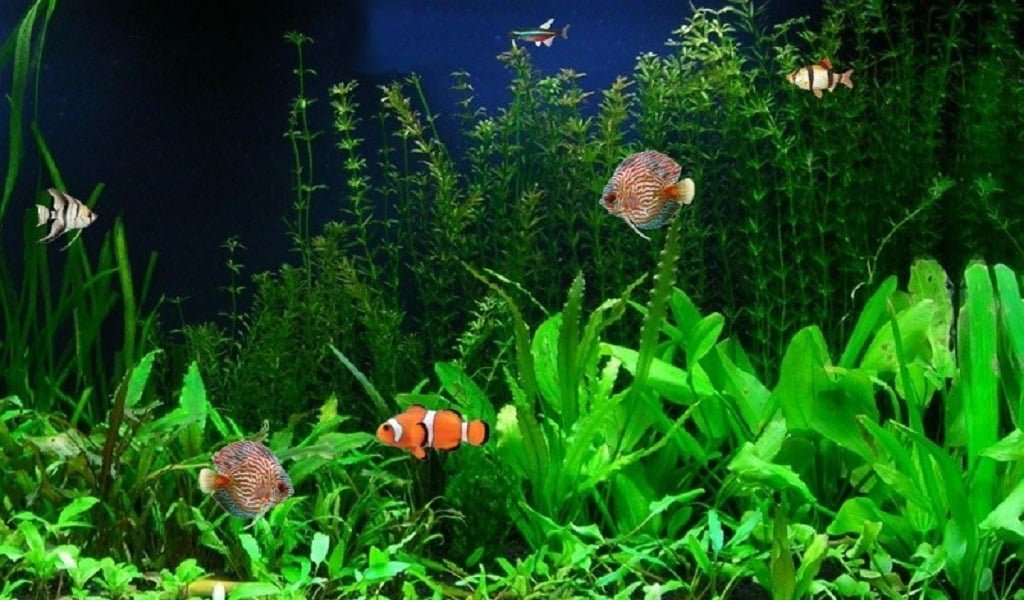
Are you ready to create the perfect home for your freshwater fish? Setting up the best fish tank isn’t just about filling a glass box with water.
It’s about crafting an environment where your fish can thrive, stay healthy, and show off their vibrant colors. Whether you’re a beginner or looking to upgrade your current tank, this guide will walk you through simple, effective steps to build a setup that meets your fish’s needs.
Keep reading, and you’ll discover how to make your aquarium a stunning, stress-free haven for your freshwater species.
Choosing The Right Tank
Setting up a fish tank for freshwater species starts with choosing the right tank. The tank needs to fit your fish and your space.
A good tank keeps fish safe and healthy. It also makes your room look nice.
Tank Size Considerations
The tank size matters a lot for your fish’s health. Bigger tanks give fish more room to swim.
Think about how many fish you want. Small tanks suit few small fish. Large tanks fit more or bigger fish.
- Small tanks: 5 to 10 gallons, for small fish
- Medium tanks: 20 to 40 gallons, for small groups
- Large tanks: 50+ gallons, for many or big fish
Material Options
Fish tanks come in glass and acrylic. Both materials have good and bad points.
Glass is heavy and strong. It does not scratch easily. Acrylic is lighter and clearer but can scratch.
- Glass: durable, heavier, less clear
- Acrylic: lighter, clearer, scratches easier
Placement Tips
Where you put your tank affects fish health and your room. Choose a stable, flat surface.
Avoid direct sunlight and heating vents. These can change water temperature too fast. Keep the tank away from busy areas to reduce stress on fish.
- Use a strong stand or table
- Place tank away from windows
- Avoid heating or cooling vents
- Keep tank in quiet spots

Credit: www.youtube.com
Selecting Freshwater Species
Choosing the right fish is key for a healthy freshwater tank. You want fish that fit your tank size and skill level. Picking species that live well together helps keep peace in the tank.
Learn about popular beginner fish, good community tank choices, and tips on fish compatibility. These points will guide your fish selection for a lively and balanced aquarium.
Popular Beginner Fish
Some fish are easier to care for and perfect for new aquarium owners. These species adapt well to different water conditions and are less fragile.
- Guppies – colorful and active, they breed easily.
- Neon Tetras – small, peaceful, and great in groups.
- Platies – hardy fish with many color varieties.
- Betta Fish – bright colors but best kept alone.
- Corydoras Catfish – bottom dwellers that clean the tank floor.
Community Tank Choices
A community tank has multiple fish species that live well together. You need to pick fish that share similar water needs and temperaments.
| Fish Species | Temperament | Tank Size (gallons) | Notes |
|---|---|---|---|
| Harlequin Rasbora | Peaceful | 20+ | Swims in groups |
| Platies | Peaceful | 15+ | Easy to breed |
| Cherry Barbs | Moderate | 20+ | Active but not aggressive |
| Gouramis | Peaceful | 30+ | Can be shy |
| Corydoras Catfish | Peaceful | 20+ | Bottom dweller |
Compatibility Tips
Mixing fish needs care. Some fish may fight or stress others. Check size, behavior, and water needs before adding new fish.
- Choose fish of similar size to avoid bullying.
- Avoid aggressive species with peaceful ones.
- Keep schooling fish in groups of at least six.
- Research water temperature and pH needs for all species.
- Watch for signs of stress or illness after adding new fish.
Essential Equipment
Setting up a freshwater fish tank needs the right tools. Good equipment helps keep fish safe and healthy.
This guide covers key items to start your freshwater aquarium well and keep it stable.
Filtration Systems
Filtration removes waste and keeps water clean. It is crucial for fish health and tank clarity.
- Mechanical filters trap debris and particles.
- Biological filters use bacteria to break down harmful chemicals.
- Chemical filters remove toxins and impurities.
- Choose filters sized for your tank volume.
Heaters And Thermometers
Freshwater fish need stable temperatures. Heaters keep water warm, while thermometers monitor it.
| Equipment | Purpose | Tip |
|---|---|---|
| Heater | Keeps water at fish-friendly temperature | Pick one with adjustable thermostat |
| Thermometer | Shows current water temperature | Place where fish swim most |
Lighting Solutions
Lighting helps fish see and plants grow. It also shows the tank’s colors well.
Choose lighting that:
- Mimics natural daylight cycles
- Is not too bright to stress fish
- Supports plant growth if you have live plants
- Runs on a timer for regular on/off periods

Credit: m.youtube.com
Creating The Perfect Environment
Setting up a freshwater fish tank needs careful planning. The right environment keeps fish healthy and happy.
Focus on the basics like substrate, plants, and decorations. These create a natural and safe space for your fish.
Substrate Selection
Choose a substrate that suits the fish and plants. Gravel and sand are common choices for freshwater tanks.
Fine sand is gentle for bottom dwellers. Gravel helps anchor plants and lets water flow well.
- Use smooth gravel to avoid fish injuries
- Sand is best for fish that dig or sift
- Mix colors to create a natural look
- Rinse substrate before adding to the tank
Aquatic Plants
Plants improve water quality and provide hiding spots. They also make the tank look natural and bright.
Choose easy plants for beginners like Java fern or Anubias. These plants need low light and grow well underwater.
- Java fern grows on rocks or wood
- Anubias attach to decorations or substrate
- Amazon sword offers large leaves for shelter
- Use floating plants to reduce light
Decor And Hiding Spots
Decorations add interest and safe places for fish to hide. Fish feel less stressed with places to retreat.
Use smooth rocks, caves, and driftwood. Avoid sharp edges that can hurt fish. Arrange decorations to create hiding spots.
- Use natural materials like wood and stone
- Create caves or tunnels for shy fish
- Leave open space for swimming
- Secure decorations so they do not fall
Water Quality And Maintenance
Good water quality is key for healthy freshwater fish. Clean water helps fish grow and live longer.
Regular maintenance keeps the tank safe. It stops harmful chemicals and waste from building up.
Cycling The Tank
Cycling means growing good bacteria in the tank. These bacteria change fish waste into less harmful substances.
Start cycling before adding fish. This process can take 4 to 6 weeks. Test the water often during this time.
- Set up the tank with water and filter
- Add a small amount of fish food or ammonia
- Wait for bacteria to grow and process waste
- Test water for ammonia, nitrites, and nitrates
- Only add fish once ammonia and nitrites are zero
Water Testing
Test water regularly to keep fish safe. Check for ammonia, nitrite, nitrate, and pH levels.
Use test kits that are easy to read. Keep water parameters stable to avoid stress on fish.
- Ammonia and nitrites should be zero
- Nitrates should be below 40 ppm
- pH level depends on fish species
- Test water weekly or more often if needed
Regular Cleaning Schedule
Clean the tank regularly to remove waste and algae. This keeps water clear and fish healthy.
Change part of the water every week. Clean the filter monthly but do not remove all bacteria.
- Remove 10-20% of water weekly
- Use a gravel vacuum to clean substrate
- Rinse filter parts in tank water, not tap water
- Clean glass and decorations as needed
Feeding Freshwater Fish
Feeding freshwater fish is important for their growth and health. Proper diet keeps them active and vibrant.
There are several factors to consider when feeding your fish. This includes the type of food, how often you feed them, and ensuring you do not overfeed.
Types Of Fish Food
Fish need different kinds of food for balanced nutrition. The right food depends on the species you have.
- Flake Food: Common and suitable for most fish.
- Pellet Food: Good for larger fish species.
- Frozen or Live Food: Provides protein, ideal for carnivorous fish.
- Vegetable-based Food: Important for herbivorous fish.
Feeding Frequency
Knowing how often to feed your fish is crucial. It depends on their species and age.
| Fish Species | Feeding Frequency |
| Tropical Fish | Twice a day |
| Goldfish | Once or twice a day |
| Young Fish | 3–4 times a day |
Avoiding Overfeeding
Overfeeding is a common mistake. It can cause health issues and water pollution.
Common Issues And Solutions
Setting up a fish tank for freshwater species can be exciting. Yet, you may face some common issues that need solving.
This guide covers algae control, disease prevention, and behavioral problems. Let’s explore how to tackle these challenges effectively.
Algae Control
Algae can quickly take over your tank if not controlled. They thrive in light and nutrients. Too much algae makes the tank look dirty.
- Reduce light exposure to 8-10 hours a day.
- Do not overfeed your fish.
- Use algae-eating fish like Plecos.
Disease Prevention
Fish can get sick if not cared for well. Clean water and balanced diet are crucial. Watch for signs of illness like spots or odd swimming.
| Symptom | Possible Disease |
| White spots | Ich |
| Red gills | Ammonia poisoning |
| Clamped fins | Stress |
Behavioral Problems
Fish may act out due to stress or poor conditions. They might hide or fight. Understanding their needs helps maintain harmony in the tank.
Upgrading And Expanding
Upgrading and expanding your freshwater fish tank is a great way to improve your aquatic environment. It helps keep your fish healthy and happy.
Proper planning makes adding new fish and equipment easier. It also keeps the tank balanced and attractive.
Adding New Fish
Adding new fish requires careful choice. Pick species that live well with your current fish.
Introduce new fish slowly to avoid stress and illness. Quarantine new fish before adding them to the tank.
- Check water needs and temperature for new species
- Choose fish with similar behavior and size
- Watch for signs of stress after adding new fish
Tank Expansion Ideas
Expanding your tank gives fish more space to swim and grow. You can increase tank size or add new tanks.
Adding decorations and plants can also make the tank feel larger and more natural for fish.
- Upgrade to a bigger tank for more fish
- Add a separate tank for breeding or quarantine
- Use tall plants and rocks to create hiding spots
- Arrange decorations to create swim paths
Advanced Equipment
Advanced equipment helps maintain water quality and tank health. It makes care easier and safer for fish.
Consider adding filters, heaters, and lighting suited for freshwater tanks. Automation tools can help too.
- Use canister or hang-on-back filters for better cleaning
- Install adjustable heaters to keep water stable
- Choose LED lights that support plant growth
- Use automatic feeders for consistent feeding
- Consider CO2 systems for planted tanks

Credit: www.reddit.com
Frequently Asked Questions
What Is The Ideal Tank Size For Freshwater Fish?
The ideal freshwater tank size depends on fish species and quantity. Generally, a 20-gallon tank suits beginners. Larger tanks offer stable water conditions and more swimming space. Always research specific species needs for optimal tank size.
How Often Should I Clean My Freshwater Fish Tank?
Clean your freshwater tank every 2-4 weeks. Perform partial water changes of 20-30% to maintain water quality. Regular cleaning prevents harmful waste buildup, ensuring a healthy environment for your fish.
Which Substrate Is Best For Freshwater Fish Tanks?
Fine gravel or sand is best for freshwater tanks. These substrates support beneficial bacteria and plant growth. Avoid sharp substrates that can harm bottom-dwelling fish. Choose based on fish species and aesthetic preference.
How Do I Maintain Water Quality In A Freshwater Tank?
Test water parameters weekly for ammonia, nitrite, nitrate, and pH. Use a reliable filtration system and perform regular water changes. Avoid overfeeding to reduce waste and keep water clean for healthy fish.
Conclusion
Creating the best fish tank for freshwater species takes care and patience. Choose the right tank size and clean water. Add plants and decorations that suit your fish. Keep the temperature steady and feed fish properly. Watch your fish daily to catch any problems early.
A healthy tank means happy fish. Enjoy the peaceful beauty of your freshwater aquarium. Small steps lead to big rewards in fish care. Your effort will make a lovely home for your fish.