
Choosing the best fish tank for your saltwater reef species can feel overwhelming. You want a tank that keeps your delicate corals and colorful fish healthy and vibrant.
But with so many options, how do you know which one fits your needs perfectly? This guide will help you make the right choice, so your underwater world thrives beautifully. Keep reading to discover the key features and expert tips that will transform your reef tank experience.
Choosing The Right Tank Size
Picking the right tank size is key for a healthy saltwater reef. The size affects fish health and tank maintenance.
Consider your space and the species you want to keep. This guide helps you choose wisely.
Small Vs Large Tanks
Small tanks are easier to fit and cost less. They need more care to keep water stable.
Large tanks hold more water and stay stable longer. They need more space and higher upfront costs.
- Small tanks: 10 to 30 gallons
- Medium tanks: 30 to 75 gallons
- Large tanks: 75 gallons and up
Impact On Reef Species
Tank size affects which reef species you can keep safely. Some species need more space to swim.
| Species Type | Preferred Tank Size |
| Small fish and corals | 20-40 gallons |
| Medium fish and mixed corals | 40-75 gallons |
| Large fish and diverse reefs | 75+ gallons |
Space And Placement Tips
Choose a spot away from direct sunlight and drafts. The tank should stand on a strong, level surface.
- Measure space before buying a tank
- Allow room for maintenance access
- Keep tank away from windows to avoid algae growth
- Use a sturdy stand that supports the tank weight
Material Options For Saltwater Tanks
Choosing the right material for your saltwater reef tank is very important. The material affects tank durability and clarity.
Two popular materials are glass and acrylic. Each has its own benefits and drawbacks to consider.
Glass Tanks
Glass tanks are made from thick, tempered glass. They offer very clear views and resist scratches well.
Glass is heavier and can be harder to shape into custom sizes. It is also less flexible than acrylic.
Acrylic Tanks
Acrylic tanks are made from a strong plastic material. They weigh less than glass tanks and can be molded into many shapes.
- Acrylic is clearer than glass and offers better insulation.
- It is easier to repair if scratched or cracked.
- Acrylic can be more expensive than glass.
- It scratches more easily and needs careful cleaning.
Pros And Cons
| Material | Pros | Cons |
|---|---|---|
| Glass | Scratch resistant, clear view, less expensive | Heavy, fragile edges, limited shapes |
| Acrylic | Lightweight, flexible shapes, easier repairs | Scratches easily, more costly, needs careful cleaning |
Essential Features For Reef Tanks
Setting up a saltwater reef tank needs special care. The right features keep your reef species healthy.
This guide covers the key parts of a good reef tank. Learn about lighting, filtration, and water flow.
Lighting Requirements
Corals need strong light to grow and stay healthy. Use lights that mimic natural sunlight for reef tanks.
LED lights are popular because they save energy and last long. Choose lights with the right spectrum for corals.
- Provide 8 to 12 hours of light daily
- Use full spectrum lights with blue and white LEDs
- Adjust intensity based on coral type
Filtration Systems
Good filtration keeps water clean and safe for reef life. It removes waste and harmful chemicals from the tank.
Use a combination of mechanical, chemical, and biological filters. This helps maintain stable water conditions.
- Mechanical filter traps debris and particles
- Chemical filter removes toxins and odors
- Biological filter supports beneficial bacteria
Water Flow And Circulation
Water flow moves oxygen and nutrients through the tank. It also helps remove waste from corals.
Use powerheads or wavemakers to create strong, varied currents. Avoid dead spots with little water movement.
- Ensure gentle but steady water movement
- Place pumps to create random flow patterns
- Keep flow rates suitable for your coral species

Credit: onthemediapk.medium.com
Top Saltwater Reef Tanks Of 2025
Choosing the right fish tank is key for a healthy saltwater reef. The tank must support coral and marine life well.
This guide shows top tanks for saltwater reef species in 2025. You will find options for all budgets and skill levels.
Best Budget-friendly Options
Affordable tanks can still offer good quality and size. They are great for hobbyists starting out or on a tight budget.
- Compact sizes fit small spaces and reduce costs.
- Durable acrylic tanks resist cracks and scratches.
- Basic filtration systems keep water clean.
- Easy to set up with clear instructions.
Premium High-end Models
High-end tanks offer advanced features for serious reef keepers. They provide extra space and better control.
| Model | Size (Gallons) | Material | Special Features |
| ReefMaster Elite | 120 | Glass | Built-in LED lighting, automated top-off |
| OceanView Pro | 150 | Acrylic | Advanced filtration, customizable compartments |
| CoralLux Ultra | 200 | Glass | Smart temperature control, quiet pumps |
Best Tanks For Beginners
Beginner tanks simplify reef keeping. They focus on ease of use and maintenance.
- Clear setup guides help avoid common mistakes.
- Small to medium sizes make water changes easier.
- Reliable filtration supports stable water conditions.
- Simple designs reduce the need for extra equipment.
Setting Up Your Reef Tank
Setting up a saltwater reef tank takes time and care. It creates a safe place for coral and fish.
You must prepare the tank well before adding any animals. This helps keep them healthy.
Cycling Your Tank
Cycling means growing good bacteria in your tank. These bacteria break down harmful waste.
This process usually takes 4 to 6 weeks. Test water often to check ammonia and nitrite levels.
- Start with adding a source of ammonia
- Wait for bacteria to convert ammonia to nitrite
- Then bacteria convert nitrite to nitrate
- When ammonia and nitrite are zero, cycling is done
Choosing Live Rock And Substrate
Live rock is full of helpful bacteria and tiny creatures. It helps clean the water and supports corals.
Substrate is the sand or gravel at the tank bottom. Pick a type that suits your reef species.
- Live rock improves biological filtration
- Choose sand for natural look and coral health
- Avoid sharp substrate that can hurt fish
- Rinse substrate before adding it to tank
Adding Coral And Fish
Add coral after the tank is fully cycled and stable. Start with easy coral types for beginners.
Introduce fish slowly to avoid stress and water quality issues. Watch for signs of illness or aggression.
- Place coral in spots with proper light and flow
- Choose reef-safe fish that do not harm corals
- Add a few fish at a time to keep balance
- Feed fish with suitable food regularly
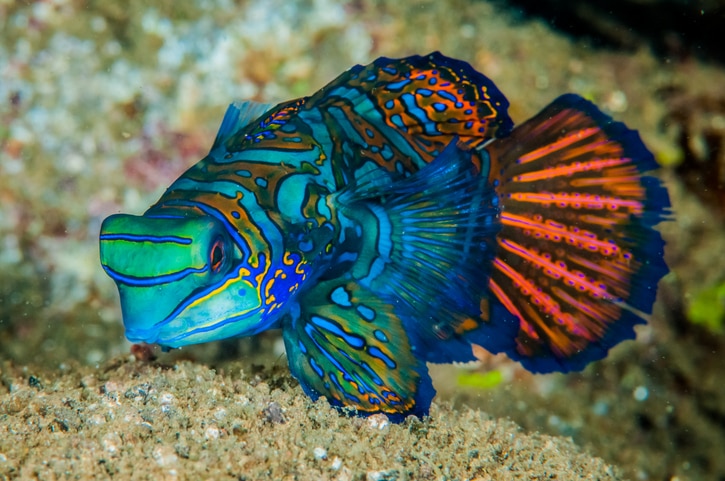
Credit: www.chewy.com
Maintenance Tips For Healthy Reefs
Keeping a saltwater reef tank requires attention and care. Healthy reefs depend on regular maintenance to thrive.
Focus on water quality, cleaning routines, and pest management to ensure your reef remains vibrant and healthy.
Water Testing And Quality
Water quality is crucial for reef health. Regular testing helps maintain the right conditions for your species.
Check for ammonia, nitrate, and pH levels weekly. Use test kits designed for saltwater aquariums.
- Ammonia: Keep levels at zero.
- Nitrate: Aim for less than 20 ppm.
- pH: Maintain between 8.1 and 8.4.
Routine Cleaning
Regular cleaning prevents waste build-up and promotes clear water. Set a cleaning schedule that suits your tank size.
Remove debris from the substrate and clean the glass weekly. This helps prevent algae growth and keeps your tank looking great.
- Use a gravel vacuum for the substrate.
- Wipe down glass with an aquarium-safe scraper.
- Clean filters monthly for optimal performance.
Managing Algae And Pests
Algae and pests can harm your reef tank. Control them to keep your reef healthy.
Add algae-eating species and use light control to manage algae. Inspect new additions for pests before placing them in the tank.
- Introduce snails or sea urchins for algae control.
- Limit lighting to 8-10 hours per day.
- Quarantine new fish to avoid introducing pests.

Credit: seatechaquariums.com
Frequently Asked Questions
What Size Tank Is Best For Saltwater Reef Species?
A 30 to 50-gallon tank is ideal for most saltwater reef species. It offers enough space for coral growth and fish movement, making maintenance easier for beginners and experienced hobbyists alike.
Which Materials Are Best For Reef Fish Tanks?
Glass and acrylic are the best materials. Glass is scratch-resistant and affordable, while acrylic offers better insulation and clarity. Both materials support coral attachment and withstand saltwater conditions well.
How Important Is Lighting For Saltwater Reef Tanks?
Lighting is crucial for coral health and growth. LED lights with adjustable spectrums are preferred. They provide energy-efficient, customizable light that mimics natural sunlight, supporting photosynthesis in corals.
What Filtration System Suits Reef Fish Tanks Best?
A combination of protein skimmers, live rock, and biological filters works best. This setup ensures excellent water quality by removing waste and promoting beneficial bacteria growth, essential for a healthy reef ecosystem.
Conclusion
Choosing the right fish tank helps your saltwater reef species thrive. A good tank keeps water clean and stable for fish and coral. Pick a size that fits your space and needs. Quality materials and proper lighting make a big difference.
Regular care and maintenance keep the tank healthy. Enjoy watching your colorful reef come to life. Start simple, learn along the way, and see your underwater world grow.