
Choosing the best fish food for your species-specific aquarium can be tricky. You want your fish to stay healthy, vibrant, and active.
But with so many options out there, how do you know which food is right for your unique aquatic friends? This guide will help you find the perfect match for your fish’s diet, making sure they get the nutrients they need to thrive.
Keep reading, and discover how the right food can transform your aquarium into a lively, colorful underwater world.

Credit: buceplant.com
Choosing Fish Food By Species
Different fish species need different kinds of food. Feeding the right diet helps fish stay healthy and active.
Choosing food based on your fish’s species supports their natural eating habits and growth.
Tropical Fish Diet Needs
Tropical fish often eat a mix of flakes, pellets, and live foods. Their diet needs protein and vitamins.
Some tropical fish are herbivores and need plant-based foods. Others are carnivores and prefer meat.
- Flake food with balanced nutrients
- Frozen or live brine shrimp for protein
- Vegetable flakes or spirulina for herbivores
- Small pellets for easy digestion
Coldwater Fish Food Options
Coldwater fish like goldfish need food that sinks slowly. Their metabolism is slower than tropical fish.
Choose food with good fiber and fewer fats to keep them healthy in cooler water.
- Sinking pellets for easy eating
- Vegetable-based flakes and wafers
- Occasional live or frozen bloodworms
- Foods high in fiber and low in fat
Saltwater Fish Nutrition
Saltwater fish need a diet rich in protein and minerals. Their food should match their natural diet in the ocean.
Many saltwater fish eat crustaceans, algae, or small fish. Their food must support strong immune systems.
- High-quality pellets with marine proteins
- Frozen or live shrimp and krill
- Algae sheets for herbivorous fish
- Vitamin-enriched flakes or gel foods
Types Of Fish Food
Choosing the right fish food is important for healthy aquariums. Different fish species need different types of food. This guide covers common fish food types for species-specific tanks.
Each type offers unique nutrients and suits certain fish better. Understanding these options helps keep your fish active and strong.
Flakes And Pellets
Flakes and pellets are popular dry foods for many aquarium fish. They are easy to store and feed. Flakes float on water, while pellets can sink or float depending on type.
- Flakes suit surface feeders and small fish.
- Pellets offer more variety in size for different fish mouths.
- Both types often contain vitamins and minerals.
- Pellets last longer in water without breaking apart.
Frozen And Live Foods
Frozen and live foods mimic natural diets of many species. These foods boost fish health and color. They include small shrimp, worms, and insect larvae.
| Food Type | Benefits | Examples |
| Frozen | Easy to store, safe from parasites | Bloodworms, brine shrimp |
| Live | Stimulates natural hunting behavior | Daphnia, mosquito larvae |
Vegetable-based Diets
Some fish need plant-based foods. Vegetable diets add fiber and vitamins. They work well for herbivores and omnivores.
Common vegetable foods include:
- Blanched spinach or lettuce
- Algae wafers
- Peas without skins
- Cooked zucchini slices
Feeding Carnivorous Fish
Carnivorous fish need food rich in protein. Their diet mostly includes meat and small animals.
Choosing the right food helps keep carnivorous fish healthy and active in your aquarium.
Protein-rich Food Choices
Carnivorous fish eat different kinds of protein sources. These foods give energy and help growth.
- Live foods like small shrimp and insects
- Frozen foods such as bloodworms and brine shrimp
- High-quality pellet food made for carnivores
- Pieces of fish or shellfish cut into small sizes
Feeding Frequency And Portions
Feeding carnivorous fish the right amount is important. Overfeeding can harm water quality.
| Fish Size | Feedings per Day | Portion Size |
| Small | 2 | Small pinch or 2-3 pieces |
| Medium | 2 | Medium portion or 4-6 pieces |
| Large | 1-2 | Large portion or 6-10 pieces |

Credit: www.amazon.com
Feeding Herbivorous Fish
Herbivorous fish need a diet rich in plants to stay healthy. They eat algae, vegetables, and other plant materials.
Choosing the right food helps your fish grow strong and keeps your aquarium clean.
Plant-based Food Options
Herbivorous fish eat many types of plant foods. You can feed them fresh vegetables, algae sheets, and specially made pellets.
- Blanched spinach and lettuce
- Algae wafers or sheets
- Peas and zucchini slices
- Commercial herbivore pellets
Supplements For Herbivores
Supplements give extra vitamins and minerals that herbivorous fish need. These help with growth and color.
| Supplement | Benefit | Usage |
| Spirulina powder | Boosts color and immune system | Mix with food |
| Calcium tablets | Strengthens bones and scales | Use weekly |
| Vitamin C drops | Improves healing and health | Add to water |
Special Diets For Sensitive Species
Some fish species need special diets to stay healthy. Sensitive fish can react badly to common foods. Feeding them the right food helps avoid illness and stress.
Choosing the correct food is key for aquariums with delicate species. This guide covers allergy-friendly foods and low-phosphate diets for these fish.
Allergy-friendly Foods
Some fish have allergies or sensitivities to certain ingredients. Allergy-friendly foods use simple and natural ingredients to reduce reactions.
- Hypoallergenic protein sources like insect meal or krill
- Foods free from artificial colors and preservatives
- Grain-free options to avoid digestive issues
- Limited ingredient formulas for easy digestion
- Omega-3 rich foods to support skin and scales
Low-phosphate Diets
Phosphate can harm water quality and sensitive fish health. Low-phosphate diets help keep aquariums clean and fish safe.
| Benefit | Explanation |
| Reduces algae growth | Less phosphate means less algae in the tank |
| Protects fish kidneys | Lower phosphate reduces kidney strain |
| Improves water clarity | Cleaner water helps fish breathe better |
| Supports long-term health | Prevents phosphate buildup over time |
Homemade Fish Food Recipes
Creating fish food at home can be fun and beneficial for your aquarium. It allows you to control ingredients and ensure a balanced diet for your fish.
With homemade fish food, you can cater to specific dietary needs of different fish species. Here are some recipes to get you started.
Diy Protein Mixes
Protein is essential for fish growth and health. You can make protein-rich food using simple ingredients at home.
- Blend shrimp, fish fillet, and peas together.
- Add gelatin to bind the mixture.
- Chill until firm and cut into bite-sized pieces.
Vegetable-based Blends
Vegetables provide necessary vitamins and minerals. They are great for herbivorous and omnivorous fish.
| Ingredient | Benefits |
| Spinach | Rich in iron and calcium |
| Carrots | High in beta-carotene |
| Zucchini | Contains essential fibers |
Common Feeding Mistakes To Avoid
Feeding aquarium fish seems simple but can be tricky. Avoid common mistakes to keep fish healthy and happy.
Fish food must be suitable for the specific species. Mistakes can lead to health problems and water pollution.
Overfeeding Risks
Overfeeding is a common mistake made by many aquarists. It can cause serious issues in the tank environment.
- Causes water pollution due to uneaten food.
- Leads to obesity and health issues in fish.
- Increases the growth of harmful bacteria.
Incompatible Food Types
Not all fish food types are suitable for every species. Providing the wrong food can be harmful to fish.
| Fish Type | Recommended Food | Incompatible Food |
| Tetras | Flake food | Large pellets |
| Cichlids | Pellets | Small flakes |
| Bottom feeders | Sinking wafers | Floating food |
Selecting the right food ensures your fish thrive. Monitor their behavior to adjust feeding habits as needed.
Tips For Maintaining Water Quality
Keeping water clean is key for healthy fish. Good water quality helps fish grow strong and live longer.
Proper feeding and tank care can stop water from getting dirty. Use the right fish food and clean the tank often.
Food Storage Best Practices
Store fish food in a cool, dry place. Moisture can make food go bad fast. Keep the container sealed tight after use.
- Use airtight containers to keep food fresh
- Label containers with the purchase date
- Keep food away from sunlight and heat
- Do not mix old and new food together
- Buy food in small amounts to avoid waste
Cleaning Uneaten Food
Remove leftover food quickly to prevent water pollution. Uneaten food decays and causes harmful bacteria to grow.
| Why Remove Uneaten Food? | How to Remove It |
| Prevents ammonia buildup | Use a small net or siphon |
| Stops water cloudiness | Feed small amounts to avoid leftovers |
| Reduces harmful bacteria | Clean the tank floor regularly |
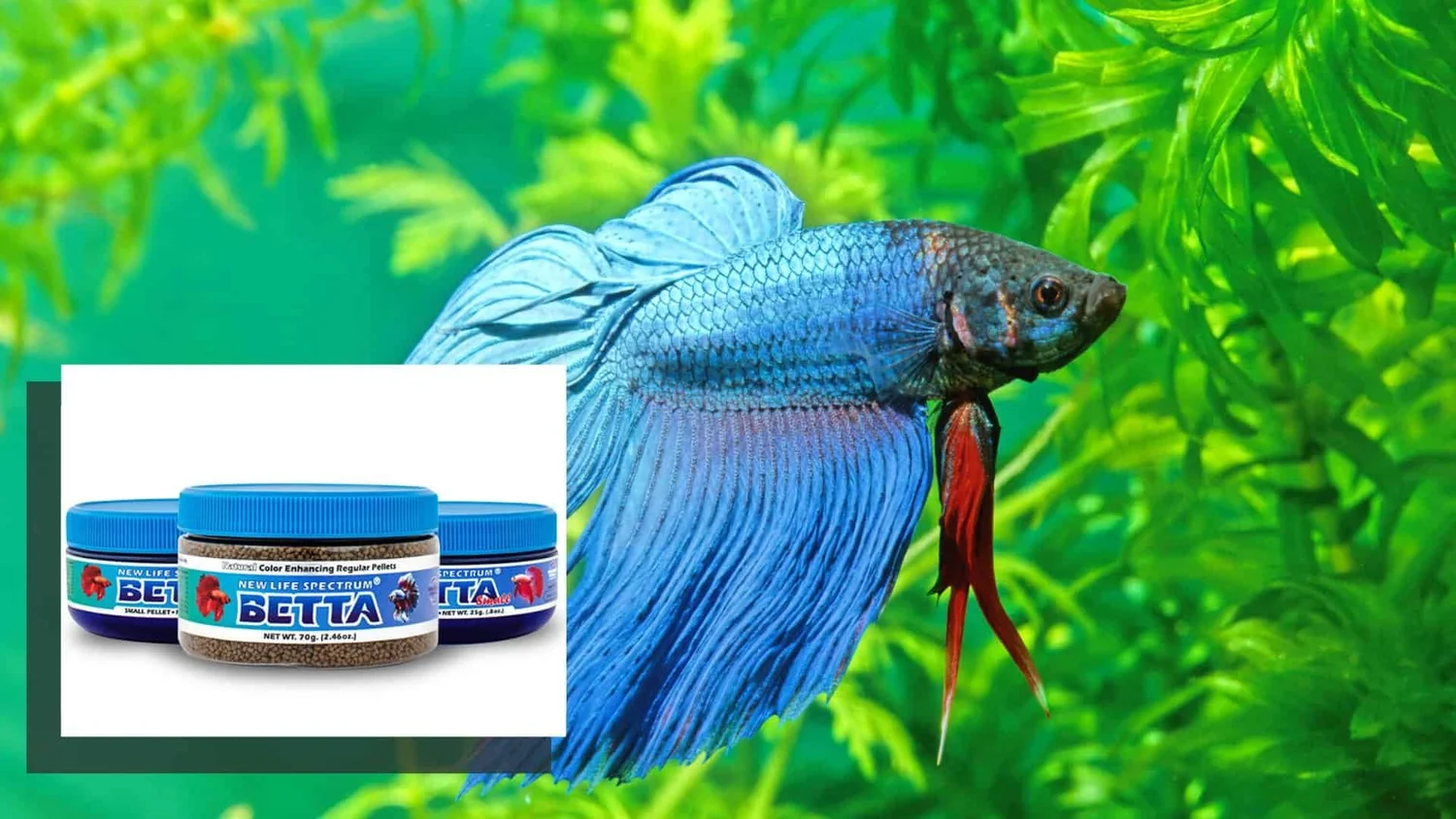
Credit: www.feedspectrum.com
Frequently Asked Questions
What Is The Best Food For Species-specific Aquariums?
The best food depends on the fish species. Use diets rich in protein for carnivores and plant-based for herbivores. Tailoring food ensures optimal nutrition and health for your aquarium fish.
How Often Should I Feed Fish In Species-specific Tanks?
Feed small amounts 1-2 times daily. Avoid overfeeding to prevent water pollution. Adjust frequency based on fish species and activity level.
Can I Mix Different Fish Foods In One Aquarium?
Mixing foods is possible but ensure compatibility with all species’ dietary needs. Avoid harmful ingredients and prioritize balanced nutrition for each fish type.
Why Is Species-specific Fish Food Important For Aquariums?
Species-specific food meets unique nutritional needs. It promotes growth, enhances color, and boosts immunity. Generic food may lack essential nutrients for certain fish.
Conclusion
Choosing the right fish food helps your aquarium thrive. Each species needs specific nutrients to stay healthy. Feeding them properly keeps colors bright and behavior natural. Avoid generic food that may harm or stress fish. Remember, simple choices lead to happy, active fish.
Watch your fish daily to see how they respond. Adjust feeding habits as needed for best results. Healthy fish make your aquarium a beautiful, peaceful place. Care and knowledge go hand in hand for success. Keep learning and enjoy the rewards of your effort.