
Feeding your adult fish the right way is key to keeping them healthy and vibrant. But with so many options out there, it can be hard to know what method works best for your fish.
Are you giving them enough nutrients? Too much food? The wrong type? You’ll discover simple and effective feeding methods that make a real difference. By the end, you’ll feel confident that your fish are getting exactly what they need to thrive.
Keep reading to learn how to turn mealtime into a boost for your fish’s health and happiness.
Choosing The Right Food
Feeding adult fish the right food is key to their health. Different fish need different nutrients and food types.
Knowing what to feed helps keep fish active and colorful. It also helps them live longer in your aquarium or pond.
Types Of Fish Food
Fish food comes in many forms. Each type suits different fish and feeding habits.
- Flakes: Easy to use and float on the water surface.
- Pellets: Sinking or floating, good for bottom feeders or surface feeders.
- Frozen food: Includes bloodworms or brine shrimp, rich in protein.
- Live food: Small insects or worms that fish hunt naturally.
- Vegetable matter: Algae wafers or spirulina for herbivorous fish.
Nutritional Needs Of Adult Fish
Adult fish need balanced nutrition. Proteins, fats, and vitamins keep them healthy.
| Nutrient | Purpose |
| Protein | Builds muscle and repairs tissue |
| Fats | Provides energy and supports growth |
| Vitamins | Boosts immune system and color |
| Fiber | Aids digestion and prevents constipation |
Selecting Quality Ingredients
Good fish food uses fresh and natural ingredients. Avoid foods with fillers or artificial colors.
Tips to select quality fish food:
- Check the ingredient list for real fish meal or shrimp
- Avoid foods with too many additives or preservatives
- Choose brands that list all ingredients clearly
- Pick food suited to your fish species and size
- Store food in a cool, dry place to keep it fresh

Credit: amtra.net
Feeding Techniques
Feeding adult fish the right way keeps them healthy and active. Proper techniques help avoid common problems.
Focus on how much, how often, and what to avoid during feeding time. These steps improve fish care.
Portion Control
Give fish the right amount of food to prevent waste and maintain water quality. Overfeeding can cause pollution and health issues.
| Fish Size | Daily Food Amount |
| Small (up to 2 inches) | 2-3 small pellets |
| Medium (2-4 inches) | 4-6 small pellets |
| Large (over 4 inches) | 6-8 small pellets |
Feeding Frequency
Feed your fish regularly but not too often. Most adult fish do well with one or two feedings daily.
- Feed once in the morning and once at night.
- Adjust frequency based on fish species and activity.
- Skip feeding once a week to help digestion.
Avoiding Overfeeding
Overfeeding causes leftover food to rot, leading to poor water quality. It also risks fish health.
Tips to prevent overfeeding:
- Feed only what fish can eat in 2-3 minutes.
- Watch fish eat and stop if food is left.
- Use feeding tools like small scoops to measure food.
- Remove uneaten food quickly.
Special Diets
Adult fish need special diets to stay healthy. Feeding them the right food helps them grow well.
Different fish eat different types of food. Knowing what to feed your fish is important.
Carnivorous Fish Diets
Carnivorous fish eat mostly meat. They need protein-rich foods to stay strong and active.
Feed them live or frozen foods like shrimp, worms, and small fish. This matches their natural diet.
- Bloodworms
- Brine shrimp
- Small feeder fish
- Insect larvae
Herbivorous Fish Diets
Herbivorous fish eat plants and algae. They need fiber and vitamins from green foods.
Feed them fresh vegetables and algae-based flakes or pellets. This keeps their digestion healthy.
- Spinach
- Peas
- Algae wafers
- Zucchini slices
Omnivorous Fish Diets
Omnivorous fish eat both plants and meat. They need a balanced diet for good health.
Feed them a mix of flakes, pellets, vegetables, and small live foods to meet all needs.
- Commercial flakes or pellets
- Vegetable pieces like peas
- Small live foods such as brine shrimp
- Algae wafers
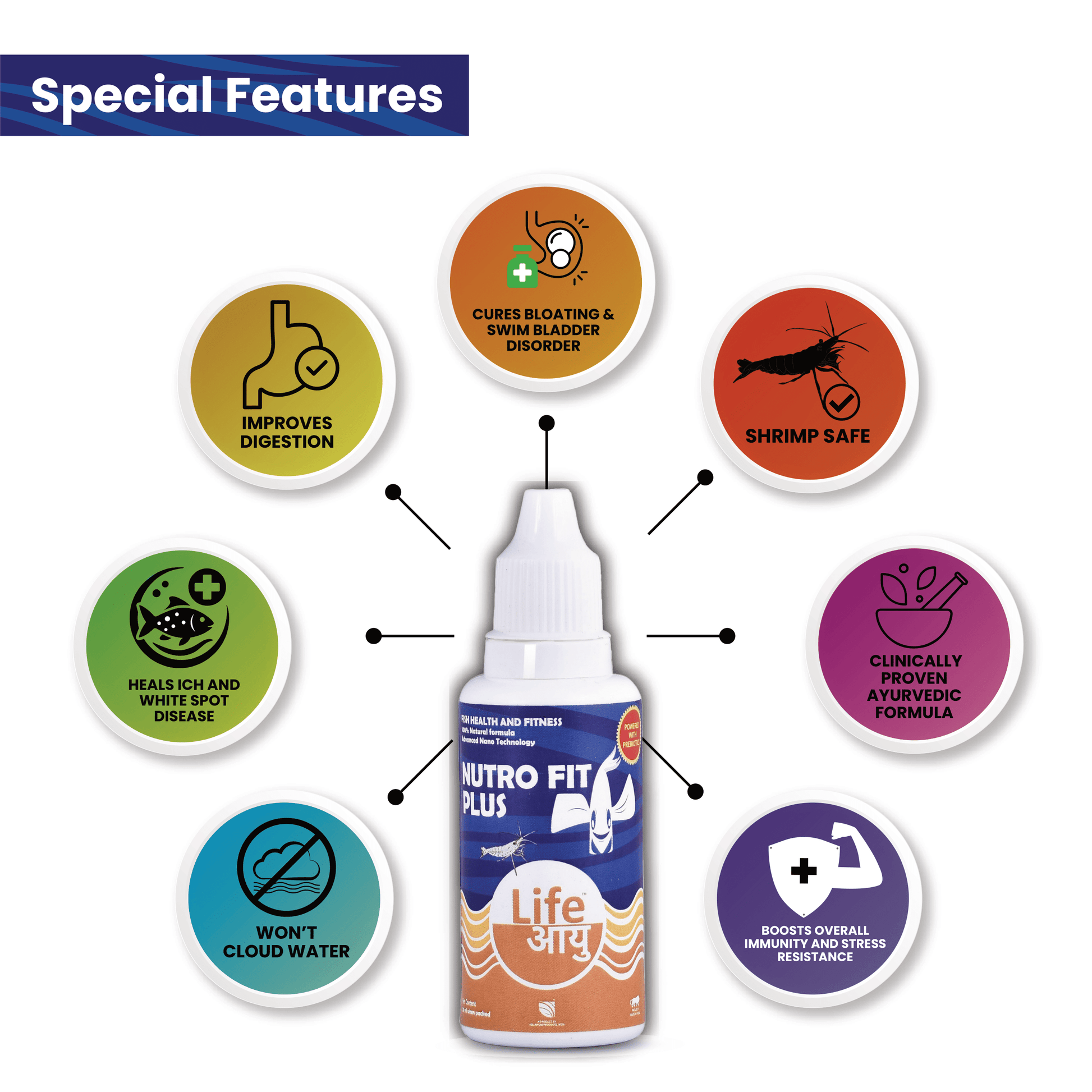
Credit: aquariumproductsindia.in
Supplementing Fish Nutrition
Feeding adult fish properly keeps them healthy and active. Balanced nutrition helps fish live longer. Supplementing their diet is a smart way to add essential nutrients.
Fish need vitamins, minerals, and varied foods. Using supplements can fill gaps in their diet. This guide explains key feeding methods for adult fish.
Vitamins And Minerals
Vitamins and minerals support fish growth and immune health. Common supplements include vitamin C, vitamin D, calcium, and iron. Adding these helps prevent diseases and deformities.
| Vitamin/Mineral | Benefit | Source |
| Vitamin C | Boosts immune system | Supplement powders |
| Calcium | Supports bone strength | Crushed coral, supplements |
| Vitamin D | Helps absorb calcium | Sunlight, supplements |
| Iron | Improves blood health | Special fish food |
Live And Frozen Foods
Live and frozen foods add natural nutrition and variety. They contain proteins and fats fish need. Common types include brine shrimp, bloodworms, and daphnia.
- Brine shrimp improve fish energy
- Bloodworms offer rich protein
- Daphnia help with digestion
- Frozen options keep nutrients fresh
Plant-based Supplements
Plant-based supplements provide fiber and vitamins. Spirulina, algae, and vegetable flakes are popular choices. These supplements support fish digestion and color.
| Supplement | Main Nutrient | Benefit |
|---|---|---|
| Spirulina | Protein, vitamins | Enhances color and health |
| Algae wafers | Fiber, minerals | Aids digestion |
| Vegetable flakes | Vitamins | Supports immune system |
Feeding Environment
The feeding environment plays a big role in keeping adult fish healthy. It helps fish eat well and stay active.
Good feeding spots reduce stress and encourage natural behavior. This leads to better food intake and growth.
Tank Setup For Feeding
A proper tank setup makes feeding easier for fish. Use plants, rocks, or decorations to create hiding and resting places.
Place feeding areas where fish feel safe. Avoid strong water currents near these spots to keep food from washing away.
- Use calm zones away from filters or pumps
- Add floating plants to slow food movement
- Keep feeding spots clear of sharp objects
- Arrange decorations to reduce fish competition
Water Quality And Feeding
Clean water helps fish digest food better. Poor water quality can stress fish and lower their appetite.
Check water parameters often. Keep ammonia, nitrite, and nitrate levels low to support healthy feeding habits.
- Perform regular water changes before feeding
- Use filters to keep water clear and clean
- Avoid overfeeding to prevent water pollution
- Test water weekly for harmful chemicals
Behavioral Considerations
Fish have different feeding behaviors. Some eat from the top, others from the bottom or middle of the tank.
Watch your fish to learn their habits. Feed them in ways that match their natural behavior to reduce stress.
- Feed surface eaters with floating food
- Use sinking pellets for bottom feeders
- Feed smaller amounts to avoid fights
- Observe feeding times and adjust if needed
Monitoring Fish Health
Feeding adult fish properly ensures they stay healthy and vibrant. Observing their health is key to maintaining a thriving aquarium. Monitoring helps identify issues early and allows for diet adjustments.
Fish health monitoring involves checking their eating habits and behavior. It helps in providing the right nutrition and preventing diseases.
Signs Of Proper Nutrition
Healthy fish display certain signs indicating good nutrition. These signs are visible in their appearance and behavior. Proper nutrition is vital for their overall well-being.
- Bright and vibrant colors
- Active swimming
- Regular appetite
- Clear eyes
- Smooth, glossy scales
Identifying Feeding Problems
Feeding problems can lead to health issues in fish. Identifying these problems early can help take corrective measures. Watch for changes in behavior and appearance.
- Loss of appetite
- Swollen abdomen
- Unusual swimming patterns
- Faded colors
- Visible weight loss
Adjusting Diet For Growth
Fish diets may need adjustments as they grow. Different stages of life require different nutrients. Adjusting the diet ensures they receive what they need for healthy development.
Include a variety of food types to meet nutritional needs. Monitor growth and health to make timely changes in their diet.

Credit: www.aquascapeinc.com
Frequently Asked Questions
What Is The Best Diet For Adult Fish?
Adult fish thrive on a balanced diet of flakes, pellets, and occasional live food. Variety ensures proper nutrition and health. Avoid overfeeding to prevent water quality issues. Tailor food type to species-specific needs for optimal growth and vitality.
How Often Should I Feed My Adult Fish?
Feed adult fish once or twice daily in small amounts they can consume within 2-3 minutes. Consistent feeding schedules reduce stress and waste buildup. Overfeeding can harm fish health and aquarium cleanliness. Adjust frequency based on species and activity levels.
Can Adult Fish Eat Live Or Frozen Food?
Yes, live and frozen foods like brine shrimp or bloodworms enhance nutrition and mimic natural diets. These foods boost fish vitality and coloration. Use them as supplements alongside staple flakes or pellets. Ensure food is safe and free from contaminants.
How To Prevent Overfeeding Adult Fish?
Feed only what fish consume quickly to avoid leftovers. Use a feeding ring or small portions to control amounts. Remove uneaten food promptly to maintain water quality. Overfeeding leads to obesity, poor health, and tank pollution.
Conclusion
Feeding adult fish correctly keeps them healthy and happy. Small, regular meals help avoid overfeeding and water problems. Choose food that matches your fish’s type and size. Watch your fish eat to check their health every day. Clean the tank often to keep the water fresh.
Good feeding habits make your fish live longer and look better. Remember, simple care brings great results. Keep learning and enjoy your fish keeping journey.