
Choosing the right aquarium size can make all the difference for your freshwater fish. If your tank is too small, your fish might not thrive.
Too big, and you could be wasting space and money. You want a healthy, happy environment where your fish can grow and show their true colors. You’ll discover the best aquarium sizes tailored to specific freshwater species. By the end, you’ll know exactly what your fish need to live their best life—and how to set up your tank for success.
Keep reading to find the perfect match for your aquatic friends!
Choosing Aquarium Size
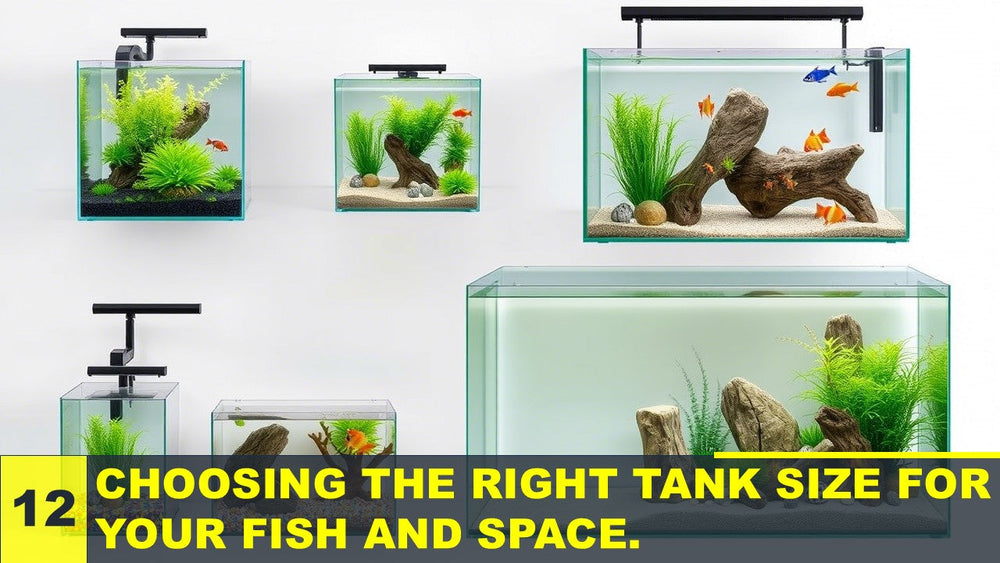
Choosing the right aquarium size is key for a healthy freshwater tank. The size affects fish health and tank maintenance.
Different fish need different amounts of space to live comfortably. It is important to think about tank size before buying fish.
Factors Affecting Tank Size
Fish species, their adult size, and number affect the tank size you need. Some fish grow large and need more room.
- Large fish like Oscars need tanks of at least 55 gallons.
- Small fish like Neon Tetras can live in 10 gallons or more.
- Active swimmers need more space than slow-moving fish.
- Bottom dwellers require more floor space in the tank.
Space And Budget Considerations
Before buying a tank, check the space available in your home. Also, think about how much money you can spend on the tank and equipment.
| Factor | Details |
| Room Size | Measure the area where the tank will go |
| Weight | Full tanks are heavy; check floor strength |
| Budget | Include costs for filter, heater, and decorations |
| Maintenance | Large tanks need more cleaning and water changes |
Small Freshwater Fish
Small freshwater fish are popular choices for home aquariums. They are colorful and easy to care for. Choosing the right aquarium size helps them thrive.
Each species has different space needs. Proper tank size ensures their health and happiness. Let’s explore the best aquarium sizes for popular small fish.
Betta Fish
Betta fish are known for their vibrant colors and flowing fins. They are often kept in small tanks, but they need space to swim.
A 5-gallon tank is the minimum size for a single Betta fish. This gives them enough room and keeps the water quality stable.
- Minimum tank size: 5 gallons
- Temperature: 76-82°F
- pH level: 6.5-7.5
Neon Tetras
Neon Tetras are small and bright, making them a favorite in community tanks. They are schooling fish, so they do best in groups.
A 10-gallon tank is ideal for a small school of Neon Tetras. This allows them to swim together and display their natural behavior.
- Minimum tank size: 10 gallons
- Temperature: 70-81°F
- pH level: 6.0-7.0
Guppies
Guppies are colorful and lively, making them a fun addition to any tank. They breed easily, so consider tank size carefully.
A 10-gallon tank works well for a small group of Guppies. This provides enough space for swimming and breeding.
- Minimum tank size: 10 gallons
- Temperature: 74-82°F
- pH level: 6.8-7.8
Medium Freshwater Fish
Choosing the right aquarium size helps fish stay healthy and active. Medium freshwater fish need enough space to swim freely.
This guide covers the best tank sizes for popular medium freshwater species. Proper tank size supports their growth and behavior.
Angelfish
Angelfish are tall and graceful fish. They need a tank that is tall enough for their long fins.
A 20-gallon tank is the minimum for one angelfish. For a small group, use at least 30 gallons.
Corydoras Catfish
Corydoras catfish are bottom-dwellers that like to live in groups. They are peaceful and active.
- Minimum tank size: 20 gallons
- Keep at least 4-6 corydoras together
- Use soft substrate to protect their barbels
- Provide hiding spots with plants or caves
Dwarf Gouramis
| Fish | Minimum Tank Size | Notes |
|---|---|---|
| Dwarf Gourami | 10 gallons | Good for single or pair |
| Group of Gouramis | 20 gallons | More space reduces aggression |
Dwarf gouramis are colorful and peaceful. They prefer tanks with plants and calm water.

Credit: www.hygger-online.com
Large Freshwater Fish
Large freshwater fish need bigger tanks to live well. Size affects their health and happiness.
Choosing the right aquarium size helps keep water clean and fish comfortable. Each species has different space needs.
Oscar Fish
Oscar fish grow up to 12-18 inches long. They are active and need space to swim freely.
Use a tank of at least 55 gallons for one Oscar fish. Bigger tanks are better if you keep more than one.
- Minimum tank size: 55 gallons
- Tank shape: wide and long for swimming
- Good filtration needed for waste control
Silver Arowana
Silver Arowanas can grow over 3 feet long. They need very large tanks to move comfortably.
A tank of 250 gallons or more is best. Arowanas prefer tanks with a secure lid because they jump.
- Minimum tank size: 250 gallons
- Tank length: at least 6 feet
- Secure lid to prevent jumping out
Plecostomus
Plecostomus, or plecos, can grow up to 24 inches. They are bottom dwellers and need hiding spots.
Provide a tank of 75 gallons or larger. Add driftwood and caves to mimic their natural habitat.
- Minimum tank size: 75 gallons
- Include hiding places like caves or wood
- Good filtration to handle waste
Community Tanks
Community tanks house different freshwater fish species together. These tanks need careful planning to keep fish safe and happy.
Choosing the right tank size helps fish swim freely and reduce stress. It also keeps the water clean and healthy.
Compatible Species
Some fish get along well in community tanks. They have similar water needs and peaceful behavior.
- Neon Tetras: Small, colorful, and peaceful schooling fish.
- Corydoras Catfish: Bottom dwellers that clean leftover food.
- Guppies: Hardy fish with bright colors and active swimming.
- Harlequin Rasboras: Calm fish that prefer groups.
- Cherry Barbs: Gentle fish that add red shades to the tank.
Tank Size Recommendations
Tank size depends on the fish species and their number. Bigger tanks give fish more space to swim and hide.
| Species | Minimum Tank Size | Recommended Group Size |
| Neon Tetras | 20 gallons | 6 or more |
| Corydoras Catfish | 20 gallons | 4 or more |
| Guppies | 15 gallons | 5 or more |
| Harlequin Rasboras | 20 gallons | 6 or more |
| Cherry Barbs | 25 gallons | 5 or more |
Credit: bubble-magus.net
Specialty Freshwater Species
Choosing the right aquarium size is key for keeping specialty freshwater fish healthy.
This guide covers the best tank sizes for popular freshwater species like Discus, African Cichlids, and Freshwater Stingrays.
Discus Fish
Discus fish need spacious tanks with clean water and stable conditions.
- Minimum tank size: 50 gallons for a small group
- Keep at least 5 Discus together for social comfort
- Provide tall tanks with plenty of vertical swimming space
- Use soft, warm water between 82-86°F
African Cichlids
African Cichlids are active and territorial. They need extra space to thrive.
| Species | Minimum Tank Size | Notes |
| Mbuna Cichlids | 55 gallons | Many rocks and hiding spots |
| Peacock Cichlids | 75 gallons | More open swimming space |
| Frontosa | 100 gallons | Deep tanks preferred |
Freshwater Stingrays
Freshwater Stingrays grow large and need very spacious tanks with soft bottoms.
- Juveniles: At least 75 gallons
- Adults: 125 gallons or more
- Provide sandy substrate to protect their delicate undersides
- Keep water clean and well-filtered
Tank Setup Tips
Choosing the right aquarium size is important for your freshwater fish. A proper tank helps fish stay healthy and active.
Setting up the tank correctly includes good filtration, aeration, and aquascaping. These steps create a safe home for your fish.
Filtration And Aeration
Filtration keeps the water clean by removing waste and toxins. A good filter suits the tank size and fish type.
Aeration adds oxygen to the water. Fish need oxygen to breathe and stay healthy. Use air pumps or surface agitation.
- Choose a filter that handles at least 4 times the tank volume per hour.
- Use air stones or bubble wands to improve oxygen flow.
- Check filters and aerators weekly for proper function.
- Keep water movement gentle for small or shy fish.
Aquascaping For Different Sizes
Aquascaping means arranging plants, rocks, and decorations. It gives your fish hiding spots and mimics their natural habitat.
Small tanks need fewer decorations to avoid crowding. Large tanks allow more plants and open swimming areas.
- Use live plants for oxygen and natural look.
- Keep open space in small tanks for swimming.
- Add caves or driftwood for shy fish.
- Balance decorations to avoid stress and allow fish movement.
Maintenance For Various Tank Sizes
Different aquarium sizes need different care levels. Small tanks need more attention than big ones.
Proper maintenance helps fish stay healthy and the water clean. You must adjust tasks based on tank size.
Water Changes
Water changes keep the tank clean and remove harmful chemicals. Small tanks need frequent water changes.
Large tanks hold more water, so they need less frequent changes but larger amounts each time.
- Small tanks (under 10 gallons): change 25% of water weekly
- Medium tanks (10-30 gallons): change 20% of water every two weeks
- Large tanks (over 30 gallons): change 15-20% of water monthly
Monitoring Water Parameters
Check water quality often to keep fish healthy. Small tanks need more frequent checks than big tanks.
Important parameters include pH, ammonia, nitrite, and nitrate levels. Use easy test kits for this.
- Small tanks: test water twice a week
- Medium tanks: test water once a week
- Large tanks: test water every two weeks

Credit: www.aqqapet.com
Frequently Asked Questions
What Is The Ideal Aquarium Size For Betta Fish?
Betta fish thrive in tanks of at least 5 gallons. This size offers enough swimming space and maintains water quality. Smaller tanks often stress bettas and reduce their lifespan. A 5-gallon tank also supports proper filtration and heating, essential for their health.
How Big Should A Goldfish Tank Be?
Goldfish need a minimum of 20 gallons for one fish. They produce a lot of waste, so larger tanks ensure better water quality. For each additional goldfish, add 10 gallons. Proper space prevents stunted growth and promotes their well-being.
Which Tank Size Suits Neon Tetras Best?
Neon tetras prefer a 10-gallon tank or larger. They are schooling fish, so keep at least six together. A larger tank helps maintain stable water conditions and allows natural schooling behavior. Proper space reduces stress and enhances their vibrant colors.
Can Small Freshwater Species Live In 5 Gallons?
Many small freshwater species like shrimp and some snails thrive in 5 gallons. However, most fish need more space for health and activity. Always research specific species requirements to ensure the tank size supports their needs.
Conclusion
Choosing the right aquarium size helps fish stay healthy and happy. Different species need different space to swim and grow. Small tanks suit small fish, while big fish need larger homes. Proper tank size keeps water clean and stable too.
Think about fish habits and size before buying a tank. This care makes your aquarium a safe, lively place. Enjoy watching your fish thrive in their perfect home!