
If you’re thinking about adding a freshwater pleco to your aquarium, choosing the right tank is key to keeping your new pet happy and healthy. Plecos are fascinating fish, but they have specific needs that many standard aquariums just can’t meet.
Imagine your pleco thriving in a space designed just for it—where it can explore, hide, and grow comfortably. You’ll discover exactly what makes the best aquarium for freshwater plecos and how to create the perfect home for your scaly friend.
Keep reading to learn the secrets that will make your aquarium a safe haven your pleco will love.
Choosing The Right Tank Size
Picking the right tank size is key for keeping freshwater plecos healthy. These fish need enough space to move and grow. A proper tank helps maintain clean water and a happy fish.
Knowing how big your pleco will get is important. It guides you in choosing a tank that fits their needs for many years.
Minimum Tank Dimensions
Freshwater plecos need a tank that is at least 30 gallons. The tank should be long and wide to provide enough floor space. Plecos spend most time at the bottom, so a large footprint is better than tall tanks.
A good minimum size is 36 inches long, 18 inches wide, and 18 inches high. Smaller tanks can stress the fish and cause health problems.
Space For Growth
Plecos grow fast and can reach 12 to 24 inches. You must plan for their adult size. A tank that fits a baby pleco may be too small later.
Choosing a bigger tank helps avoid frequent moves. It also gives plecos room to explore and hide.
- Small plecos: 30-gallon tank minimum
- Medium plecos: 50-gallon tank recommended
- Large plecos: 75 gallons or more
Tank Shape Considerations
Tank shape affects how plecos use their space. Long tanks are better than tall ones. Plecos like to swim along the bottom and hide in caves.
A rectangular tank offers more floor area and better surface for oxygen. Avoid very tall or narrow tanks, as they limit swimming room.
- Choose wide and long tanks for bottom space
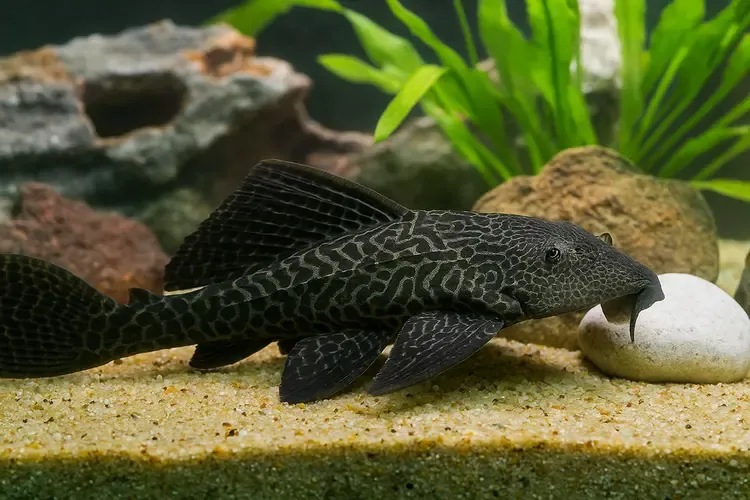
- Provide hiding spots like driftwood and caves
- Keep water surface open for good oxygen exchange

Credit: splashyfishstore.com
Ideal Water Conditions
Freshwater plecos need specific water conditions to stay healthy. Good water helps them grow and stay active.
Setting the right water parameters is key for pleco care. It keeps the tank safe and clean.
Temperature Range
Plecos live best in warm water. Keep the temperature steady to avoid stress.
The ideal range is between 72°F and 82°F (22°C to 28°C). Use a heater for stability.
- Minimum temperature: 72°F (22°C)
- Maximum temperature: 82°F (28°C)
- Use an aquarium heater for control
Ph And Hardness
Plecos prefer slightly acidic to neutral water. Stable pH helps them feel comfortable.
Water hardness should be low to moderate. This supports their natural environment.
- Ideal pH range: 6.5 to 7.5
- Water hardness: 3 to 12 dGH (soft to medium)
- Test water regularly to maintain balance
Filtration Needs
Strong filtration keeps the water clean and oxygen-rich. Plecos produce a lot of waste.
Choose a filter that suits your tank size. It should provide good water flow without stress.
- Use a high-quality canister or hang-on-back filter
- Ensure strong but gentle water flow
- Clean filters regularly to maintain efficiency
Substrate And Decorations
Freshwater plecos need the right tank setup to stay healthy and happy. Substrate and decorations play a big role in their environment.
Choosing the right materials helps plecos feel safe and lets them show their natural behavior.
Best Substrate Types
Plecos like soft substrates that protect their sensitive undersides. Avoid sharp or rough materials that may hurt them.
Sand is a top choice. It is smooth and easy to clean. Fine gravel can also work but must be smooth and rounded.
- Sand: soft and safe for plecos
- Fine gravel: choose smooth, rounded pieces
- Avoid sharp or large gravel to prevent injury
Hiding Spots And Caves
Plecos are shy fish that like to hide during the day. Provide caves and hiding spots to reduce stress.
Use decorations like ceramic pots, PVC pipes, or stone caves to create shelters. These spots make plecos feel safe.
- Use hollow decorations for hiding
- Place caves in dark or shaded areas
- Make sure entrances are big enough for your pleco
Driftwood Benefits
Driftwood is a natural decoration that plecos love. It helps them scrape off algae and wood fibers provide extra nutrition.
It also softens the water and creates a more natural tank environment. Make sure to soak driftwood before adding it to the tank.
- Provides surface for algae growth
- Offers natural food source
- Improves water quality by softening it
- Creates natural hiding places
Lighting And Plant Choices
Freshwater plecos need the right environment to thrive. Lighting and plant choices are key. Proper lighting helps them stay healthy and active.
Aquatic plants provide shelter and improve water quality. Let’s explore the best lighting and plant options for your plecos.
Lighting Requirements
Plecos need moderate lighting for their habitat. Too much light can cause stress and algae growth. Too little light affects plant health.
- Use LED lights for energy efficiency.
- Set timers for consistent light cycles.
- Aim for 8-10 hours of light each day.
Aquatic Plants For Plecos
Aquatic plants offer many benefits for plecos. They provide hiding spots and help keep the water clean.
| Plant Type | Benefits |
| Anubias | Low light, hardy plant |
| Java Fern | Easy to care for, decorative |
| Amazon Sword | Oxygenates water, large leaves |
Balancing Light And Algae
Algae can be a problem in aquariums. Balance is key to prevent algae overgrowth.
Consider these tips to manage algae:
- Regularly clean the tank and remove excess algae.
- Introduce algae-eating fish like otocinclus.
- Ensure proper filtration to maintain water quality.
Feeding And Nutrition
Freshwater plecos need a balanced diet to stay healthy and active. Proper feeding helps their growth and improves their color.
Understanding what and how often to feed plecos is important for aquarium care. Their diet mainly includes plant-based foods and some protein sources.
Diet Essentials
Plecos are mainly herbivores. They eat algae and plant matter in the aquarium. A diet high in fiber supports their digestion and health.
- Algae wafers are a good staple food.
- Fresh vegetables like zucchini and cucumber are ideal.
- Leafy greens such as spinach and lettuce provide nutrients.
- Wood pieces help some species digest food properly.
Supplemental Foods
Besides plants, plecos benefit from added protein sources. This helps them grow and stay strong.
| Food Type | Examples | Feeding Tips |
| Protein | Bloodworms, brine shrimp | Feed sparingly, once or twice a week |
| Vegetables | Peas, carrots | Lightly boiled or raw |
| Commercial Foods | Pellets, wafers | Choose high-quality, algae-based formulas |
Feeding Frequency
Feed plecos at regular times to avoid overfeeding. Clean water supports their health and reduces waste.
- Feed young plecos once or twice daily in small amounts.
- Adult plecos can be fed once every day or every other day.
- Remove uneaten food after two hours to keep the tank clean.
- Adjust feeding depending on pleco activity and tank conditions.
Tank Mates Compatibility
Choosing the right tank mates for freshwater plecos is important. It helps keep the aquarium peaceful and healthy.
Some fish get along well with plecos, while others can cause stress or harm. Knowing which species to add or avoid is key.
Peaceful Community Fish
Freshwater plecos do best with calm and non-aggressive fish. These species share space without fighting or stressing the pleco.
- Tetras
- Corydoras catfish
- Guppies
- Rasboras
- Small gouramis
Aggressive Species To Avoid
Some fish show aggression and can harm plecos. Avoid these species to keep your pleco safe.
| Aggressive Species | Reason to Avoid |
| Cichlids (except dwarf types) | Territorial and may attack plecos |
| Large Barbs | Can nip pleco fins |
| Oscar Fish | Predatory behavior |
| Green Terror | Highly aggressive |
Managing Territorial Behavior
Plecos can be territorial, especially larger species. You can manage this behavior by setting up the tank right.
Tips to reduce territorial fights:
- Provide plenty of hiding spots with driftwood and caves
- Keep the tank size large enough for all fish
- Limit the number of plecos to avoid crowding
- Place decorations to break up sight lines
Maintenance Tips
Keeping your freshwater plecos healthy means regular tank care. Good maintenance helps prevent diseases.
Follow simple steps to keep the tank clean and your plecos happy. These tips focus on cleaning, water, and health checks.
Regular Cleaning Schedule
Clean the tank weekly to remove waste and leftover food. This keeps the water clear and safe.
- Use a gravel vacuum to clean the substrate
- Wipe algae from the glass and decorations
- Check and clean the filter as needed
- Remove uneaten food daily
Water Changes
Regular water changes keep the water fresh and remove toxins. Change part of the water every week.
| Change Amount | Frequency |
| 20-30% | Weekly |
| 50% | Every 3-4 weeks (if needed) |
| Use dechlorinated water | Always |
Monitoring Health
Watch your plecos daily for signs of illness. Early detection helps with quick treatment.
Look for these signs:
- Loss of appetite
- Unusual spots or discoloration
- Clamped fins or unusual swimming
- Rapid breathing or lethargy
Credit: aquadecorbackgrounds.com
Common Challenges
Keeping freshwater plecos in an aquarium can be rewarding but has challenges. These fish need special care for a healthy life.
Understanding common problems helps you keep your plecos safe and happy. This guide covers algae control, disease prevention, and behavior issues.
Algae Control
Plecos eat some algae, but too much can harm your tank. Algae can grow fast and make water dirty.
Control algae by keeping the tank clean and limiting light. Use a good filter and change water regularly.
- Limit tank light to 8-10 hours daily
- Clean tank surfaces and decorations often
- Use a filter suitable for your tank size
- Perform 20% water changes weekly
Disease Prevention
Freshwater plecos can get sick from poor water quality or stress. Watch for signs like unusual spots or hiding.
Keep the tank clean and stable. Quarantine new fish before adding them to the main tank.
- Test water regularly for ammonia and nitrite
- Keep temperature steady between 72°F and 78°F
- Remove sick fish quickly to stop spread
- Feed a balanced diet to boost immunity
Behavioral Issues
Plecos can be shy or aggressive. They may fight for space or hide too much.
Provide hiding spots and enough room to reduce stress. Watch how plecos interact to stop fights early.
- Add caves and plants for shelter
- Keep one pleco per tank if space is small
- Observe fish daily for signs of stress
- Feed at different tank levels to avoid competition

Credit: splashyfishstore.com
Frequently Asked Questions
What Is The Ideal Tank Size For Freshwater Plecos?
The ideal tank size for freshwater Plecos is at least 30 gallons. Larger Pleco species need tanks of 75 gallons or more. Proper space ensures healthy growth and reduces stress in Plecos, promoting their longevity and well-being.
Which Aquarium Setup Suits Plecos Best?
Plecos thrive in tanks with hiding spots, driftwood, and smooth substrate. They prefer moderate water flow and stable water parameters. Adding live plants enhances their environment and mimics their natural habitat, benefiting their health and behavior.
How Often Should I Clean A Pleco Aquarium?
Clean the Pleco aquarium once every two weeks or as needed. Remove uneaten food, waste, and algae regularly. Perform partial water changes of 20-30% weekly to maintain water quality and prevent harmful toxin buildup.
What Water Parameters Do Freshwater Plecos Need?
Plecos prefer water temperatures between 72°F and 82°F. The pH should range from 6. 5 to 7. 5, with moderate hardness. Stable water parameters help maintain Pleco health and reduce stress, ensuring a thriving aquatic environment.
Conclusion
Choosing the best aquarium for freshwater plecos takes some thought. Size matters to give your fish enough space to swim. A tank with hiding spots keeps plecos comfortable and less stressed. Clean water helps them stay healthy and active. Proper filtration is key for water quality.
Remember to check the tank’s setup regularly. A happy pleco means a happy aquarium. Enjoy watching your plecos thrive in their new home. Simple care makes a big difference in their life.