
Setting up your first fish tank can feel overwhelming, but it doesn’t have to be. Imagine watching colorful fish glide through clear water, right in your own home.
You might think it’s complicated or expensive, but with the right steps, you can create a beautiful, healthy environment for your fish without stress. This guide will walk you through everything you need to know to start your fish tank the right way.
By the end, you’ll feel confident and excited to welcome your new aquatic friends. Ready to dive in? Let’s get started!
Choosing The Right Tank
Setting up a fish tank is exciting but needs good planning. The right tank helps your fish live well.
This guide covers tank sizes, materials, and where to place your tank for the best results.
Tank Sizes For Beginners
Choosing the right size tank makes care easier. Small tanks can be hard to keep stable. Bigger tanks hold water better and keep fish safe.
- 10 to 20 gallons is good for new hobbyists.
- 20 gallons or more is better for more fish.
- Small tanks need more cleaning and attention.
- Larger tanks give fish more space and stable water conditions.
Material Options
Tank material affects weight, clarity, and price. Glass tanks are clear and scratch-resistant. Acrylic tanks are lighter and stronger but scratch easier.
| Material | Weight | Clarity | Durability |
| Glass | Heavier | Very clear | Scratch-resistant |
| Acrylic | Lighter | Clear but can yellow | Strong but scratches |
Placement Tips
Where you place your tank matters. Avoid sunlight and busy spots. Find a flat, strong surface near power outlets.
- Keep away from windows to stop algae growth.
- Use a sturdy stand that can hold the tank’s weight.
- Place near an outlet for filters and lights.
- Choose a quiet area to reduce fish stress.
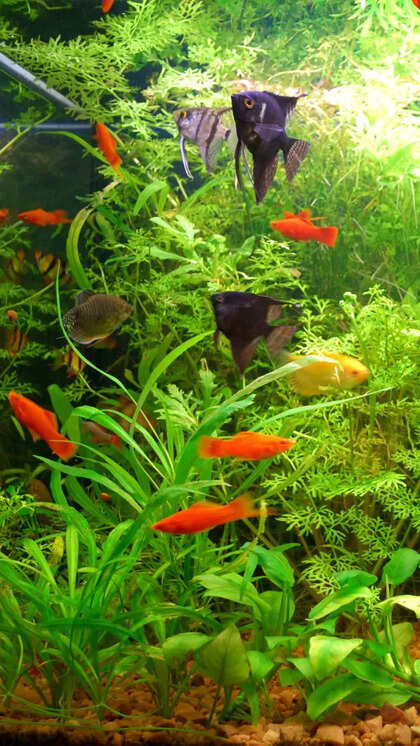
Credit: timesofindia.indiatimes.com
Essential Equipment
Setting up a fish tank needs the right equipment. Good tools help keep fish healthy and happy.
This guide covers filters, heaters, and lighting for beginner fish tanks.
Filters And Pumps
Filters clean the water by removing dirt and waste. Pumps move water through the filter and around the tank.
Choose a filter that fits your tank size. A pump helps keep water oxygen-rich for fish.
- Choose a filter rated for your tank’s gallons
- Look for easy to clean filters
- Pumps should match filter flow rates
- Filters help prevent harmful bacteria build-up
Heaters And Thermometers
Most tropical fish need warm water. A heater keeps the temperature steady.
A thermometer helps you check the water temperature. It ensures the heater works well.
- Pick a heater sized for your tank volume
- Use a thermometer that is easy to read
- Set heater to the fish’s ideal temperature
- Check temperature daily to avoid stress
Lighting Choices
Lighting helps fish see and plants grow. It also makes your tank look nice.
Choose lighting that matches your fish and plants. Avoid lights that make water too hot.
- LED lights use less energy and last longer
- Use daylight bulbs for natural colors
- Set lights on a timer for regular day/night cycle
- Avoid very bright lights that stress fish
Setting Up The Tank
Setting up a fish tank is the first step to creating a healthy home for your fish. It takes some care and attention to prepare the tank properly.
This guide helps you clean the tank, add substrate, and arrange decorations safely and easily.
Cleaning The Tank
Before adding water or fish, clean the tank to remove dust and residues. Use warm water and a soft cloth. Avoid soaps or chemicals as they can harm fish.
Adding Substrate
Substrate is the material placed at the bottom of the tank. It helps plants grow and creates a natural look. Choose sand or gravel based on the fish you want.
- Rinse the substrate well before adding it.
- Spread it evenly, about 1 to 2 inches deep.
- Use more substrate if you plan to add live plants.
Arranging Decorations
Decorations make the tank interesting and give fish places to hide and explore. Use rocks, plants, and ornaments that are safe for fish.
| Decoration Type | Notes |
|---|---|
| Rocks | Rinse well; avoid sharp edges. |
| Live Plants | Help oxygenate water; need substrate. |
| Ornaments | Choose non-toxic and smooth surfaces. |
Water Preparation
Preparing water correctly is key to a healthy fish tank. Clean and safe water helps fish live longer and stay active.
This section covers filling and treating water, cycling the tank, and testing water parameters for beginners.
Filling And Treating Water
Start by filling your tank with water that is free from harmful chemicals. Tap water often contains chlorine or chloramine, which can hurt fish.
- Use a water conditioner to remove chlorine and chloramine.
- Let the water sit for 24 hours to reach room temperature.
- Check that the water temperature matches the tank’s needs before adding fish.
Cycling The Tank
Cycling means building good bacteria that break down fish waste. This process makes the water safe for fish.
- Set up the tank with water and filter but no fish.
- Add a small amount of fish food or pure ammonia to start bacteria growth.
- Test water regularly for ammonia, nitrites, and nitrates.
- Wait until ammonia and nitrites drop to zero before adding fish.
- This cycle usually takes 4 to 6 weeks.
Testing Water Parameters
Testing water ensures the tank stays safe. Fish need stable conditions to stay healthy.
| Parameter | Safe Level | Why It Matters |
|---|---|---|
| pH | 6.5 to 7.5 | Maintains water acidity for fish comfort |
| Ammonia | 0 ppm | Toxic to fish at any level |
| Nitrites | 0 ppm | Also toxic, part of nitrogen cycle |
| Nitrates | < 20 ppm | Less toxic but should be low |
| Temperature | Depends on fish species | Fish need correct warmth to thrive |
Selecting Fish
Starting a fish tank is exciting and choosing the right fish is key. It helps ensure your aquarium is healthy and lively.
Beginner-friendly fish are easy to care for and add beauty to your tank. Let’s explore how to pick the best fish for you.
Choosing Beginner-friendly Species
Some fish are better for beginners due to their hardy nature. They handle changes in water conditions well.
- Guppies
- Betta Fish
- Zebra Danios
- Neon Tetras
- Platies
Considering Tank Size And Compatibility
Choosing the right tank size and ensuring fish compatibility is important. Fish need enough space to swim and thrive.
Use this guide to match fish with tank size:
| Fish Type | Minimum Tank Size |
| Guppies | 10 gallons |
| Betta Fish | 5 gallons |
| Zebra Danios | 20 gallons |
| Neon Tetras | 10 gallons |
| Platies | 10 gallons |
Quarantine Practices
Quarantining new fish before adding them to your tank prevents disease spread. It keeps your current fish healthy.
Keep new fish in a separate tank for at least two weeks. Observe them for signs of illness during this time.

Credit: www.reddit.com
Feeding And Maintenance
Taking care of a fish tank means feeding your fish and keeping the tank clean. Good care helps fish stay healthy and happy.
Learn simple tips on feeding schedules, cleaning, and watching your fish for signs of illness.
Feeding Schedules
Feed your fish small amounts two times a day. Too much food can pollute the water and hurt your fish.
- Feed only what fish can eat in 2-3 minutes
- Use high-quality fish food
- Remove leftover food after feeding
- Adjust feeding if fish eat less or more
Regular Cleaning
Cleaning your tank keeps water clear and fish safe. Change some water and clean the tank parts weekly or biweekly.
| Cleaning Task | Frequency | Notes |
| Water Change | 20% per week | Use dechlorinated water |
| Gravel Vacuuming | Every 2 weeks | Remove fish waste and debris |
| Glass Cleaning | Weekly | Use algae scraper |
| Filter Maintenance | Monthly | Rinse filter media with tank water |
Monitoring Fish Health
Watch your fish daily. Look for changes in behavior, appearance, or appetite. Early care helps prevent illness.
- Active swimming
- Bright colors
- Eating well
- Clamped fins
- Spots or wounds
- Loss of appetite
- Gasping at surface

Credit: www.reddit.com
Frequently Asked Questions
What Is The Best Tank Size For Beginners?
A 10 to 20-gallon tank is ideal for beginners. It is easy to maintain and provides enough space for small fish. Larger tanks are harder to manage but offer more stability in water conditions.
How Do I Cycle A Fish Tank Properly?
Cycling establishes beneficial bacteria that break down fish waste. Add ammonia to start the cycle, test water regularly, and wait 4-6 weeks. This prevents harmful toxin buildup and creates a safe environment for fish.
What Fish Are Easiest For Beginner Tanks?
Betta fish, guppies, and neon tetras are beginner-friendly. They adapt well to small tanks and require basic care. Avoid aggressive or large species until you gain more experience.
How Often Should I Clean My Fish Tank?
Clean your fish tank partially once a week. Replace 10-20% of water and remove debris from substrate. Full cleaning can stress fish and disrupt beneficial bacteria.
Conclusion
Setting up a fish tank can be simple and fun. Choose the right tank size and equipment first. Add clean water and test it regularly. Pick fish that are easy to care for. Feed them the right food and watch their health.
Keep the tank clean to avoid problems. Enjoy the peaceful beauty of your new fish home. This hobby brings calm and joy to any space. Start small, learn step by step, and grow with your tank. Fish care becomes easier with time and practice.