
Setting up a barb aquarium can be an exciting and rewarding project for you. Whether you’re a beginner or have some experience, creating the perfect home for your barbs is easier than you might think.
You want your fish to thrive, look vibrant, and enjoy a healthy environment. But where do you start? This guide will walk you through everything you need to know to set up your barb aquarium right from the beginning. Keep reading, and you’ll discover simple steps that make a big difference for your fish and your enjoyment.
Choosing The Right Barb Species
Barbs are popular freshwater fish for many aquariums. Picking the right barb species helps your tank thrive.
Each barb type has unique needs and behaviors. Learning about these helps you choose the best fish.
Popular Barb Varieties
There are many barb species. Some common ones are easy to care for and colorful.
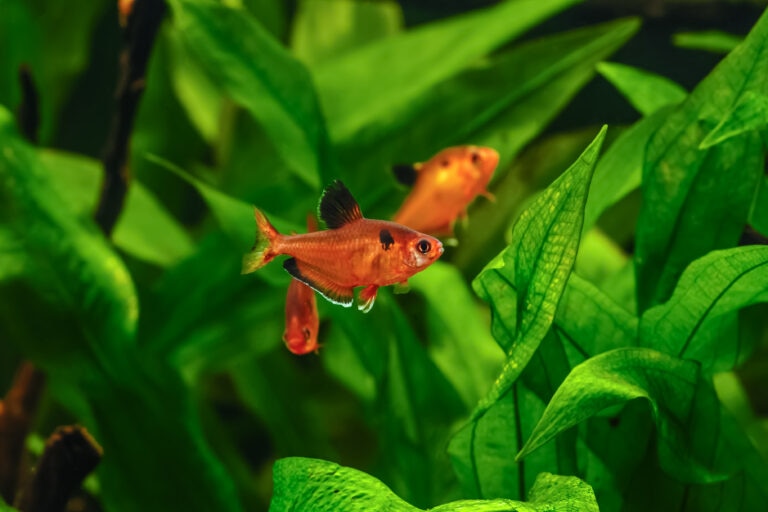
- Cherry Barb – small, bright red, peaceful
- Tiger Barb – striped, active, may nip fins
- Gold Barb – golden color, larger size, calm
- Rosy Barb – pinkish, hardy, good for beginners
- Odessa Barb – orange-red, active, schooling fish
Temperament And Behavior
Barbs have different personalities. Some are peaceful, while others can be aggressive.
Many barbs swim in groups. Keeping them in schools reduces stress and aggression.
- Peaceful barbs fit well with other fish
- Aggressive barbs may nip at slower fish
- Schooling behavior helps barbs feel safe
- Watch their behavior before adding to your tank
Size And Growth Considerations
Barbs vary in size. Know how big your barb will get before buying.
Choose a tank size that fits the adult fish. Small tanks are not good for large barbs.
| Barb Species | Adult Size | Tank Size Minimum |
|---|---|---|
| Cherry Barb | 2 inches (5 cm) | 20 gallons (75 liters) |
| Tiger Barb | 3 inches (7.5 cm) | 30 gallons (115 liters) |
| Gold Barb | 4 inches (10 cm) | 40 gallons (150 liters) |
| Rosy Barb | 3 inches (7.5 cm) | 30 gallons (115 liters) |
| Odessa Barb | 3 inches (7.5 cm) | 30 gallons (115 liters) |

Credit: aquadiction.world
Tank Size And Environment
Setting up a proper tank for barbs is important for their health. The right environment helps barbs thrive and show their colors.
This guide covers the tank size and environment details you need for a happy barb aquarium.
Recommended Tank Dimensions
Barbs need space to swim and grow. A small tank will stress them and limit their movement.
- Minimum tank size: 20 gallons for a small group
- Length: At least 24 inches to allow swimming space
- Width: 12 inches or more to provide enough floor area
- Height: Around 12 to 16 inches to maintain water volume
- Larger tanks are better for bigger groups
Water Parameters
Keeping water conditions right is key for barb health. Stable parameters reduce stress and disease risks.
| Parameter | Ideal Range |
| Temperature | 74°F to 79°F (23°C to 26°C) |
| pH | 6.0 to 7.5 |
| Water Hardness | 5 to 19 dGH |
| Ammonia & Nitrite | 0 ppm (parts per million) |
| Nitrate | Less than 20 ppm |
Filtration And Aeration Needs
Good filtration keeps the water clean and safe. Aeration helps oxygen reach all fish.
- Use a filter rated for at least your tank size
- Choose a filter that offers mechanical, chemical, and biological filtration
- Add an air stone or bubbler to increase oxygen levels
- Keep water flow moderate to mimic barb’s natural habitat
- Clean the filter regularly but avoid disturbing beneficial bacteria
Aquascaping For Barbs
Barbs are lively fish that enjoy a well-planned aquarium. Creating a good aquascape helps keep them healthy and happy. It also makes your tank look natural and beautiful.
This guide covers key points for setting up the perfect barb habitat. Learn about substrate, plants, decorations, and lighting to create a balanced tank.
Selecting Substrate And Plants
Choose a substrate that supports plant growth and is safe for barbs. Fine gravel or sand works well. Live plants provide hiding places and improve water quality.
- Use nutrient-rich substrate to help plants grow strong roots
- Pick hardy plants like Java fern, Anubias, and Cryptocoryne
- Avoid sharp or rough substrates that may harm barbs
- Include floating plants for shade and comfort
Decorations And Hiding Spots
Barbs need places to hide and explore. Decorations should be smooth and secure to avoid injuries. Add rocks, driftwood, and caves to create hiding spots.
| Decoration Type | Benefit |
| Driftwood | Natural look and shelter |
| Rocks | Creates caves for hiding |
| Plants | Safe cover and resting spots |
| Ceramic caves | Extra hiding places |
Lighting Requirements
Proper lighting keeps plants healthy and shows off your barbs’ colors. Use moderate light to avoid algae growth. Barbs prefer a day-night light cycle.
- Use LED lights designed for aquariums
- Provide 8 to 10 hours of light daily
- Dim light in the evening to mimic natural sunset
- Check plants’ needs for light intensity
Credit: www.chewy.com
Feeding Your Barbs
Feeding barbs correctly helps them stay healthy and active. Knowing what and how often to feed is important for their well-being.
Barbs enjoy a varied diet that meets their nutritional needs. This guide covers their dietary preferences, feeding frequency, and nutrition supplements.
Dietary Preferences
Barbs are omnivores and eat both plants and meat. They like flakes, pellets, live foods, and vegetables.
Offering a mix of foods keeps them healthy and happy. Avoid feeding only one type of food to prevent nutrition problems.
- High-quality fish flakes or pellets
- Live or frozen bloodworms and brine shrimp
- Vegetables like peas and spinach
- Algae wafers for extra plant matter
Feeding Frequency
Feed your barbs two to three times each day. Small portions prevent overfeeding and water pollution.
Give only what they can eat within a few minutes. Remove leftover food to keep the tank clean.
- Feed morning, afternoon, and evening
- Offer small amounts each time
- Watch their eating to avoid waste
- Adjust feeding if barbs seem hungry or full
Supplementing Nutrition
Barbs benefit from extra vitamins and minerals. Supplements help boost their immune system and color.
Add supplements by mixing them with regular food or using special treats. Use these sparingly to avoid health issues.
- Vitamin-enriched flakes or pellets
- Occasional live or frozen foods
- Vegetable treats like blanched zucchini
- Special color-enhancing foods for vibrant scales
Tank Mates And Compatibility
Choosing the right tank mates for your barb aquarium is important. Compatible fish help keep the tank peaceful and healthy.
Barbs are active and sometimes nippy, so choosing suitable companions can prevent fights and stress.
Ideal Community Fish
Barbs get along best with other lively and robust fish. Avoid slow swimmers or long-finned species that barbs may nip.
- Danios
- Rainbowfish
- Corydoras catfish
- Gouramis (peaceful types)
- Loaches
Species To Avoid
Some fish do not do well with barbs. They may become stressed or injured because of barb behavior.
| Species | Reason to Avoid |
|---|---|
| Angelfish | Long fins get nipped |
| Betta fish | Aggressive, may fight with barbs |
| Discus | Too slow and delicate |
| Guppies | Fins are targets for barbs |
Managing Aggression
Barbs can show aggression, especially in small tanks. You can reduce this by following some rules.
- Keep barbs in groups of six or more to spread aggression.
- Provide plenty of hiding places and plants.
- Do not overcrowd the tank to reduce stress.
- Feed fish well to prevent food competition fights.
- Choose tank mates that can hold their own.

Credit: www.youtube.com
Maintenance And Care
Setting up an aquarium for barbs requires regular maintenance and care. This keeps the fish healthy and the environment clean.
Proper care involves cleaning routines, water changes, and watching the fish’s health. Let’s explore these important tasks.
Regular Cleaning Routines
Cleaning the aquarium is essential to prevent algae and dirt build-up. Clean the tank’s glass, decorations, and gravel regularly.
Use a soft cloth or sponge for the glass. Avoid harsh chemicals as they can harm the fish.
- Wipe the glass weekly
- Rinse decorations monthly
- Vacuum gravel every two weeks
Water Changes
Changing the water is crucial for a healthy aquarium. It removes toxins and waste that build up over time.
Replace 10-15% of the tank water every week. Use a dechlorinator to treat tap water before adding it to the tank.
- Prepare new water in advance
- Use a siphon for easy water removal
- Check water temperature before adding
Monitoring Fish Health
Observe your fish daily to ensure they are healthy. Watch for changes in behavior or appearance.
Signs of illness include unusual swimming patterns, spots, or color changes. Early detection helps in treating any issues.
- Check for signs of stress
- Look for any physical changes
- Ensure fish are eating well
Breeding Barbs
Breeding barbs can be a rewarding experience. They are lively and colorful fish. Setting up the right environment is key.
Understanding their breeding habits helps in successful spawning. Proper care is needed for the fry to grow healthy.
Breeding Conditions
Barbs need specific conditions to breed. Water temperature should be around 75°F to 80°F. A pH level between 6.5 and 7.0 is ideal.
A separate breeding tank is recommended. It helps control the environment better. Use fine-leaved plants for egg laying.
Spawning Behavior
Barbs display unique behaviors when spawning. Males become more vibrant and chase the females. They often swim in circles.
The female lays eggs among plants. The male fertilizes them immediately. This process is quick but fascinating to watch.
Raising Fry
Fry need special care after hatching. Separate them from adult fish to prevent predation. Feed them finely crushed flakes or infusoria.
Keep the tank clean with regular water changes. Monitor their growth and health closely. Proper care ensures they grow into healthy adults.
- Maintain stable water conditions
- Use a sponge filter to avoid harming fry
- Gradually introduce new foods as they grow
Frequently Asked Questions
What Tank Size Is Ideal For Barb Fish?
A 20-gallon tank is ideal for Barb fish. It provides enough swimming space and maintains water stability. Larger tanks help reduce stress and aggression among Barbs.
How To Set Up The Perfect Barb Aquarium?
Use a well-filtered tank with moderate water flow. Add plants, hiding spots, and smooth gravel. Maintain temperature between 74-79°F and pH around 6. 5-7. 5 for optimal health.
What Water Conditions Do Barbs Prefer?
Barbs thrive in slightly acidic to neutral water with pH 6. 5-7. 5. Temperature should stay between 74°F and 79°F. Regular water changes keep their environment clean and stable.
Can Barbs Live With Other Fish Species?
Yes, Barbs are semi-aggressive and do well with similar-sized fish. Avoid slow-moving or long-finned species. Keep them in groups of six or more to minimize aggression.
Conclusion
Setting up a barb aquarium is simple and fun. Choose the right tank size and clean water. Add plants and hiding spots for happy fish. Feed your barbs healthy food every day. Check water quality often to keep fish healthy.
Watch your barbs swim and enjoy their bright colors. A well-kept barb aquarium brings calm and beauty to your space. Start small, learn fast, and enjoy your new hobby.