
If you want your freshwater fish to thrive and show their best colors, feeding them the right way is key. You might think any fish food will do, but a balanced diet can make a huge difference in their health and happiness.
Imagine your fish swimming actively, growing strong, and living longer—all because you gave them the proper nutrition. You’ll discover exactly what makes a balanced diet for freshwater fish and how you can easily provide it. Keep reading to unlock simple tips that will transform your fish tank into a vibrant underwater world.

Credit: www.amazon.com
Nutritional Needs Of Freshwater Fish
Freshwater fish need a balanced diet to stay healthy. Their food must have the right nutrients for growth and energy.
Understanding what they need helps keep fish strong and active in home or pond environments.
Proteins And Amino Acids
Proteins are the building blocks for fish muscles and organs. Fish use amino acids from proteins to build body tissues.
Essential amino acids must come from fish food because fish cannot make them on their own.
- Support growth and repair
- Maintain immune system
- Help produce enzymes and hormones
Fats And Lipids
Fats provide energy and help fish absorb vitamins. They are important for healthy skin and scales.
Omega-3 and omega-6 fatty acids are key fats that support brain and heart health in fish.
- Supply energy
- Support cell structure
- Improve reproduction
Vitamins And Minerals
Vitamins help fish grow and fight diseases. Minerals keep bones and scales strong.
Common vitamins include A, D, E, and C. Important minerals are calcium, phosphorus, and potassium.
- Support immune function
- Help form bones and teeth
- Assist in metabolism
Carbohydrates Role
Carbohydrates provide quick energy for freshwater fish. They help keep fish active and healthy.
Though fish use carbs less than proteins and fats, carbs are still important in their diet.
- Supply energy
- Support digestion
- Help maintain weight
Types Of Fish Food
Freshwater fish need a balanced diet to stay healthy. Different types of fish food provide various nutrients. Choosing the right food helps your fish grow and thrive.
Fish food comes in many forms. It includes commercial products, live options, vegetables, and homemade mixes. Each type has its own benefits and uses.
Commercial Pellets And Flakes
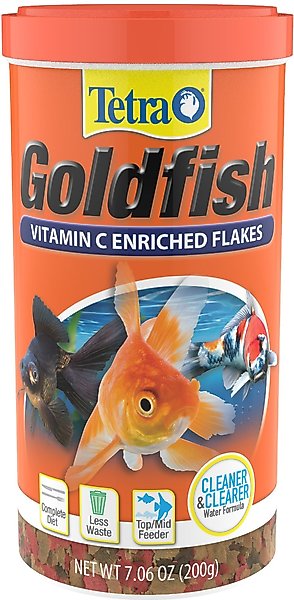
Pellets and flakes are popular commercial fish foods. They contain balanced nutrients for most freshwater fish. These foods are easy to store and feed.
Pellets sink slowly or float on water. Flakes float on the surface. Choose based on your fish’s feeding habits.
- Pellets: good for bottom and mid-level feeders
- Flakes: best for surface feeders
- Enriched with vitamins and minerals
- Easy to portion and store
Live And Frozen Foods
Live and frozen foods provide protein and natural nutrients. Many fish enjoy these as treats or main meals. They help simulate natural hunting behavior.
Common live foods include worms, brine shrimp, and daphnia. Frozen foods are similar but stored safely for convenience.
- Live: bloodworms, brine shrimp, daphnia
- Frozen: frozen versions of live foods
- High protein content
- Stimulates natural feeding instincts
Vegetable And Plant-based Options
Some freshwater fish eat vegetables and plants. These foods offer fiber and vitamins. They help improve digestion and color.
Common options include spinach, peas, zucchini, and algae wafers. These are good for herbivorous and omnivorous fish.
- Spinach: rich in vitamins
- Peas: help with digestion
- Zucchini: soft and easy to eat
- Algae wafers: great for algae eaters
Homemade Fish Food
Homemade fish food lets you control ingredients. You can mix proteins, vegetables, and vitamins. This option suits fish with special needs.
Common homemade foods use fish flakes, boiled vegetables, and shrimp. Freeze portions to keep fresh and safe.
- Mix protein sources like shrimp or fish
- Add cooked vegetables for nutrients
- Use gelatin to bind ingredients
- Store in small frozen portions
Feeding Frequency And Quantity
Feeding freshwater fish the right amount at the right time keeps them healthy. Too much or too little food can harm their growth.
Understanding how often and how much to feed helps maintain a balanced diet for your fish.
Daily Feeding Guidelines
Feed your fish small amounts two to three times a day. This matches their natural eating habits and keeps water clean.
- Feed only what fish can eat in 2–3 minutes.
- Use a variety of foods to provide all nutrients.
- Adjust quantity based on fish size and species.
- Observe fish behavior to tweak feeding times.
Avoiding Overfeeding
Overfeeding leads to poor water quality and fish health problems. Remove leftover food quickly to avoid decay.
| Problem | Effect | Solution |
| Too much food | Water pollution, algae growth | Feed less, remove leftovers |
| Uneaten food sinking | Tank dirtiness, fish illness | Clean tank regularly |
| Fish obesity | Weak immune system | Limit feeding amounts |
Signs Of Underfeeding
Fish that do not get enough food may show slow growth and weak colors. Watch for these signs to adjust feeding.
- Fish swim slowly or hide often
- Fins look dull or damaged
- Fish appear thin or smaller than usual
- Reduced activity and less response to feeding
Credit: www.chewy.com
Special Diets For Different Species
Freshwater fish have different food needs based on their species. Feeding them the right diet helps them stay healthy and active.
Knowing what each type of fish eats makes it easier to care for them. This guide covers diets for carnivorous, herbivorous, and omnivorous fish.
Carnivorous Fish Diet
Carnivorous fish eat mostly meat. They need food rich in protein to grow strong.
- Small insects and larvae
- Worms and crustaceans
- Small fish or fish flakes with high protein
Herbivorous Fish Diet
Herbivorous fish eat plants and algae. Their diet must include fiber and vitamins from plants.
| Food Type | Examples |
| Fresh Vegetables | Spinach, lettuce, peas |
| Algae | Algae wafers, natural pond algae |
| Plant-based Pellets | Special herbivore pellets |
Omnivorous Fish Diet
Omnivorous fish eat both plants and animals. Their diet must be balanced for good health.
Examples of foods for omnivorous fish:
- Flakes or pellets with mixed ingredients
- Vegetables like zucchini or cucumber
- Protein sources like brine shrimp or bloodworms
Common Diet-related Health Issues
A balanced diet is very important for freshwater fish health. Poor diet can cause many health problems. These issues affect fish growth and lifespan.
Understanding common diet-related problems helps fish owners prevent illness. Proper feeding keeps fish active and strong.
Nutrient Deficiencies
Nutrient deficiencies happen when fish do not get enough vitamins or minerals. This can cause weak bones, poor color, and slow growth.
Fish need protein, fats, vitamins, and minerals for good health. Lack of these nutrients leads to disease and poor immune response.
- Vitamin C deficiency causes bleeding and poor healing
- Protein lack slows growth and weakens muscles
- Calcium shortage leads to bone deformities
Digestive Problems
Digestive problems happen when fish eat the wrong food or too much. It can cause constipation, bloating, or swim bladder issues.
Poor digestion reduces nutrient absorption. Fish may lose weight and become weak if problems last long.
- Uneaten food can pollute water and harm fish
- Improper diet may cause gas and swelling
- Swim bladder issues affect swimming ability
Obesity And Overfeeding Effects
Overfeeding causes fish to become overweight. Obesity leads to fatty liver and shortens lifespan.
Extra food left in the tank also lowers water quality. This can increase disease risk for all fish.
- Obese fish swim less and eat less
- Extra fat builds up inside organs
- Overfeeding increases water pollution
Tips For Maintaining Water Quality
Maintaining water quality is crucial for the health of freshwater fish. A balanced diet plays a key role in this process.
Good water quality ensures a healthy environment for your fish. Follow these tips to keep the water clean and safe.
Impact Of Feeding On Water
Feeding fish too much can harm water quality. Uneaten food decays and releases harmful substances.
Feed fish only what they can eat in a few minutes. This prevents waste and keeps the water clean.
- Feed small amounts at regular times
- Remove uneaten food promptly
- Choose high-quality fish food
Cleaning And Filtration
Regular cleaning and filtration are vital for water quality. Filters remove waste and keep water clear.
Clean the tank and filter system weekly to prevent the buildup of harmful substances.
- Use a good quality filter
- Perform partial water changes weekly
- Clean the tank glass to remove algae
Balancing Diet And Environment
A balanced diet helps maintain a healthy environment. It supports fish health and reduces waste in the water.
Choose a diet that meets the nutritional needs of your fish. This ensures they stay healthy and active.
- Provide a variety of foods
- Ensure proper nutrition for each fish species
- Monitor fish health and adjust diet as needed

Credit: www.amazon.com
Frequently Asked Questions
What Is A Balanced Diet For Freshwater Fish?
A balanced diet for freshwater fish includes proteins, fats, vitamins, and minerals. It supports growth, health, and vibrant colors. Feeding a mix of pellets, flakes, and live or frozen foods ensures nutritional variety. Avoid overfeeding to maintain water quality and fish well-being.
How Often Should Freshwater Fish Be Fed?
Feed freshwater fish once or twice daily in small amounts. Overfeeding can pollute the tank and harm fish health. Observe fish behavior to adjust feeding frequency. Consistent feeding times help establish a routine and reduce stress for your fish.
Which Foods Are Best For Freshwater Fish Nutrition?
High-quality flakes, pellets, live or frozen brine shrimp, bloodworms, and vegetables are ideal. These foods provide essential proteins, fats, and vitamins. Avoid feeding only one type to prevent nutritional deficiencies. Variety ensures balanced nutrition and promotes fish vitality.
Can Overfeeding Harm Freshwater Fish Health?
Yes, overfeeding causes water pollution and digestive issues in fish. It leads to excess waste and algae growth in tanks. Feed only what fish consume in a few minutes. Proper portion control maintains water quality and fish longevity.
Conclusion
Feeding freshwater fish the right foods keeps them healthy and active. A balanced diet supports growth, color, and immune strength. Fresh, varied meals help fish avoid illnesses. Small, regular feedings suit their natural habits best. Remember, overfeeding harms fish and pollutes water.
Choose quality food that matches your fish species. Watch your fish closely to see how they react. Healthy fish make your aquarium a lively, beautiful place. Simple care and good diet create a happy home for your fish.