
Are you struggling to figure out how to feed yourself or your family in a way that truly supports health and energy? A balanced diet is more than just a buzzword—it’s the key to feeling your best every day.
But what exactly does eating a balanced diet mean, and how can you make it simple and practical? You’ll discover easy tips that fit into your busy life, helping you choose the right foods without stress. Keep reading to unlock the secrets of balanced diet feeding that will transform your meals and boost your wellbeing.
Benefits Of A Balanced Diet
A balanced diet gives your body the right nutrients. It helps you stay healthy and feel good every day.
Eating a variety of foods from all groups supports your body’s needs. It keeps your energy steady and your mind sharp.
Boosting Energy And Vitality
Balanced meals provide the fuel your body needs. Carbohydrates, proteins, and fats work together to keep energy levels up.
Eating regularly helps avoid energy drops. Nutritious food supports your daily activities and keeps you active.
- Whole grains give long-lasting energy
- Lean proteins help repair muscles
- Healthy fats support brain function
Improving Mental Health
Foods rich in vitamins and minerals help your brain work well. A balanced diet can lift your mood and reduce stress.
Omega-3 fatty acids, found in fish, support brain health. Fruits and vegetables provide antioxidants that protect brain cells.
- Vitamin B supports nerve function
- Minerals like magnesium help calm the mind
- Antioxidants reduce brain inflammation
Strengthening Immunity
A balanced diet strengthens your immune system. Nutrients help your body fight infections and heal faster.
Vitamin C, zinc, and protein play key roles in immunity. Eating a mix of healthy foods keeps your defenses strong.
- Vitamin C from citrus fruits boosts white blood cells
- Zinc supports cell growth and repair
- Protein builds antibodies to fight germs
Supporting Weight Management
Balanced diets help control weight by providing needed nutrients without extra calories. They keep hunger in check.
Eating fiber-rich foods aids digestion and makes you feel full longer. This helps avoid overeating and unhealthy snacking.
- Fruits and vegetables add volume with few calories
- Whole grains slow digestion and control appetite
- Protein supports muscle and burns more calories

Credit: www.letsabooks.com
Key Components Of Balanced Meals
A balanced diet includes different types of nutrients. These nutrients help your body stay healthy and strong.
Eating a mix of proteins, carbohydrates, fats, vitamins, minerals, and water supports daily activities and growth.
Proteins For Muscle And Repair
Proteins build and repair muscles and tissues. They also help make enzymes and hormones.
Good protein sources include meat, fish, eggs, beans, and nuts.
- Chicken and turkey
- Fish like salmon and tuna
- Eggs and dairy products
- Beans, lentils, and peas
- Nuts and seeds
Carbohydrates For Energy
Carbohydrates give your body energy to work and play. They break down into glucose, which fuels your brain and muscles.
Choose whole grains and vegetables for longer-lasting energy.
- Whole wheat bread and pasta
- Brown rice and oats
- Fruits like apples and bananas
- Vegetables such as carrots and broccoli
Healthy Fats And Their Roles
Healthy fats help your brain work well. They also keep your skin and hair healthy.
Include sources like olive oil, avocados, and fish in your meals.
- Olive and canola oils
- Avocados and nuts
- Fatty fish like salmon and mackerel
- Seeds such as chia and flaxseeds
Vitamins And Minerals Essentials
Vitamins and minerals keep your body working well. They help with growth, healing, and energy use.
Eat a variety of colorful fruits and vegetables to get enough vitamins and minerals.
- Vitamin C in oranges and strawberries
- Calcium in milk and cheese
- Iron in spinach and red meat
- Vitamin A in carrots and sweet potatoes
Hydration And Its Importance
Water keeps your body cool and helps digestion. It also carries nutrients to your cells.
Drink water regularly throughout the day. Avoid sugary drinks and limit caffeine.
- Drink at least 8 cups of water daily
- Eat fruits with high water content like watermelon
- Carry a water bottle to stay hydrated
Meal Planning Strategies
Planning your meals helps you eat healthy and save time. It lets you control what and how much you eat each day.
Good meal planning includes choosing the right portions, adding variety, prepping ahead, and balancing nutrients.
Portion Control Tips
Eating the right amount keeps your energy steady and helps maintain a healthy weight. Use your hand to measure portions.
- A palm-sized portion of protein
- A fist of vegetables or salad
- A cupped hand of carbs like rice or pasta
- A thumb-sized amount of fats like nuts or oils
Incorporating Variety
Eating different foods gives your body many nutrients. Try to add colors and types of food to your meals.
| Food Group | Examples |
| Vegetables | Broccoli, carrots, spinach |
| Fruits | Apples, berries, oranges |
| Proteins | Chicken, beans, fish |
| Grains | Brown rice, oats, quinoa |
| Dairy | Yogurt, cheese, milk |
Meal Prep For Busy Schedules
Preparing meals in advance saves time and helps you stick to your diet. Use simple tools like containers and labels.
- Cook large batches of grains and proteins
- Chop vegetables and store in airtight containers
- Plan meals for the whole week
- Keep healthy snacks ready to grab
Balancing Macros Effectively
Macros are protein, carbs, and fats. Balance them to get energy and build your body.
| Macro | Purpose | Good Sources |
|---|---|---|
| Protein | Builds muscles and repairs tissue | Chicken, beans, tofu |
| Carbohydrates | Provides energy | Rice, potatoes, fruits |
| Fats | Supports cells and hormones | Avocado, nuts, olive oil |
Healthy Eating Habits
Eating healthy helps your body get the nutrients it needs. Good habits make it easier to stay fit and feel well every day.
Simple changes in how you eat can improve your health. This guide covers tips for balanced diet feeding.
Mindful Eating Techniques
Pay attention to your food while eating. Eat slowly and enjoy each bite. This helps you notice when you feel full.
- Turn off screens during meals
- Chew food well before swallowing
- Listen to your hunger and fullness signals
- Focus on the taste and texture of your food
Avoiding Processed Foods
Processed foods often have added sugar, salt, and fat. These can harm your health if eaten too much.
Choose whole foods like fruits, vegetables, and grains. They give you more vitamins and minerals.
Snacking Smartly
Snacks can keep your energy up between meals. Pick healthy snacks that give nutrients, not empty calories.
- Choose fruits, nuts, or yogurt
- Avoid chips and sweets often
- Watch portion sizes to avoid overeating
- Drink water instead of sugary drinks
Reading Nutrition Labels
Nutrition labels help you understand what is in your food. Look for key information to make good choices.
| Label Item | What to Check | Why It Matters |
| Calories | Amount per serving | Helps control energy intake |
| Sugar | Added and total sugar | High sugar can cause health issues |
| Fiber | Grams per serving | Good for digestion and fullness |
| Sodium | Amount per serving | Too much salt can raise blood pressure |
Adjusting Diet For Special Needs
A balanced diet is important for everyone. Some people need to change their diet to meet special needs.
Adjusting what you eat helps keep your body strong and healthy in different situations.
Diet For Active Lifestyles
People who exercise or work hard need more energy from food. They need to eat more healthy carbs and proteins.
Drinking water and eating foods rich in vitamins and minerals helps keep energy levels up.
- Include whole grains like brown rice or oats
- Eat lean proteins such as chicken or beans
- Choose fruits and vegetables for vitamins
- Drink plenty of water throughout the day
Feeding Children And Teens
Growing kids need foods that help their body and brain develop. Balanced meals with all food groups are best.
Limit sugary snacks and offer healthy choices often to build good eating habits early.
- Offer dairy or alternatives for strong bones
- Include colorful fruits and vegetables daily
- Provide whole grains for steady energy
- Limit fast food and sugary drinks
Managing Food Allergies
Food allergies need careful eating to avoid reactions. Read labels and know safe foods well.
Substitute allergen foods with nutritious alternatives to keep meals balanced and safe.
- Use almond or oat milk instead of cow’s milk
- Try quinoa or rice for gluten-free grains
- Choose fruits and vegetables as snacks
- Consult a doctor for allergy-friendly diet plans
Considerations For Seniors
Older adults need foods that support bone health and digestion. Smaller, frequent meals may help.
Focus on nutrient-rich foods and stay hydrated to maintain strength and energy.
- Eat calcium-rich foods like yogurt and leafy greens
- Include fiber from whole grains and vegetables
- Drink water regularly to avoid dehydration
- Limit salt and sugar intake
Common Myths And Facts
A balanced diet is important for good health. However, many myths make it confusing. Here, we will explore some common myths and facts about balanced diets.
Understanding these myths can help you make better food choices. Let’s look at some myths and the real facts about them.
Debunking Popular Diet Myths
Many people believe eating fat makes you fat. This is not true. Your body needs healthy fats to function well. Fats give you energy and support cell growth.
Another myth is that skipping meals helps you lose weight. Skipping meals can actually slow down your metabolism. Eating regular meals keeps your energy levels steady.
- Fat is necessary for energy
- Skipping meals slows metabolism
- Healthy eating includes fats
Clarifying Misconceptions About Fats
Not all fats are bad. Some fats are good for your heart. These include unsaturated fats found in olive oil and nuts.
Saturated fats should be eaten in small amounts. They are found in butter and fatty meats. Trans fats, often in processed foods, should be avoided.
- Unsaturated fats are heart-healthy
- Saturated fats should be limited
- Trans fats are unhealthy
Truth About Carbohydrates
Carbohydrates are often blamed for weight gain. This is a myth. Carbs are important for energy. Whole grains, fruits, and vegetables are good sources.
Simple carbs like sugar can cause weight gain if eaten too much. Choose complex carbs for long-lasting energy.
- Carbs give energy
- Whole grains are best
- Limit simple sugars
Tips For Staying Motivated
Maintaining a balanced diet can be challenging. Motivation is key to staying on track. Here are some tips to help you stay motivated.
These tips will guide you through setting goals, tracking your progress, finding support, and celebrating achievements.
Setting Realistic Goals
Start with small, achievable goals. This makes the process less overwhelming. Set goals that fit your lifestyle and daily routine.
Make a plan that includes what you will eat and when. Adjust your goals as you progress to keep them challenging but attainable.
Tracking Progress
Tracking your progress helps keep you motivated. You can use a journal or an app to record your meals and feelings.
Seeing your progress on paper or screen can boost your confidence. It reminds you of how far you have come.
Finding Support Systems
Having a support system is crucial. Friends, family, or online communities can provide encouragement and advice.
Share your goals with them. They can help you stay accountable and motivated.
Celebrating Small Wins
Celebrate every small win. It keeps you motivated and focused on your journey.
Rewards can be simple, like treating yourself to a favorite activity. Recognizing success boosts your morale and confidence.
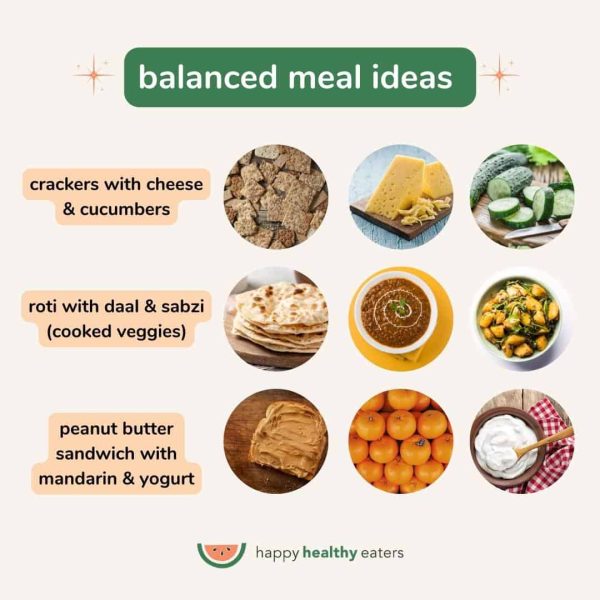
Credit: happyhealthyeaters.com
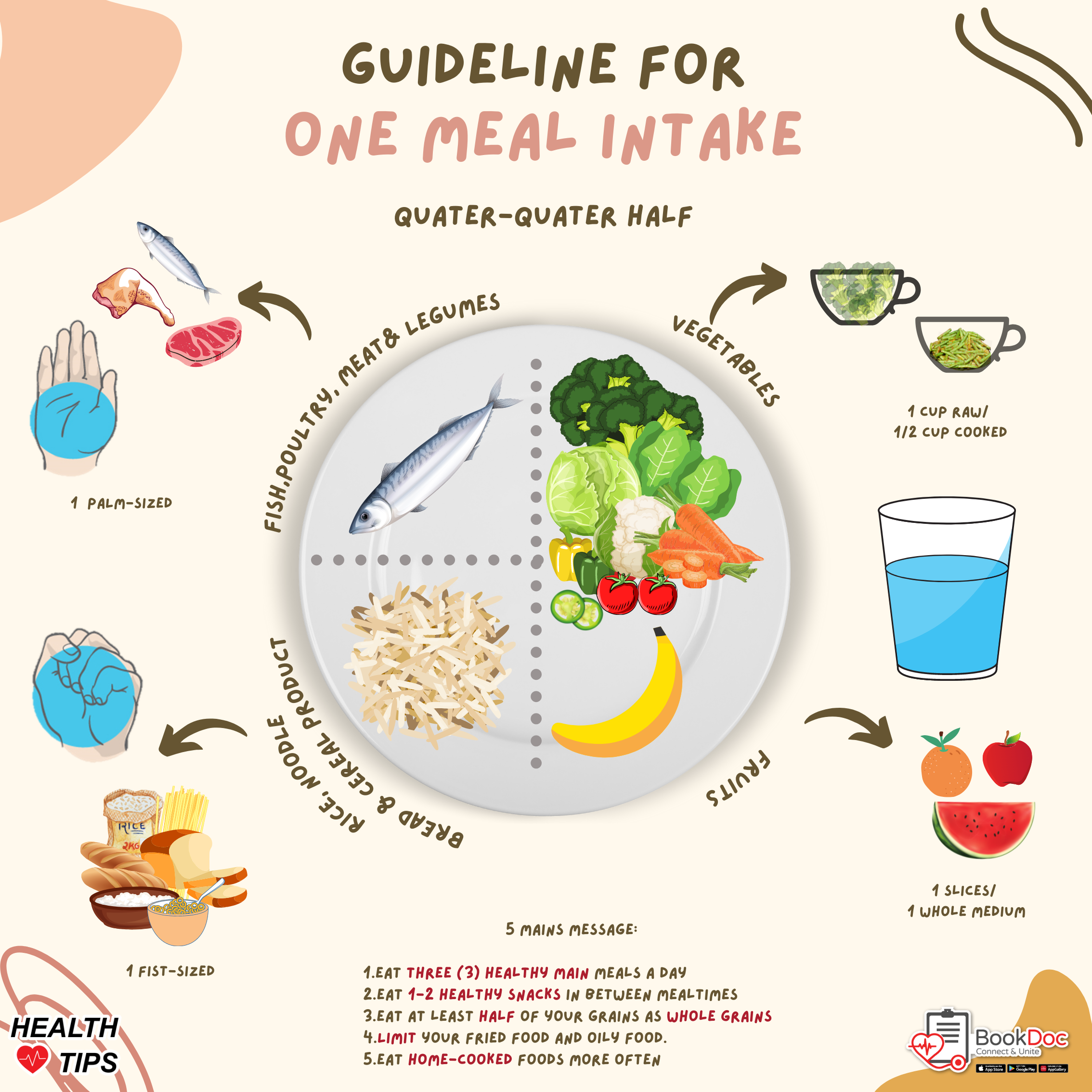
Credit: www.bookdoc.com
Frequently Asked Questions
What Is A Balanced Diet And Why Is It Important?
A balanced diet includes all essential nutrients in correct amounts. It supports overall health, boosts energy, and prevents diseases. Eating varied foods ensures your body gets vitamins, minerals, proteins, fats, and carbohydrates. This promotes proper growth and maintains body functions effectively.
How Can I Create Balanced Meals Daily?
To create balanced meals, include vegetables, proteins, whole grains, and healthy fats. Use portion control to avoid overeating. Plan meals with colorful fruits and vegetables to get diverse nutrients. Drinking water regularly is also key for hydration and digestion.
What Are Easy Tips For Feeding Picky Eaters A Balanced Diet?
Offer small portions of new foods alongside favorites. Encourage tasting without pressure and involve kids in meal prep. Use creative presentations and mix flavors to make meals appealing. Consistency and patience help picky eaters accept balanced diets over time.
How Does Meal Timing Affect Balanced Diet Benefits?
Eating at regular intervals stabilizes blood sugar and improves metabolism. Skipping meals can lead to overeating later and nutrient gaps. Aim for three balanced meals and healthy snacks if needed. This supports energy levels and nutrient absorption throughout the day.
Conclusion
A balanced diet keeps your body healthy and strong. Choose a variety of foods every day. Include fruits, vegetables, proteins, and whole grains. Drink plenty of water to stay hydrated. Avoid too much sugar and processed foods. Small changes make a big difference over time.
Stay consistent and enjoy tasty, nutritious meals. Your body will thank you with more energy and better health. Simple steps lead to lifelong good habits. Keep feeding your body well for a happy life.