
Summer heat can sneak up on you faster than you expect. When the temperature rises, your body works harder to keep cool, and overheating becomes a real risk.
If you’ve ever felt dizzy, tired, or just plain drained on a hot day, you know how important it is to stay ahead of the heat. You’ll discover simple, effective ways to protect yourself and keep your energy up, no matter how high the mercury climbs.
Keep reading to learn how to enjoy your summer safely and comfortably.
Recognize Heat Risks
Summer heat can cause serious health problems. Knowing the risks helps you stay safe.
Heat affects your body in many ways. Learn to spot signs of overheating early.
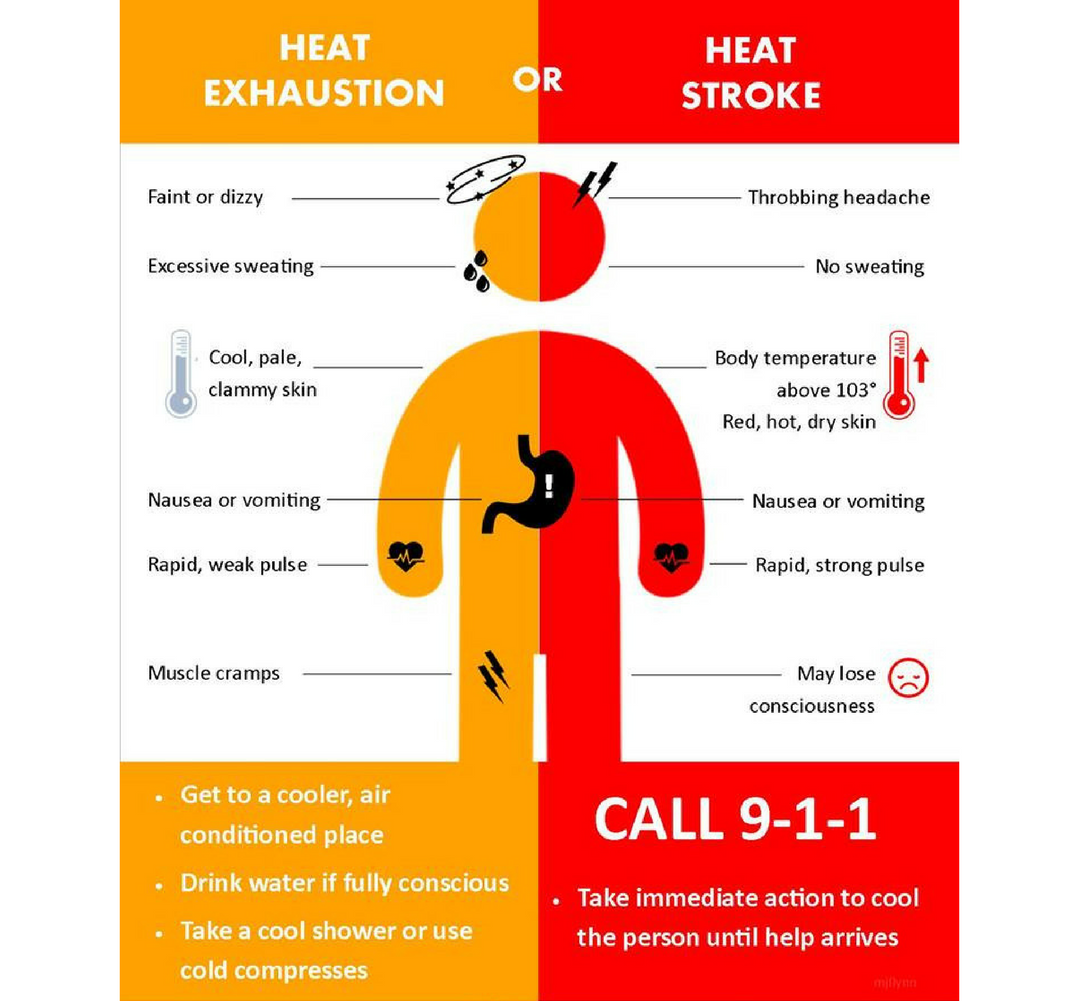
Symptoms Of Overheating
When your body gets too hot, it shows warning signs. Recognize these symptoms quickly.
- Heavy sweating or no sweating at all
- Feeling dizzy or weak
- Headache and nausea
- Rapid heartbeat or breathing
- Muscle cramps or confusion
High-risk Groups
Some people are more likely to get heat-related illnesses. They need extra care in heat.
- Older adults and seniors
- Young children and babies
- People with heart or lung problems
- Those working or exercising outdoors
- People who take certain medicines
Credit: www.ksby.com
Smart Hydration Habits
Staying hydrated is key to avoiding overheating in summer. Drinking enough water helps your body cool down.
Smart hydration means choosing the right fluids and drinking at the right times. These habits keep you safe and healthy.
Choosing The Right Fluids
Water is the best drink to stay hydrated. It quickly replaces fluids lost through sweat.
Avoid drinks with too much sugar or caffeine. They can make you lose more water.
- Plain water is the safest choice
- Electrolyte drinks help if you sweat a lot
- Avoid alcohol and sugary sodas
- Herbal teas can be good when cooled
Hydration Timing Tips
Drink fluids regularly throughout the day. Do not wait until you feel thirsty.
Start your day with a glass of water. Keep sipping small amounts often to stay balanced.
- Drink before, during, and after outdoor activities
- Have water with every meal and snack
- Carry a water bottle to remind yourself
- Increase fluids if you feel hot or sweaty
Cooling Your Environment
Summer heat can make your home uncomfortable. Cooling your environment helps keep you safe and relaxed.
Simple changes around your house can lower the temperature inside. Let’s look at how fans, air conditioners, and shade help.
Effective Use Of Fans And Ac
Fans move air to help sweat evaporate and cool your skin. Use ceiling or portable fans to increase airflow.
Air conditioners cool the air by removing heat. Set your AC to a comfortable temperature, not too cold.
- Place fans near windows for fresh air
- Use ceiling fans to circulate cool air
- Keep AC filters clean for better cooling
- Close doors and windows when AC is on
- Use a timer to save energy
Creating Shade Indoors And Outdoors
Shade blocks sunlight and lowers heat inside and outside your home. Use curtains, blinds, or shades on windows.
Outside, plant trees or use umbrellas and awnings to create cool spots. Shade prevents direct sun from heating walls and floors.
- Close curtains during peak sun hours
- Use light-colored window coverings to reflect heat
- Install outdoor umbrellas or canopies
- Plant trees near windows for natural shade
- Use shade sails on patios or decks
Dressing For Heat
Wearing the right clothes helps keep your body cool in hot weather. Choose fabrics and colors that let heat escape and sunlight reflect.
This guide shows how to pick breathable fabrics and colors that reduce heat during summer.
Selecting Breathable Fabrics
Choose fabrics that allow air to pass through. This helps sweat dry quickly and cools your skin.
- Cotton is soft and lets air flow well.
- Linen is lightweight and dries fast.
- Lightweight blends can offer breathability and durability.
- Avoid synthetic fabrics like polyester that trap heat.
Color Choices To Stay Cool
Light colors reflect sunlight and keep you cooler. Dark colors absorb heat and make you feel hotter.
| Color | Effect in Sun |
|---|---|
| White | Reflects most sunlight |
| Beige | Reflects sunlight well |
| Pastel Colors | Reflect some sunlight |
| Black | Absorbs most heat |
| Navy Blue | Absorbs heat |
Adjusting Activity Levels
Summer heat can cause your body to overheat quickly. Adjusting how and when you do activities helps keep you safe.
Pay attention to your body’s needs and choose the best times to be active. This reduces the risk of heat-related problems.
Best Times For Outdoor Activities
Early mornings and late evenings are cooler and safer for outdoor activities. Avoid the midday sun when temperatures peak.
- Exercise before 9 AM or after 6 PM
- Take breaks in shaded or cool areas
- Wear light and breathable clothing
- Drink water often to stay hydrated
Signs To Rest And Cool Down
Know your body’s signals to stop and rest. Ignoring these signs can lead to serious overheating.
| Sign | Description |
| Heavy Sweating | Body tries to cool down but may lose too much water |
| Dizziness | Feeling faint or lightheaded |
| Rapid Heartbeat | Heart beats faster to cool the body |
| Muscle Cramps | Pain or tightness in muscles from heat stress |
| Confusion | Difficulty thinking clearly or staying focused |
Credit: x.com
Nutrition Tips For Hot Days
Eating the right foods helps keep your body cool in summer. Choose meals that refresh and energize.
These nutrition tips will help you enjoy hot days without overheating. Stay comfortable and hydrated.
Light And Cooling Foods
Light foods are easier to digest. They help your body stay cool. Eating heavy foods can raise body temperature.
Fruits and vegetables are great choices. They are full of water and nutrients.
- Watermelon is hydrating and sweet.
- Cucumbers are refreshing and low-calorie.
- Salads with leafy greens keep you cool.
Avoiding Heat-generating Meals
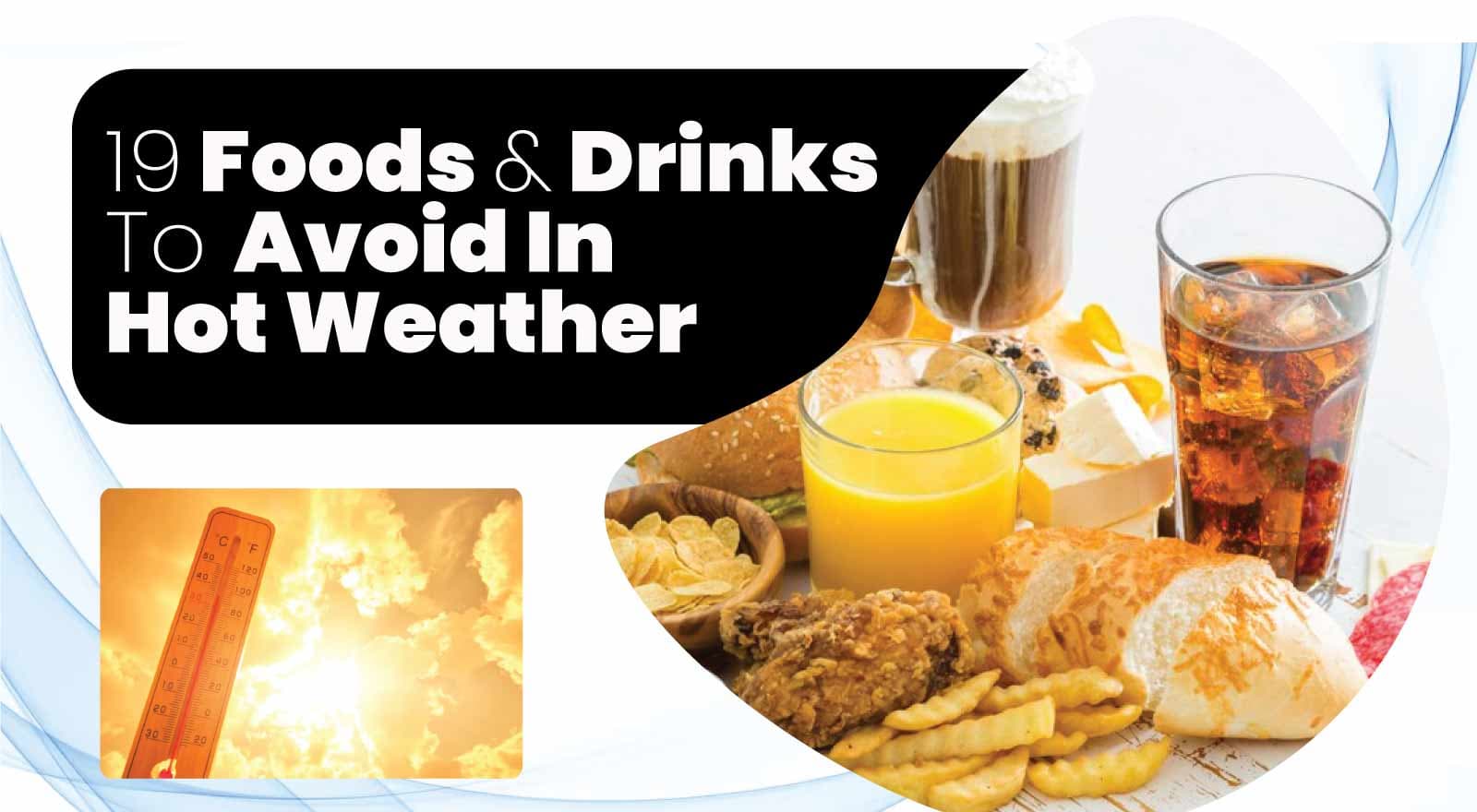
Some foods generate heat in your body. Spicy and fried foods can make you feel warmer.
Limit foods that are high in protein and fat. They take more energy to digest.
- Avoid spicy dishes to keep cool.
- Choose grilled foods instead of fried.
- Limit red meats and choose lighter proteins.
Protecting Skin And Eyes
Summer sun can be fun but also harmful. Protecting your skin and eyes is important. Learn simple ways to stay safe and enjoy the sunshine.
Use the right methods to shield your skin and eyes from harmful sun rays. Here are some easy tips to help you stay protected.
Sunblock Application Tips
Sunblock is your best friend in summer. Apply it to prevent skin damage. Know the correct way to use it for the best protection.
- Choose a broad-spectrum sunblock with at least SPF 30.
- Apply 15 minutes before going outside.
- Reapply every two hours or after swimming.
- Don’t forget to cover ears, neck, and feet.
Choosing The Right Sunglasses
Sunglasses protect your eyes from harmful UV rays. Choosing the right pair is key to keeping your eyes safe and healthy.
Look for sunglasses that block 100% of UV rays. They should be comfortable and fit well to provide full protection.
- Pick sunglasses labeled with 100% UV protection.
- Choose wrap-around styles for side coverage.
- Make sure they fit snugly on your nose and ears.
- Consider polarized lenses to reduce glare.
Credit: toneopfit.com
Emergency Actions For Overheating
Overheating in hot weather can be dangerous. Acting quickly can save lives and prevent serious health problems.
Knowing what to do right away helps cool the body and avoid heat stroke or other heat-related illnesses.
Immediate Cooling Techniques
Start cooling the person immediately if they feel very hot or dizzy. Move them to a cooler place away from the sun.
Remove extra clothing to help heat leave the body faster. Use water or cool cloths on the skin to lower the temperature.
- Place the person in shade or air conditioning
- Apply cool, wet cloths to the neck, armpits, and wrists
- Use a fan to help evaporate sweat
- Give small sips of water if the person is awake and able to swallow
- Do not use very cold water or ice directly on the skin
When To Seek Medical Help
Call for medical help if symptoms get worse or do not improve after cooling. Heat stroke needs urgent treatment by professionals.
Look for signs like confusion, fainting, high body temperature, or seizures. These require emergency care immediately.
- Body temperature above 103°F (39.4°C)
- Unconsciousness or inability to wake up
- Severe headache or dizziness
- Rapid heartbeat or breathing
- Vomiting or seizures
Frequently Asked Questions
How Can I Prevent Overheating During Hot Summer Days?
Stay hydrated by drinking plenty of water. Wear lightweight, loose clothing. Avoid direct sunlight during peak hours. Use fans or air conditioning to cool down indoor spaces. Taking cool showers can also help regulate body temperature.
What Are The Early Signs Of Heat Exhaustion?
Early signs include heavy sweating, weakness, dizziness, headache, and nausea. If you notice these symptoms, move to a cooler place immediately. Drink water and rest to prevent worsening. Seek medical help if symptoms persist or worsen.
Which Foods Help Avoid Overheating In Summer?
Eat water-rich fruits like watermelon, cucumber, and oranges. These foods hydrate and cool the body naturally. Avoid heavy, greasy meals that increase body heat. Light salads and smoothies are good options during hot weather.
How Does Clothing Choice Affect Body Temperature In Summer?
Wearing light-colored, loose-fitting clothes helps reflect sunlight and allows airflow. Natural fabrics like cotton absorb sweat and keep skin cool. Avoid dark, tight clothing as it traps heat and increases body temperature.
Conclusion
Staying cool in summer is key to feeling good and safe. Drink water often and avoid staying too long in the sun. Wear light clothes and find shade when you can. Use fans or air conditioning to keep your home cool.
Remember to check on family and friends during hot days. Small steps help prevent heat problems and keep you healthy. Take care of your body and enjoy the summer safely.