
Are you tired of worrying about feeding your marine fish on time every day? Automatic feeders for marine fish can take that stress off your shoulders.
Imagine never missing a feeding, even when you’re busy or away. These devices make caring for your underwater friends easier and more reliable. You’ll discover how automatic feeders can improve your fish’s health and simplify your routine. Keep reading to find out why this small investment can make a big difference for you and your marine aquarium.
Benefits Of Automatic Feeders
Automatic feeders help marine fish owners feed their fish regularly. They deliver food on time without needing to be there.
These devices improve fish care by keeping a good feeding routine. They make fish tanks easier to manage for busy owners.
Consistent Feeding Schedule
Automatic feeders provide food at the same time every day. This regular schedule helps fish stay healthy and active.
Fish need steady feeding to avoid hunger or overeating. The feeder keeps this balance without errors.
Reduced Stress For Fish
Feeding at fixed times lowers fish stress. They learn when to expect food and feel more comfortable.
Less stress means fish have better immune systems. It helps them grow stronger and live longer.
Time-saving For Owners
Automatic feeders save owners time by handling daily feeding. This frees up time for other tasks or hobbies.
Owners can also go on short trips without worrying about fish food. The feeder works even when they are away.
Types Of Automatic Feeders
Automatic feeders help feed marine fish without daily effort. They release food at set times and amounts.
There are different types of automatic feeders. Each type works in a unique way to deliver food.
Rotary Feeders
Rotary feeders use a spinning drum or wheel to release food. The drum has slots that hold the food pellets.
As the drum turns, it drops food into the tank. You can set how often and how much food is released.
- Good for small to medium fish tanks
- Works best with dry pellet food
- Easy to adjust feeding schedule
Auger Feeders
Auger feeders use a screw-like mechanism to push food out slowly. The auger turns inside a tube filled with food.
This type works well for fine flakes or powder food. The flow of food can be controlled by the auger speed.
- Good for small and large tanks
- Feeds flakes, powders, or small pellets
- Precise control of food amount
Gravity Feeders
Gravity feeders drop food using the force of gravity. Food slowly falls from a container through a small opening.
This type is simple and works without power. It is best for larger pellets or flakes that flow well.
- No batteries or electricity needed
- Easy to refill and clean
- Good for consistent, slow feeding
Choosing The Right Feeder
Automatic feeders help keep marine fish healthy by giving food on time. Picking the right feeder is key for your tank.
Many factors affect which feeder works best. Learn what to check before buying.
Tank Size And Fish Type
Tank size affects how much food your fish need. Small tanks need smaller feeders.
Different fish eat different foods. Choose feeders that fit your fish’s diet and size.
- Small tanks (under 20 gallons) use compact feeders
- Large tanks need feeders with bigger food storage
- Herbivores prefer flakes or pellets feeders
- Carnivores need feeders that can handle frozen or live food
Feed Type Compatibility
Not all feeders work with every food type. Check if the feeder matches your feed.
Some feeders only work with dry food like flakes or pellets. Others can feed frozen or live food.
- Dry food feeders are common and easy to use
- Multi-feed feeders handle different food types
- Frozen food feeders need special trays or compartments
- Choose a feeder that keeps food fresh and dry
Power Sources And Battery Life
Feeders use batteries or electric power. Battery life affects how long the feeder works without charging.
Pick a feeder with a power source that fits your setup and feeding schedule.
- Battery-powered feeders offer easy placement
- Electric feeders need a nearby power outlet
- Long battery life reduces how often you change batteries
- Some feeders have low battery alarms for safety
Installation And Setup Tips
Automatic feeders help keep marine fish healthy with regular meals. Setting them up correctly ensures your fish get the right amount of food.
Follow easy steps for placement, programming, and maintenance to get the best results from your feeder.
Placement Strategies
Place the feeder where it can deliver food evenly across the tank. Avoid spots near strong water currents that may wash away food.
- Mount the feeder above the tank to prevent water damage
- Keep it away from direct sunlight to avoid overheating
- Ensure easy access for refilling and cleaning
- Check that the feeder does not block tank lighting or filters
Programming Feeding Times
Set feeding times based on your fish’s needs. Most fish do well with two to three feedings a day.
| Feeding Frequency | Recommended Times |
| Twice Daily | Morning and Evening |
| Three Times Daily | Morning, Midday, Evening |
| Once Daily | Evening Only |
Adjust portion sizes to avoid overfeeding. Small, frequent meals keep fish healthy and the water clean.
Maintenance And Cleaning
Regular cleaning keeps your feeder working well. Build-up of food can cause jams or mold growth.
- Clean the feeder bowl and food container every week
- Check batteries or power supply often
- Inspect moving parts for wear and tear
- Test the feeder after cleaning to ensure proper operation
Common Issues And Solutions
Automatic feeders help keep marine fish fed on time. They reduce daily feeding work for fish owners.
Sometimes these feeders have problems. Knowing common issues can help fix them fast.
Feed Jamming
Feed jamming happens when food gets stuck inside the feeder. It stops food from dropping properly.
- Check for wet or clumped food that blocks the mechanism.
- Clean the feeder regularly to remove dust and debris.
- Use dry, small-sized pellets to avoid clogs.
- Make sure the feeder is level and stable to prevent feed shifting.
Inaccurate Dispensing
Sometimes the feeder releases too much or too little food. This can harm fish or waste food.
| Cause | Solution |
| Wrong portion setting | Adjust the portion size on the feeder |
| Worn dispenser parts | Replace or repair damaged components |
| Feed type mismatch | Use food recommended for the feeder |
| Power issues | Check batteries or power supply |
Battery Failures
Battery failure stops the feeder from working. Fish may miss meals without power.
- Use fresh batteries and replace them regularly.
- Test batteries before long trips or vacations.
- Consider using rechargeable batteries with a charger.
- Keep the feeder clean to avoid extra power drain.
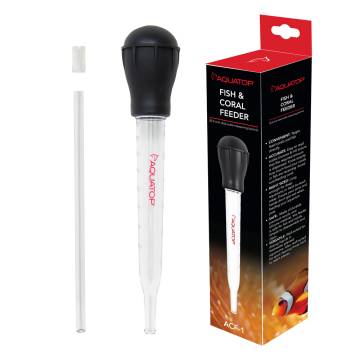
Credit: www.aquatop.com
Enhancing Fish Health With Feeders
Automatic feeders are useful for keeping marine fish healthy. They help manage feeding times and portions, benefiting fish health.
These devices ensure fish receive food regularly, which is important for their well-being. The right amount of food keeps fish active and healthy.
Preventing Overfeeding
Overfeeding can harm fish and pollute the tank. Automatic feeders help control the amount of food given.
Feeding schedules prevent excess food from sinking and rotting. This maintains a clean environment for the fish.
- Set specific feeding times
- Adjust portions for different fish species
- Reduce waste in the tank
Ensuring Nutritional Balance
Automatic feeders can hold varied food types. This ensures fish get a balanced diet with all needed nutrients.
Different foods provide proteins, vitamins, and minerals. Proper nutrition supports fish growth and immune health.
- Include pellets and flakes
- Add supplements for vitamin intake
- Rotate food types weekly
Monitoring Fish Behavior
Automatic feeders allow you to observe fish patterns. Consistent feeding times help track their health and activity.
Observing fish behavior indicates their well-being. Active fish usually mean a healthy tank environment.
- Watch fish during feeding
- Note any changes in activity
- Identify possible health issues early
Popular Brands And Models
Automatic feeders for marine fish help you manage feeding time. They ensure your fish are fed when you can’t do it yourself.
There are many brands and models available. Each offers unique features to suit different needs and budgets.
Top-rated Feeders
Top-rated feeders are known for reliability and ease of use. They often come with programmable timers and large capacities.
- Eheim Everyday Fish Feeder
- Fish Mate F14 Aquarium Fish Feeder
- Zoo Med BettaMatic Automatic Daily Betta Feeder
Budget-friendly Options
Budget-friendly feeders are great for beginners. They are simple to use and affordable.
| Brand | Model | Price Range |
| NICREW | Automatic Fish Feeder | $10 – $20 |
| Proche | Digital Automatic Fish Feeder | $15 – $25 |
| UPSKY | Automatic Fish Feeder | $12 – $22 |
Advanced Features
Advanced feeders offer more control. They include features like Wi-Fi connectivity and app integration.
Some models allow you to feed your fish remotely. This is perfect for those who travel often.

Credit: www.amazon.ca

Credit: www.amazon.com
Frequently Asked Questions
What Are Automatic Feeders For Marine Fish?
Automatic feeders are devices that dispense food to marine fish at scheduled times. They ensure consistent feeding without manual effort. These feeders help maintain fish health by providing precise food portions regularly, reducing overfeeding and waste in marine aquariums.
How Do Automatic Feeders Benefit Marine Fish Tanks?
They provide consistent feeding schedules that promote fish health and growth. Automatic feeders prevent overfeeding and water contamination by controlling food quantity. They also save time for aquarium owners, ensuring fish get food even during absences.
Can Automatic Feeders Handle Different Types Of Fish Food?
Yes, many automatic feeders are designed to handle flakes, pellets, and granules. Some advanced models accommodate various food sizes and types, making them versatile for different marine fish diets. Always check compatibility before purchasing.
Are Automatic Feeders Easy To Program And Maintain?
Most automatic feeders feature user-friendly interfaces for easy programming. Maintenance usually involves regular cleaning and refilling food compartments. Proper upkeep ensures reliable operation and extends the feeder’s lifespan.
Conclusion
Automatic feeders help keep marine fish healthy and fed on time. They save you effort and prevent overfeeding. These devices work well for busy fishkeepers and those who travel. Choosing the right feeder depends on your tank size and fish type.
Regular checks ensure the feeder works properly. This simple tool supports a balanced aquarium environment. Give your marine fish steady care with automatic feeders.