
Are you tired of constantly worrying about feeding your juvenile fish on time? Keeping young fish healthy and growing requires regular, precise feeding.
But life gets busy, and missing a meal can affect your tank’s balance and your fish’s well-being. That’s where automatic feeders for juvenile tanks come in. They take the guesswork out of feeding, giving you peace of mind and your fish the care they deserve.
You’ll discover how these devices can make your life easier and your tank healthier. Keep reading to find out everything you need to know about choosing and using automatic feeders for your juvenile tanks.
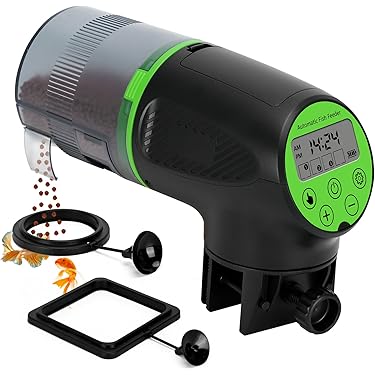
Credit: www.amazon.ca
Benefits Of Automatic Feeders
Automatic feeders help keep juvenile fish tanks fed without daily effort. They ensure fish get the right amount of food on time.
Using automatic feeders can improve fish health and make tank care easier for hobbyists and professionals.
Consistent Feeding Schedules
Automatic feeders deliver food at the same time every day. This regularity supports healthy growth for juvenile fish.
Consistent feeding helps prevent overfeeding and underfeeding. Fish stay strong and active with a steady diet.
Reduced Stress For Juvenile Fish
Feeding at set times lowers stress in young fish. They learn when to expect food and feel secure in their environment.
Stress reduction helps juvenile fish develop better immunity and reduces the chance of illness.
Time-saving Convenience
Automatic feeders save time by removing the need for daily manual feeding. This is helpful for busy fish keepers.
You can focus on other tasks while the feeder handles the food. It also helps when you are away from home.
Types Of Automatic Feeders
Automatic feeders help deliver food to juvenile tanks without manual effort. They keep feeding consistent and save time for fish caretakers.
There are different types of automatic feeders. Each type has its own way to store and release food for young fish.
Rotary Wheel Feeders
Rotary wheel feeders use a spinning wheel to drop food into the tank. The wheel has compartments that hold small amounts of feed.
- The wheel turns at set times to release food.
- It works well for pellet or crumb feed.
- The amount of food can be adjusted by changing wheel speed or compartment size.
- This feeder reduces overfeeding and waste.
Auger-based Feeders
Auger-based feeders use a spiral screw to move food from the hopper to the tank. The screw rotates inside a tube to push feed out.
| Feature | Description |
| Feed Type | Pellets, flakes, or granules |
| Feed Amount Control | Speed of auger rotation |
| Feeding Precision | High, with even distribution |
| Maintenance | Regular cleaning of auger and hopper |
Gravity Feeders
Gravity feeders drop food by allowing it to fall naturally from a container. The food flows through an opening at the bottom.
- Simple design with no moving parts
- Best for slow feeders and small tanks
- Food flow may vary with humidity and food type
- Easy to refill and clean
Choosing The Right Feeder For Juvenile Tanks
Automatic feeders help keep juvenile fish healthy by giving the right amount of food. Picking the right feeder makes feeding easier and prevents overfeeding.
Not all feeders work well with every tank. You need to think about the tank and the fish before choosing a feeder.
Tank Size And Stocking Density
Tank size affects how much food your fish need. Small tanks need smaller feeders to avoid too much food. Large tanks may need bigger feeders or more feeding points.
Stocking density means how many fish are in the tank. More fish need more food, so feeders must hold enough food and feed often.
- Small tanks: feeders with small capacity work best
- Large tanks: choose feeders with larger food storage
- High stocking: feeders that feed multiple times daily help
Feed Type Compatibility
Different feeders work with different food types. Some feeders handle flakes or pellets well. Others are better for frozen or live food.
Choose a feeder that matches the food your juvenile fish eat. Using the wrong feeder can waste food or harm the fish.
- Pellet feeders work best for dry pellets and granules
- Flake feeders handle small flakes without crushing them
- Some feeders can be adjusted for multiple food types
Adjustability And Programming Features
Good feeders let you set feeding times and amounts. This helps you feed the right amount of food at regular intervals.
Look for feeders with easy programming. You want to change settings as fish grow or tank needs change.
- Multiple daily feedings keep juvenile fish well fed
- Adjustable portion sizes prevent overfeeding
- Simple controls save time and reduce errors

Credit: www.amazon.com
Installation And Maintenance Tips
Automatic feeders help feed juvenile fish without daily effort. Proper setup and care keep feeders working well.
Read tips below to install feeders correctly and maintain them for best results.
Proper Placement For Effective Feeding
Place feeders where food spreads evenly across the tank. Avoid spots with strong water flow that moves food away fast.
Keep feeders above water or on tank edges to prevent wet food clumps. Position feeders where juvenile fish can easily reach food.
- Mount feeder near tank top or side walls
- Avoid placing under filter outlets
- Ensure food drops close to juvenile fish groups
- Keep feeders away from direct sunlight to prevent spoilage
Regular Cleaning And Refilling
Clean feeders weekly to stop mold and blockages. Remove leftover food and wipe dry before refilling.
Refill with fresh food regularly. Use food types that fit feeder design and juvenile fish needs.
- Empty feeder before cleaning
- Use a soft cloth or brush for cleaning
- Dry feeder completely to avoid clumps
- Fill with fresh, dry food only
- Check food amount to prevent overfeeding
Troubleshooting Common Issues
Feeders may stop working or feed unevenly. Check for food jams or battery problems first.
Adjust feeder settings or placement if food does not reach all fish. Replace parts if damaged.
- Clear food jams by removing and cleaning feeder
- Replace batteries regularly to ensure power
- Adjust feeding times and portions to tank size
- Check feeder mount to avoid tipping or falling
- Inspect parts for wear and replace if needed
Impact On Growth And Health
Automatic feeders provide steady food supply to juvenile tanks. They help maintain healthy growth in young fish.
Proper feeding supports strong immune systems and reduces stress in juvenile fish.
Optimizing Nutrition Delivery
Automatic feeders release food in small, timed portions. This ensures fish get the right amount of nutrients daily.
Regular feeding times help juvenile fish absorb vitamins and minerals better. This supports their overall health.
Preventing Overfeeding And Waste
Automatic feeders control food quantity to avoid overfeeding. Overfeeding can pollute the tank and harm fish health.
Less leftover food means cleaner water and fewer harmful bacteria. This creates a safer environment for juveniles.
- Reduces uneaten food
- Maintains water quality
- Limits algae growth
Supporting Consistent Growth Rates
Consistent feeding times help juvenile fish grow evenly. Sudden changes in diet can cause stress and slow growth.
Automatic feeders keep feeding steady, which helps fish develop strong bodies and healthy habits.
Cost And Long-term Value
Automatic feeders for juvenile tanks can be a smart investment. They help save time and ensure consistent feeding. Understanding the cost and long-term value is important before buying.
These feeders might seem expensive at first. Over time, they can save you money and effort. Let’s explore the different aspects of their cost and value.
Initial Investment Vs. Manual Feeding
Buying an automatic feeder costs more upfront. Manual feeding does not require this initial cost. But, automatic feeders reduce daily labor and errors.
Consider the time you save with automatic feeding. This saved time can be spent on other important tasks in the aquarium.
- Automatic feeders reduce feeding errors
- They save daily manual labor
- Initial cost balanced by time savings
Durability And Warranty Considerations
Durability is key when buying an automatic feeder. A durable feeder lasts longer, providing better value. Check the warranty offered by the manufacturer.
Warranties protect your investment. They cover defects and ensure the feeder works properly. Always check warranty details before buying.
| Feature | Importance |
| Durability | Ensures long-term use |
| Warranty | Protects against defects |
Energy Efficiency And Operating Costs
Energy efficiency is important for reducing operating costs. Many automatic feeders are designed to use minimal power. This saves money on electricity bills.
Check the power consumption of the feeder. Lower energy use means lower costs over time. Efficient feeders are better for your budget and the environment.
- Energy-efficient feeders save on electricity
- Lower power use is cost-effective
- Helps reduce environmental impact
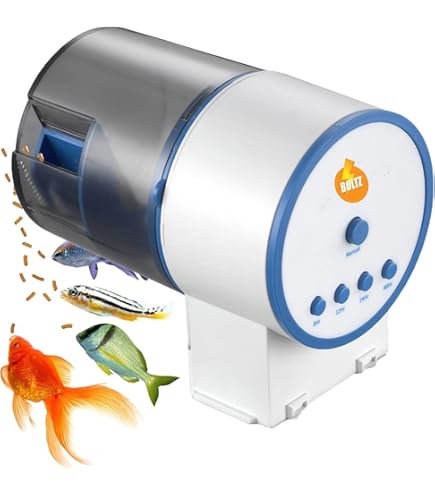
Credit: www.amazon.in
Frequently Asked Questions
What Are Automatic Feeders For Juvenile Tanks?
Automatic feeders are devices that dispense food to juvenile fish or aquatic creatures at set intervals. They ensure consistent feeding without manual effort, promoting healthy growth and reducing overfeeding risks.
How Do Automatic Feeders Benefit Juvenile Fish Tanks?
They provide precise, scheduled feeding, improving fish health and growth. They reduce stress on fishkeepers and prevent food waste, ensuring a clean and balanced tank environment.
Can Automatic Feeders Handle Different Juvenile Fish Diets?
Yes, most feeders can dispense various food types like flakes, pellets, or frozen food. Choose a feeder compatible with your juvenile fish’s dietary needs for optimal nutrition.
How To Choose The Best Automatic Feeder For Juvenile Tanks?
Consider tank size, fish species, and feeding frequency. Look for reliable timers, adjustable portion sizes, and easy-to-clean designs to ensure efficient feeding and maintenance.
Conclusion
Automatic feeders help keep juvenile tanks clean and fish healthy. They give food on time, so young fish grow strong. These devices save time and reduce feeding mistakes. Choosing the right feeder fits your tank size and fish needs. Regular checks ensure the feeder works well.
Feeding becomes easier and fish stay happy. Try an automatic feeder for better tank care. Simple, reliable, and helpful.