
If you’re serious about breeding fish, you know how important consistent feeding is. Missing a feeding or overfeeding can harm your delicate breeding tanks and affect your results.
That’s where automatic feeders come in. They take the guesswork out of your routine and ensure your fish get the right amount of food at the right time—every time. Imagine the peace of mind knowing your breeding tanks are cared for even when you’re busy or away.
Keep reading to discover how automatic feeders can transform your breeding process and boost your success.

Credit: www.walmart.com
Benefits Of Automatic Feeders
Automatic feeders help keep breeding tanks running smoothly. They give fish the right food at the right time. This makes caring for tanks easier and more reliable.
Using automatic feeders can improve fish health and save time for tank managers. The feeders work without needing constant attention.
Time-saving Advantages
Automatic feeders feed fish on a set schedule. This means less time spent feeding tanks by hand. You can focus on other tasks while the feeders work.
The feeders reduce the risk of missed feeding times. They ensure fish get food even when staff are busy or away.
Consistent Feeding Schedules
Fish need regular feeding to stay healthy. Automatic feeders deliver food at the same times every day. This keeps feeding consistent and reliable.
- Set feeding times to match fish needs
- Control portion size to avoid overfeeding
- Reduce stress for fish by keeping routine
- Improve growth and breeding success
Reduced Labor Costs
| Task | Manual Feeding Time | With Automatic Feeder |
| Daily Feeding | 30 minutes | 5 minutes |
| Monitoring Feeding | 15 minutes | 5 minutes |
| Staff Required | 2 persons | 1 person |
Less time spent feeding means fewer staff hours are needed. This lowers labor costs and helps manage budgets better.
Types Of Automatic Feeders
Automatic feeders help keep fish in breeding tanks well-fed without constant human effort. They provide food at set times and amounts. This keeps fish healthy and reduces overfeeding risks.
There are different types of automatic feeders. Each type works in a unique way. Choosing the right one depends on the type of food and the fish species.
Drip Feeders
Drip feeders release liquid or powdered food slowly over time. They use a small tube to drip food into the tank. This method keeps a steady supply of food available.
Drip feeders are good for fry and small fish that need constant feeding. They prevent food from building up and polluting the water.
- Release food slowly and evenly
- Ideal for baby fish and larvae
- Easy to adjust drip speed
- Reduces food waste
Rotary Feeders
Rotary feeders use a rotating wheel to drop food into the tank. The wheel has compartments that hold food. It turns at set times to release measured amounts.
These feeders work well with flakes or small pellets. They provide regular feedings without flooding the tank. You can set the number of rotations for feeding control.
- Rotates to release food portions
- Good for flakes and pellets
- Feeds at scheduled times
- Helps avoid overfeeding
Automatic Pellet Dispensers
Automatic pellet dispensers drop pellets into the tank on a timer. They often have a hopper to store many pellets. This allows feeding over long periods without refilling.
These dispensers are best for larger fish that eat pellets. The size and amount of pellets can be adjusted. This ensures the fish get the right food quantity.
- Stores and drops pellets automatically
- Adjustable portion sizes
- Timed feeding schedules
- Suitable for larger fish
Choosing The Right Feeder
Automatic feeders help keep your breeding tanks well-fed. Picking the right feeder makes care easier and keeps fish healthy.
Consider your tank’s size, the fish species, and your budget. These factors guide you to the best feeder choice.
Tank Size Considerations
Different tank sizes need different feeder capacities. Small tanks need compact feeders with small food containers. Large tanks require feeders that hold more food and cover wider areas.
- Small tanks: Choose feeders with low food capacity and small timers.
- Medium tanks: Look for feeders with adjustable portions and medium storage.
- Large tanks: Pick feeders with large food containers and wide food spread.
Fish Species Requirements
Fish species have different diets and feeding habits. Some need flakes, others need pellets or live food. Choose feeders that work well with your fish’s type of food.
| Fish Type | Preferred Food | Feeder Type |
| Egg-layers | Flakes or pellets | Standard automatic feeder |
| Livebearers | Pellets or frozen food | Feeder with portion control |
| Fry (baby fish) | Micropellets or liquid food | Specialized fine feeder |
Budget And Features
Feeder prices vary by features. Basic feeders are cheaper but have fewer options. Advanced feeders cost more and offer timers, portion control, and battery backup.
- Basic feeders: Simple timers, limited food capacity.
- Mid-range feeders: Adjustable portions, medium capacity.
- High-end feeders: Multiple feed times, battery backup, large capacity.
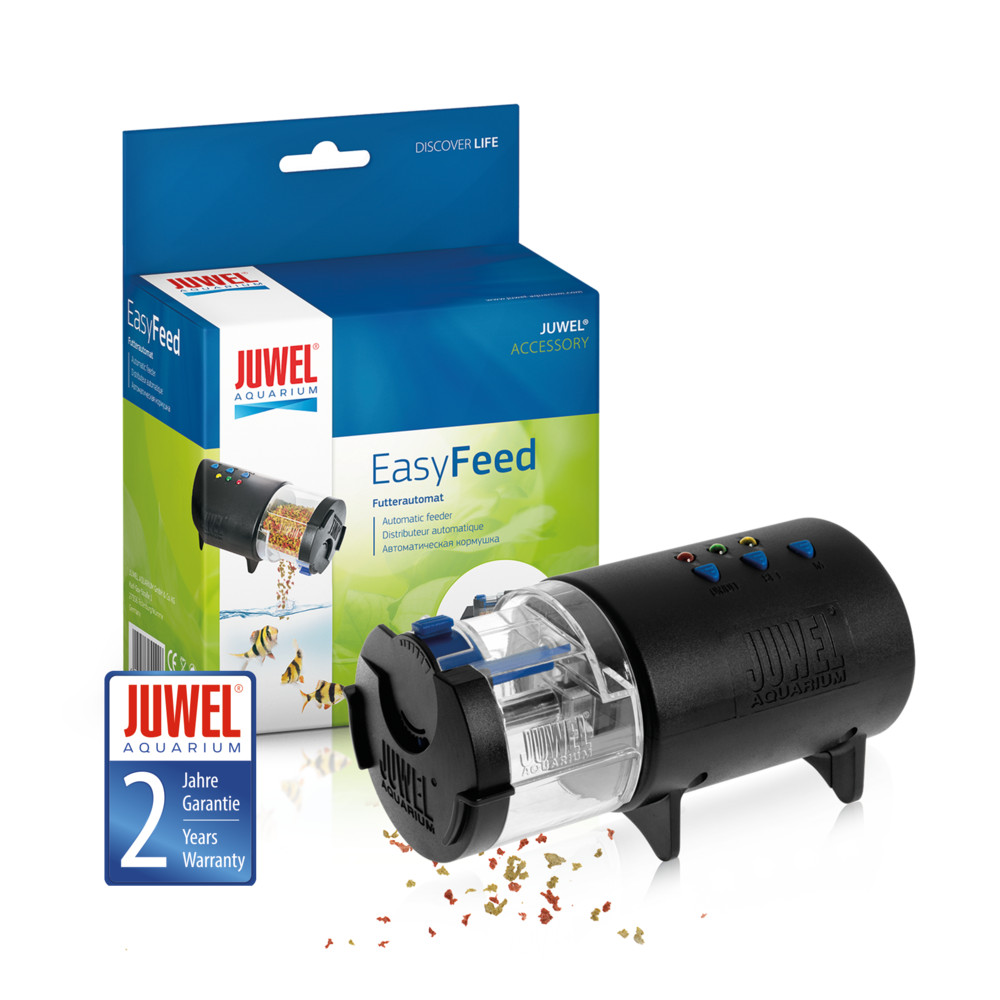
Credit: roxyaquarium.com.au
Installation And Setup Tips
Automatic feeders help keep your breeding tanks well-fed on time. Proper setup ensures fish get the right amount of food.
This guide covers placement, feeding schedules, and cleaning tips for your automatic feeder.
Placement Strategies
Place the feeder where it can evenly distribute food across the tank. Avoid spots blocked by decorations or plants.
Keep the feeder away from water splashes to prevent damage. Mount it securely to avoid falling into the tank.
- Attach feeder on tank rim or hood
- Position above open water area
- Avoid direct sunlight to protect food
- Ensure easy access for refilling
Programming Feeding Times
Set feeding times based on your fish species and their needs. Most breeders feed 2 to 3 times daily.
Use the feeder’s timer to set exact hours. Keep feeding consistent to avoid over or under feeding.
- Feed small amounts multiple times a day
- Set intervals to match natural fish habits
- Adjust schedule as fish grow or breed
- Test settings before leaving feeder unattended
Maintenance And Cleaning
Clean the feeder regularly to prevent clogs and mold. Moist food can spoil inside the device.
Check batteries and parts often. Replace worn pieces to keep the feeder working well.
- Empty food tray before cleaning
- Use a soft brush to remove debris
- Wipe with a damp cloth; avoid soaking
- Test the feeder after maintenance
Common Challenges And Solutions
Automatic feeders in breeding tanks help manage fish diets. But, they can face challenges.
Understanding these issues and finding solutions keeps fish healthy and the system efficient.
Preventing Overfeeding
Overfeeding can lead to water pollution and fish health problems. Automatic feeders must be set correctly.
- Set precise feeding times.
- Adjust portion sizes based on fish type.
- Regularly monitor fish behavior and tank cleanliness.
Dealing With Power Outages
Power outages disrupt feeding schedules. Backup systems are necessary.
Consider installing a UPS (Uninterruptible Power Supply). It provides power to feeders during outages.
Avoiding Mechanical Failures
Mechanical failures can stop feeding entirely. Regular maintenance helps prevent this.
| Maintenance Task | Frequency |
| Check feeder motors | Weekly |
| Clean food dispensers | Monthly |
| Inspect for wear and tear | Quarterly |

Credit: www.amazon.com
Impact On Breeding Success
Automatic feeders help maintain regular feeding times for fish in breeding tanks. Consistent feeding supports fish health and breeding activity.
These devices reduce human error and ensure fish get the right amount of food. This can lead to better breeding results.
Improved Nutrition
Automatic feeders deliver food in small, frequent amounts. This keeps the water clean and helps fish digest food well.
- Prevents overfeeding and water pollution
- Provides balanced nutrients consistently
- Supports the health of breeding fish
Stress Reduction In Fish
Fish feel less stressed with automatic feeders because feeding happens quietly and on time. Stress can lower breeding success.
Key ways automatic feeders reduce stress:
- Eliminates sudden human presence at feeding times
- Keeps feeding schedule predictable
- Maintains stable tank environment
Enhanced Growth Rates
Regular feeding improves growth rates in young fish. Faster growth helps fish reach breeding size sooner.
| Benefit | Effect on Fish |
| Consistent feeding | Better digestion and nutrient use |
| Reduced stress | Improved immune system and growth |
| Balanced diet | Stronger, healthier fish |
Frequently Asked Questions
What Are Automatic Feeders For Breeding Tanks?
Automatic feeders are devices that dispense food to fish in breeding tanks. They ensure consistent feeding schedules and reduce manual labor.
How Do Automatic Feeders Benefit Breeding Tanks?
They provide precise food portions, reduce overfeeding, and maintain water quality. This helps create a stable environment for breeding fish.
Can Automatic Feeders Handle Different Fish Food Types?
Yes, most feeders can dispense flakes, pellets, or powdered food. Choose a feeder compatible with your fish’s dietary needs.
Are Automatic Feeders Easy To Set Up And Maintain?
Yes, they are user-friendly and require minimal maintenance. Regular cleaning and timely refilling keep feeders functioning properly.
Conclusion
Automatic feeders help keep breeding tanks clean and healthy. They feed fish on time, reducing stress and overfeeding. These devices save effort and ensure consistent feeding. This supports better fish growth and breeding success. Choosing the right feeder fits your tank size and fish type.
Careful use improves tank life and fish health. Automatic feeders make breeding easier and more reliable. They are a smart tool for any fish keeper.