
Imagine never having to worry about sudden temperature changes catching you off guard. Whether it’s protecting your home, keeping your food fresh, or ensuring your equipment runs smoothly, staying ahead of temperature shifts can save you time, money, and stress.
With automatic alerts for temperature changes, you get real-time updates the moment things start to move outside your set range. This means you can take action immediately, avoiding damage or loss before it happens. Ready to discover how these smart alerts can make your life easier and safer?
Keep reading to find out!
Importance Of Temperature Monitoring
Temperature monitoring helps keep environments safe and products in good condition. It alerts people to changes that may cause damage or spoilage.
Automatic alerts allow quick action to fix problems. This reduces losses and keeps processes running smoothly.
Risks Of Temperature Fluctuations
Temperature changes can cause many problems. Some goods lose quality or become unsafe to use.
Equipment may break down or stop working properly if temperatures go too high or low.
- Food can spoil or grow bacteria
- Medicines may lose effectiveness
- Electronics can overheat or freeze
- Manufacturing processes can fail
Industries Needing Constant Monitoring
Many industries must watch temperature all the time. It keeps their products safe and meets rules.
These industries use sensors and alerts to avoid costly mistakes and maintain quality.
- Food and beverage
- Pharmaceuticals and healthcare
- Cold storage and logistics
- Chemical manufacturing
- Data centers and IT
How Automatic Temperature Alerts Work
Automatic temperature alerts help monitor temperature changes. They are used in homes, offices, and industries.
These alerts notify you when the temperature goes beyond set limits. They ensure safety and prevent damage to goods.
Sensors And Detection Technology
Sensors detect temperature changes in the environment. They are precise and reliable for monitoring conditions.
Different types of sensors are available. Each is designed for specific conditions and accuracy levels.
- Thermocouples for wide temperature ranges
- Infrared sensors for non-contact measurement
- Digital sensors for precise readings
Notification Methods
Notifications alert you about temperature changes immediately. They can be received in different ways to suit your needs.
These alerts help take quick action. They prevent issues like equipment damage or spoiled goods.
- Email alerts for detailed information
- Text messages for quick updates
- Mobile app notifications for real-time tracking
Benefits Of Instant Alerts
Instant alerts for temperature changes help monitor critical environments. They notify users immediately when conditions go beyond set limits.
These alerts support quick action to avoid damage and ensure safety. They are vital for many industries and settings.
Preventing Equipment Damage
Temperature changes can harm sensitive equipment. Instant alerts warn operators to fix issues before damage occurs.
- Protect machines from overheating
- Stop freezing that can break parts
- Maintain optimal working conditions
- Save repair and replacement costs
Protecting Human Safety
Sudden temperature shifts can create unsafe conditions. Instant alerts help keep workers and visitors safe by signaling dangerous changes.
| Risk | Alert Benefit |
| Heatstroke | Quick warning to cool down |
| Hypothermia | Early notice to add warmth |
| Fire hazards | Immediate alert to act fast |
Reducing Operational Downtime
Temperature problems can stop production and slow work. Instant alerts help teams respond fast to keep operations running smoothly.
- Detect issues early
- Fix problems quickly
- Limit downtime length
- Increase overall productivity

Credit: apps.apple.com
Choosing The Right Alert System
Automatic alerts for temperature changes help protect equipment and products. Picking the right system is key to avoid damage or loss.
This guide covers important features and how to link alerts with your current setup.
Key Features To Consider
Look for alert systems that offer fast notifications and easy settings. Reliable sensors and clear alerts reduce risks.
- Real-time monitoring for quick response
- Adjustable alert thresholds
- Multiple alert methods like email and SMS
- Battery backup for power failures
- Data logging for temperature history
Integration With Existing Systems
Your alert system should work smoothly with current devices and software. This keeps your workflow simple and efficient.
| Integration Aspect | Benefit |
| API Access | Allows custom connections to apps |
| Compatibility | Works with popular platforms and devices |
| Cloud Support | Enables remote monitoring and alerts |
| Data Export | Easy transfer of temperature reports |
| Multi-user Access | Different team members can receive alerts |
Real-world Applications
Automatic alerts for temperature changes help keep products safe and operations smooth. They notify staff quickly if temperatures go outside safe limits.
Many industries use these alerts to avoid damage, spoilage, or health risks linked to temperature shifts.
Cold Chain And Food Storage
Temperature alerts protect food by monitoring storage conditions in real time. They prevent spoilage and ensure food safety from farm to table.
- Alert staff if refrigeration fails or doors stay open too long
- Monitor temperature during transport to keep products fresh
- Track storage units and get warnings before food spoils
- Support compliance with food safety regulations
Manufacturing And Industrial Settings
Industries use temperature alerts to protect machinery and products. Alerts help avoid costly damage and unsafe conditions.
| Application | Benefit | Example |
| Machine Monitoring | Prevent overheating | Alert if motor temperature exceeds limits |
| Product Quality | Keep correct processing temperature | Warn if chemical baths get too hot or cold |
| Environmental Safety | Detect hazardous temperature changes | Notify about heat in storage tanks |
Healthcare Facilities
Hospitals and labs use temperature alerts to protect medicines and samples. Alerts help maintain patient safety and research quality.
- Monitor vaccine refrigerators for cold chain integrity
- Alert staff if operating rooms or labs get too warm
- Track storage of blood and organs with temperature alerts
- Ensure compliance with health regulations
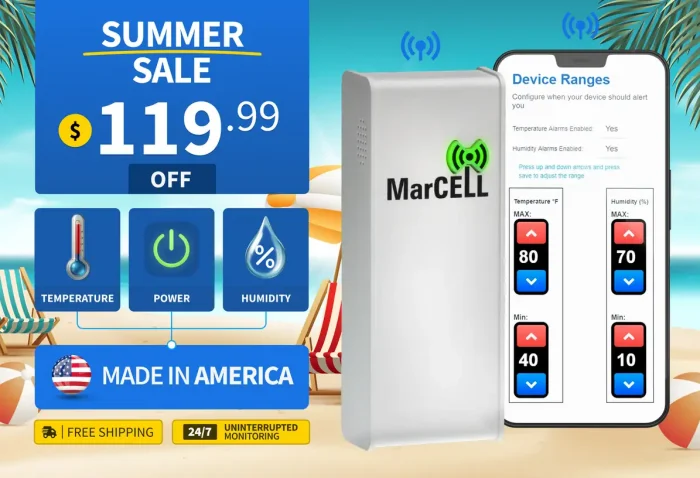
Credit: www.meetmarcell.com
Future Trends In Temperature Alert Technology
Temperature alert systems are becoming smarter and more useful. New technology helps detect changes faster and more accurately.
These advances improve safety in homes, businesses, and industries. They also reduce damage caused by unexpected temperature shifts.
Ai And Predictive Analytics
Artificial intelligence (AI) studies temperature patterns over time. It predicts future changes before they happen.
Predictive analytics uses data from sensors to warn users early. This helps prevent damage to sensitive equipment and products.
- AI detects unusual temperature trends
- Predictive models forecast sudden changes
- Alerts trigger before problems develop
- Systems learn and improve over time
Wireless And Iot Innovations
Wireless devices connect temperature sensors without cables. This allows easy setup in many locations.
The Internet of Things (IoT) links sensors to the internet. Users get alerts on their phones or computers instantly.
- Remote monitoring from any device
- Real-time alerts via apps or emails
- Energy-efficient wireless sensors
- Integration with smart home systems
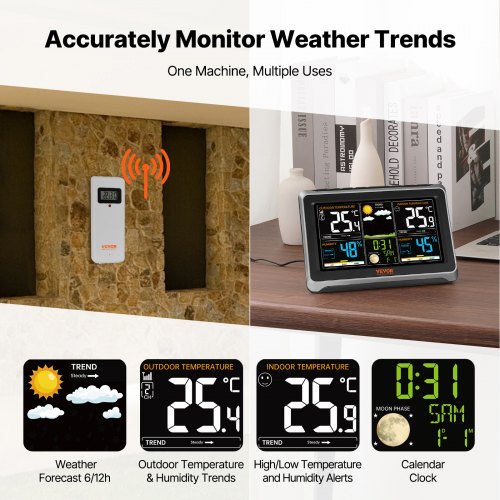
Credit: www.vevor.com
Frequently Asked Questions
What Are Automatic Alerts For Temperature Changes?
Automatic alerts notify users instantly when temperature shifts beyond set limits. They help prevent damage in sensitive environments by providing real-time updates.
How Do Temperature Change Alerts Improve Safety?
These alerts enable quick responses to temperature anomalies. They protect equipment, products, and people from risks linked to extreme temperature variations.
Which Industries Benefit From Temperature Alert Systems?
Healthcare, food storage, manufacturing, and agriculture use these alerts to maintain optimal conditions. They ensure product quality and regulatory compliance effectively.
Can I Customize Temperature Thresholds For Alerts?
Yes, most systems allow users to set specific temperature limits. Custom thresholds ensure alerts match unique needs and environmental requirements precisely.
Conclusion
Automatic alerts for temperature changes help protect your home and business. They notify you quickly about any unusual shifts. This lets you act fast and avoid damage or loss. These alerts save time and reduce stress. They work well with many devices and systems.
Simple to set up and use. Everyone can benefit from this smart, easy tool. Stay safe and keep your environment stable. Temperature alerts make life easier and safer.