
Imagine never having to worry about adjusting your thermostat again. Automated temperature regulation systems take control of your environment, keeping your space perfectly comfortable without you lifting a finger.
Whether it’s your home, office, or any other space, these smart systems adapt to your needs, save energy, and cut down on your bills. If you want to learn how this technology can make your life easier and more efficient, keep reading—because understanding how automated temperature control works could change the way you experience comfort forever.
Benefits Of Automated Temperature Systems
Automated temperature regulation systems control heating and cooling automatically. They adjust settings based on the environment and user preferences. This helps save energy and keeps spaces comfortable.
These systems reduce the need for manual changes and improve overall efficiency. They are useful in homes, offices, and industrial settings.
Energy Savings
Automated systems lower energy use by adjusting temperature only when needed. This reduces waste and cuts utility bills.
- Turn off heating or cooling in empty rooms
- Set temperature limits to avoid overuse
- Use sensors to detect occupancy and adjust settings
- Schedule temperature changes for different times of day
Improved Comfort
These systems keep indoor temperature steady and comfortable. They respond quickly to changes in weather or room use.
| Feature | Benefit |
|---|---|
| Automatic adjustment | Maintains ideal temperature |
| Humidity control | Improves air quality and comfort |
| Remote access | Change settings from anywhere |
Reduced Maintenance
Automated systems reduce wear and tear by managing run times efficiently. This lowers repair costs and extends equipment life.
- Prevent overheating and freezing
- Alert users to system issues early
- Schedule regular system checks
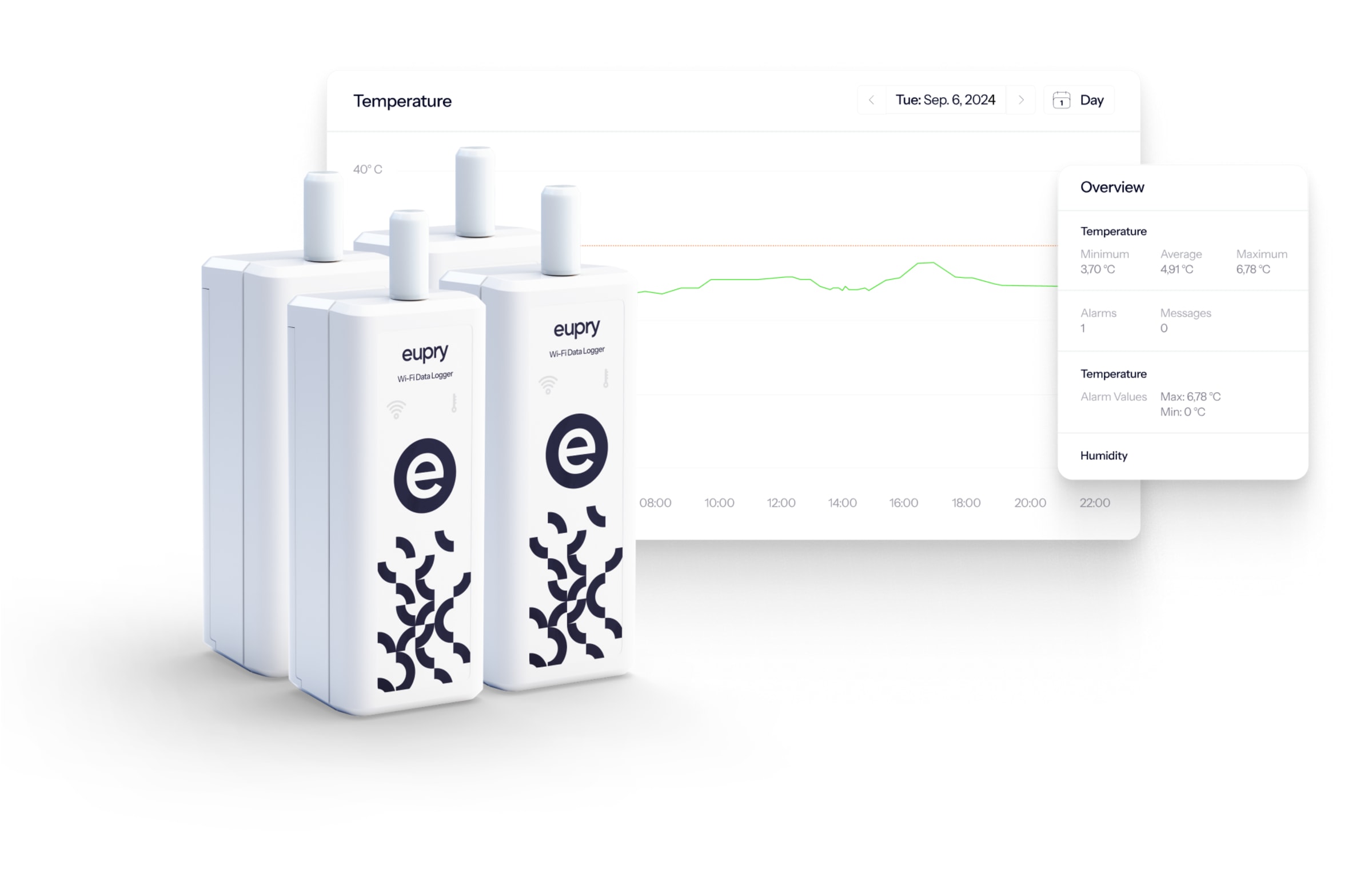
Credit: eupry.com
Key Components
Automated temperature regulation systems keep environments at the right temperature. They use different parts to sense, control, and adjust heat or cold.
Each part plays a special role. Together, they maintain comfort and save energy by working automatically.
Sensors And Detectors
Sensors and detectors measure the current temperature. They send this information to the control unit.
Common sensors include thermistors, thermocouples, and infrared detectors. These devices help the system know if it needs to heat or cool.
- Thermistors: Change resistance with temperature
- Thermocouples: Generate voltage based on heat
- Infrared detectors: Measure temperature without contact
Control Units
Control units receive signals from sensors. They decide how the system should react to temperature changes.
These units use processors or microcontrollers. They run the program that manages heating or cooling actions.
- Compare current temperature to target
- Send commands to actuators
- Adjust settings based on feedback
Actuators And Valves
Actuators and valves control the flow of heating or cooling agents. They act on commands from the control unit to change temperature.
Actuators move parts like dampers or switches. Valves open or close to allow hot or cold fluid to pass.
- Electric actuators adjust dampers or switches
- Valves control water or steam flow
- Both regulate temperature precisely
Types Of Temperature Regulation Systems
Temperature regulation systems help keep spaces and machines at the right heat level. They improve comfort and protect equipment.
There are many types of systems used for different needs. Some are simple, while others use smart technology.
Programmable Thermostats
Programmable thermostats let users set temperature schedules. They adjust heating or cooling automatically at set times.
This system saves energy by reducing heating or cooling when not needed. It is easy to program for daily or weekly use.
- Set different temperatures for day and night
- Adjust schedules for weekdays and weekends
- Helps reduce energy bills
Smart Hvac Systems
Smart HVAC systems use sensors and internet connections. They learn user habits and adjust temperatures automatically.
These systems can be controlled remotely with phones or computers. They improve comfort and help save energy.
- Remote control via apps
- Automatic temperature adjustments
- Energy usage reports
- Integration with smart home devices
Industrial Automation Solutions
Industrial automation systems control temperature in factories and large machines. They keep processes safe and efficient.
These solutions often use sensors, controllers, and software. They adjust heat levels based on real-time data.
- Temperature sensors monitor heat constantly
- Controllers adjust heating or cooling systems
- Software analyzes data for better control
- Used in manufacturing and processing plants
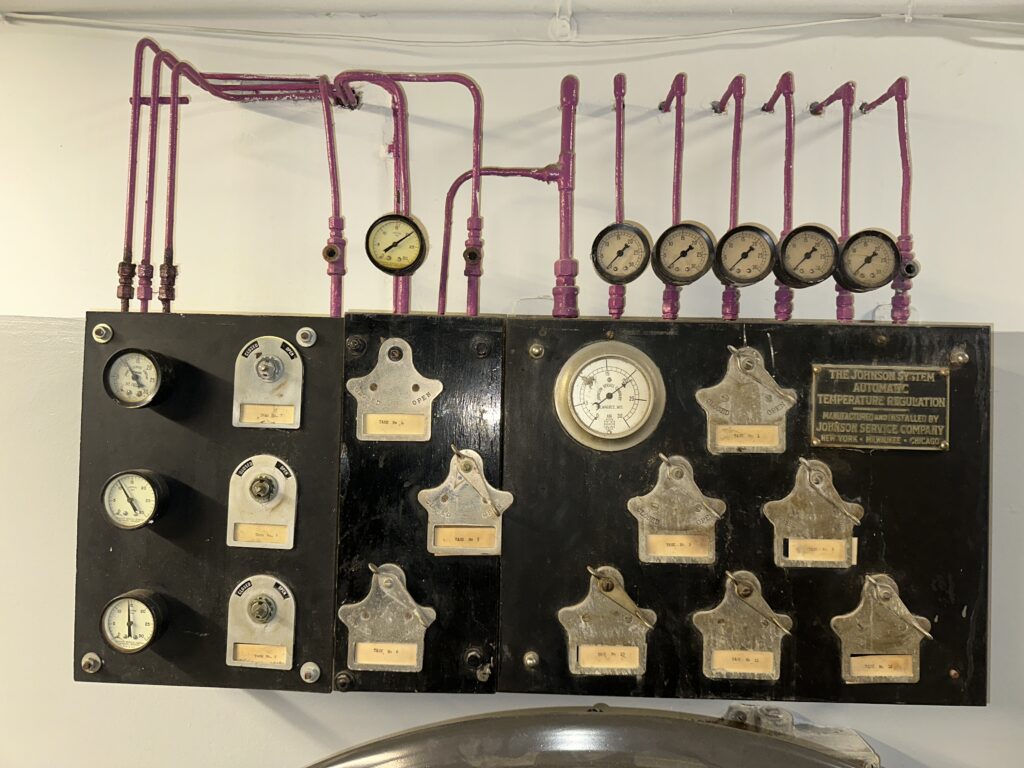
Credit: www.csemag.com
Installation And Integration
Automated temperature regulation systems help control indoor climates. Proper installation and integration ensure they work well.
Understanding how to set up these systems saves time and prevents issues later on.
Assessing System Requirements
Start by checking the size and type of your space. This helps find the right system capacity.
Look at your heating and cooling needs, power sources, and control options.
- Room size and layout
- Current heating and cooling devices
- Available electrical power
- Control preferences like apps or wall panels
Compatibility With Existing Infrastructure
Check if the new system works with your current wiring and devices. This avoids extra costs.
Some systems connect easily to smart home hubs or thermostats you already own.
- Review wiring and voltage requirements
- Verify compatibility with heating and cooling units
- Confirm integration with smart home systems
Professional Vs Diy Installation
Professional installers bring experience and tools to the job. They reduce risks and save time.
DIY installation can save money but needs careful planning and skills.
- Professional installation ensures safety and proper setup
- DIY can be cheaper but may require technical knowledge
- Consider warranties and support when choosing
- Check local codes for required certifications
Tech Innovations Driving Efficiency
Automated temperature regulation systems use new technology to save energy and improve comfort. These systems adjust temperature based on real-time data.
Smart solutions help reduce waste and lower costs. They also allow better control over heating and cooling processes.
Iot Connectivity
IoT devices connect temperature sensors to the internet. This connection lets systems share data instantly for better decisions.
- Real-time data collection from sensors
- Automatic adjustment of temperature settings
- Integration with other smart home or building devices
- Alerts and notifications for unusual changes
Machine Learning Algorithms
Machine learning helps systems learn from past data. It predicts the best temperature settings for different times and conditions.
| Algorithm Type | Purpose |
| Regression | Predicts temperature trends |
| Classification | Detects abnormal temperature patterns |
| Clustering | Groups similar temperature scenarios |
Remote Monitoring And Control
Remote systems allow users to check and change temperature from anywhere. This improves comfort and saves energy.
Key features of remote control systems:
- Mobile app access for easy control
- Real-time alerts on temperature changes
- Scheduling options for heating and cooling
- Energy usage reports for better management
Common Challenges And Solutions
Automated temperature regulation systems help maintain desired temperatures. These systems often face challenges that need addressing. Understanding common issues can help find solutions.
Effective solutions ensure systems work smoothly. Here we discuss some frequent challenges and their solutions.
System Calibration Issues
Calibration ensures accurate temperature readings. Sometimes, systems are not calibrated properly. This leads to incorrect temperature control.
Regularly check and adjust calibration settings. Use proper tools for accurate calibration.
- Schedule routine calibration checks
- Train staff to use calibration tools
- Document calibration settings for reference
Sensor Malfunctions
Sensors are crucial for detecting temperature changes. Malfunctions can cause incorrect readings. This affects system performance.
Inspect sensors regularly to ensure they work properly. Replace faulty sensors promptly.
- Perform routine sensor maintenance
- Keep spare sensors available
- Test sensors after installation
Security Concerns
Automated systems can face security threats. Unauthorized access can disrupt temperature control. Securing systems is essential.
Implement strong passwords and update them regularly. Use firewalls to protect against external threats.
- Install security software
- Conduct regular security audits
- Educate staff on security practices
Case Studies And Success Stories
Automated Temperature Regulation Systems (ATRS) have become essential. They help maintain optimal temperatures efficiently. Let’s explore some real-world success stories.
See how different industries use ATRS to improve environments. From commercial buildings to residential homes, these systems make a difference.
Commercial Buildings
In commercial buildings, temperature control is crucial. Companies aim to reduce costs and improve comfort. Let’s look at some examples:
- Office complexes achieved 20% energy savings.
- Shopping malls enhanced customer satisfaction.
- Hotels improved guest experiences significantly.
Manufacturing Plants
Manufacturing plants need precise temperature control. This ensures product quality and worker safety. Here are some success stories:
| Plant | Outcome |
| Textile Factory | Reduced defects by 15% |
| Food Processing | Improved shelf life of products |
| Automotive | Enhanced machinery performance |
Residential Applications
Homeowners use ATRS for comfort and savings. These systems adapt to daily needs. Here’s how they help:

Credit: eupry.com
Future Trends
Automated temperature regulation systems are evolving quickly. New technologies make these systems smarter and more efficient.
Future trends focus on using artificial intelligence, renewable energy, and adaptive learning to improve comfort and energy use.
Ai-driven Temperature Regulation
Artificial intelligence helps systems learn user habits and adjust temperatures automatically. This reduces energy waste and keeps spaces comfortable.
- Predicts temperature needs based on weather and occupancy
- Adjusts settings in real-time for comfort
- Integrates with smart home devices
- Detects system faults early for maintenance
Sustainable Energy Integration
Temperature regulation systems will link with renewable energy sources. This lowers carbon footprints and saves money.
| Energy Source | Benefit |
| Solar Power | Free energy during daylight |
| Wind Energy | Reduces grid dependence |
| Geothermal | Stable temperature control |
| Battery Storage | Stores excess energy for later use |
Adaptive Learning Systems
These systems learn from user feedback and environment changes. They improve their responses over time for better comfort and efficiency.
Adaptive learning offers benefits like:
- Personalized temperature settings
- Energy savings through smarter adjustments
- Automatic updates without manual input
- Improved system lifespan with less wear
Frequently Asked Questions
What Are Automated Temperature Regulation Systems?
Automated temperature regulation systems control indoor climate without manual input. They use sensors and smart algorithms for precise temperature adjustments. These systems enhance comfort, improve energy efficiency, and reduce utility costs in homes and businesses.
How Do Automated Temperature Systems Save Energy?
They optimize heating and cooling by adjusting temperatures based on occupancy and time. This avoids unnecessary energy use, lowers utility bills, and reduces environmental impact. Smart thermostats learn user behavior for better efficiency.
Where Are Automated Temperature Systems Commonly Used?
They are widely used in residential homes, commercial buildings, and industrial facilities. These systems ensure consistent climate control, protect equipment, and improve occupant comfort across various settings.
Are Automated Temperature Regulation Systems Easy To Install?
Most modern systems are designed for easy installation with minimal wiring. Many support wireless connectivity and can integrate with existing HVAC units. Professional installation is recommended for optimal performance.
Conclusion
Automated temperature regulation systems save energy and reduce costs. They keep environments comfortable and safe all day. These systems adjust quickly to changes in weather or use. Users enjoy less worry about manual settings or errors. Simple controls make them easy to use for everyone.
Choosing such a system helps protect the planet too. Small steps like this improve daily life greatly. Think about adding automation to your space today.