
Are you tired of constantly adjusting your heater to find the perfect temperature? Imagine a device that takes control for you, keeping your home cozy without any effort on your part.
Automated heater controllers do just that—they learn your preferences and manage your heating system efficiently. If you want to save energy, cut down on bills, and enjoy consistent comfort, understanding how these smart controllers work is a game-changer. Keep reading to discover how automated heater controllers can transform your heating experience.
Benefits Of Automated Heater Controllers
Automated heater controllers make heating systems smarter. They adjust temperatures without needing manual changes.
These devices help keep your home comfortable and save energy at the same time.
Enhanced Comfort Levels
Automated controllers keep your home at the right temperature all day. They learn your schedule and adjust heating accordingly.
This means you feel warm when you need it and avoid overheating when you don’t.
Energy Savings
| Feature | Energy Benefit |
| Automatic temperature control | Reduces wasted energy |
| Scheduling options | Heats only when needed |
| Remote access | Allows quick adjustments |
| Eco modes | Optimizes power use |
Convenience And Ease Of Use
Users control heaters easily with apps or voice commands. No need to get up or use complicated controls.
- Set heating schedules with a few taps
- Adjust temperature remotely from any place
- Receive alerts if the system needs attention
- Simple interface for all age groups

Credit: www.reddit.com
Types Of Automated Heater Controllers
Automated heater controllers help manage home heating efficiently. They adjust the temperature based on schedules or sensors. This saves energy and keeps rooms comfortable.
There are different types of controllers for various needs. Each type offers unique features and control methods.
Programmable Thermostats
Programmable thermostats let you set heating schedules. You can program different temperatures for each day or time. This keeps your home warm only when needed.
- Set daily or weekly temperature plans
- Save energy by reducing heat when away
- Simple to use with basic controls
- Works well for regular routines
Smart Thermostats
Smart thermostats connect to Wi-Fi and apps. They learn your habits and adjust heat automatically. You can control them remotely from your phone.
| Feature | Description |
| Remote Control | Adjust temperature from anywhere using an app |
| Learning Ability | Adapts to your schedule without manual programming |
| Energy Reports | Shows how much energy you use and suggest savings |
| Voice Control | Works with voice assistants like Alexa or Google |
Zoned Heating Systems
Zoned heating divides your home into areas with separate controls. Each zone can have its own temperature setting. This gives better comfort and saves energy.
- Control heating in individual rooms or floors
- Use multiple thermostats or sensors
- Reduce heating in unused areas
- Works well for large or multi-story homes
Key Features To Consider
Automated heater controllers help manage home heating easily. They save energy and keep rooms comfortable.
Choosing the right features ensures better control and convenience. Focus on important functions for your needs.
Remote Access And Control
Remote access lets you control your heater from anywhere. Use a smartphone or computer to change settings.
This feature helps adjust temperature before you get home. It also allows quick changes during unexpected weather.
- Control heater with mobile apps
- Check current temperature remotely
- Turn heater on or off from afar
Learning Capabilities
Learning features allow the controller to understand your schedule. It adjusts heating based on your daily routines.
This saves energy by heating only when needed. The controller can improve comfort without manual changes.
- Adapts to your home’s temperature preferences
- Remembers when you wake and sleep
- Reduces heating during empty house times
Integration With Home Automation
Controllers that connect with home systems offer more control. They work with devices like lights and security systems.
This integration lets you create smart routines. For example, the heater turns on when you unlock the door.
- Works with voice assistants like Alexa or Google
- Syncs with other smart home devices
- Enables automated heating based on sensors
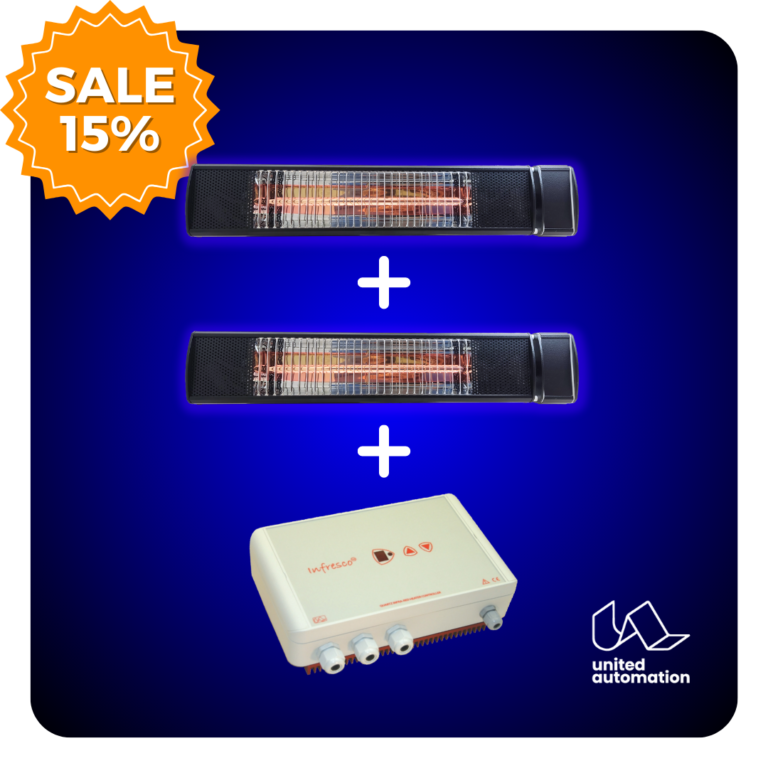
Credit: united-automation.com
Installation And Setup Tips
Automated heater controllers help keep your home warm without wasting energy. Installing them correctly is important for safety and comfort.
These tips will guide you through setting up your heater controller the right way.
Compatibility With Existing Systems
Check if the heater controller works with your current heating system. Some controllers fit only specific models or brands.
Look at your heater’s manual or label to find its type and power needs. Match these with the controller’s specifications.
- Identify your heater type: gas, electric, or oil
- Confirm voltage and current ratings
- Check if the controller supports your heater model
- Ensure compatibility with your home’s wiring system
Professional Vs Diy Installation
Decide if you want to install the controller yourself or hire a professional. Each option has pros and cons.
DIY saves money but needs basic electrical skills. Professionals ensure safety and proper setup.
- DIY installation requires reading manuals carefully
- Professionals handle wiring and safety checks
- Improper installation may cause heater damage or fire risks
- Professional help may cost more but offers peace of mind
Calibration For Optimal Performance
After installation, calibrate the controller for the best heating results. Calibration adjusts the settings to your home’s needs.
Follow the controller’s instructions to set temperature limits and timing. Test the system to ensure it turns on and off correctly.
- Set desired temperature ranges
- Adjust timing for heater operation
- Test sensor accuracy and response
- Make small changes and observe results
Impact On Energy Bills
Automated heater controllers help manage heating more efficiently. They reduce unnecessary heating and save energy.
These devices adjust temperature based on your schedule and outside weather. This lowers the amount of energy used daily.
Typical Savings Estimates
On average, automated heater controllers can cut heating costs by 10% to 30%. The exact savings depend on your home and habits.
Homes with older heating systems often see bigger savings. Modern systems still benefit but usually save less energy.
- Small homes may save around 10% on heating bills
- Larger homes often save closer to 25% or more
- Homes with poor insulation may save the most
Behavioral Changes With Automation
Automated controllers encourage better heating habits without extra effort. They turn heaters off when rooms are empty.
This reduces energy waste and lowers bills. You may also use less manual adjusting of the thermostat.
- Heaters run only when needed
- Less time spent adjusting temperature
- Automatic response to outside temperature changes
Long-term Financial Benefits
Using automated heater controllers helps save money year after year. This adds up to big savings over time.
Lower energy bills reduce your overall home expenses. This also helps lower your home’s carbon footprint.
- Consistent savings reduce annual heating costs
- Reduced wear on heating systems extends lifespan
- Better energy use supports environmental goals
Common Challenges And Solutions
Automated heater controllers help manage heating systems with ease. Still, users face some common problems when using them.
Understanding these challenges helps find simple solutions. This improves the heater controller’s performance and user experience.
Connectivity Issues
Connectivity problems are common with automated heater controllers. They often lose connection to Wi-Fi or other networks.
These problems cause delays or failure in controlling the heater remotely. Users may not get real-time updates or control access.
- Check the Wi-Fi signal strength near the controller.
- Restart the router and the heater controller device.
- Use a wired connection if wireless is unstable.
- Update the device software to fix bugs.
- Place the controller away from devices causing interference.
User Interface Difficulties
Many users find the controller’s interface hard to use. Complex menus and unclear icons can confuse them.
When the interface is not simple, users make mistakes in settings. This can lead to poor heater performance or wasted energy.
- Design interfaces with clear labels and big buttons.
- Use simple language instead of technical terms.
- Include step-by-step instructions or help guides.
- Provide presets for common heating schedules.
- Allow users to customize settings easily.
Maintenance Requirements
Automated heater controllers need regular maintenance. Dust, software updates, and battery checks keep them working well.
Ignoring maintenance can cause the system to fail or work inefficiently. This increases energy costs and repair needs.
- Clean the device and sensors regularly to remove dust.
- Check for software updates monthly and install them.
- Replace batteries in wireless controllers on time.
- Test the system periodically to ensure proper operation.
- Keep user manuals handy for troubleshooting tips.
Future Trends In Heater Automation
Heater automation is changing how we control our home temperatures. New technologies are making heaters smarter and more efficient.
These trends focus on making heaters easier to use and better for the environment. Let’s explore some exciting developments.
Ai And Machine Learning Integration
AI and machine learning are helping heaters learn your heating preferences. They can adjust the temperature based on your past behavior.
This technology makes heaters more efficient. It can save energy and reduce costs by automatically adjusting settings when you’re not home.
- Heaters learn your schedule
- Adjust settings automatically
- Save energy and reduce bills
Voice Control Advancements
Voice control makes adjusting heaters easier. You can use simple voice commands to change the temperature.
Smart speakers like Alexa and Google Assistant can connect with heaters. This allows hands-free control from anywhere in your home.
- Hands-free temperature adjustments
- Compatible with smart speakers
- Simple voice commands
Sustainability And Eco-friendly Features
Eco-friendly heaters use less energy. They help reduce your carbon footprint and are better for the planet.
Many heaters now come with features that support sustainability. This includes energy-saving modes and the use of renewable resources.
- Energy-saving modes
- Use of renewable resources
- Reduced carbon footprint
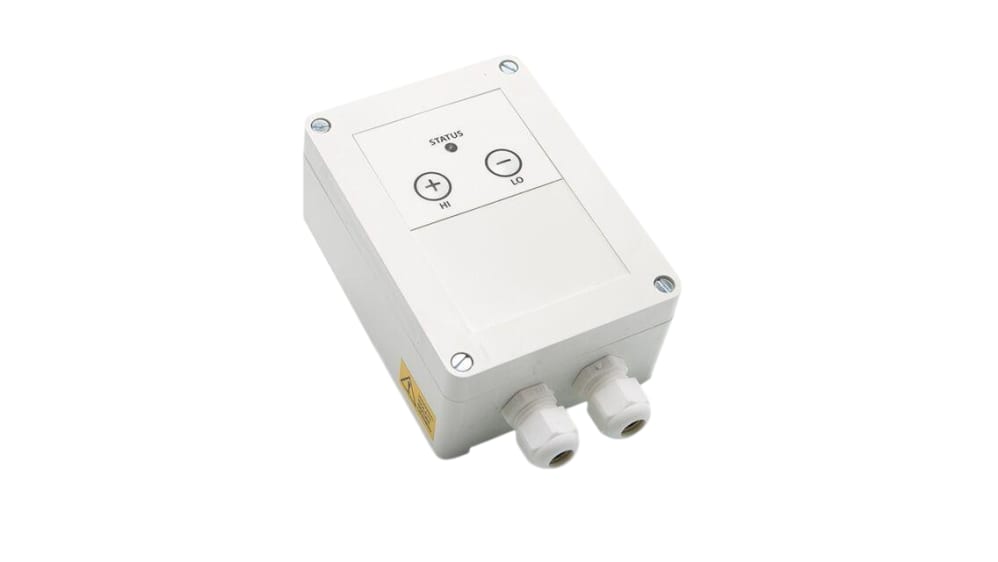
Credit: nz.rs-online.com
Frequently Asked Questions
What Are Automated Heater Controllers?
Automated heater controllers regulate temperature without manual input. They use sensors and algorithms to maintain desired heat levels efficiently. This technology improves comfort, saves energy, and reduces costs by adjusting heating based on real-time conditions.
How Do Automated Heater Controllers Save Energy?
They optimize heating cycles by monitoring room temperature and usage patterns. Controllers reduce unnecessary heating, lowering energy consumption. This precise control prevents overheating, resulting in significant energy savings and reduced utility bills over time.
Are Automated Heater Controllers Easy To Install?
Yes, most controllers are designed for simple installation. They often come with clear instructions and compatibility with various heating systems. Some models support wireless setup, making integration with smart home devices effortless.
Can Automated Heater Controllers Improve Heating System Lifespan?
By preventing overheating and excessive cycling, these controllers reduce wear and tear. Consistent temperature regulation helps maintain system efficiency and extends the lifespan of heating equipment. This leads to fewer repairs and replacements.
Conclusion
Automated heater controllers make heating easier and more efficient. They save energy and lower bills. You can set the temperature just right, without constant adjusting. These devices work quietly and help keep your space warm and comfortable. Smart controls fit well in any home or office.
Choosing one means less worry and more comfort. Small change, big difference.