
Are you looking to make your fish tank look stunning without the hassle of constant care? Artificial plants for fish tanks might be exactly what you need.
They bring vibrant colors and a natural feel to your aquarium, making it a beautiful home for your fish. Plus, they don’t require watering, trimming, or special lighting. Imagine having a lively underwater garden that stays perfect all year round.
Keep reading to discover how these plants can transform your tank and create a healthy, attractive environment for your aquatic friends.
Benefits Of Artificial Plants
Artificial plants are a popular choice for fish tanks. They add color and style without the need for care. Many fish owners prefer them over live plants for several reasons.
This article covers the main benefits of artificial plants. Learn why they are a smart choice for your aquarium setup.
Low Maintenance
Artificial plants do not need watering, trimming, or special light. They stay bright and clean with just a rinse. This saves time and effort.
Durability And Longevity
These plants last a long time without fading or breaking. They resist damage from water and fish activity. You can enjoy them for years without replacing.
Safe For Fish
Artificial plants do not affect water quality. They do not release harmful substances or decay like real plants. This keeps fish healthy and the tank clean.
- No pesticides or chemicals used
- No risk of plant decay poisoning fish
- Safe hiding spots for shy fish
- Easy to clean and disinfect
Cost-effectiveness
| Cost Factor | Artificial Plants | Live Plants |
|---|---|---|
| Initial Price | Moderate | Varies (often low) |
| Maintenance Cost | Low (no fertilizer or special lights) | High (fertilizers, bulbs, CO2) |
| Replacement Frequency | Rare | Often (due to decay or damage) |
| Overall Cost Over Time | Lower | Higher |
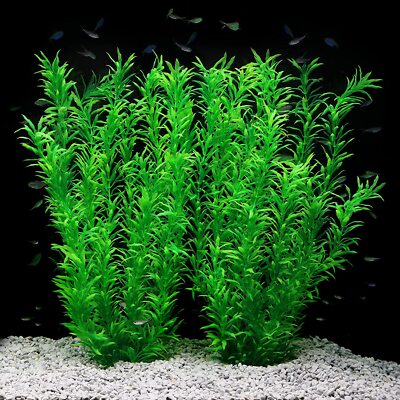
Credit: www.ebay.ca
Types Of Artificial Plants
Artificial plants are popular decorations for fish tanks. They add color and shelter without the need for care.
Different types of artificial plants offer various looks and benefits. Knowing these types helps you choose the best for your aquarium.
Silk Plants
Silk plants look very natural because of their soft texture. They mimic real plants closely and add a gentle touch to fish tanks.
- Made from fine silk fibers
- Flexible and gentle for fish
- Available in many colors and shapes
- Do not affect water quality
Plastic Plants
Plastic plants are sturdy and easy to clean. They come in many bright colors and last a long time in the aquarium.
| Feature | Plastic Plants |
| Material | Durable plastic |
| Care | Easy to clean |
| Colors | Bright and varied |
| Texture | Firm and smooth |
| Fish Safety | May have sharp edges |
Hybrid Plants
Hybrid plants combine silk and plastic parts. They offer a balance between realism and durability.
Benefits of Hybrid Plants:
- Soft silk leaves with strong plastic stems
- More natural look than plastic alone
- Stronger than silk plants
- Good for active fish tanks
Choosing The Right Plants
Artificial plants add beauty and comfort to fish tanks. Picking the right ones helps fish feel safe and look great.
Think about your tank size, fish types, and colors. These details help you choose plants that fit well.
Matching Aquarium Size
Choose plants that fit your aquarium size. Big plants can crowd small tanks and block fish movement.
Small plants work well in tiny tanks. Large or tall plants suit bigger tanks and add depth.
- Small tanks: use low or short plants
- Medium tanks: mix small and medium plants
- Large tanks: add tall and wide plants
Complementing Fish Species
Think about the fish you have. Some fish like to hide, while others like open space.
Use plants that suit your fish behavior. Hiding fish need thick plants. Active swimmers need open areas.
- Shy fish: pick dense or bushy plants
- Active fish: choose sparse or tall plants
- Bottom dwellers: add plants near the tank floor
Color And Texture Options
Colors and textures of plants change your tank’s look. Bright colors add energy and calm colors add peace.
Mix smooth and rough textures for a natural feel. Use colors that match your fish or contrast for interest.
- Green plants: natural and calming
- Red or purple plants: add brightness
- Smooth leaves: gentle look
- Spiky leaves: add texture

Credit: www.amazon.ca
Placement Tips For Natural Look
Artificial plants can make your fish tank look lively and natural. Proper placement helps create a beautiful underwater scene.
Use simple tricks to arrange plants so they look like they belong in the tank. This guide shares easy tips to help you.
Creating Depth And Layers
Place taller plants toward the back of the tank and shorter ones in front. This creates a sense of depth.
Use different plant sizes and shapes to build layers. It makes your tank look full and natural.
- Back row: tall plants
- Middle row: medium plants
- Front row: small plants
Balancing Plant Heights
Mix plant heights to avoid a flat look. Use various sizes to balance the tank’s appearance.
Place medium and tall plants on one side and smaller plants on the other. This adds natural balance.
- Use tall plants near corners
- Place medium plants beside tall ones
- Fill gaps with small plants
Using Rocks And Decorations
Add rocks and decorations to improve the natural feel of your tank. They support the plants and create interest.
Arrange rocks near plants to create hiding spots. Use decorations to break the space and add texture.
- Place rocks at plant bases for support
- Use decorations to fill empty areas
- Create small caves or ledges for fish
Cleaning And Maintenance
Artificial plants add beauty to fish tanks without the hassle of live plants. They need care to keep looking good and to keep your fish healthy.
Cleaning and maintenance help prevent algae growth and damage. This guide covers simple ways to care for your artificial plants.
Regular Cleaning Routine
Clean your artificial plants every two weeks to remove dirt and debris. Use a soft brush or cloth for gentle cleaning.
- Remove plants from the tank carefully.
- Rinse plants under warm water.
- Use a soft toothbrush to clean hard-to-reach spots.
- Soak plants in a mild bleach solution if heavily soiled.
- Rinse well before placing back in the tank.
Removing Algae
Algae can cover artificial plants and harm the tank’s look. Remove algae regularly to keep plants clean and safe.
| Method | Details |
| Manual Scrubbing | Use a soft brush to scrub algae gently. |
| Vinegar Soak | Soak plants in vinegar for 10-15 minutes, then rinse. |
| Algae Eaters | Add fish or snails that eat algae but are safe for plants. |
Avoiding Damage
Avoid harsh chemicals and rough handling to keep plants intact. Damaged plants can hurt fish and spoil the tank’s look.
- Do not use strong bleach or soap.
- Handle plants gently during cleaning.
- Check plants for cracks or sharp edges before returning to the tank.
- Replace plants if they show signs of wear or damage.
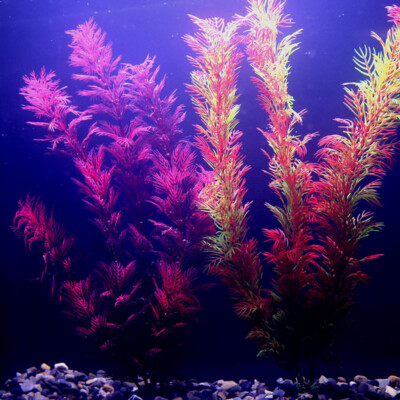
Credit: www.ebay.ca
Common Mistakes To Avoid
Artificial plants can make fish tanks beautiful. They are easy to maintain and add color. But, mistakes can happen. Knowing what to avoid helps keep fish healthy.
Here are common mistakes people make with artificial plants in fish tanks. Learn how to keep your fish tank safe and beautiful.
Overcrowding The Tank
Many people add too many plants. This can hurt your fish. Fish need space to swim. Too many plants can make the tank feel small.
Make sure to leave room for fish to move. A crowded tank can stress fish. Keep the number of plants balanced.
- Check the size of your tank
- Place plants with space in between
- Observe fish for signs of stress
Ignoring Fish Behavior
Fish have habits and behaviors. Some like to hide, others swim a lot. Ignore this, and fish might not be happy.
Choose plants that match your fish’s needs. Some fish need hiding spots. Others prefer open spaces. Watch how they behave and adjust.
- Research your fish species
- Provide hiding places if needed
- Ensure open swimming areas
Using Toxic Materials
Not all artificial plants are safe. Some are made with toxic materials. This can harm fish and affect water quality.
Always check if plants are safe for aquariums. Look for labels that say non-toxic. Avoid plants with paint that can chip.
- Buy from trusted brands
- Read product labels carefully
- Avoid painted or cheap plastic plants
Enhancing Aquarium Aesthetics
Artificial plants can transform your fish tank into a beautiful underwater world. They offer vibrant colors and shapes without needing much care.
These plants help create a lively environment. They also provide hiding spots for fish and add depth to your aquarium design.
Lighting Effects
Lighting can change how artificial plants look in your tank. LED lights are popular because they come in many colors.
Adjusting light brightness can make plants seem more real. Soft lighting creates a calm atmosphere, while bright lights highlight plant colors.
- Use blue lights for a deep-sea effect
- Warm lights add a tropical feel
- Spotlights can focus on plant features
Background Choices
The right background enhances your aquarium’s look. Dark backgrounds make bright plants stand out.
Choose backgrounds that mimic natural habitats. This creates a more realistic setting for your fish tank.
- Rocky backgrounds add texture
- Ocean scenes offer depth
- Plain colors simplify the view
Combining Artificial And Live Plants
Mixing artificial and live plants offers the best of both worlds. Live plants provide oxygen and nutrients to your aquarium.
Artificial plants add color and don’t need much care. This combination creates a balanced and thriving environment.
- Place live plants near the light source
- Use artificial plants to fill gaps
- Check compatibility with fish species
Frequently Asked Questions
What Are The Benefits Of Artificial Plants In Fish Tanks?
Artificial plants require no maintenance and don’t affect water quality. They provide hiding spots and enhance tank aesthetics without algae growth risks.
Are Artificial Plants Safe For All Fish Species?
Yes, artificial plants are generally safe for most fish. Ensure plants have no sharp edges to prevent fish injuries and stress.
How Do Artificial Plants Compare To Live Plants?
Artificial plants need no light or nutrients and last longer. Live plants improve water quality but require more care and proper lighting.
Can Artificial Plants Help Reduce Fish Stress?
Yes, artificial plants create hiding spots and natural shelter. This reduces fish stress and promotes healthier behavior and activity levels.
Conclusion
Artificial plants bring life and color to any fish tank. They need no care but still look fresh and bright. Fish enjoy hiding and playing among the leaves. These plants last long and do not change water quality. Choosing the right artificial plants can make your tank more beautiful and fun.
Simple to clean and safe for fish, they offer many benefits. Add artificial plants to create a lively and easy-to-maintain aquarium today.