
Are you ready to transform your aquarium into a breathtaking underwater masterpiece? Aquascaping with tunnels and arches gives you a unique way to add depth, mystery, and natural beauty to your tank.
Imagine watching your fish weave through elegant arches or disappear into hidden tunnels—it’s like creating a secret world right inside your home. You’ll discover simple tips and creative ideas to build stunning tunnels and arches that bring life and motion to your aquascape.
Get ready to captivate everyone who sees your aquarium and make your underwater garden truly unforgettable.
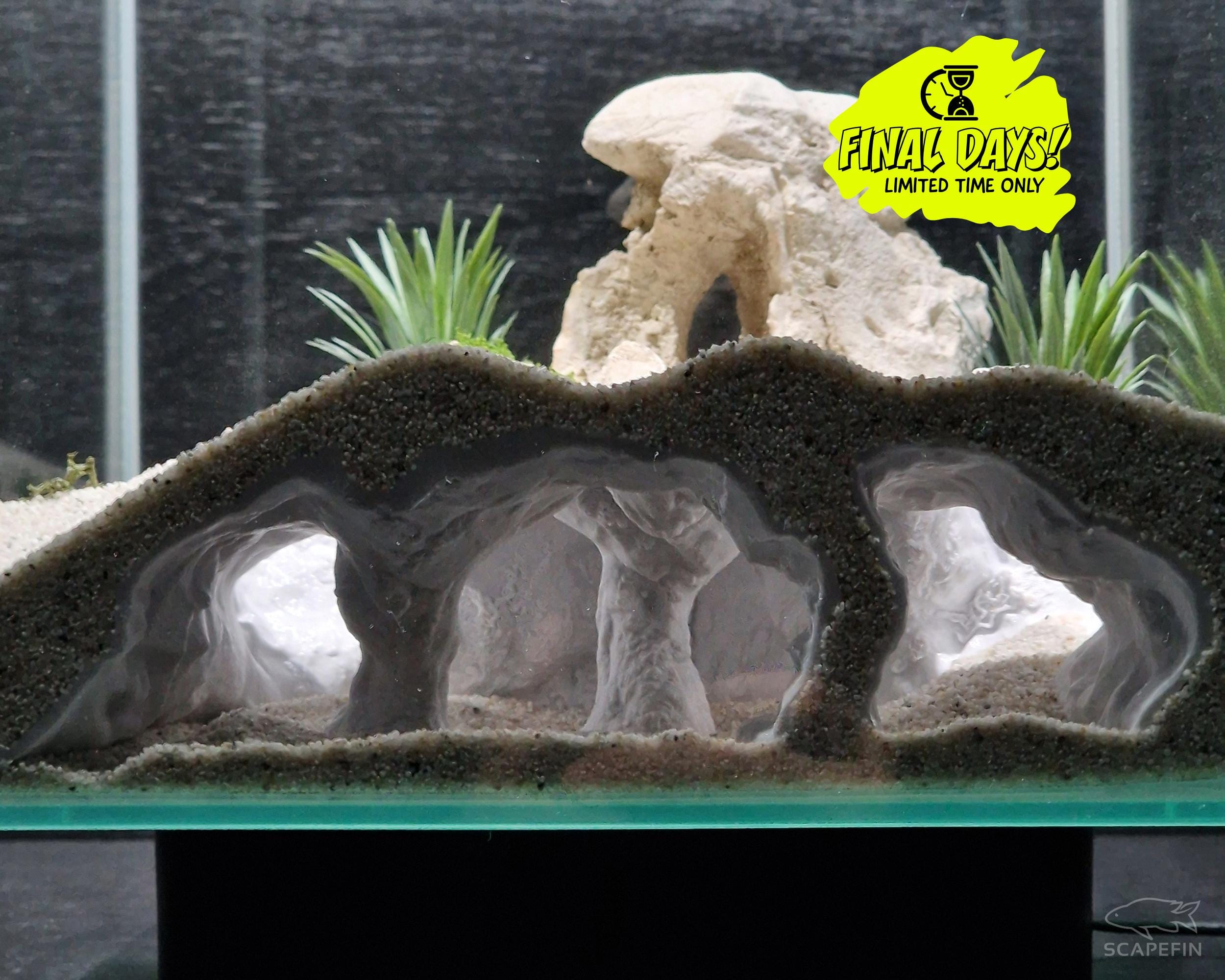
Credit: www.etsy.com
Benefits Of Tunnels And Arches
Tunnels and arches add unique shapes to aquascapes. They create interesting spaces and improve tank design.
These features make aquariums more natural and fun for fish and viewers alike.
Enhancing Depth And Dimension
Tunnels and arches add layers to the aquarium layout. They help create a 3D look that feels bigger.
These shapes catch light and shadow, which gives the tank a deeper appearance.
Encouraging Fish Exploration
Fish enjoy swimming through tunnels and arches. These shapes offer safe hiding spots and play areas.
Exploring these spaces keeps fish active and lowers their stress.
- Provides shelter from bright light
- Offers a place to rest or hide
- Encourages natural swimming behavior
Creating Natural Flow
Tunnels and arches guide water movement and fish paths inside the tank. This helps create smooth flow.
Natural flow improves water circulation and mimics river or stream environments.
Choosing Materials
Picking the right materials is key for aquascaping with tunnels and arches. Your materials must be safe for fish and plants.
Good materials help create strong tunnels and arches that look natural in your aquarium.
Types Of Rocks And Driftwood
Rocks give structure and weight to tunnels and arches. Choose smooth rocks to avoid sharp edges.
Driftwood adds a natural look and provides hiding spots. Pick pieces that fit your aquarium size.
- Use inert rocks like slate or basalt for safety.
- Avoid limestone or marble; they change water chemistry.
- Choose driftwood that sinks easily or soak it before use.
- Check driftwood for mold or pests before adding.
Safe Plant Selection
Select plants that grow well around tunnels and arches. Use plants that do not need strong light.
Pick plants with roots that can attach to rocks or wood. They will help keep the structure stable.
- Anubias and Java fern attach well to wood and rocks.
- Mosses like Christmas moss grow nicely on arches.
- Avoid plants that grow too tall and block openings.
- Use slow growers to reduce frequent trimming.
Using Artificial Elements
Artificial tunnels and arches can be made from resin or plastic. They are easy to clean and arrange.
Choose artificial items that look natural and are safe for fish. Avoid sharp edges and toxic materials.
- Use resin arches designed for aquariums.
- Test artificial pieces in water before adding fish.
- Combine artificial and natural materials for best effects.
- Clean artificial parts regularly to prevent algae build-up.
Design Ideas To Inspire
Aquascaping with tunnels and arches creates a unique underwater world. These features add depth and interest to your aquarium.
Using tunnels and arches lets you guide fish and highlight plants. Below are design ideas to help you start your project.
Minimalist Tunnel Layouts
Minimalist tunnel layouts use simple shapes and few decorations. They focus on clean lines and open space.
These tunnels allow fish to swim freely and create calm views. Use smooth rocks or driftwood to form the tunnels.
- Use light-colored stones for contrast
- Keep tunnels wide for easy fish movement
- Limit plant use to small moss or grass
Dense Archway Forests
Dense archway forests use many plants and branches to form arches. This style looks like a small jungle underwater.
Fish enjoy hiding and swimming through these tight spaces. Use tall plants and twisted wood to build the arches.
- Choose plants like Java fern and Anubias
- Build arches with curved driftwood or roots
- Place plants densely for a forest effect
Combining Hardscape With Plants
Hardscape means rocks, wood, or stones used in aquascaping. Combining them with plants creates natural tunnels and arches.
Place hardscape first, then add plants around it. This mix gives structure and life to your aquarium.
- Use rocks to build arch bases
- Attach plants to wood for natural growth
- Choose plants that grow well on hardscape
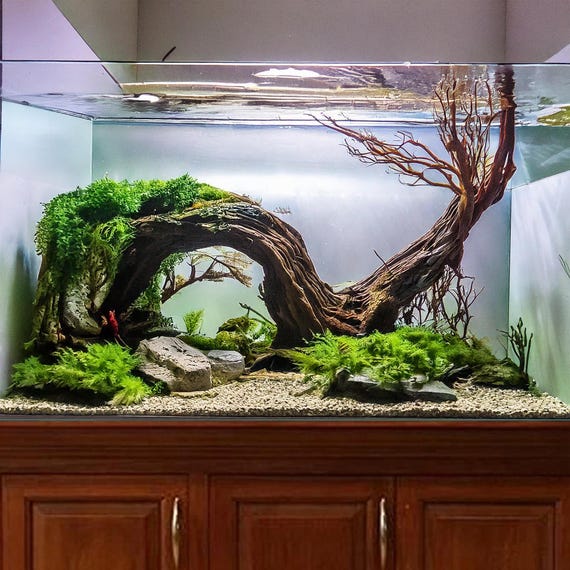
Credit: www.etsy.com
Building Techniques
Creating tunnels and arches in aquascapes adds depth and interest. These shapes need strong building methods. Proper techniques keep your design safe and lasting.
Using the right materials and placement helps form natural-looking structures. We will explore how to layer rocks, shape arches, and anchor plants well.
Layering And Stacking Rocks
Start with a solid base layer of large, flat rocks. This supports the weight of upper layers. Place smaller rocks on top, filling gaps tightly. Avoid loose stacking to prevent collapse.
- Choose rocks with flat surfaces for stability
- Stack rocks so they lean slightly inward
- Fill gaps with smaller stones or aquarium-safe adhesive
- Test stability by gently pressing on the stack
- Build slowly to adjust balance as you go
Shaping Arches Securely
Arches need careful shaping to avoid falling apart. Use curved rocks that fit well together. Support the arch ends firmly on the tank bottom. Avoid making arches too wide or tall.
| Arch Part | Tips for Stability |
| Base Ends | Place on flat, stable rock or substrate |
| Curved Middle | Use rocks with matching curves |
| Top Keystone | Fit tightly to lock arch in place |
| Support Fillers | Fill gaps with small stones or aquarium-safe cement |
Anchoring Plants Around Structures
Plants need secure anchoring near tunnels and arches. Use roots and plant bases to attach to rocks or wood. Avoid burying plants too deep to keep them healthy.
- Tie plants gently with fishing line or thread around rocks
- Place plant roots in rock crevices for natural hold
- Use plant weights if needed to prevent floating
- Trim plants regularly to encourage strong growth
- Choose species that attach well to hard surfaces
Maintenance Tips
Aquascaping with tunnels and arches creates a stunning underwater landscape. Regular maintenance keeps your aquascape healthy and beautiful.
Learn how to clean, prune, and monitor your aquascape for optimal results. These tips will help you maintain a vibrant and thriving environment.
Cleaning Hardscape Without Damage
Cleaning your hardscape is essential to prevent algae buildup and maintain clarity. Be gentle to avoid damaging delicate structures.
- Use a soft brush to remove algae from rocks and wood.
- Rinse hardscape pieces with dechlorinated water.
- Avoid harsh chemicals that can harm fish and plants.
Pruning Plants For Shape
Pruning plants helps maintain their shape and encourages healthy growth. Regular pruning keeps your aquascape neat and tidy.
| Plant Type | Pruning Frequency |
| Stem Plants | Every 2-3 weeks |
| Moss | Monthly |
| Carpet Plants | Every 4-6 weeks |
Monitoring Fish Behavior
Watching fish behavior helps you spot potential issues early. Healthy fish are active and interact with their environment.
Observe fish daily for signs of stress or illness. Look for changes in swimming patterns, appetite, and social interactions.

Credit: thangs.com
Common Challenges
Aquascaping with tunnels and arches creates stunning underwater scenes. It also presents special challenges to keep these structures stable and healthy.
Understanding these challenges helps maintain a beautiful and balanced aquascape over time.
Preventing Collapse
Tunnels and arches need strong support to avoid falling apart. Using the right materials and design is key to stability.
- Choose sturdy rocks or driftwood that fit well together
- Use aquarium-safe adhesives or silicone to fix pieces
- Build arches wide enough to balance weight
- Avoid stacking materials too high without strong base support
- Check regularly for signs of shifting or loosening
Managing Algae Growth
Algae can quickly cover tunnels and arches, hiding their beauty and harming plants. Controlling algae is important for clear views and healthy water.
| Algae Type | Cause | Control Method |
| Green Algae | Too much light | Reduce light hours; add algae eaters |
| Brown Algae | Low light, high nutrients | Improve water flow; lower nutrients |
| Hair Algae | Excess nutrients, poor maintenance | Regular cleaning; balance feeding |
Balancing Light And Shade
Tunnels and arches create shaded spots. Balancing light and shade helps plants grow well and prevents algae problems.
- Place light-loving plants near open areas
- Use shade-tolerant plants inside tunnels
- Adjust aquarium lighting to match plant needs
- Rotate decorations if some spots get too dark
- Monitor plant health and algae growth regularly
Frequently Asked Questions
What Are Tunnels And Arches In Aquascaping?
Tunnels and arches are design elements creating pathways and natural shapes within an aquarium. They enhance depth and visual interest while providing hiding spots for fish and shrimp.
How Do Tunnels Benefit Aquarium Inhabitants?
Tunnels offer shelter and reduce stress by mimicking natural hiding spaces. They encourage fish exploration and improve overall tank activity and health.
Which Materials Work Best For Aquascaping Tunnels?
Use driftwood, rocks, or sturdy plants to build tunnels. These materials are safe, natural-looking, and support beneficial bacteria growth.
How To Maintain Tunnels And Arches In Aquascapes?
Regularly trim plants and clean tunnels to prevent algae buildup. Ensure structures remain stable and adjust décor as fish grow or change.
Conclusion
Tunnels and arches bring life to any aquascape design. They create depth and invite fish to explore. Simple shapes add interest without crowding the tank. Use rocks, wood, or plants to build these features. Keep the layout balanced for a natural look.
Watch your fish enjoy the new hiding spots. Small changes can make a big difference underwater. Experiment with styles until you find what fits best. Aquascaping with tunnels and arches offers fun and beauty. Give it a try and see your aquarium transform.