
If you want your aquarium to look stunning and healthy, aquascaping with substrate layering is a game changer. This simple technique can transform your tank from ordinary to extraordinary by creating depth, improving plant growth, and making your underwater world come alive.
Imagine vibrant plants thriving and fish swimming in a beautifully structured environment that feels natural and inviting. You’ll discover how to master substrate layering step-by-step, so your aquarium becomes the centerpiece of any room. Ready to elevate your aquascaping skills?
Let’s dive in!
Choosing The Right Substrate
Choosing the right substrate is key for a healthy aquascape. It supports plant roots and affects water quality.
The substrate also shapes the tank’s look. Picking the best type helps plants grow and keeps your design neat.
Types Of Substrates
Substrates come in many forms. Gravel, sand, and soil are common choices in aquascaping.
- Gravel:Good for water flow and root support.
- Sand:Fine texture, great for small plants.
- Soil:Rich in nutrients, best for planted tanks.
- Clay-based:Holds nutrients and minerals well.
Nutrient-rich Options
Nutrient-rich substrates feed plants naturally. They reduce the need for extra fertilizers.
| Substrate Type | Key Nutrients | Best For |
|---|---|---|
| Fluorite | Iron, trace elements | Root feeders |
| Aquasoil | Organic matter, nitrogen | All planted tanks |
| Laterite | Iron, minerals | Mixed with gravel |
| Clay | Minerals, calcium | Root growth |
Balancing Aesthetics And Function
Look matters, but function is vital. Choose a substrate that fits your tank’s style and plant needs.
- Pick natural colors to blend with plants.
- Use layered substrates for depth and nutrients.
- Keep particle size uniform for a clean look.
- Mix nutrient layers under inert ones for balance.
Layering Techniques
Aquascaping with substrate layering helps create a natural look. Using different layers supports plant growth and aquarium health.
Each layer has a role, from base to top. Knowing layering techniques improves your aquascape’s depth and stability.
Base Layer Setup
The base layer forms the foundation. It provides nutrients and anchors the plants.
- Use nutrient-rich soil or aqua soil as the base.
- Spread evenly to create a stable floor.
- Keep the layer 2 to 4 inches thick depending on plant needs.
- Rinse gravel or sand before adding on top to avoid cloudiness.
Creating Depth With Middle Layers
The middle layer adds depth and separates the base from the top. It also helps with water flow and root space.
| Layer Type | Purpose | Material Examples |
| Separation Layer | Keeps layers distinct | Fine gravel, mesh |
| Drainage Layer | Prevents waterlogging | Clay balls, coarse sand |
| Root Support Layer | Allows plant roots to grow | Medium-sized gravel |
Top Layer Finishing Touches
The top layer affects the look and protects lower layers. It also helps anchor plants and decor.
Consider these finishing tips:
- Use fine sand or small gravel to cover middle layers.
- Add decorative stones or pebbles for style.
- Keep the layer thin, about 1 to 2 inches.
- Regularly clean this layer to avoid debris buildup.
Plant Selection For Layered Tanks
Choosing the right plants is key for aquascaping with substrate layering. Plants need different conditions based on their location in the tank.
Understanding which plants suit the foreground, midground, and background helps create depth and balance in your aquascape.
Foreground Plants
Foreground plants stay short and spread low. They create a carpet or small clumps to cover the front substrate.
- Java Moss
- Dwarf Hairgrass
- Glossostigma
- Monte Carlo
- Cryptocoryne Parva
Midground Choices
Midground plants grow taller than foreground but stay smaller than background plants. They add texture and layers.
| Plant | Height (cm) | Light Needs |
| Anubias Nana | 8-12 | Low to Medium |
| Cryptocoryne Wendtii | 10-15 | Low to Medium |
| Bucephalandra | 5-15 | Low to Medium |
| Java Fern | 10-20 | Low |
Background Greens
Background plants grow tall and fill space behind other plants. They help create a full and natural look.
- Vallisneria
- Amazon Sword
- Hygrophila Polysperma
- Cabomba
- Water Wisteria

Credit: www.youtube.com
Enhancing Tank Stability
Aquascaping with substrate layering helps keep your tank stable. Using different layers can improve water quality and plant growth.
Proper substrate design is crucial for a successful aquascape. It supports healthy plant roots and prevents unwanted mixing.
Preventing Substrate Mixing
Substrate mixing can cloud your tank water. It can also harm the plants and fish in your aquarium.
- Use a base layer of larger particles for stability.
- Add a finer top layer to prevent mixing.
- Avoid disturbing the substrate when cleaning or rearranging.
Anchoring Plants Effectively
Anchoring plants properly ensures they stay put. This is important for their growth and the overall look of your tank.
- Use plant weights for heavy plants.
- Secure roots with stones or pebbles.
- Choose plants with strong root systems.
Design Tips For Stunning Aquascapes
Aquascaping with substrate layering creates depth and beauty in your tank. It uses different layers of substrate to build a natural look.
Good design helps your aquascape look balanced and appealing. Try these tips to improve your layout with substrate layering.
Color Coordination
Choose substrate colors that match or contrast with your plants and decorations. This makes your aquascape more lively.
Use darker substrates to highlight bright plants. Light substrates work well with darker plants to create contrast.
- Match substrate color to plant tones for harmony
- Use contrasting colors to draw attention
- Consider natural colors for a realistic look
Texture And Contrast
Mix different substrate textures like fine sand and coarse gravel. This adds interest and makes the tank look natural.
Contrast smooth and rough textures to create depth. Use rougher substrates in the background and finer ones in the front.
- Combine fine and coarse substrates
- Place rough textures behind smooth ones
- Use texture to separate plant areas visually
Layering For Visual Flow
Stack substrate layers in different heights to guide the eye through the aquascape. This creates a natural flow.
Higher layers at the back and lower layers at the front add depth. Use slopes and mounds to shape the layout.
- Place taller layers in the background
- Create slopes for smooth transitions
- Use layers to separate plant groups

Credit: www.reddit.com
Maintenance Strategies
Maintaining an aquascape involves careful attention to detail. Substrate layering is key for healthy plant growth.
Effective maintenance ensures the longevity of your aquascape. Let’s explore some strategies to keep your substrate layers intact.
Cleaning Without Disrupting Layers
Cleaning is essential, but disrupting substrate layers can harm plant roots. Use gentle methods to maintain balance.
- Avoid deep substrate vacuuming
- Use gentle siphoning techniques
- Clean surface debris regularly
Monitoring Nutrient Levels
Nutrient levels in the substrate are vital for plant health. Regular monitoring helps you make necessary adjustments.
| Nutrient | Optimal Level |
| Nitrate | 10-20 ppm |
| Phosphate | 0.5-1.0 ppm |
| Potassium | 10-20 ppm |
Common Mistakes To Avoid
Creating a balanced substrate layer is key for a healthy aquascape. Many beginners make errors that affect plant growth and water quality.
Understanding what to avoid helps keep your aquarium stable and plants thriving. Here are common mistakes to watch out for.
Overcompacting Substrate
Pressing the substrate too hard reduces water flow and root space. Plants need loose substrate for oxygen and nutrients.
- Do not pack the substrate tightly.
- Leave small gaps for water movement.
- Use tools gently to avoid crushing layers.
Ignoring Plant Needs
Different plants require different substrate types and nutrients. Ignoring these needs leads to poor growth or plant death.
| Plant Type | Preferred Substrate | Key Nutrients |
| Carpet Plants | Fine Sand | Iron, Potassium |
| Rooted Plants | Clay-Based | Phosphorus, Nitrogen |
| Epiphytes | No Substrate Needed | Water Column Nutrients |
Neglecting Layer Balance
Substrate layers serve different purposes. Ignoring the balance causes nutrient loss and poor plant support.
Ensure your substrate has these layers:
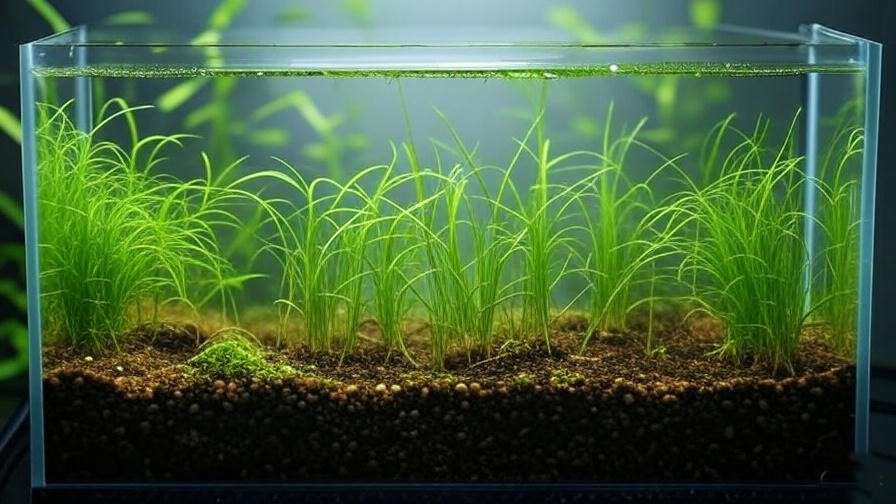
- Base layer:Nutrient-rich soil for plant roots.
- Middle layer:Gravel or sand for stability and water flow.
- Top layer:Fine sand or decorative gravel to prevent mixing.
Credit: agricarehub.com
Frequently Asked Questions
What Is Substrate Layering In Aquascaping?
Substrate layering involves placing different substrate types in layers. It enhances plant growth, root stability, and aquarium aesthetics. Layers often include nutrient-rich soil below and decorative gravel or sand on top. This method improves water circulation and nutrient absorption for healthy aquatic plants.
Why Use Multiple Substrate Layers In Aquascaping?
Multiple substrate layers provide essential nutrients and promote healthy root development. They help maintain water quality by preventing debris buildup. Layering also creates a natural look, mimicking riverbeds or lake floors. This technique supports diverse plant species and improves overall tank stability.
How Thick Should Substrate Layers Be?
Substrate layers should range from 2 to 4 inches thick. The bottom nutrient layer is usually 1 to 2 inches deep. The top decorative layer should be about 1 to 2 inches. Proper thickness ensures good root anchorage and nutrient availability.
Can Substrate Layering Prevent Algae Growth?
Yes, substrate layering can reduce algae growth by supporting healthy plants. Healthy plants outcompete algae for nutrients and light. Proper layering also improves water flow and prevents stagnant zones, limiting algae proliferation. Regular maintenance is essential for best results.
Conclusion
Substrate layering adds depth and health to your aquascape. It helps plants grow strong and keeps water clear. Choosing the right layers supports beneficial bacteria too. Start with nutrient-rich soil, then add sand or gravel on top. This method creates a natural look and stable environment.
Small changes make a big difference in your tank’s beauty. Try substrate layering to see your aquascape thrive. It’s simple and rewarding for any hobbyist. Give your underwater garden the best foundation to grow.