
If you want to transform your aquarium into a breathtaking underwater garden, aquascaping with rosette plants is the perfect way to start. These plants offer stunning shapes and textures that bring life and depth to your tank.
Imagine how your aquarium will stand out with lush greenery arranged in eye-catching patterns. Whether you’re a beginner or looking to upgrade your setup, this guide will help you create a vibrant, healthy aquascape that captivates anyone who sees it.
Ready to discover the secrets of working with rosette plants? Let’s dive in!
Rosette Plants Basics
Rosette plants are popular in aquascaping. They grow leaves in a circular pattern.
These plants add texture and shape to aquariums. They are easy to care for.
Key Characteristics
Rosette plants have leaves that grow from a central point. The leaves spread out like a rose.
They usually have thick, sturdy leaves. This helps them stay upright in water.
- Leaves grow in a circular, rosette pattern
- Leaves are often thick and broad
- Plants grow low and compact
- Easy to trim and shape
Popular Species
Many rosette plants are used in aquariums. Some are better for beginners.
- Echinodorus bleheri– large green leaves, easy care
- Ludwigia repens– red and green leaves, fast growth
- Bucephalandra– small, dark green leaves, slow growth
- Cryptocoryne wendtii– wavy leaves, tolerant to many conditions
Ideal Tank Conditions
Rosette plants grow best in stable water conditions. They need moderate light and nutrients.
Some species prefer soft water. Others do well in harder water.
| Condition | Ideal Range |
|---|---|
| Light | Moderate to high |
| Temperature | 72°F to 82°F (22°C to 28°C) |
| pH | 6.0 to 7.5 |
| Water Hardness | Soft to moderately hard |
| CO₂ | Supplement recommended but not required |

Credit: glassboxdiaries.com
Choosing Rosette Plants
Rosette plants add a unique look to aquascapes. Their circular leaf patterns bring natural beauty.
Picking the right rosette plants helps your aquarium stay healthy and balanced. Consider size, color, and compatibility.
Size And Growth Patterns
Rosette plants vary in size from small to large. Some grow slowly, while others spread quickly.
Choose plants that fit your tank size and space. Fast-growing plants need more care and trimming.
- Small plants suit nano tanks
- Large plants work for big aquariums
- Slow growers need less maintenance
- Fast growers fill space faster
Color And Texture
Rosette plants come in many colors, like green, red, and brown. Colors add depth to your aquascape.
Leaf texture can be smooth, rough, or wavy. Different textures create contrast and interest.
- Bright green shows freshness
- Red tones add warmth
- Wavy leaves bring softness
- Glossy leaves reflect light
Compatibility With Other Plants
Rosette plants grow well with many other species. They need similar light and water conditions.
Mix plants with different heights and shapes for a natural look. Avoid aggressive plants that crowd rosettes.
- Pair with tall stem plants
- Use low ground covers nearby
- Avoid plants that overshadow rosettes
- Check water needs match
Design Principles
Aquascaping with rosette plants requires careful design to create a pleasing look. Using design principles helps balance the aquarium’s visual elements.
Focusing on key areas like focal points, balance, and space makes the layout more natural and attractive.
Focal Points And Layers
Focal points draw the viewer’s eye and give the aquascape interest. Rosette plants with unique shapes or colors work well for this.
- Place a tall rosette plant as a main focal point
- Use smaller plants in front to create depth
- Arrange layers from back to front for natural flow
- Keep focal points clear and avoid clutter around them
Balance And Symmetry
Balance helps the aquascape feel stable and complete. Symmetry means both sides look similar, but asymmetry can also work well.
| Type | Description | Example |
| Symmetrical | Mirror image on both sides | Two similar rosette plants on each side |
| Asymmetrical | Different on each side but balanced | One large plant on left, two smaller on right |
| Radial | Elements arranged around a center point | Plants radiating from a central rock |
Using Negative Space
Negative space is the empty area in the aquascape. It helps plants stand out and prevents the tank from looking crowded.
Tips for using negative space:
- Leave open areas around rosette plants
- Use clear substrate or rocks to break plant groups
- Avoid filling every corner with plants
- Balance filled and empty spaces for calm effect
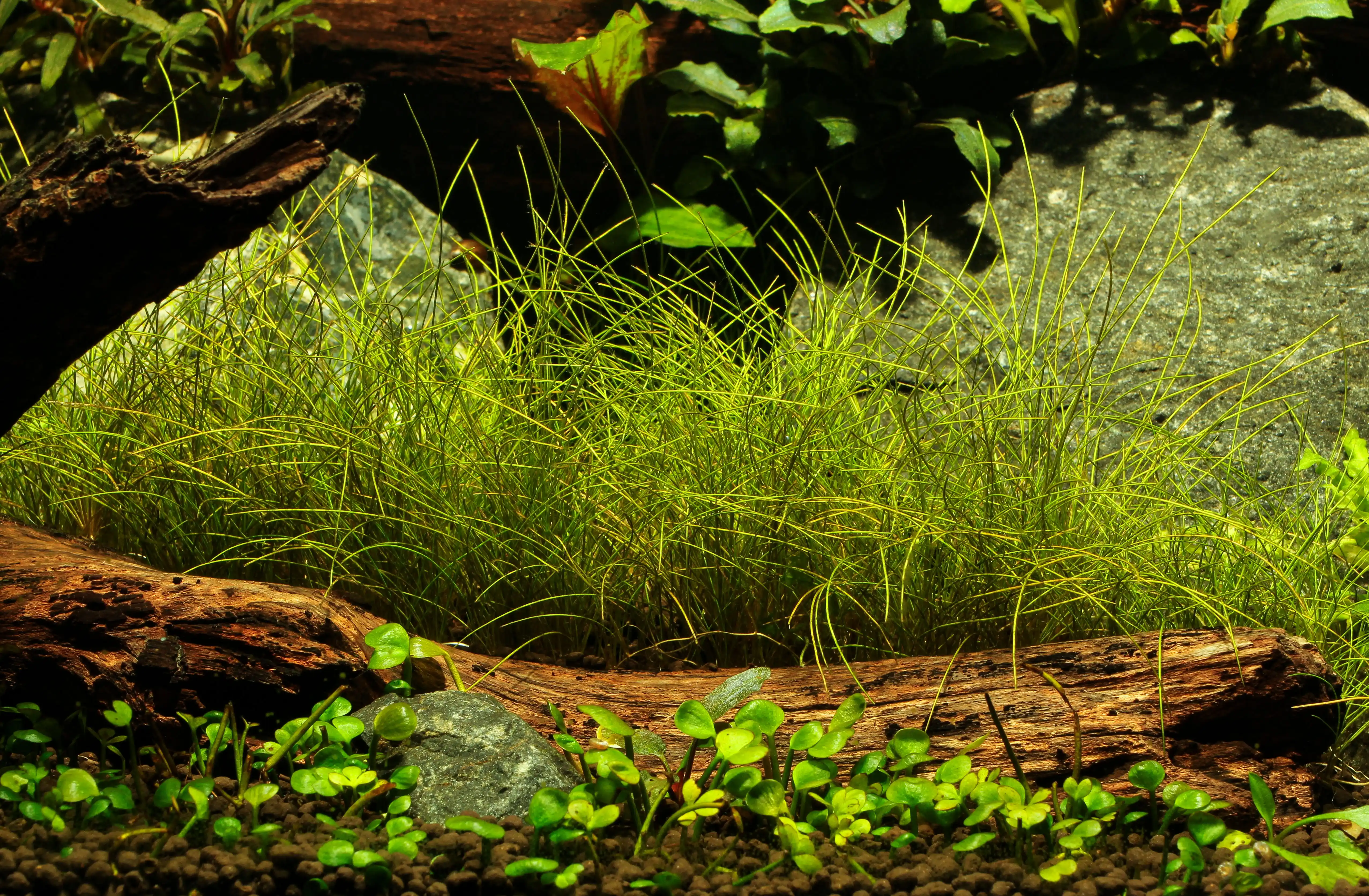
Credit: www.practicalfishkeeping.co.uk
Planting Techniques
Aquascaping with rosette plants creates stunning underwater landscapes. Proper planting techniques help these plants grow healthy and strong.
Focus on substrate, planting depth, spacing, and regular trimming. These steps keep your aquascape neat and balanced.
Substrate Preparation
Choose a nutrient-rich substrate to support rosette plants. The substrate should be soft enough for roots to spread easily.
Rinse the substrate before use to avoid clouding the water. Layering fine gravel over soil helps keep the substrate stable.
Planting Depth And Spacing
Plant rosette plants at a moderate depth. The root base should be buried well, but the crown must stay above the substrate.
- Keep 2 to 3 inches of space between each plant.
- Allow room for leaf growth and water flow.
- Space plants evenly to avoid overcrowding.
- Check spacing again after initial growth.
Trimming And Maintenance
| Task | Frequency | Purpose |
| Remove dead leaves | Weekly | Prevent decay and maintain water quality |
| Trim old leaves | Every 2 weeks | Encourage new growth and shape plants |
| Check root health | Monthly | Ensure roots are not rotting |
| Clean substrate surface | Monthly | Keep substrate free of debris |
Lighting And Co2
Aquascaping with rosette plants needs good lighting and CO2. These two factors help the plants grow strong and healthy.
Proper care of light and CO2 keeps the aquarium balanced and beautiful.
Lighting Requirements
Rosette plants need medium to high light. Light helps them make food through photosynthesis.
Too little light makes the plants grow slowly and lose color. Too much light can cause algae growth.
- Use full spectrum LED lights for best results
- Keep light on for 8 to 10 hours daily
- Avoid direct sunlight to prevent algae
Co2 Injection Benefits
CO2 injection helps rosette plants grow faster and stay green. Plants use CO2 to make energy.
Adding CO2 improves plant health and reduces stress. This makes the aquarium look fuller and more vibrant.
- Boosts photosynthesis rate
- Improves leaf shape and color
- Supports faster growth and propagation
Avoiding Algae Growth
Algae can harm rosette plants by blocking light and using nutrients. Control light and CO2 to prevent algae.
Keep a balance between light, CO2, and nutrients. Regular water changes also help keep algae low.
- Use timers to limit light hours
- Maintain steady CO2 levels
- Remove excess nutrients by cleaning tank
- Introduce algae-eating fish or snails
Common Challenges
Aquascaping with rosette plants can be rewarding. Still, it comes with its own set of challenges. These challenges include algae growth, plant melting, and nutrient deficiencies.
Understanding these issues can help you maintain a healthy and vibrant aquascape. Let’s explore some common challenges and how to tackle them.
Dealing With Algae
Algae can overtake your aquascape and block light from reaching plants. It competes for nutrients and makes the tank look dirty.
Regular water changes and controlling light exposure can help manage algae growth. Ensure you do not overfeed fish, as excess food can lead to more algae.
- Reduce light hours to 6-8 per day
- Use algae-eating fish or snails
- Clean the tank regularly
Preventing Plant Melting
Plant melting occurs when plants lose their leaves after being planted. It often happens when plants adapt to new water conditions.
To prevent this, acclimate plants slowly to the tank. Check water parameters regularly to ensure they are stable.
- Gradually introduce plants to the tank
- Maintain stable water temperature
- Ensure proper CO2 levels
Managing Nutrient Deficiencies
Plants need nutrients to grow well. A deficiency can cause yellowing leaves or stunted growth. Regularly checking nutrient levels can prevent deficiencies.
Using a balanced fertilizer can help provide essential nutrients. Test kits can identify what nutrients are lacking in the water.
| Nutrient | Deficiency Sign |
| Nitrogen | Yellow leaves |
| Potassium | Holes in leaves |
| Iron | Pale new leaves |
Inspiring Rosette Layouts
Aquascaping with rosette plants creates stunning underwater landscapes. These plants offer unique shapes and textures. They add depth and beauty to aquariums.
Explore different styles to transform your tank. From minimalist designs to dense jungle looks, rosette plants shine in any setting.
Minimalist Styles
Minimalist aquascapes focus on simplicity and space. Rosette plants add elegance without clutter. They create a peaceful and open environment.
Choose plants like Anubias and Cryptocoryne. These need little maintenance and look great. Use rocks and sand to complete the look.
- Simple plant choices
- Open spaces for fish
- Neutral colors for calmness
Dense Jungle Looks
Dense jungle styles make tanks look lush and natural. Rosette plants like Amazon Swords create a thick, green canopy. Fish love to explore and hide here.
Layer plants for depth and texture. Use different heights and leaf sizes. This creates a rich, vibrant aquascape.
- Variety of plant species
- Layered plant arrangement
- Natural, wild appearance
Themed Aquascapes
Themed aquascapes tell a story or mimic a scene. Rosette plants can represent forests or gardens. They help create a unique theme.
Combine plants, rocks, and decorations. Create scenes like a sunken city or a riverbed. Use color and form to enhance the theme.
- Creative and imaginative
- Use of props and decorations
- Consistent color themes

Credit: glassboxdiaries.com
Frequently Asked Questions
What Are Rosette Plants In Aquascaping?
Rosette plants have leaves arranged in a circular pattern near the base. They add texture and depth to aquascapes. Popular types include Echinodorus and Cryptocoryne species.
How To Care For Rosette Plants In Aquariums?
Provide moderate to high lighting and nutrient-rich substrate. Regular water changes and CO2 supplementation boost growth. Trim dead leaves to maintain health.
Which Aquascape Styles Suit Rosette Plants Best?
Rosette plants fit well in Dutch and Nature aquascapes. Their broad leaves create focal points and contrast with fine-leaved plants. They thrive in midground or background placements.
Can Rosette Plants Improve Aquarium Water Quality?
Yes, they absorb nitrates and excess nutrients effectively. This helps reduce algae growth and maintain a balanced ecosystem. Healthy rosette plants contribute to cleaner water.
Conclusion
Rosette plants add beauty and structure to any aquascape. They grow well and offer many shapes and colors. Use them to create depth and interest in your tank. These plants need good light and care to thrive. Watch your aquascape change as rosettes grow and spread.
Start small and enjoy the peaceful green world you create. Aquascaping with rosette plants brings calm and natural charm to your space. Simple, fresh, and alive.