
If you want to create a stunning underwater landscape, aquascaping with natural gravel is a simple and effective way to start. Choosing the right gravel can transform your aquarium into a vibrant, natural-looking environment that feels alive.
You’ll discover how natural gravel not only enhances the beauty of your tank but also supports healthy plant growth and fish life. Ready to make your aquarium stand out? Keep reading to learn the secrets behind using natural gravel to craft a breathtaking aquascape.
Choosing Natural Gravel
Natural gravel is a popular choice for aquascaping. It adds a natural look to the aquarium floor. Choosing the right gravel helps plants and fish thrive.
Different types of natural gravel vary in shape, size, and color. You should consider these features before buying gravel for your tank.
Types Of Gravel
There are several common types of natural gravel used in aquascaping. Each has unique benefits and looks.
- Quartz gravel: clear or white, smooth texture
- Granite gravel: durable with mixed colors
- Limestone gravel: light color, can raise tank pH
- River rock: rounded and smooth, often multicolored
- Basalt gravel: dark color, adds contrast
Color And Texture Options
| Color | Effect in Aquarium | Texture |
| Light (white, beige) | Makes tank look bright and spacious | Fine or coarse |
| Dark (black, gray) | Highlights plants and fish colors | Usually smooth or rough |
| Mixed colors | Natural, riverbed appearance | Rounded or angular |
Texture affects how water flows and how easy it is to clean the gravel. Smooth gravel is gentle on fish but may compact more.
Gravel Size And Suitability
Choosing the right gravel size is important for plant roots and fish safety. Small gravel is good for plants but may trap debris. Large gravel allows water flow but can be hard to clean.
- Fine gravel (1-3 mm): Best for rooted plants, but clean often
- Medium gravel (4-6 mm): Good balance for plants and fish
- Coarse gravel (7-10 mm): Suitable for larger fish and easy cleaning
Preparing The Tank Base
Preparing the tank base is a key step in aquascaping with natural gravel. A good foundation helps plants grow and keeps the aquarium healthy.
This process includes cleaning, layering, adding nutrients, and shaping the gravel to create depth. Each step supports a balanced underwater environment.
Cleaning And Layering
Start by rinsing the tank base and gravel to remove dust and debris. Clean gravel prevents cloudiness and protects aquatic life.
- Use lukewarm water to rinse gravel thoroughly.
- Avoid using soap or chemicals.
- Layer the gravel evenly across the tank base.
- Create a gentle slope by placing more gravel at the back.
Adding Nutrients
Adding nutrients under the gravel supports plant roots. Use nutrient-rich substrates or powders designed for aquariums.
| Type of Nutrient | Benefit |
| Iron-rich substrate | Boosts plant growth |
| Potassium supplements | Improves plant health |
| Mineral powders | Supports root development |
Creating Depth With Gravel
Creating depth in the gravel adds visual interest and helps plant roots grow stronger. Layer gravel from thick at the back to thin at the front.
- Place 3 to 4 inches of gravel at the back.
- Reduce to 1 to 2 inches near the front.
- Use a flat tool to smooth the layers.
- Check for evenness before adding water.
Design Principles
Aquascaping with natural gravel creates beautiful underwater scenes. Good design helps your aquarium look balanced and natural.
Understanding basic design principles improves your aquascape. These include balancing colors and shapes, focal points, flow, and using negative space.
Balancing Colors And Shapes
Use natural gravel colors that match plants and decorations. Balance light and dark tones to create contrast.
Mix round and sharp shapes for visual interest. Natural gravel with smooth edges softens rough plant shapes.
- Combine green plants with brown or gray gravel
- Use different gravel sizes for texture variety
- Place colorful stones sparingly to avoid clutter
Focal Points And Flow
Create a strong focal point to draw attention. Use a special rock or unique plant on natural gravel as the center.
Arrange gravel and plants so the eye moves smoothly. Flow guides viewers through the aquascape naturally.
- Place the focal point off-center for balance
- Use gravel paths or lines to direct the eye
- Vary plant heights to add depth and flow
Using Negative Space
Negative space is the empty area around objects. It helps your aquascape feel open and not crowded.
Leave clear spots of natural gravel to highlight plants and decorations. This makes your design clean and simple.
- Keep some gravel areas free of plants
- Use negative space to separate different elements
- Avoid filling every inch with decorations
Credit: www.etsy.com
Plant Selection For Gravel
Choosing plants for aquascaping with natural gravel is important. The gravel affects which plants grow well.
Some plants need strong roots in the gravel. Others float above it. Knowing the difference helps your design.
Rooted Plants Vs. Floating Plants
Rooted plants grow their roots into the gravel. They get nutrients from the substrate. They look natural and stay in place.
Floating plants do not need gravel. They float on the water surface. They get nutrients from the water and light.
- Rooted plants need gravel to hold them down.
- Floating plants need no substrate for roots.
- Rooted plants add structure and depth.
- Floating plants offer shade and cover.
Plants That Thrive In Gravel
Some plants grow better than others in natural gravel. These plants have strong roots and adapt well.
- Anubias: Grows well attached to rocks or wood, but roots can anchor in gravel.
- Cryptocoryne: Likes to root deeply in gravel and is low maintenance.
- Java Fern: Can be tied to wood, but roots can spread in gravel.
- Dwarf Hairgrass: Spreads through rhizomes and grows well in fine gravel.
- Amazon Sword: Needs deep gravel for strong root growth.
Placement Techniques
Place plants carefully in gravel to help them grow. Use depth and spacing to support roots and leaves.
Plant taller species in the back. Shorter or ground-cover plants go in front. Leave space for floating plants above.
- Push rooted plants deep enough to cover roots fully.
- Group similar plants together for a natural look.
- Place floating plants where they get enough light.
- Use gravel size that supports roots but allows water flow.
Incorporating Hardscape Elements
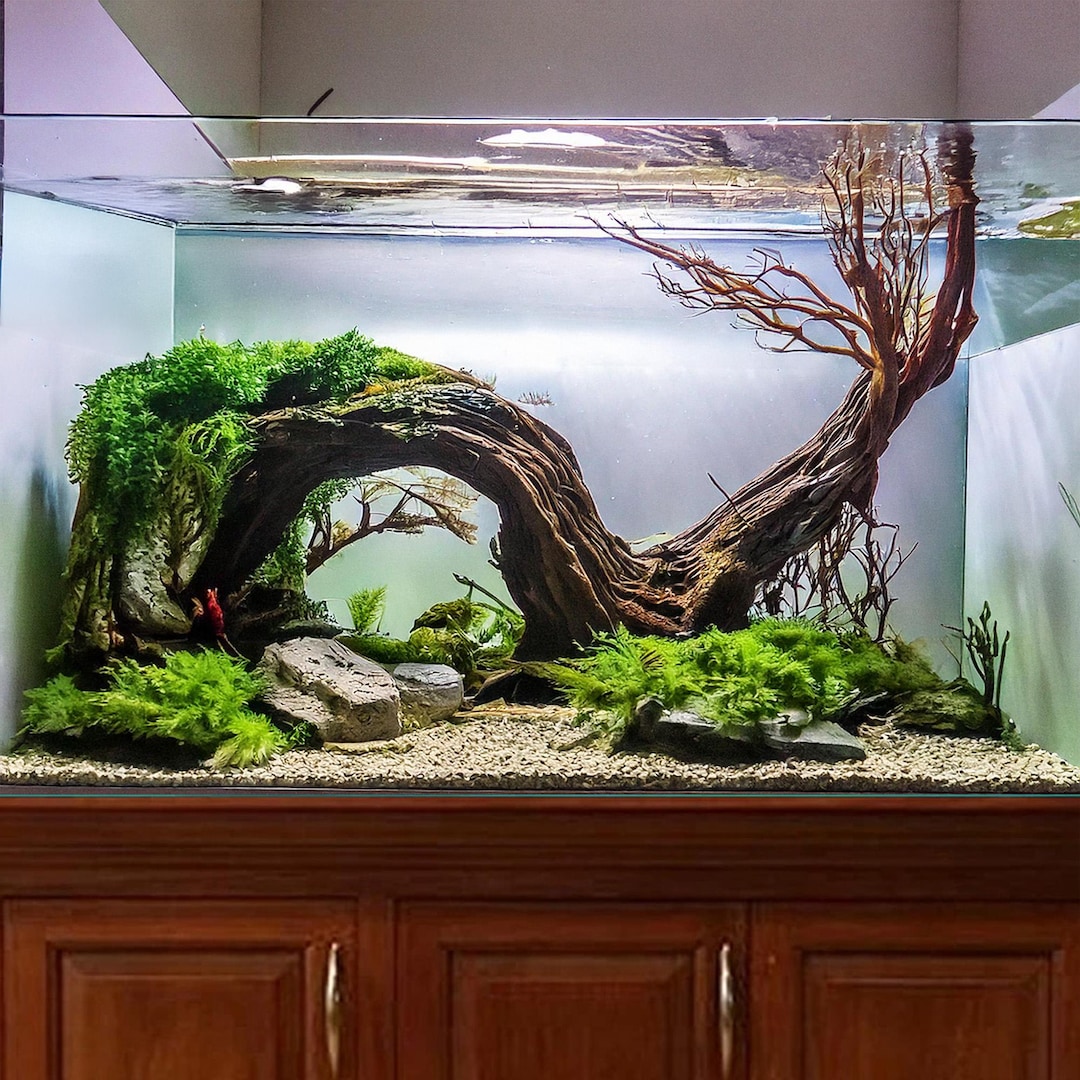
Hardscape elements like rocks and driftwood add depth to your aquascape. They create natural shapes and textures.
Using natural gravel with these elements helps build a balanced and realistic underwater scene.
Rocks And Driftwood
Rocks give structure and height to your aquascape. Driftwood adds organic curves and hiding spots for fish.
Choose rocks and driftwood that match the size of your tank and gravel type. Avoid sharp edges that can harm fish.
Arranging For Natural Look
Place rocks and driftwood in uneven groups to mimic nature. Avoid perfect symmetry and straight lines.
- Use smaller rocks near larger ones for scale
- Let driftwood twist naturally with gravel around it
- Leave open spaces for plants and swimming areas
Blend hardscape with gravel by burying parts of rocks and wood slightly. This creates a rooted appearance.
Avoiding Common Mistakes
Do not overcrowd the tank with too many hardscape pieces. It can look busy and block fish movement.
Do not use rocks or wood that release harmful substances. Clean all elements before adding them to the tank.
- Check hardness and pH effects of rocks
- Soak driftwood to remove tannins and debris
- Keep enough space for plants and fish to thrive
Maintenance Tips
Maintaining an aquascape with natural gravel requires careful attention. Regular care keeps your underwater garden healthy and beautiful.
These tips help you manage your aquascape without disturbing the delicate balance of your aquatic environment.
Cleaning Gravel Without Disruption
Cleaning gravel is crucial for a healthy aquascape. It removes debris and prevents harmful buildup.
- Use a gravel vacuum to gently clean the surface.
- Avoid stirring up the substrate too much.
- Remove only a portion of debris at a time.
Preventing Algae Growth
Algae can quickly take over your aquascape if not controlled. Keep it at bay with these simple steps.
| Method | Details |
| Lighting | Limit light to 8 hours a day |
| Plants | Add more plants to compete with algae |
| Water Changes | Perform regular water changes |
Routine Gravel Care
Routine care of your gravel ensures a long-lasting aquascape. Follow these practices to keep it in top condition.
- Inspect gravel regularly for signs of wear.
- Replace damaged or worn gravel as needed.
- Monitor water parameters to ensure balance.
Troubleshooting Common Issues
Aquascaping with natural gravel can be a rewarding hobby. But, it comes with challenges. Let’s explore common issues and their solutions.
Understanding these issues will help maintain a healthy aquatic environment. Addressing them promptly ensures your aquascape thrives.
Gravel Compaction
Compacted gravel can restrict water flow. This can harm plant roots. Regular maintenance is essential to prevent this issue.
Use a gravel vacuum during water changes. It helps to loosen the gravel, promoting better circulation.
Cloudy Water Causes
Cloudy water often results from improper cleaning. It can also occur due to bacterial blooms.
- Rinse gravel thoroughly before use.
- Regularly clean filters to maintain water clarity.
- Limit feeding to avoid excess waste.
Plant Health Problems
Healthy plants are vital for a balanced aquascape. Look for signs like yellowing leaves or stunted growth. These indicate underlying issues.
| Symptom | Possible Cause |
| Yellow leaves | Nutrient deficiency |
| Stunted growth | Poor lighting |
| Algae growth | Excess nutrients |

Credit: www.amazon.com
Credit: www.chewy.com
Frequently Asked Questions
What Is Natural Gravel In Aquascaping?
Natural gravel is small, rounded stones used as substrate in aquascaping. It provides a natural look and supports plant growth by allowing water circulation and root anchoring. It also helps beneficial bacteria colonize, promoting a healthy aquarium environment.
How Does Natural Gravel Benefit Aquatic Plants?
Natural gravel offers excellent root support and nutrient absorption for aquatic plants. It improves water flow around roots, preventing stagnation. Its porous surface promotes beneficial bacteria growth, enhancing nutrient cycling and overall plant health in your aquascape.
Can Natural Gravel Affect Water Quality?
Yes, natural gravel can influence water quality. It may contain minerals that alter pH and hardness. Proper rinsing before use reduces dust and contaminants. Choosing inert gravel helps maintain stable water parameters, essential for fish and plant health.
How To Clean Natural Gravel In Aquariums?
To clean natural gravel, gently rinse it with dechlorinated water. Avoid harsh scrubbing to preserve beneficial bacteria. Use a gravel vacuum during water changes to remove debris without disturbing the substrate structure.
Conclusion
Natural gravel brings a fresh, simple look to any aquascape. It supports healthy plant growth and fish habitats well. Choosing the right gravel helps keep your tank clean and balanced. Small changes in gravel type can change your aquarium’s mood.
Try natural gravel to create a peaceful, natural underwater scene. Enjoy the beauty and ease it adds to your tank. Your aquascape will feel alive and inviting every day. Simple materials, great results.