
Are you looking to transform your aquarium into a stunning underwater garden? Aquascaping with midground plants is the secret to adding depth and balance to your tank.
These plants create a natural flow between the foreground and background, making your aquarium look more vibrant and alive. If you want your aquarium to stand out and feel like a peaceful retreat, understanding how to use midground plants is key.
Keep reading, and you’ll discover simple tips to choose, place, and care for these plants—turning your aquarium into a true masterpiece.

Credit: buceplant.com
Choosing Midground Plants
Midground plants bring depth and balance to your aquascape. They fill the space between foreground and background plants. Choosing the right midground plants helps create a natural look in your tank.
Consider size, shape, and color when selecting plants. These features affect how well plants fit and grow in your aquarium’s midsection.
Best Species For Midground
Some popular midground plants suit many aquarium styles. Look for species that stay medium-sized and have interesting leaf shapes. These plants add texture and life without blocking your view.
- Anubias Nana: Slow growing and sturdy
- Cryptocoryne Wendtii: Varied leaf colors and sizes
- Java Fern: Easy to care for and tough
- Staurogyne Repens: Low-growing with bright green leaves
- Hygrophila Corymbosa: Fast growing with bushy appearance
Growth Patterns And Sizes
Midground plants grow to medium height, usually between 4 and 12 inches. Their shapes vary from bushy to slender and tall. Knowing growth patterns helps you arrange plants without overcrowding.
| Plant | Height | Growth Speed | Shape |
| Anubias Nana | 4-6 inches | Slow | Compact, broad leaves |
| Cryptocoryne Wendtii | 6-10 inches | Medium | Wavy, elongated leaves |
| Java Fern | 6-12 inches | Slow | Long, narrow leaves |
| Staurogyne Repens | 4-6 inches | Medium | Dense, bushy |
| Hygrophila Corymbosa | 8-12 inches | Fast | Upright, leafy |
Color And Texture Options
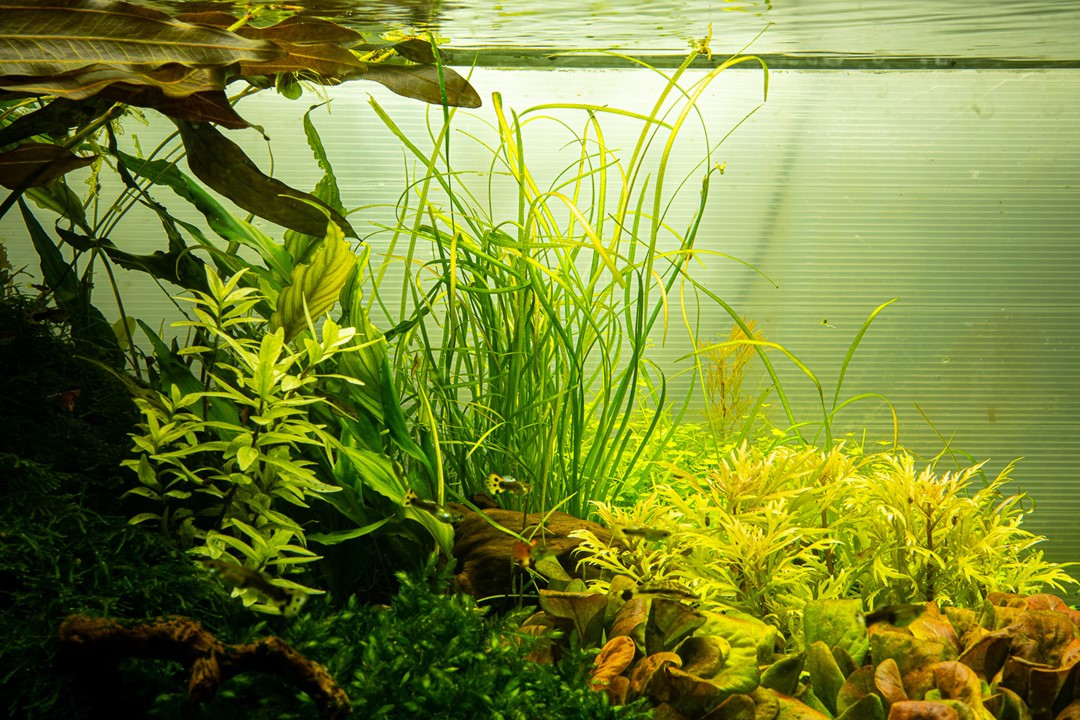
Midground plants offer many colors from bright green to dark red. Leaf texture can be smooth, wavy, or rough. Mixing colors and textures creates a rich, natural look in your aquarium.
- Green Leaves:Common and calming, found in Anubias and Java Fern.
- Red or Brown Tints:Add contrast, seen in some Cryptocoryne varieties.
- Leaf Textures:Smooth leaves like Hygrophila, and wavy ones like Cryptocoryne.
- Glossy or Matte Surfaces:Glossy leaves reflect light, matte leaves look soft.
Credit: aquascaperoom.ca
Placement Strategies
Using midground plants in aquascaping helps make your tank look natural. Their placement connects the foreground and background smoothly.
Good placement makes the aquarium feel balanced and full of life. It creates a pleasing scene for viewers to enjoy.
Balancing Foreground And Background
Midground plants act as a bridge between small foreground plants and tall background plants. Place them so they fill gaps without blocking view.
Choose plants that match the height and texture of both foreground and background. This keeps the tank looking balanced and natural.
- Use midground plants that are taller than foreground but shorter than background
- Place them in clusters for a natural transition
- Keep space between groups to avoid overcrowding
Creating Depth And Layers
Midground plants help build depth by adding layers to the aquascape. Place them at different distances from the front glass.
Layering plants with different shapes and sizes makes the tank look bigger and more interesting.
- Put some midground plants closer to the foreground
- Place others near the background but not too tall
- Use varied leaf shapes to add texture and contrast
Focal Points With Midground Plants
Create focal points by grouping midground plants with bright colors or unique shapes. This draws attention to key areas.
Place these plants near the center or along the golden ratio lines to guide the viewer’s eye.
- Use colorful midground plants to create eye-catching spots
- Combine tall and short plants to add visual interest
- Place focal points near hardscape elements like rocks or wood
Care And Maintenance
Midground plants add depth and beauty to your aquascape. They need proper care to stay healthy. This guide covers lighting, fertilization, and pruning tips.
Regular attention helps these plants grow well and maintain their shape. Follow these simple steps for best results.
Lighting Requirements
Midground plants need moderate light to grow. Too much light causes algae growth. Too little light slows their development.
- Use LED or fluorescent lights with a 6 to 8 hour daily cycle.
- Keep light intensity medium to avoid stress on plants.
- Position lights evenly to cover all areas.
- Monitor plants and adjust light as needed.
Fertilization Tips
Fertilizers provide essential nutrients. Use them carefully to avoid harming fish or plants.
| Fertilizer Type | Use Frequency | Benefits |
| Liquid Fertilizer | Weekly | Quick nutrient boost |
| Root Tabs | Every 2 months | Supports root growth |
| CO2 Supplement | Daily (if used) | Improves plant health |
Pruning Techniques
Pruning keeps midground plants neat and promotes new growth. Remove dead leaves and trim overgrown areas.
- Use sharp scissors for clean cuts.
- Trim just above a leaf node or stem junction.
- Remove yellow or damaged leaves promptly.
- Thin out crowded areas to improve water flow.
- Regularly check plants to maintain shape.
Credit: www.pond-planet.co.uk
Combining With Hardscape Elements
Midground plants add depth and life to an aquascape. Combining them with hardscape elements creates a balanced view.
Hardscape elements like rocks and driftwood give structure and contrast. This helps highlight the plants’ shapes and colors.
Using Rocks And Driftwood
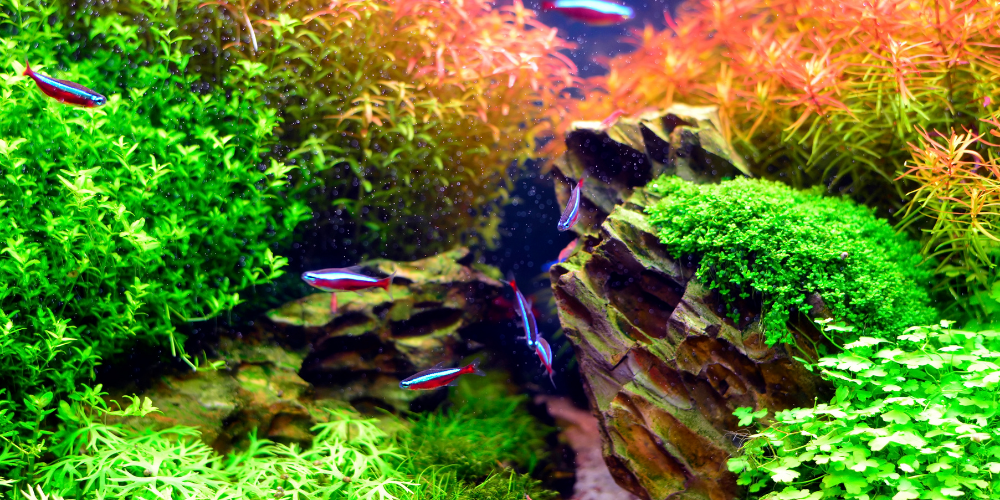
Rocks and driftwood act as anchors in the midground area. They provide a natural place for plants to grow around and between.
Choose rocks with smooth edges or interesting shapes. Driftwood adds a soft and natural feel to the layout.
- Place rocks to create small hills or caves
- Use driftwood to guide the eye through the tank
- Plant around hardscape to soften edges
Enhancing Natural Looks
Combine midground plants with hardscape to mimic real nature. Use a mix of textures and heights for a natural feel.
Let plants grow partly over rocks and wood. This makes the scene look older and more natural.
- Choose plants that match the scale of hardscape
- Vary plant sizes for a layered look
- Keep plant colors natural and subtle
Avoiding Overcrowding
Do not plant too many midground plants close together. Overcrowding hides hardscape and reduces flow in the tank.
Leave some empty space around rocks and driftwood. This keeps the design open and easy to see.
- Space plants evenly to show off hardscape
- Trim plants regularly to keep shapes clear
- Use fewer plants for a cleaner look
Common Challenges
Aquascaping with midground plants can be rewarding. Yet, it comes with some common challenges. Knowing these helps keep your aquascape healthy and attractive.
This guide covers managing algae growth, preventing plant meltdown, and handling fish interactions. Each section offers tips to solve these issues.
Managing Algae Growth
Algae often grows fast and can cover your plants. It competes for light and nutrients. Controlling algae is key to healthy midground plants.
- Keep your tank clean by regular water changes.
- Limit direct sunlight to the aquarium.
- Use the right balance of light and nutrients.
- Add algae-eating fish or snails if suitable.
- Avoid overfeeding your fish.
Preventing Plant Meltdown
Plant meltdown means your plants wilt and die quickly. It happens due to poor conditions or sudden changes. Watch for signs like yellowing leaves or melting stems.
| Cause | Effect on Plants | Solution |
| Sudden water parameter change | Leaves turn yellow and fall off | Keep water stable and test regularly |
| Low light | Slow growth and pale leaves | Use proper aquarium lighting |
| Nutrient deficiency | Weak stems and holes in leaves | Use plant fertilizers carefully |
| Poor CO2 levels | Plants fail to thrive | Consider CO2 injection or supplements |
Dealing With Fish Interactions
Fish can affect midground plants in many ways. Some fish eat or uproot plants. Others may stir up the substrate, harming roots.
- Choose fish species that are plant-friendly.
- Provide enough hiding spots for fish to reduce stress.
- Use heavier plants or anchor them well.
- Observe fish behavior and separate aggressive ones.
- Feed fish properly to reduce plant nibbling.
Design Inspiration
Aquascaping is the art of arranging aquatic plants in an aquarium. Midground plants play a vital role in creating depth and harmony. They act as the bridge between the foreground and background.
Using midground plants creatively can transform an ordinary tank into a living masterpiece. Let’s explore different design inspirations using midground plants.
Minimalist Midground Layouts
Minimalist layouts focus on simplicity and elegance. Using fewer plants can highlight each one’s unique beauty.
Choose plants with contrasting shapes and sizes. This creates visual interest without cluttering the space.
- Use Anubias for its striking leaves
- Place Cryptocoryne for subtle texture
- Leave open spaces for balance
Lush And Dense Arrangements
Lush arrangements make the aquarium feel vibrant and alive. Midground plants can be planted closely together for this look.
Select plants that grow quickly and densely. This will fill out the tank and create a natural habitat.
- Java Fern adds depth with its tall leaves
- Rotala offers a pop of color
- Bucephalandra fills gaps effectively
Themed Aquascapes
Themed aquascapes tell a story through design. Midground plants can represent landscapes like forests or meadows.
Pick plants that match your chosen theme. This creates a cohesive and immersive experience.
- For a forest theme, use moss and ferns
- For a meadow look, use dwarf sagittarius
- For a riverbed, use sand and small stones
Frequently Asked Questions
What Are Midground Plants In Aquascaping?
Midground plants are medium-height aquatic plants placed between foreground and background. They add depth and balance to aquascapes, creating natural transitions. These plants often have lush foliage and moderate growth rates. They help enhance the overall visual appeal of the aquarium.
Why Use Midground Plants In Aquascaping?
Midground plants provide a natural layer that links foreground and background elements. They create depth and improve the tank’s aesthetics. These plants offer hiding spots for fish and contribute to a balanced ecosystem. Their size fits perfectly in the middle zone of the aquascape.
Which Midground Plants Are Best For Beginners?
Easy-to-grow midground plants include Anubias, Cryptocoryne, and Java Fern. They require low to moderate light and minimal maintenance. These plants adapt well to various water conditions. They are ideal for beginners due to their resilience and straightforward care needs.
How To Arrange Midground Plants Effectively?
Place midground plants behind low foreground plants and in front of taller background plants. Use varied textures and colors for visual interest. Maintain enough space for fish to swim. Regular pruning keeps plants healthy and the aquascape tidy.
Conclusion
Midground plants bring balance and depth to aquascapes. They create a natural look between foreground and background. Choosing the right plants helps your aquarium feel lively and full. Regular care keeps these plants healthy and growing strong. Experiment with shapes and colors to add interest.
Small changes can make a big difference in your tank’s appearance. Enjoy the peaceful, green space you create with midground plants.