
Are you ready to transform your aquarium into a stunning underwater garden while keeping your young fish safe? Aquascaping with juvenile fish protection is the secret to creating a beautiful, balanced tank where your baby fish can grow without harm.
Imagine a vibrant space filled with lush plants and hiding spots that not only look amazing but also give your little swimmers the shelter they need. You’ll discover simple yet effective ways to design your aquascape so your juvenile fish thrive and your tank stays healthy.
Keep reading to unlock tips that will change how you care for your aquatic world.
Choosing Safe Plants And Decorations
Aquascaping with juvenile fish means extra care in plant and decoration choices. Safe options keep young fish healthy and stress-free.
Pick plants and decorations that do not harm the fish or block their swimming paths. This helps them grow well in your aquarium.
Non-toxic Plant Varieties
Choose plants that are safe for all fish, especially juveniles. Non-toxic plants will not release harmful chemicals into the water.
- Anubias
- Java Fern
- Amazon Sword
- Cryptocoryne
- Marimo Moss Balls
Creating Hiding Spots
Juvenile fish need places to hide and feel safe. Use plants and decorations to make cozy spots where they can rest.
Hiding spots reduce stress and protect fish from bigger tank mates. Create areas with dense plants or gentle caves.
- Cluster thick plants like Java Moss
- Use smooth driftwood with spaces underneath
- Add small ceramic caves or tunnels
- Arrange rocks to make safe corners
Avoiding Sharp Objects
Sharp decorations can hurt juvenile fish. Avoid objects with rough edges or points that may cause injury.
Check all decorations carefully before adding them. Sand down rough surfaces or choose smooth, safe materials.
- No broken shells or sharp rocks
- Use smooth river stones
- Choose rounded driftwood pieces
- Avoid decorations with metal parts
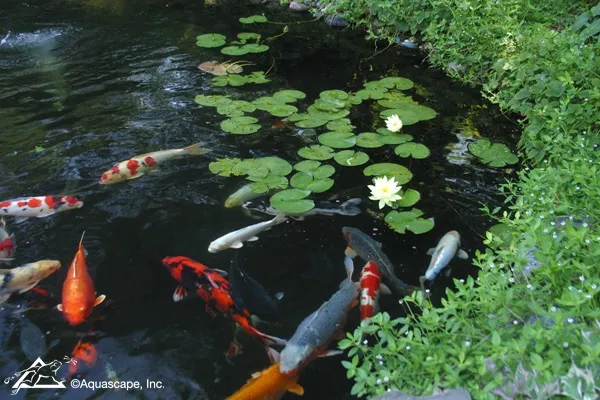
Credit: www.aquascapeinc.com
Tank Setup For Juvenile Safety
Keeping juvenile fish safe requires careful tank setup. A good environment helps young fish grow strong and healthy.
This guide covers tank size, water conditions, and filtration to protect juvenile fish.
Optimal Tank Size
Choose a tank size that allows plenty of swimming space. Juvenile fish need room to avoid stress and injury.
- Small juveniles: at least 10 gallons
- Medium juveniles: 20 gallons or more
- Group tanks: increase size by 5 gallons per extra fish
Water Parameters For Juveniles
Keep water clean and stable. Young fish are sensitive to changes in their environment.
| Parameter | Ideal Range |
| Temperature | 74°F – 78°F (23°C – 26°C) |
| pH | 6.5 – 7.5 |
| Ammonia | 0 ppm |
| Nitrite | 0 ppm |
| Nitrate | Below 20 ppm |
Filtration And Flow Control
Use gentle filtration to keep water clear without stressing juveniles. Strong currents can tire or harm young fish.
- Choose sponge filters or adjustable flow filters
- Place filter outputs low to reduce flow speed
- Check filter regularly to avoid debris buildup
- Use flow guards or baffles if needed
Compatible Fish Species
Aquascaping with juvenile fish protection needs careful fish selection. Some species live peacefully with young fish. Others may harm juveniles or disturb plants.
Choosing the right fish keeps your tank balanced and safe. This guide helps you pick good tank mates and avoid problems.
Peaceful Tank Mates
Peaceful fish species do well in planted tanks with juveniles. They do not nip fins or chase smaller fish. These species help maintain a calm environment.
- Neon Tetras
- Corydoras Catfish
- Harlequin Rasboras
- Otocinclus Catfish
- Cherry Shrimp (non-fish but peaceful)
Species To Avoid
Some fish are aggressive or large enough to eat juveniles. Avoid these species to protect your young fish and plants. They may also uproot plants while foraging.
| Species | Reason to Avoid |
|---|---|
| Oscar Fish | Aggressive and eats small fish |
| Goldfish | Disturbs plants and may eat juveniles |
| Betta Fish (male) | Aggressive toward other fish |
| Silver Dollars | Large and may uproot plants |
| Cichlids (many species) | Territorial and aggressive |
Introducing New Fish
Adding new fish requires care to keep juveniles safe. Introduce fish slowly to reduce stress and fighting. Watch interactions closely for the first days.
- Quarantine new fish for at least two weeks
- Float new fish in a bag to match tank temperature
- Release fish gently away from juveniles
- Monitor tank for aggression or stress signs
- Feed all fish well to reduce food competition
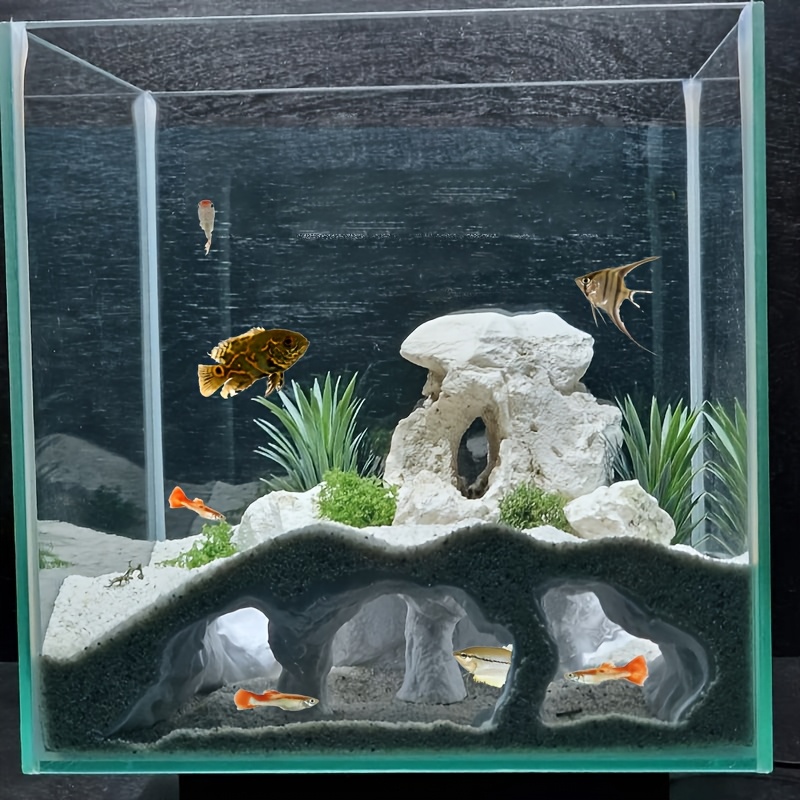
Credit: www.temu.com
Feeding Strategies For Young Fish
Feeding young fish properly is key to their growth and health. Juvenile fish need special care to get enough nutrients.
Good feeding habits also help keep the aquarium clean and safe for all fish.
Appropriate Food Types
Young fish need small, easy-to-eat food. Choose foods that fit their size and digestion.
Use high-quality flakes, micro pellets, or live foods like baby brine shrimp. These provide good nutrition and encourage natural feeding.
- Micro pellets designed for juveniles
- Crushed flakes for tiny mouths
- Live foods such as baby brine shrimp or daphnia
- Frozen foods finely chopped
Feeding Frequency
Feed juvenile fish several small meals daily. Frequent feedings match their fast metabolism and growth needs.
Offer food 3 to 5 times a day in small amounts. Remove leftover food quickly to keep water clean.
- Feed 3 to 5 times daily
- Offer small portions each time
- Watch fish to avoid overfeeding
- Clean excess food after 5 minutes
Preventing Food Competition
Young fish can lose food to bigger tank mates. Use strategies to reduce competition and stress.
Feed juveniles in separate areas or use feeding rings. This helps them get enough food without fighting.
- Feed juveniles in hiding spots or separate tanks
- Use feeding rings to keep food contained
- Provide multiple feeding spots for different fish
- Watch for aggressive fish and adjust feeding times
Monitoring Juvenile Health
Aquascaping with juvenile fish requires careful attention to their health. Regular monitoring ensures they grow strong and healthy.
Understanding the signs of stress or disease helps in maintaining a safe environment for juvenile fish.
Signs Of Stress Or Disease
Juvenile fish may show signs of stress or illness, which need immediate attention. Observing their behavior and appearance can help identify issues early.
- Changes in color or spots on the body
- Erratic swimming or staying at the surface
- Lack of appetite or abnormal breathing
Regular Tank Maintenance
Maintaining a clean tank is vital for juvenile fish health. Regular cleaning prevents disease and stress.
| Task | Frequency |
| Water change | Weekly |
| Filter cleaning | Bi-weekly |
| Algae removal | As needed |
Quarantine Procedures
Quarantining new fish is crucial to prevent the spread of disease. This step protects the entire tank population.
Set up a separate quarantine tank. Observe new fish for at least 2 weeks before introducing them to the main tank.
Breeding And Raising Juveniles
Aquascaping with juvenile fish protection helps young fish grow safely. It creates a perfect environment for breeding and raising fry.
Careful planning of the tank setup is important. It supports the fish from spawning to full growth.
Spawning Areas
Spawning areas must be quiet and safe for adult fish. Plants and hiding spots protect eggs and parents during spawning.
Use soft plants and smooth surfaces to avoid egg damage. Choose calm parts of the tank away from strong currents.
- Dense plants like Java moss or Anubias
- Flat rocks or spawning mops
- Low water flow zones
- Dim lighting to reduce stress
Separating Fry
Separating fry prevents them from being eaten by adults. Use a breeder box or a separate tank for the young fish.
Keep the fry in clean water with gentle filtration. This helps them stay healthy and grow faster.
- Use a mesh breeder box inside the main tank
- Set up a small nursery tank for fry
- Maintain stable water temperature and quality
- Feed with fine food like infusoria or baby brine shrimp
Growth And Development Tips
Juvenile fish need good food and clean water to grow well. Feed them small meals several times a day.
Monitor their growth and remove sick fish quickly. Healthy fish grow stronger and adapt to the aquascape better.
- Feed high-quality fry food or finely crushed flakes
- Change water regularly to keep it clean
- Provide hiding places to reduce stress
- Keep stable temperature and pH levels
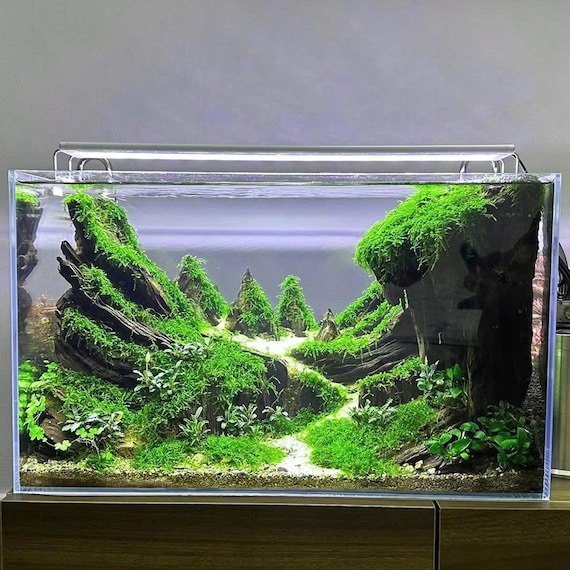
Credit: www.etsy.com
Frequently Asked Questions
What Is Aquascaping With Juvenile Fish Protection?
Aquascaping with juvenile fish protection means designing aquariums to safeguard young fish. It includes adding plants and hiding spots. This approach reduces stress and increases survival rates of juvenile fish in the tank.
How Do Plants Help Juvenile Fish In Aquascaping?
Plants provide shelter and hiding places for juvenile fish. They improve water quality by absorbing toxins. Plants also create natural environments, reducing predators’ visibility, thus increasing juvenile fish survival.
Which Aquascaping Materials Protect Juvenile Fish Best?
Soft plants, smooth rocks, and driftwood are ideal. They prevent injuries and offer safe hiding spots. Avoid sharp or rough decorations that can harm young fish.
How To Balance Aesthetics And Juvenile Fish Safety?
Use dense plant clusters and natural decor to create beauty and protection. Choose non-toxic, soft materials to ensure juvenile fish safety without compromising design.
Conclusion
Aquascaping creates a safe and beautiful home for juvenile fish. Plants and hiding spots help young fish grow strong and healthy. Careful tank design keeps them protected from bigger fish. Clean water and gentle lighting improve their chances of survival.
Watching juvenile fish thrive adds joy to your aquarium. Small steps make a big difference in their care. Keep learning and adjusting your setup for best results. Your effort helps create a peaceful, thriving underwater world.