
Are you struggling to keep your tiny fish fry safe in your aquascape? Watching your baby fish grow is exciting, but protecting them can be tricky.
You want your aquascape to look beautiful, yet also provide a safe haven for your fry. What if you could create a stunning underwater world that not only pleases your eyes but also shields your little ones from harm? You’ll discover simple and effective ways to protect your fry while enhancing your aquascape.
Keep reading to learn how to balance beauty and safety in your aquarium like a pro.
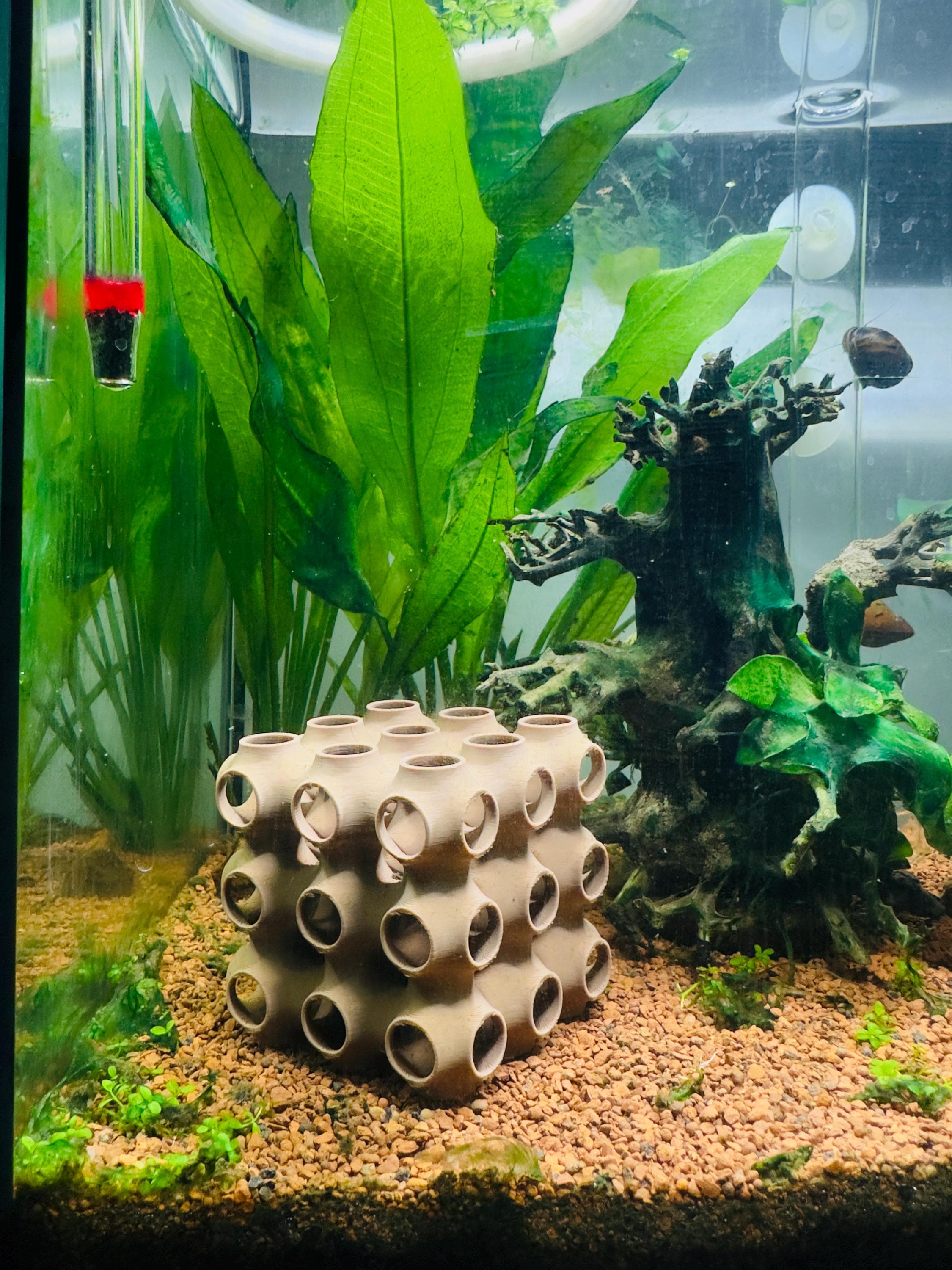
Credit: www.etsy.com
Choosing Safe Plants
Plants play a key role in aquascaping with fry protection. Safe plants offer hiding spaces and shelter for young fish.
Choosing the right plants helps fry survive and grow in a safe environment. Avoid plants that can harm fry or overcrowd the tank.
Best Plants For Fry Shelter
Soft-leaved plants provide excellent shelter for fry. They allow small fish to hide easily without risk of injury.
- Java Moss: dense and soft, perfect for fry to hide.
- Hornwort: fast-growing and bushy, offering good cover.
- Water Wisteria: broad leaves create calm hiding spots.
- Anubias Nana: sturdy leaves and low light needs.
- Duckweed: floating plant that shades the water surface.
Plant Density And Placement
Place plants densely to create safe zones for fry. Avoid thick clusters that block water flow or light completely.
Arrange taller plants at the back and shorter ones near the front. This setup provides layers of protection and easy access to food.
- Dense plants offer more hiding spots for fry.
- Leave open swimming areas for fry to explore.
- Position floating plants to reduce light and stress.
- Trim plants regularly to prevent overgrowth.
Tank Setup Essentials
Aquascaping with fry protection needs careful tank setup. It helps baby fish grow safely.
Choosing the right tank and materials keeps fry safe and healthy. This guide covers key points.
Ideal Tank Size And Layout
Choose a tank size that fits your space and fish number. A 20-gallon tank is a good start.
Use a layout that provides hiding spots. Plants and decorations help fry avoid bigger fish.
- Use tall plants to create vertical space
- Add caves or small hiding areas
- Keep open swimming areas for adult fish
- Arrange decorations to avoid strong currents
Substrate Choices For Fry Safety
Pick a substrate that is safe and easy to clean. Fine sand or smooth gravel works well.
Avoid sharp or large stones that can hurt fry. Substrate should also support plant roots.
- Fine sand prevents injury to small fry
- Smooth gravel helps keep the tank clean
- Dark substrates make fry feel safer
- Choose substrates that promote good bacteria
Creating Hiding Spots
Fry protection is key in aquascaping. Hiding spots keep young fish safe. They reduce stress and increase survival rates.
Good hiding places mimic natural environments. They help fry hide from predators and strong currents.
Using Driftwood And Rocks
Driftwood and rocks create natural shelters in the aquarium. They offer crevices and caves where fry can hide easily.
- Place driftwood pieces to form small caves.
- Stack smooth rocks to build hiding nooks.
- Use flat stones for shaded resting spots.
- Ensure all materials are aquarium-safe and free of sharp edges.
Incorporating Moss And Ferns
Moss and ferns add soft cover and oxygenate water. They create dense areas where fry can disappear from view.
| Plant Type | Benefits for Fry | Care Tips |
| Java Moss | Dense cover, hides fry well | Low light, attach to driftwood |
| Christmas Moss | Thick growth, slows water flow | Moderate light, trims regularly |
| Java Fern | Large leaves, creates shade | Low light, avoid burying roots |
| Bolbitis Fern | Spreads slowly, adds texture | Medium light, attach to rocks |

Credit: www.ebay.com
Water Parameters For Breeding
Keeping the right water conditions is key for aquascaping with fry protection. Good water helps fish breed and keeps fry safe. This guide covers important water parameters you must watch closely.
We focus on temperature, pH levels, and how to keep water clean. Each factor affects fish health and fry survival. Adjust these to create the best environment.
Temperature And Ph Levels
Temperature affects fish metabolism and breeding success. Most tropical fish need water between 75°F and 82°F. Too hot or too cold water stresses fish and harms eggs.
- Keep temperature stable with a reliable heater.
- Avoid sudden temperature changes.
- Use a thermometer to monitor daily.
- Test pH weekly to maintain balance.
The pH level shows how acidic or basic water is. Fish fry do best in slightly acidic to neutral water, around pH 6.5 to 7.5. Extreme pH can kill eggs or fry.
Maintaining Water Quality
Clean water protects fry from disease and stress. Remove waste and leftover food daily. Use a filter that does not create strong currents.
| Parameter | Ideal Range | Notes |
| Temperature | 75°F – 82°F | Stable, no rapid changes |
| pH Level | 6.5 – 7.5 | Slightly acidic to neutral |
| Ammonia | 0 ppm | Toxic to fry |
| Nitrite | 0 ppm | Harmful, keep at zero |
| Nitrate | < 20 ppm | Low levels safe |
Perform regular water changes of 20-30% weekly. Use a water conditioner to remove chlorine and chloramine. Test water often to catch problems early.
Selecting Compatible Fish
Choosing the right fish is key for a healthy aquascape. You want fish that live peacefully together.
Compatibility helps protect fry and keeps your tank balanced. This guide focuses on selecting friendly fish.
Choosing Non-aggressive Species
Non-aggressive fish reduce stress and harm to fry. They swim calmly and avoid chasing smaller fish.
- Small tetras like neon or ember tetras
- Peaceful rasboras such as harlequin rasboras
- Corydoras catfish, which stay at the tank bottom
- Guppies that are known for gentle behavior
- Otocinclus catfish, great for algae control
Pairing For Successful Breeding
Correct pairing increases fry survival. Choose fish that breed easily and protect their young.
| Fish Species | Breeding Type | Fry Protection |
| Guppy | Livebearer | Moderate |
| Betta | Bubble Nest Builder | High |
| Angelfish | Egg Layer | High |
| Rasbora | Egg Layer | Low |
| Corydoras | Egg Layer | Moderate |
Feeding Strategies For Fry
Aquascaping is a beautiful way to create underwater landscapes. It becomes more exciting when you protect and feed fry, the young fish. Ensuring proper nutrition is crucial for their growth and survival.
Feeding fry requires understanding their dietary needs. Offering the right food at the right times helps them grow healthy and strong.
Best Foods For Fry Growth
Fry need small and nutritious foods. They require a diet that supports rapid growth and development. Choose foods that are easily digestible.
- Infusoria: Ideal for the first days of life.
- Baby brine shrimp: High in protein, promotes growth.
- Microworms: Easy to culture and nutritious.
- Crushed flakes: Ensure they are finely powdered.
Feeding Frequency And Techniques
Feeding frequency is vital for fry health. Young fish need frequent meals to maintain energy. Observing them helps in adjusting feeding amounts.
Feed them small amounts several times a day. This prevents overfeeding and keeps water clean. Use a pipette or a small spoon for precise feeding.
| Age | Feeding Frequency |
| 0-1 week | 5-6 times daily |
| 1-4 weeks | 4 times daily |
| 4-8 weeks | 3 times daily |
Preventing Predation
Aquascaping with fry protection focuses on keeping young fish safe. Predation is a common threat in community tanks.
Fry need protection to grow and thrive. There are several methods to prevent adult fish from harming them.
Separating Adults And Fry
Separating adults from fry is a key method. It prevents adults from eating the young fish.
- Set up a separate tank for the fry.
- Use a tank divider to create safe zones.
- Monitor the fry regularly for health and safety.
Using Breeding Boxes And Nets
Breeding boxes and nets offer a controlled environment for fry. They keep the young safe from predators in the same tank.
Here are some advantages of using breeding boxes and nets:
- Easy to install and move
- Provides constant water flow
- Allows visual monitoring of fry
These tools are effective in community tanks. They ensure the safety of fry without needing a separate setup.
Monitoring Fry Development
Watching over fry as they grow is key for aquascaping success. It helps keep fry safe and healthy.
Careful monitoring lets you spot problems early. You can then make changes to improve their chances.
Signs Of Healthy Growth
Healthy fry swim actively and eat well. Their colors become brighter as they grow.
Look for steady size increase and clear eyes. No spots or unusual marks should appear on their bodies.
- Active swimming and quick response
- Bright and even coloration
- Clear eyes without cloudiness
- Steady growth in size
- No signs of disease or injury
Adjusting Environment As Fry Mature
As fry grow, their needs change. Adjust water flow, temperature, and hiding spots accordingly.
Increase space and improve filtration. Add more plants or decorations for shelter and comfort.
- Raise water temperature slowly if needed
- Lower water flow to avoid stress
- Add plants for hiding and grazing
- Expand tank space as fry grow
- Keep water clean with good filtration
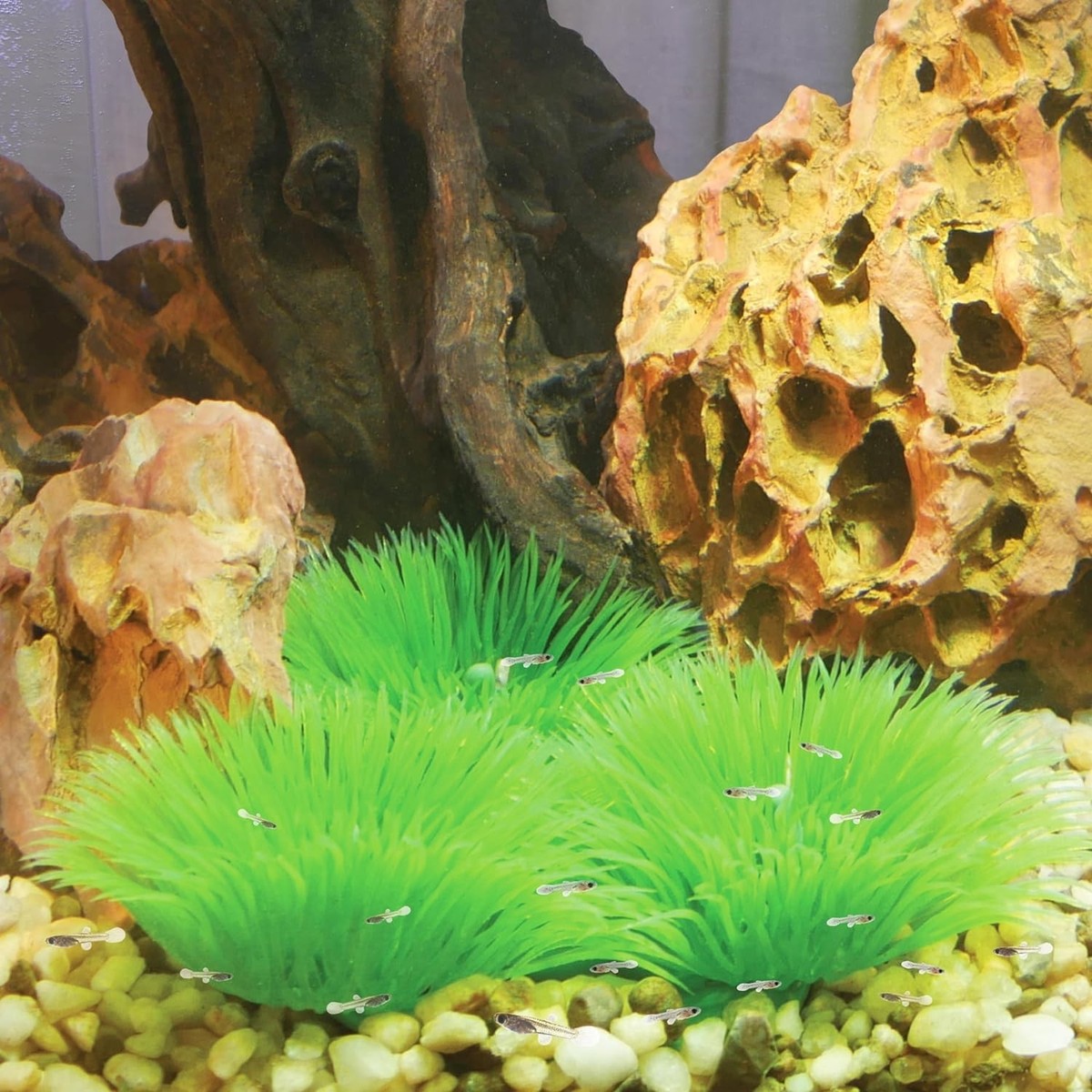
Credit: www.ebay.com
Frequently Asked Questions
What Is Fry Protection In Aquascaping?
Fry protection involves creating safe spaces in aquascapes for baby fish. It reduces predation and stress, improving fry survival rates.
How To Design Aquascapes For Fry Safety?
Use dense plants, hiding spots, and gentle water flow. These elements shield fry from predators and harsh currents effectively.
Which Plants Are Best For Fry Protection?
Java moss, hornwort, and floating plants provide excellent cover. They offer shelter and reduce visibility to predators in aquascapes.
Can Aquascaping Improve Fry Growth Rates?
Yes, a well-designed aquascape offers safety and stable conditions. This encourages healthy growth and reduces fry mortality significantly.
Conclusion
Aquascaping with fry protection helps young fish grow safely. Careful plant choices give fry places to hide and rest. Clean water and gentle filtration keep the tank healthy. Feeding small, frequent meals supports fry development. Watching your tank daily lets you spot problems early.
This method creates a beautiful, balanced environment for all fish. Enjoy the peace of a thriving aquascape with happy fry. Keep learning and experimenting to improve your setup. Your patience pays off with healthy, growing fish.