
If you want your aquarium to look stunning and keep your fish happy, creating hiding areas in your aquascape is a must. You might wonder why these secret spots matter so much.
Well, fish need places to feel safe, reduce stress, and show their natural behaviors. When you design your tank with thoughtful hiding spaces, you not only enhance its beauty but also improve the health and happiness of your aquatic friends.
Keep reading to discover simple tips and creative ideas to transform your aquarium into a peaceful underwater haven your fish will love.
Credit: www.maono.com
Benefits Of Fish Hiding Spots
Fish hiding areas are important in aquascaping. They help fish feel safe and calm. These spots also allow fish to show their natural actions. Plus, they add beauty to the tank.
Understanding the benefits of hiding spots can help you create a healthy and attractive aquarium. Let’s look at some key advantages.
Reducing Stress In Fish
Hiding places reduce stress by giving fish a place to retreat. Fish feel less threatened and more secure. This lowers illness risk and increases their lifespan.
Encouraging Natural Behavior
Fish use hiding areas to explore and rest. These spots help them show behaviors like hunting, breeding, and resting. This keeps fish active and healthy.
- Fish can hide from predators or bright light.
- They can find a safe place to lay eggs.
- Hiding spots help fish feel secure during molting or illness.
Enhancing Tank Aesthetics
| Hiding Spot Type | Visual Benefit |
| Plants | Add natural color and texture |
| Rocks | Create depth and contrast |
| Wood | Offer rustic and natural look |
Hiding areas make tanks look more natural. They create layers and interest in the aquascape. This enhances the overall beauty of your aquarium.
Types Of Hiding Areas
Fish need places to hide to feel safe in an aquarium. Hiding spots reduce stress and create a natural look.
There are different types of hiding areas you can use in your aquascape. Each type offers unique benefits for your fish.
Live Plants And Foliage
Live plants provide soft hiding places for fish to rest and hide. They also help keep water clean and oxygenated.
Plants with broad leaves or dense growth give better cover. They create a natural and safe environment.
- Java fern
- Anubias
- Amazon sword
- Java moss
- Cryptocoryne
Rocks And Caves
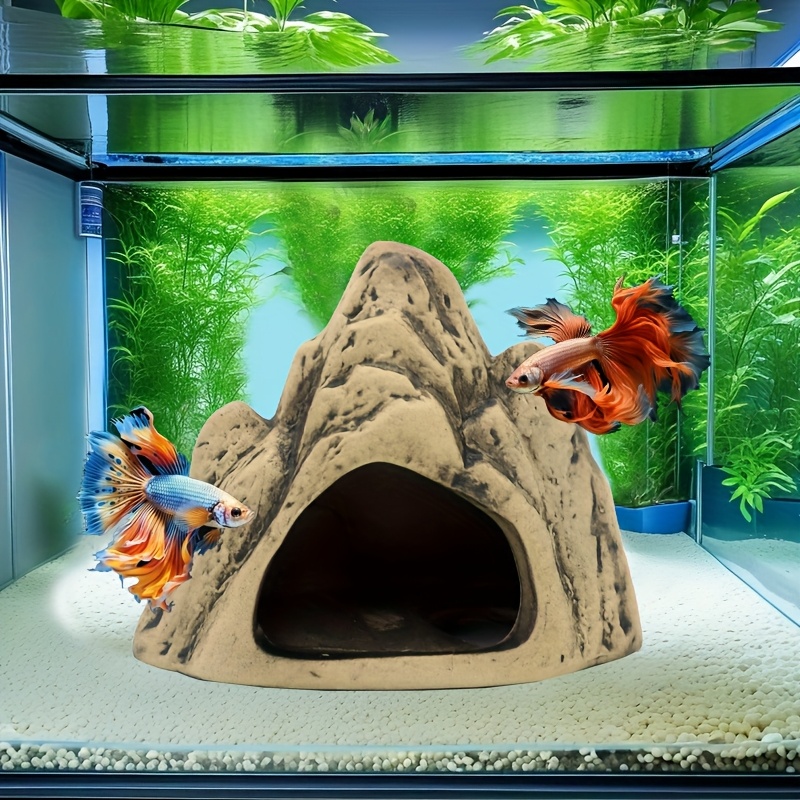
Rocks and caves offer solid hiding spots for shy or territorial fish. They mimic natural underwater shelters.
Use smooth stones or aquarium-safe rocks to build caves. Make sure openings are large enough for fish to enter.
- Slate rocks
- Lava rocks
- Dragon stone
- Pre-made ceramic caves
Driftwood And Branches
Driftwood and branches add natural shapes and textures to aquascapes. Fish like to swim around and hide under them.
Wood pieces also provide surface area for beneficial bacteria and some plants to grow on.
- Mopani wood
- Malaysian driftwood
- Manzanita branches
- Spider wood
Artificial Decorations
Artificial hiding spots include plastic or resin caves, tunnels, and ornaments. They are easy to clean and place.
Choose decorations made for aquariums. Avoid sharp edges that can harm fish.
- Plastic caves and tunnels
- Resin shipwrecks
- Artificial coral
- Castles and themed ornaments
Choosing The Right Hiding Spots
Creating hiding spots in an aquascape is essential for fish well-being. Fish need places to retreat and feel secure. Proper hiding areas reduce stress and improve health.
Choosing the right hiding spots involves understanding fish needs and tank conditions. Consider species, tank size, and safety while planning.
Considering Fish Species
Different fish species have unique hiding preferences. Some like dense plants, while others prefer caves or crevices. Research your fish species’ natural habitats for better ideas.
Ensure the hiding spots suit the size and behavior of your fish. Small fish enjoy tight spaces, while larger fish need bigger areas to hide.
- Corydoras prefer sandy bottoms with plant cover.
- Betta fish like leafy plants and floating leaves.
- Cichlids enjoy rocky caves and structures.
Tank Size And Layout
The size of your tank affects the number and type of hiding spots you can create. A larger tank offers more options and flexibility in design.
Layout is crucial for a balanced aquascape. Distribute hiding areas evenly to prevent territorial disputes. Leave open space for swimming.
- Use rocks and driftwood for natural-looking caves.
- Plant tall grasses in corners for shy fish.
- Arrange decorations to create multiple layers.
Safety And Accessibility
Safety is vital when designing hiding spots. Avoid sharp edges that can injure fish. Use non-toxic materials to prevent water contamination.
Ensure hiding spots are accessible to all fish. Avoid creating areas where fish can get stuck. Regularly check for debris and clean spots as needed.
- Use smooth stones and safe decorations.
- Secure heavy items to prevent tipping.
- Provide various entry and exit points.
Credit: www.temu.com
Design Tips For Vibrant Tanks
Aquascaping with fish hiding areas helps create a lively tank. It also keeps fish safe and less stressed.
Good design balances open water and cover. Color and depth make the tank look natural and bright.
Balancing Open Space And Cover
Fish need places to swim freely and spots to hide. Open space lets fish move and show off their colors. Cover gives them safety and calm.
- Keep 50% of the tank open for swimming.
- Use rocks, plants, or driftwood for hiding spots.
- Place cover near tank edges or corners.
- Make sure hiding areas are easy to enter and exit.
Color Coordination
Colors bring life to your tank. Choose plants and decorations that match fish colors or contrast softly.
| Color | Effect in Tank |
| Green Plants | Natural and calm |
| Red or Orange Plants | Bright and eye-catching |
| Dark Rocks | Enhance fish color |
| Light Sand | Open and fresh look |
Layering And Depth
Layering makes the tank look bigger and more natural. Use tall plants at the back and short ones in front.
Tips for layering:
- Place tall plants or driftwood at the back.
- Add medium plants or rocks in the middle.
- Use short plants or sand in front.
- Create slopes or hills with substrate for depth.
Maintenance Of Hiding Areas
Hiding areas in aquascapes offer fish safety and comfort. Keeping these spots clean and well-maintained is key.
Good care helps prevent problems like algae and keeps the environment healthy for fish.
Cleaning Techniques
Regular cleaning stops dirt and waste buildup in hiding spots. Use soft tools to avoid damage.
- Gently scrub decorations with a soft brush
- Use a siphon to remove debris from substrate near hiding areas
- Clean plants carefully without uprooting them
- Rinse artificial caves with tank water, not tap water
Preventing Algae Growth
Algae can cover hiding areas and reduce their usefulness. Control light and nutrients to limit algae.
| Method | Description |
| Light Control | Limit aquarium light to 6-8 hours daily |
| Regular Water Changes | Replace 10-20% of water weekly to reduce nutrients |
| Algae-Eating Fish | Add species that eat algae safely |
| Manual Removal | Scrape algae off hiding spots carefully |
Replacing And Upgrading
Over time, hiding areas may wear out or no longer fit your aquascape style. Replace or upgrade them.
- Choose natural materials like smooth rocks or driftwood
- Select sizes that fit your fish species
- Place new spots away from strong currents
- Make sure new items are aquarium-safe and cleaned before use
Common Mistakes To Avoid
Aquascaping with fish hiding areas makes your tank look natural. It also keeps fish safe and happy.
Many beginners make simple mistakes that harm fish or spoil the tank’s look. Avoid these errors for a healthy aquarium.
Overcrowding The Tank
Too many fish make the tank crowded. This causes stress and fights among fish.
Overcrowding also blocks hiding spots and reduces water quality quickly.
- Limit the number of fish to tank size
- Give each fish space to swim and hide
- Choose fish that live well together
Using Unsafe Materials
Some materials can poison fish or change water chemistry. Avoid sharp or toxic decorations.
Use only aquarium-safe stones, wood, and plants. Check materials before adding them to the tank.
- Avoid metals and painted items
- Do not use untreated wood
- Test new materials in water before use
Ignoring Fish Behavior
Every fish has unique needs for hiding and space. Ignoring their behavior causes stress.
Observe how fish use hiding spots. Adjust decorations to fit their habits and comfort.
- Watch if fish hide too much or not enough
- Provide different hiding types for shy and active fish
- Place hiding spots in quiet, low-traffic areas

Credit: www.blessingsaquarium.com
Frequently Asked Questions
What Are Fish Hiding Areas In Aquascaping?
Fish hiding areas are spaces within an aquarium that provide shelter and safety for fish. These areas reduce stress and mimic natural habitats. They often include caves, plants, or decorations where fish can retreat and feel secure.
Why Are Hiding Spots Important For Aquarium Fish?
Hiding spots help fish feel safe and reduce stress levels. They provide refuge from aggressive tank mates and bright lighting. This promotes healthier behavior and improves overall fish well-being.
How To Create Effective Fish Hiding Places?
Use natural elements like rocks, driftwood, and live plants to create hiding spots. Arrange them to form caves or dense vegetation. Ensure spaces are accessible and sized appropriately for your fish species.
Which Plants Are Best For Fish Hiding In Aquascapes?
Dense, bushy plants like Java fern, Anubias, and Amazon sword are ideal. They offer cover and mimic natural environments. These plants also improve water quality and aesthetics.
Conclusion
Creating fish hiding areas makes aquascapes feel safe and natural. Fish enjoy places to rest and hide from light or other fish. These spots reduce stress and help fish stay healthy. Plants, rocks, and decorations work well as shelters. Simple hiding areas improve the whole tank’s look and function.
Try adding small caves or dense plants in your next design. Your fish will thank you with lively, calm behavior. Enjoy the peace and beauty that thoughtful hiding spots bring.