
Are you ready to transform your aquarium into a stunning underwater masterpiece? Aquascaping with driftwood and plants is the secret to creating a natural, calming environment that draws the eye and soothes your mind.
Imagine the rich textures of driftwood blending seamlessly with vibrant green plants, forming a peaceful scene right in your home. You’ll discover simple tips and creative ideas to bring your aquarium to life like never before. Keep reading, and you’ll learn how to turn your tank into a beautiful, thriving ecosystem that everyone will admire.

Credit: tanninaquatics.com
Choosing Driftwood
Driftwood adds beauty and natural charm to aquascapes. It helps create hiding spots for fish and anchors plants. Picking the right driftwood is important for a healthy aquarium.
Not all driftwood is safe or suitable for aquascaping. Learn about types, preparation, and placement to create a balanced underwater scene.
Types Of Driftwood
There are several popular types of driftwood used in aquascaping. Each type has unique shapes, colors, and textures.
- Manzanita:Hard wood with twisted branches. Great for attaching plants.
- Malaysian Driftwood:Dark wood that sinks easily. Adds a natural look.
- Spider Wood:Thin, intricate branches. Good for creating complex designs.
- Mopani Wood:Two-tone wood with smooth and rough surfaces.
Preparing Driftwood For Aquascapes
Driftwood must be cleaned and treated before placing it in an aquarium. This prevents water problems and keeps fish safe.
- Soak the driftwood in water for several days to release tannins.
- Boil the wood to kill bacteria and soften it.
- Scrub the surface to remove dirt and loose bark.
- Dry the wood completely before adding it to the tank.
Placement Techniques
Proper placement of driftwood helps balance the aquascape and supports plant growth.
| Technique | Purpose |
| Anchor Plants | Tie moss and ferns to branches for natural look |
| Create Hiding Spots | Place wood to form caves for shy fish |
| Balance Layout | Use wood to add height and depth in the tank |
| Secure Wood | Attach to rocks or tank bottom to prevent floating |
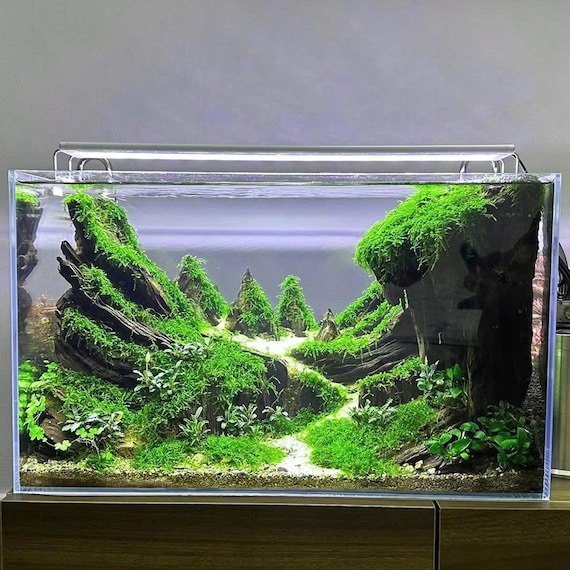
Credit: www.etsy.com
Selecting Aquatic Plants
Choosing the right aquatic plants is key for aquascaping with driftwood. Plants add life and beauty to your aquarium. They also help balance the water environment.
Plants must fit your aquarium size and care ability. Some plants need more light and care than others. It is smart to pick plants that suit your setup.
Low Maintenance Plants
Low maintenance plants are perfect for beginners and busy hobbyists. These plants grow well in many conditions. They need little trimming and low light.
They help keep your tank healthy without extra work. Examples include Java fern, Anubias, and Cryptocoryne. These plants stay green and strong with little care.
- Java fern – attaches to surfaces and grows slow
- Anubias – tough leaves and grows well in shade
- Cryptocoryne – adapts to many water types
Plants That Attach To Driftwood
Some plants naturally grow on driftwood. They attach their roots and leaves directly to the wood. This creates a natural look in your aquarium.
These plants do not need soil and will grow well with moderate light. Examples are Java moss, Anubias, and Bucephalandra. They enhance the shape of driftwood beautifully.
- Java moss – soft and green, covers driftwood nicely
- Anubias – broad leaves and strong roots
- Bucephalandra – small leaves with varied colors
Color And Texture Variety
Using plants with different colors and textures makes your aquascape interesting. Combine dark green, light green, and red plants. Mix smooth leaves with rough or fine ones.
This mix creates depth and contrast around the driftwood. For example, add red Ludwigia with green Java fern. Use fine moss with broad Anubias leaves. This variety makes your tank lively and natural.
- Red Ludwigia adds bright color
- Java fern offers broad green leaves
- Java moss creates soft texture
- Anubias has thick, dark green leaves
Design Principles
Aquascaping with driftwood and plants creates natural underwater scenes. Good design helps you balance these elements well.
Design principles guide you to make a beautiful and peaceful aquascape that pleases the eye.
Creating Focal Points
A focal point draws attention and gives the viewer a place to rest their eyes. Driftwood often serves as a strong focal point.
Plants around the driftwood can highlight or soften the main feature. Choose plants with different shapes and colors for contrast.
- Place the driftwood off-center to create interest.
- Use taller plants behind the driftwood.
- Choose bright or colorful plants near the focal point.
- Keep the area around the focal point clear of clutter.
Balancing Hardscape And Plants
Balance means neither driftwood nor plants should overpower the scene. Both need space to show their beauty.
| Element | Role | Tips |
|---|---|---|
| Driftwood | Hardscape | Use for structure and focal points |
| Plants | Softscape | Provide color and movement |
| Rocks | Support | Complement driftwood, create depth |
Using Negative Space
Negative space is the empty area around objects. It helps the design breathe and keeps it from feeling crowded.
Tips for Negative Space:
- Leave open water areas near the focal point.
- Use low plants or bare substrate to create space.
- Avoid placing too many elements close together.
- Think of negative space as part of your design.

Credit: www.reddit.com
Aquascaping Styles
Aquascaping uses plants and driftwood to create underwater art. Different styles shape how aquariums look.
Each style has unique rules and focuses on natural beauty or balance.
Nature-inspired Layouts
Nature-inspired layouts copy real landscapes under water. Driftwood and plants mimic forests or riverbeds.
These aquariums feel peaceful and natural. They show how plants grow around wood in wild places.
Wabi-sabi Aesthetic
Wabi-Sabi finds beauty in imperfection and simplicity. Driftwood with rough textures fits this style well.
This style uses few plants and simple wood shapes. It shows quiet charm and natural wear.
- Focus on imperfect driftwood pieces
- Use minimal plants with soft colors
- Create a calm, simple layout
Iwagumi With Driftwood
Iwagumi style uses stones as the main focus. Adding driftwood adds a new natural element to this design.
Driftwood in Iwagumi must balance the stone placement. It helps create harmony and flow in the aquarium.
- Place driftwood to complement stone groups
- Use small plants to keep focus on hardscape
- Keep layout simple and balanced
Maintenance Tips
Aquascaping with driftwood and plants creates a natural look in your aquarium. Proper care keeps your setup healthy and beautiful.
Regular maintenance helps prevent problems and supports plant growth. Follow these tips to care for your driftwood and plants.
Cleaning Driftwood
Driftwood can collect algae and debris over time. Clean it carefully to keep it looking good and safe for your fish.
Use a soft brush or sponge to remove algae. Avoid harsh chemicals that can harm plants and fish.
- Rinse driftwood in warm water before placing it in the tank
- Scrub gently with a soft brush to remove buildup
- Soak driftwood in water to release tannins if the water becomes too dark
- Replace driftwood if it starts to decay or smell bad
Plant Care And Pruning
Healthy plants need regular care. Pruning helps plants grow strong and stops dead leaves from polluting the water.
Cut leaves that are yellow or damaged. Trim plants to keep them from overgrowing and blocking light.
- Remove dead or dying leaves weekly
- Trim fast-growing plants to maintain shape
- Check plant roots and replant if they become loose
- Use aquarium-safe scissors for trimming
Water Quality Management
Good water quality is key to a healthy aquascape. Test water regularly to keep plants and fish safe.
Change part of the water every week. Remove waste and keep nitrate levels low for plant health.
- Test pH, nitrate, and ammonia levels weekly
- Change 20-30% of water each week
- Use a good filter to keep water clean
- Do not overfeed fish to reduce waste
Common Challenges
Aquascaping with driftwood and plants is popular among hobbyists. It creates natural and beautiful underwater scenes. There are challenges to maintain these aquascapes.
Common issues include algae growth, driftwood decay, and plant overgrowth. Understanding these challenges helps in creating a thriving aquascape.
Preventing Algae Growth
Algae can quickly cover your aquascape. It competes with plants for nutrients and light. Preventing algae is key to a healthy tank.
Maintain a balance of light, nutrients, and water circulation. Regularly check water parameters to keep algae at bay.
- Limit light exposure to 8 hours per day
- Use algae-eating fish or snails
- Regularly change water and clean the tank
Avoiding Driftwood Decay
Driftwood adds beauty but can decay over time. This decay releases tannins, which may discolor the water.
Proper preparation and maintenance of driftwood are necessary. Boil or soak the wood before adding it to the tank.
- Pre-soak driftwood for at least a week
- Boil driftwood to kill harmful organisms
- Regularly inspect and clean the driftwood
Dealing With Plant Overgrowth
Plants can grow rapidly in a well-maintained aquascape. Overgrowth can overshadow other plants and disrupt the balance.
Regular trimming and pruning help maintain the desired layout. Proper plant selection can also prevent overgrowth.
- Trim plants every two weeks
- Choose slow-growing plants for less maintenance
- Remove dead leaves and stems regularly
Enhancing Visual Appeal
Aquascaping with driftwood and plants creates beautiful underwater worlds. The right techniques make your aquarium eye-catching.
Focus on key elements like lighting, substrate use, and fish selection to enhance the beauty of your setup.
Lighting Effects
Lighting is crucial for the health and appearance of your aquascape. It influences how plants grow and how colors appear.
- Use LED lights for energy efficiency
- Position lights to reduce shadows
- Adjust light intensity for plant needs
Using Substrate Creatively
The substrate is the base layer in your tank. It supports plant roots and adds texture to the design.
Choose a substrate that contrasts with your plants and driftwood. For example, use dark sand with bright green plants.
Incorporating Fish And Invertebrates
Fish and invertebrates bring movement and life to your aquascape. Their colors and behaviors add interest to the scene.
| Species | Color | Behavior |
| Neon Tetra | Blue and Red | Schooling |
| Amano Shrimp | Transparent | Algae-eating |
| Betta Fish | Various | Semi-aggressive |
Frequently Asked Questions
What Types Of Driftwood Are Best For Aquascaping?
Hardwoods like Malaysian, Mopani, and Manzanita driftwood are ideal. They resist decay, sink easily, and add natural aesthetics to aquascapes.
How Do Plants Benefit Aquascaping With Driftwood?
Plants add color, oxygen, and natural filtration. They create a balanced ecosystem by absorbing nutrients and reducing algae growth around driftwood.
Can Driftwood Alter Aquarium Water Chemistry?
Yes, driftwood can lower pH and soften water by releasing tannins. This creates a more natural environment for many fish species.
How To Attach Plants To Driftwood Securely?
Use aquarium-safe glue or fishing line to attach plants like Anubias or Java Fern. This ensures they stay anchored and grow well on wood.
Conclusion
Driftwood and plants bring life to any aquascape. They create a natural and calming environment. Small changes make a big difference in appearance. Choose plants that suit your tank’s needs. Place driftwood carefully to build balance and interest. Regular care keeps your aquascape healthy and fresh.
Enjoy the peaceful beauty you create underwater. Simple steps can turn your tank into art. Aquascaping with driftwood and plants is both fun and rewarding. Give it a try and watch your aquarium thrive.