
If you’ve already mastered the basics of aquascaping, you know how satisfying it is to create a beautiful underwater world. But now, you’re ready to take your skills to the next level.
Imagine crafting a tank that not only looks stunning but also tells a story with every plant, rock, and fish placement. You’ll discover fresh, advanced aquascaping ideas designed to challenge your creativity and elevate your aquarium to a true work of art.
Ready to transform your hobby into a masterpiece? Keep reading—your next great aquascape awaits.
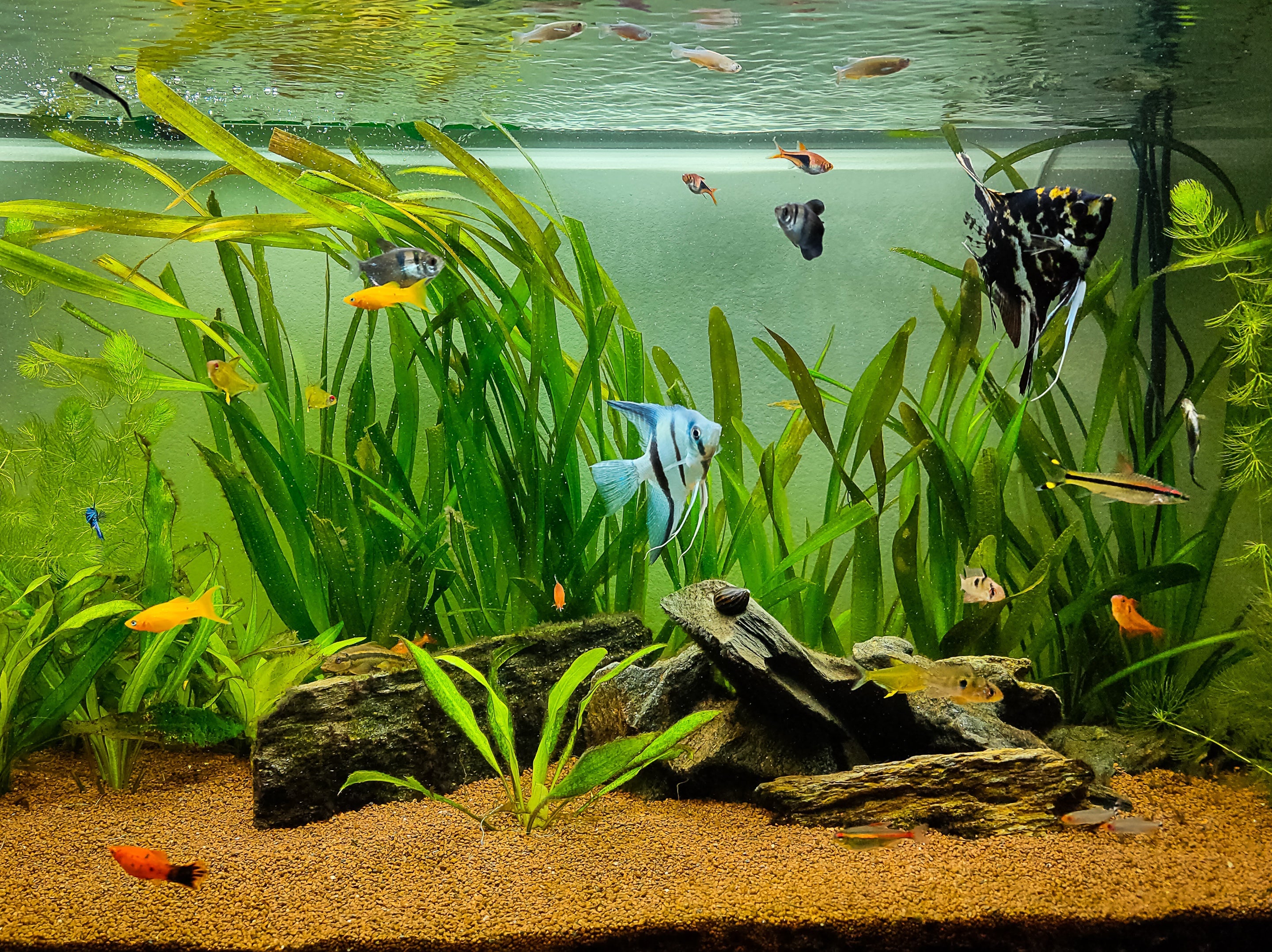
Credit: splashyfishstore.com
Complex Layouts
Creating complex layouts in aquascaping challenges your skills and creativity. These designs use detailed structures to build depth and interest.
Advanced hobbyists enjoy crafting scenes that look natural yet intricate. Complex layouts combine multiple elements like rocks, plants, and terraces.
Multi-level Terraces
Multi-level terraces add height and layers to your aquarium. They create a stepped effect that mimics natural landscapes.
Use different soil depths and rocks to build these terraces. This approach allows for diverse plant placement and better water flow.
- Start with a solid base using substrate and rocks
- Create steps by stacking soil and stones carefully
- Plant short species on lower levels and tall ones above
- Keep slopes stable to avoid collapsing
Intricate Rock Formations
Intricate rock formations form the backbone of complex aquascapes. They provide structure and focal points for the tank.
Arrange rocks in natural patterns like clusters, arches, or caves. Use rocks of different sizes and textures for realism.
- Choose rocks that complement each other in shape and color
- Use smaller rocks to fill gaps and add detail
- Make sure rocks are stable and won’t shift
- Combine hardscape with plants for a balanced look
Layered Planting Techniques
Layered planting creates depth by using plants of different heights and textures. This technique makes the tank look lush and full.
Place taller plants in the back and shorter ones in front. Use mid-height plants to fill the middle ground and create smooth transitions.
- Group plants with similar light and nutrient needs
- Use fine-leaved plants for foreground layers
- Add bushy or broad-leaf plants for mid and background layers
- Trim regularly to maintain shape and space
Rare Plant Choices
Aquascaping with rare plants brings beauty and challenge to your aquarium. These plants need special care and suit advanced hobbyists.
Choosing uncommon species makes your tank unique and creates a natural look. Learn about exotic plants, mosses, and epiphytes to expand your collection.
Exotic Aquatic Plants
Exotic aquatic plants come from different parts of the world. They often have bright colors and unusual shapes. These plants usually need strong light and stable water conditions.
- Limnophila sessiliflora: A fast-growing plant with fine leaves.
- Aponogeton ulvaceus: Large wavy leaves, needs moderate light.
- Hydrocotyle tripartita: Small, clover-like leaves that spread fast.
- Rotala macrandra: Red stems and leaves, requires high CO2.
- Vallisneria americana: Tall, ribbon-like leaves, good for background.
Uncommon Moss Varieties
Mosses add texture and green color to aquascapes. Some rare mosses are harder to grow but look stunning. They attach well to rocks and driftwood.
| Moss Name | Growth Habit | Light Needs | Difficulty |
|---|---|---|---|
| Fissidens fontanus | Compact, fan-shaped | Low to medium | Medium |
| Taxiphyllum sp. ‘Flame’ | Upright, flame-like tips | Medium | Hard |
| Vesicularia montagnei | Loose, bushy | Low | Easy |
| Leptodictyum riparium | Fine, feathery | Low to medium | Medium |
Challenging Epiphytes
Epiphytes grow on surfaces like wood or rocks. They do not need soil but need good water flow. Some rare epiphytes require careful care to thrive.
- Bucephalandra: Small, colorful leaves, slow growth.
- Anubias barteri var. nana ‘Petite’: Tiny leaves, needs low light.
- Microsorum pteropus ‘Windelov’: Unique leaf shapes, attaches easily.
- Bolbitis heudelotii: Large, textured leaves, prefers shaded spots.
Innovative Hardscape Materials
Hardscape materials shape the look of an aquascape. They add texture, depth, and structure to the tank.
Advanced hobbyists often seek new materials. These materials can create unique and natural designs.
Driftwood Sculptures
Driftwood comes in many shapes and sizes. Sculpted pieces can become the focal point of your aquascape.
Look for wood with natural curves and interesting textures. These add a natural feel and provide hiding spots for fish.
- Manzanita wood offers strong branches and fine details
- Spider wood creates complex root-like structures
- Cholla wood adds a porous, unique texture
Natural Stone Varieties
Natural stones bring color and form to aquascapes. Different stones create different moods and styles.
Choose stones based on color, shape, and hardness. Smooth stones offer a soft look, while jagged stones add drama.
- Seiryu stone has blue-gray tones and sharp edges
- Dragon stone features holes and rough surfaces
- Slate offers flat layers for stacking and terraces
Synthetic Elements
Synthetic materials can mimic natural elements or create new textures. They are lightweight and easy to shape.
These elements allow more creative freedom. They do not affect water chemistry and can be combined with real materials.
- Resin rocks imitate natural stones with added durability
- Artificial wood pieces offer consistent shapes and sizes
- 3D printed hardscapes allow custom designs
Advanced Lighting Setup
Lighting plays a key role in aquascaping. It helps plants grow and shows off the tank’s beauty.
Advanced hobbyists use special lighting setups. These setups improve plant health and create stunning effects.
Custom Led Configurations
Custom LED lighting lets you control brightness and color. You can adjust settings for different plants and moods.
Many setups use multiple LED types. This helps balance light intensity and color for the best results.
- Use dimmable LEDs for flexible brightness
- Mix red, blue, and white LEDs for balanced growth
- Place LEDs to reduce shadows and highlight plants
Light Spectrum Effects
Different light colors affect plant growth and appearance. Red and blue light help plants grow strong.
White light shows natural colors well. Using the right spectrum makes plants look lively and healthy.
- Blue light supports leaf growth and stem development
- Red light boosts flowering and root growth
- Full spectrum white light displays true plant colors
Dynamic Day-night Cycles
Simulating natural light cycles benefits plants and fish. A day-night cycle keeps the tank environment healthy.
Use timers or smart controls to create smooth light changes. This reduces stress for aquatic life and improves growth.
- Set gradual light increase in the morning
- Maintain steady light during the day
- Dim lights slowly at night for rest periods
Water Chemistry Mastery
Understanding water chemistry is key for advanced aquascaping. Keeping the right balance helps plants and fish thrive.
Focus on factors like pH, hardness, nutrients, and CO2. These affect growth and the overall health of your aquarium.
Ph And Gh Optimization
pH measures acidity and affects nutrient availability. GH (general hardness) shows mineral levels in water. Both must suit your plants.
- Test pH weekly with a reliable kit.
- Keep pH stable between 6.5 and 7.5 for most plants.
- Adjust GH using mineral supplements if needed.
- Use reverse osmosis water to lower hardness.
- Mix tap water with RO water to reach desired GH.
Nutrient Dosing Strategies
Plants need macro and micronutrients for healthy growth. Feeding them right prevents algae and deficiencies.
| Nutrient Type | Purpose | Common Sources |
| Nitrogen (N) | Leaf growth | Fish waste, fertilizers |
| Phosphorus (P) | Root and flower development | Bone meal, fertilizers |
| Potassium (K) | Cell function | Potassium sulfate |
| Iron (Fe) | Chlorophyll production | Iron chelates |
| Trace elements | Enzyme activity | Micronutrient mixes |
Dose nutrients weekly or as plants need. Avoid overdosing to reduce algae risk.
Co2 Injection Techniques
CO2 helps plants perform photosynthesis. Adding CO2 boosts growth and color.
- Use a reliable CO2 system with a diffuser for fine bubbles.
- Monitor CO2 levels with a drop checker.
- Keep CO2 around 20–30 ppm during light hours.
- Turn off CO2 at night to avoid harming fish.
- Adjust injection rate to match plant needs and tank size.
Aquascaping Styles
Aquascaping is an art form that combines creativity and biology. Advanced hobbyists explore various styles to create unique underwater landscapes.
In this guide, we explore three advanced aquascaping styles that push the boundaries of traditional designs.
Iwagumi With A Twist
The Iwagumi style is known for its simplicity and rock arrangements. Adding a twist can involve using colorful plants or unique rock shapes.
- Incorporate vibrant plant species like Rotala and Ludwigia.
- Use rocks with unusual textures or colors.
- Create asymmetrical layouts for a dynamic look.
Nature-inspired Biotopes
Biotopes mimic specific natural environments. They focus on replicating the flora and fauna of particular ecosystems.
| Biotope | Key Features |
| Amazon River | Driftwood, sand substrate, Echinodorus plants |
| Lake Malawi | Rocky substrate, cichlids, Vallisneria grass |
| Asian Streams | Leaf litter, Cryptocoryne, Rasbora fish |
Futuristic And Abstract Designs
Abstract designs break free from traditional rules. They often feature geometric shapes and vivid colors.
Experiment with different materials and plant species to create a unique visual experience.
Maintenance Challenges
Advanced aquascaping requires careful attention to maintenance tasks. Keeping your aquascape healthy involves tackling various challenges.
In this guide, we explore methods for controlling algae, effective plant pruning tactics, and ensuring your equipment stays in top condition.
Algae Control Methods
Algae growth can quickly become a problem in aquascapes. Understanding how to manage algae is crucial for maintaining a balanced ecosystem.
- Regular water changes to reduce nutrient build-up
- Introduce algae-eating fish like Siamese algae eaters
- Use light timers to prevent excessive lighting
Plant Pruning Tactics
Pruning plants is essential to promote healthy growth and prevent overcrowding. Proper techniques ensure plants thrive and the aquascape looks tidy.
Equipment Upkeep
Maintaining equipment like filters and heaters is vital for a successful aquascape. Regular checks and cleaning can prevent malfunctions.
| Equipment | Maintenance Frequency |
| Filter | Every 2 weeks |
| Heater | Monthly |
| Lights | Weekly |
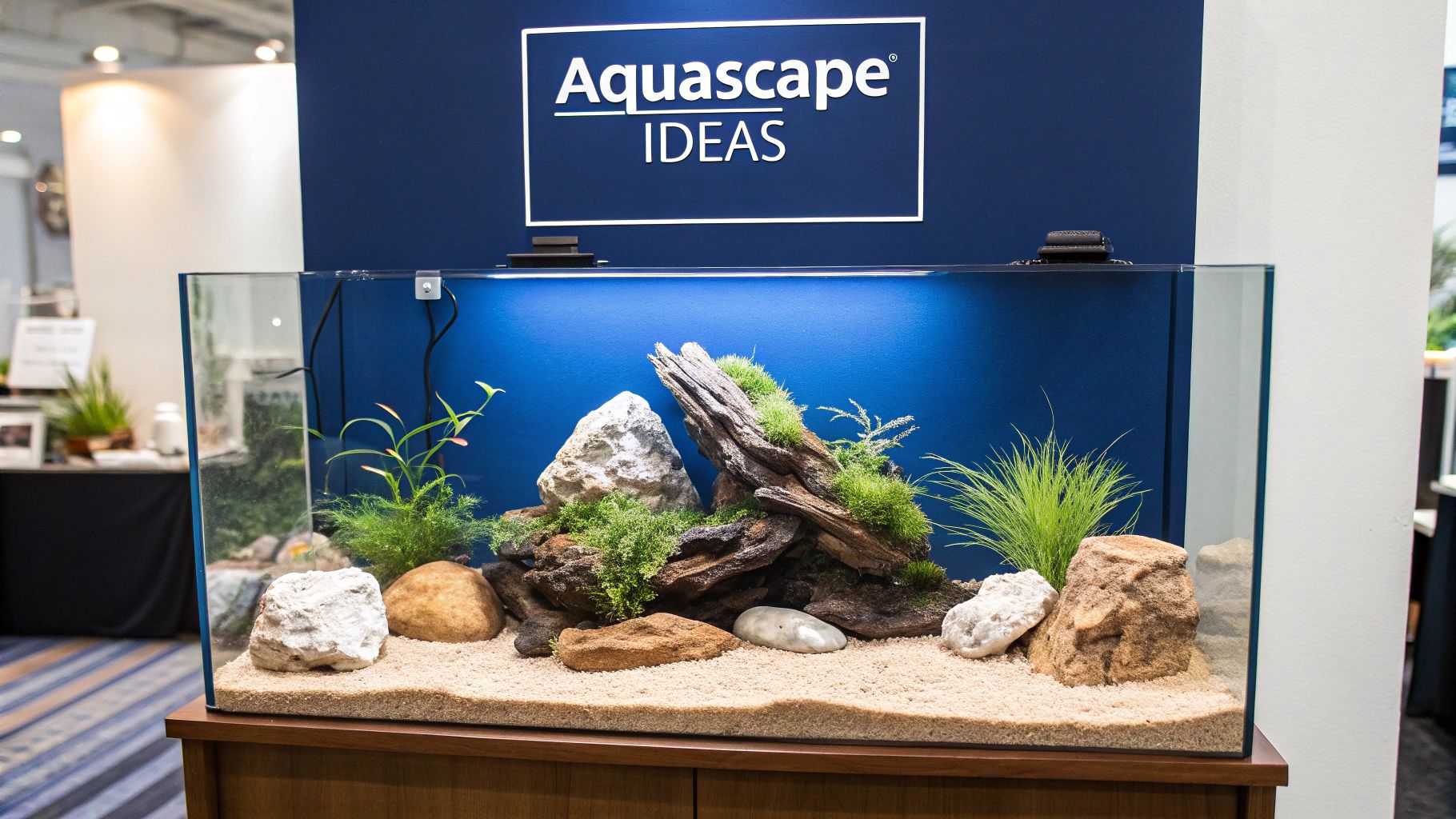
Credit: clixfueling.com
Showcasing Your Work
Sharing your aquascaping work helps you connect with others. It also shows your skills and creativity.
Good presentation makes your aquascape stand out. Use photos, competitions, and online sharing to display your work.
Photography Tips
Take clear photos of your aquascape to highlight details. Use natural light or soft artificial light to avoid glare.
Keep the camera steady and focus on the main areas. Try different angles to find the best view of your layout.
- Use a tripod for sharp images
- Clean the glass before shooting
- Avoid flash that causes reflections
- Capture close-ups and wide shots
Aquascape Competitions
Competitions let you compare your work with others. They offer feedback and new ideas from judges and peers.
Read the rules carefully before entering. Choose a category that fits your aquascape style and skill level.
- Prepare your tank for the judging day
- Focus on balance, color, and plant health
- Explain your design concept clearly
- Learn from other participants’ layouts
Sharing Online
Use social media and forums to show your aquascapes. Share photos and updates regularly to build interest.
Join aquascaping groups to get advice and support. Respond to comments and questions to grow your network.
- Post high-quality images and clear descriptions
- Use relevant tags and keywords
- Engage with followers and other hobbyists
- Share progress and maintenance tips

Credit: tanninaquatics.com
Frequently Asked Questions
What Are Advanced Aquascaping Techniques For Hobbyists?
Advanced techniques include hardscape layering, aquascape design symmetry, and detailed plant trimming. These enhance visual depth and balance. Using CO2 injection and nutrient dosing also boosts plant health and growth. Mastering these methods helps create stunning, natural underwater scenes.
How To Maintain A Complex Aquascape Setup?
Regular water changes and balanced fertilization keep the ecosystem stable. Prune plants weekly to prevent overgrowth. Monitor water parameters like pH, ammonia, and nitrate levels consistently. Clean algae gently to maintain clear views. Proper maintenance ensures a thriving aquascape.
Which Plants Suit Advanced Aquascaping Best?
Choose diverse species like Hemianthus callitrichoides, Rotala rotundifolia, and Java fern. These offer texture, color, and growth variety. Combine foreground carpets, midground bushes, and background tall plants. Selecting compatible plants creates a layered, natural aquatic environment.
What Lighting Is Ideal For Advanced Aquascapes?
High-intensity LED lights with adjustable spectra work best. They promote healthy plant photosynthesis and vibrant colors. Aim for 8-10 hours of light daily, avoiding algae overgrowth. Quality lighting highlights aquascape details and supports plant health.
Conclusion
Advanced aquascaping offers endless creative chances to explore. Experiment with plants, rocks, and layout styles often. Small changes can bring fresh looks and feel. Keep learning and trying new ideas regularly. Enjoy the peaceful beauty your tank creates daily. Your skills and passion will grow with time.
Dive into your next project with confidence. Aquascaping is both art and nature combined. Let your tank reflect your unique style clearly.