
If you want your videography tanks to stand out and captivate every viewer, aquascaping is the secret tool you need. Imagine creating underwater scenes that don’t just look good but tell a story through every plant, rock, and layout you choose.
Whether you’re filming fish, plants, or underwater life, the way you design your tank can make all the difference. You’ll discover simple yet powerful aquascaping tips that will transform your tanks into stunning visual experiences. Get ready to unlock the full potential of your videography setup and keep your audience glued to the screen.

Credit: buceplant.com
Choosing The Right Tank
Picking the right tank is very important for aquascaping in videography. The tank sets the stage for your underwater scenes. It affects the look and feel of your shots.
You need to think about size, shape, material, and where to place the tank. These factors help you get clear and beautiful videos.
Tank Size And Shape
Choose a tank size that fits your filming space. Bigger tanks give you more room to create detailed scenes. Small tanks are easier to move and set up.
The shape of the tank changes how the scene looks. Rectangular tanks offer wide views. Cube tanks give a balanced look from all sides.
- Large tanks give more creative space
- Small tanks are easier to manage
- Rectangular tanks show wide scenes
- Cube tanks offer a 3D view
Material And Clarity
Glass and acrylic are common tank materials. Glass is clear and scratch-resistant. Acrylic is lighter and stronger but can scratch easier.
Clear materials give better video quality. Look for tanks with low distortion to avoid blurry shots. Clean the tank often to keep the view sharp.
- Glass offers high clarity and durability
- Acrylic is lightweight and strong
- Choose low-distortion materials
- Keep tank surfaces clean for clear video
Placement And Lighting
Place the tank where you can control light well. Natural light can cause reflections and glare. Use soft, even lighting for clear images.
Keep the background simple and free of distractions. Position lights to highlight the aquascape without creating shadows or hot spots.
- Avoid direct sunlight on the tank
- Use soft lights to reduce glare
- Keep background plain and tidy
- Adjust lights to highlight key areas
Selecting Aquatic Plants
Choosing the right aquatic plants is key for a beautiful videography tank. Plants create depth and interest in the shot.
Focus on plants that suit different parts of the tank. This helps balance the scene and adds texture.
Foreground Plants
Foreground plants are small and low-growing. They cover the tank floor and create a natural carpet effect.
- Java Moss: Easy to shape and grows fast.
- Dwarf Baby Tears: Tiny leaves for a soft look.
- Hairgrass: Adds a grass-like texture.
- Monte Carlo: Forms dense green mats.
Midground Plants
Midground plants have medium height. They fill space between the foreground and background.
- Anubias Nana: Thick leaves, grows slowly.
- Cryptocoryne: Comes in many shapes and colors.
- Bucephalandra: Hardy with unique textures.
- Java Fern: Easy to care for and attach to wood.
Background Plants
Background plants grow tall and create a backdrop. They add height and cover tank walls.
| Plant | Height | Light Needs |
|---|---|---|
| Amazon Sword | 20-24 inches | Medium to High |
| Vallisneria | 24-36 inches | Low to Medium |
| Cabomba | 18-30 inches | High |
| Water Wisteria | 20-25 inches | Medium |
Plant Maintenance Tips
Keep plants healthy with these simple tips:
- Trim dead leaves weekly to prevent decay.
- Use liquid fertilizers to provide nutrients.
- Check water quality and keep it clean.
- Adjust lighting to match plant needs.
- Remove algae gently to avoid damage.
Incorporating Hardscape Elements
Hardscape elements create structure and style in videography tanks. They build natural scenes and add depth. These elements help focus the camera and improve visuals.
Choosing the right hardscape materials is key. It affects the tank’s balance and how fish move. Let’s explore common hardscape choices for aquascaping.
Rocks And Stones
Rocks add texture and height to your aquascape. They create caves and hiding spots for fish. Use stones that look natural and fit your tank size.
- Choose smooth or jagged stones depending on your style
- Arrange rocks in groups to mimic nature
- Make sure rocks are safe and do not affect water chemistry
- Clean stones well before placing them in the tank
Driftwood And Branches
Driftwood adds warmth and a natural look. It creates interesting shapes and hiding places. Branches can guide the eye and add movement to shots.
| Type | Appearance | Care Tips |
| Mopani Wood | Dark, dense | Soak before use |
| Manzanita | Twisted branches | Boil to remove tannins |
| Cholla Wood | Hollow and light | Rinse well |
Substrate Choices
Substrate forms the base of your tank layout. It supports plants and anchors hardscape pieces. The right substrate balances color and texture.
Common substrate types include:
- Sand – smooth and light-colored, good for open areas
- Gravel – various sizes and colors, offers good drainage
- Aquarium soil – nutrient rich for plant growth
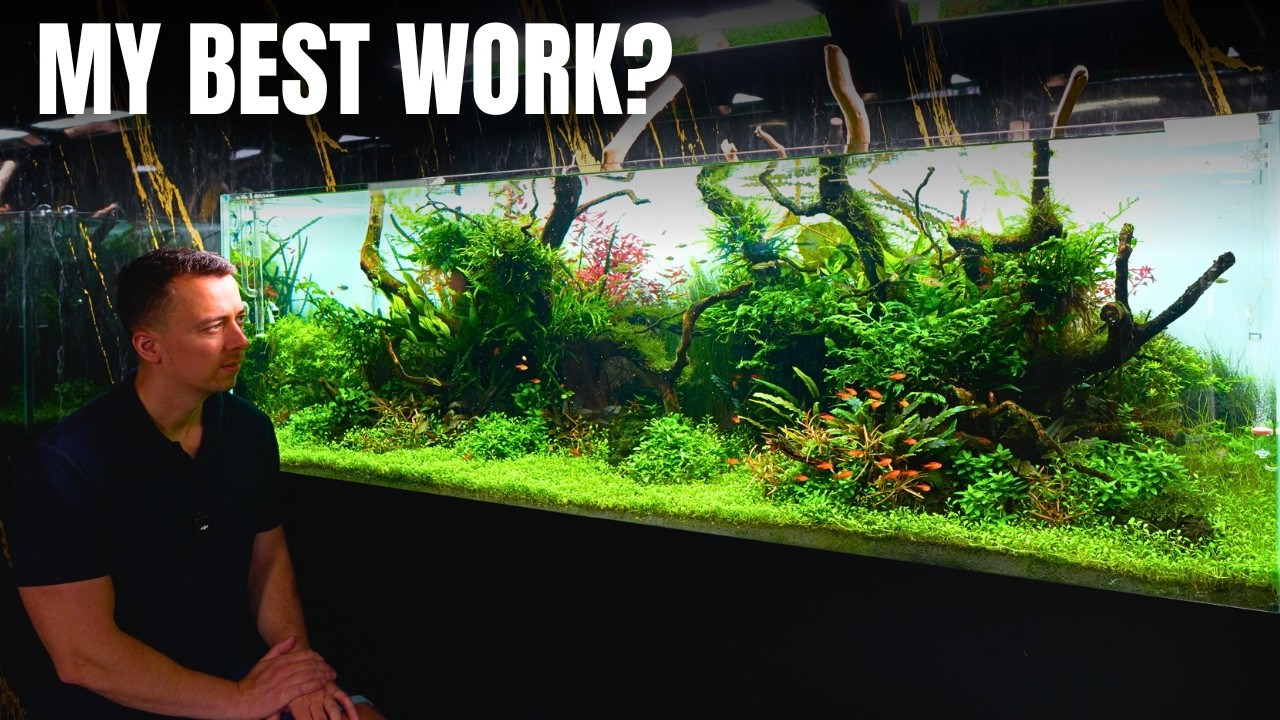
Credit: www.youtube.com
Design Styles For Videography
Aquascaping for videography tanks needs careful design. The style should look good on camera.
Different design styles create different moods and effects. Choose a style that fits the video theme.
Nature-inspired Layouts
Nature-inspired layouts copy the look of real landscapes. They use rocks, plants, and wood to mimic nature.
This style feels calm and fresh on video. It can show underwater forests, mountains, or riverbeds.
- Use varied plants for a natural look
- Place stones like natural boulders
- Create depth with foreground and background layers
Minimalist Designs
Minimalist designs focus on simplicity and clean lines. They use fewer elements but make each one stand out.
This style works well for clear, focused shots. It highlights shapes and colors without distractions.
- Choose one or two plant types
- Use simple hardscape like a single rock or wood piece
- Keep the tank uncluttered
Themed Aquascapes
Themed aquascapes tell a story or follow a concept. Themes can be fantasy, historical, or seasonal.
This style adds interest and creativity. It can attract viewers with unique and fun visuals.
- Plan a clear theme before designing
- Use decorations that match the story
- Adjust plants and layout to support the theme
Lighting Techniques
Good lighting can change how your aquascape looks on video. It helps to show the details clearly. Proper lighting also sets the mood of your tank footage.
Using the right light can bring out colors and shapes. It also helps in creating a natural feel for the viewers watching your video.
Highlighting Key Features
Focus light on important parts of the aquascape. This draws attention to plants, rocks, and fish. Bright spots make these features stand out on video.
- Use spotlights for specific objects
- Adjust brightness to avoid glare
- Position lights to avoid reflections
- Combine different light angles for balance
Creating Depth And Shadows
Shadows add depth and shape to your aquascape. They make the tank look more three-dimensional in videos. Soft shadows work best to keep a natural look.
| Lighting Angle | Effect on Shadows | Best Use |
| Top Lighting | Soft shadows below plants | General illumination |
| Side Lighting | Strong shadows for depth | Highlight texture |
| Back Lighting | Silhouettes and contrast | Create mood |
Color Temperature Effects
Light color changes how the tank looks on camera. Warm light gives a cozy feel. Cool light makes the colors pop and look fresh.
Choose the right color temperature to match your aquascape style. Mixing temperatures can create unique looks but use it carefully.
- 2700K to 3500K: Warm, natural tones
- 4000K to 5000K: Neutral white, clear colors
- 6000K to 7000K: Cool, vibrant blues and greens

Credit: www.youtube.com
Filming Tips For Aquascapes
Filming aquascapes can be a rewarding experience. It requires skill and patience to capture the beauty of underwater landscapes.
Understanding camera techniques will enhance your videography. Here are some tips for capturing stunning aquascapes.
Camera Angles And Movements
Choosing the right camera angles is crucial. It helps in showcasing the depth and dimension of the aquascape.
- Use wide angles to capture the entire tank.
- Experiment with low angles to emphasize plant height.
- Include close-ups for detailed shots of fish and plants.
Focus And Depth Of Field
Depth of field affects how much of the scene is in focus. It can add a dramatic effect to your aquascape videos.
Manual focus allows you to choose what parts of the scene are sharp. This can highlight specific features within the tank.
Timing And Water Clarity
Good timing ensures clear and vibrant footage. Filming at the right time can make a big difference.
| Time of Day | Water Clarity |
| Morning | Clear, less disturbed |
| Afternoon | Moderate activity |
| Evening | Best for calm environments |
Maintenance For Long-term Beauty
Maintaining a videography tank is essential for aquascaping beauty. Regular care keeps plants and water healthy.
Understanding key maintenance practices helps ensure a stunning aquarium over time. Let’s explore vital elements.
Water Quality Management
Keeping water clean is important for plant and fish health. Regular checks prevent issues.
- Test water pH weekly
- Change 10% water every two weeks
- Use a quality filter system
Algae Control
Algae can ruin the appearance of your tank. Controlling algae is crucial for clear water.
Plant Pruning And Growth
Pruning plants encourages healthy growth and prevents overcrowding. Trim dead leaves regularly.
| Plant Type | Pruning Frequency |
| Anubias | Monthly |
| Java Fern | Bi-Weekly |
| Cryptocoryne | Weekly |
Frequently Asked Questions
What Is Aquascaping For Videography Tanks?
Aquascaping for videography tanks involves designing underwater scenes to enhance video aesthetics. It focuses on visual appeal, lighting, and layout for clear, captivating footage.
How To Choose Plants For Videography Aquascapes?
Select plants with vibrant colors and varied textures. Choose species that grow slowly and maintain shape to keep the scene stable for filming.
What Lighting Works Best For Videography Tanks?
Use soft, diffused lighting to avoid glare and shadows. LED lights with adjustable intensity and color temperature create natural-looking underwater environments.
How To Maintain Clarity In Videography Aquascapes?
Regular water changes and proper filtration keep water clear. Avoid overfeeding fish and clean algae to ensure sharp, professional video quality.
Conclusion
Creating beautiful aquascapes for videography tanks takes care and creativity. Choose plants and decorations that fit your video style. Keep the tank clean for clear, sharp shots. Lighting plays a big role in how your scene looks. Small changes can make a big difference on camera.
Practice arranging and filming to find your best setup. Enjoy the process and watch your videos come to life. Aquascaping brings nature into your work, making each shot unique. Keep experimenting and improving with each tank you design.