
Are you ready to transform your tropical fish tank into a stunning underwater paradise? Aquascaping for tropical tanks is the secret to creating a vibrant, natural-looking environment that not only looks amazing but also keeps your fish happy and healthy.
Imagine your tank bursting with lush plants, interesting textures, and perfect hiding spots—all designed by you. Whether you’re a beginner or looking to improve your skills, this guide will give you easy tips and tricks to make your tropical tank truly come alive.
Keep reading, and discover how to bring beauty and balance to your aquatic world.
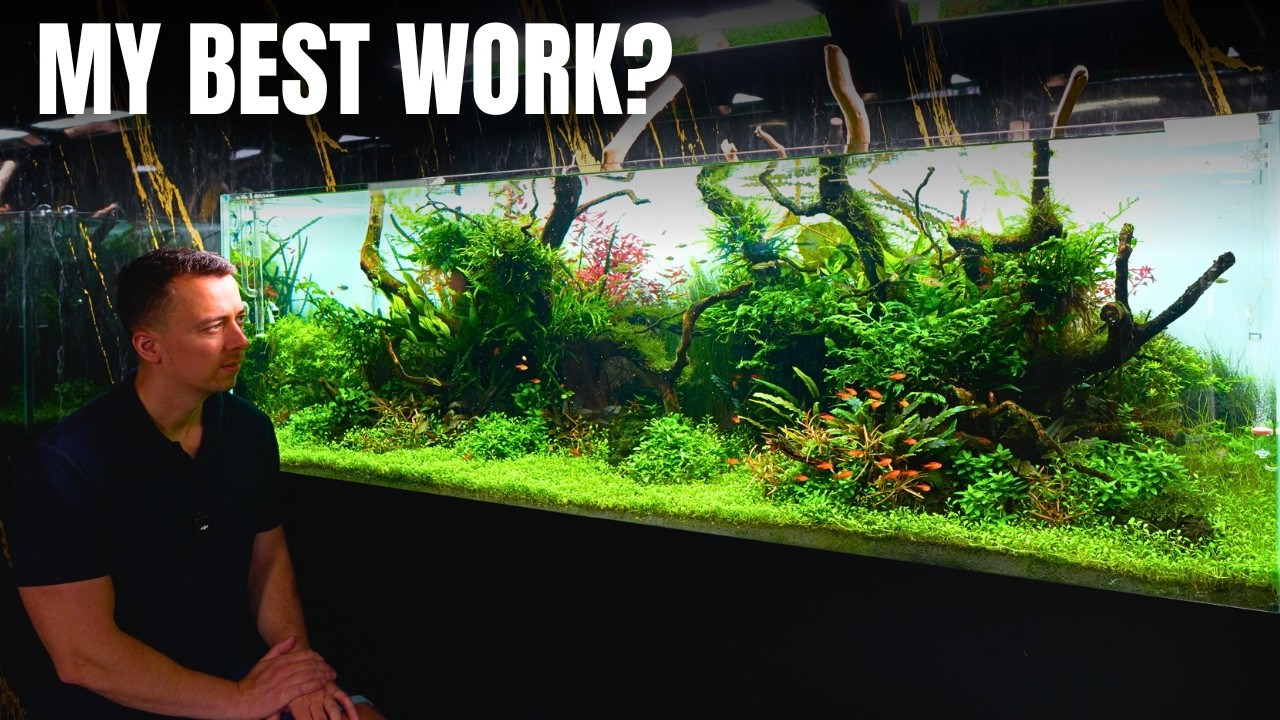
Credit: www.youtube.com
Choosing Tropical Plants
Selecting the right tropical plants is key for a healthy aquascape. Plants add beauty and help keep your tank balanced.
Consider your tank size, lighting, and how much care you can give. This guide helps you pick plants that fit well.
Low-maintenance Options
Some tropical plants need little care and are perfect for beginners. These plants grow well in many conditions and do not require special fertilizers.
- Anubias: Grows slowly and tolerates low light.
- Java Fern: Hardy and easy to attach to rocks or wood.
- Cryptocoryne: Adapts well to different water types.
- Amazon Sword: Needs moderate light but grows strong roots.
- Vallisneria: Fast grower that adds height to your tank.
Colorful Plant Varieties
Plants with different colors make your aquarium lively. Red, purple, and bright green plants create great contrasts.
| Plant Name | Color | Light Needs |
|---|---|---|
| Ludwigia Repens | Red | Medium to High |
| Alternanthera Reineckii | Pink to Red | High |
| Rotala Rotundifolia | Green to Red | Medium |
| Red Tiger Lotus | Dark Red | Medium |
Plant Growth And Placement
Place plants based on their growth habits. Tall plants go in the back, and short ones stay in front. This layout gives depth and space for fish.
- Foreground: Use small plants like dwarf hairgrass or moss.
- Midground: Place medium plants such as crypts or anubias.
- Background: Add tall plants like vallisneria or amazon swords.

Credit: www.pond-planet.co.uk
Selecting Substrate And Hardscape
Aquascaping for tropical tanks requires careful choice of substrate and hardscape. These elements shape the tank’s look and support plant and fish health.
Choosing the right materials can create a natural, balanced environment. This guide covers substrate types, rock and driftwood options, and tips for natural layouts.
Types Of Substrate
Substrate affects plant growth, water quality, and tank appearance. Different substrates suit different plants and fish.
- Gravel: Good for fish that like to dig; easy to clean.
- Aquarium Soil: Rich in nutrients for plants; may lower pH.
- Sand: Smooth texture; ideal for bottom dwellers.
- Clay-based Substrate: Holds nutrients well; promotes root growth.
Rocks And Driftwood Choices
Hardscape materials add structure and natural beauty. They also provide hiding spots and surfaces for beneficial bacteria.
| Material | Features | Considerations |
|---|---|---|
| Seiryu Rock | Sharp texture, blue-gray color | May raise water hardness |
| Dragon Stone | Porous surface, warm tones | Good for plants to attach |
| Manzanita Driftwood | Hard wood, unique shapes | May tint water brown |
| Mopani Wood | Heavy and dense | Needs soaking before use |
Creating Natural Layouts
Natural layouts mimic riverbeds, forests, or lake bottoms. Use substrate and hardscape to create depth and flow.
- Place larger rocks or wood first to set the main structure.
- Build slopes with substrate for a natural ground line.
- Use smaller stones and plants to add detail.
- Leave open swimming space for fish movement.
- Arrange hardscape to guide the eye through the tank.
Design Styles For Tropical Tanks
Aquascaping is the art of arranging plants, rocks, and decorations in a fish tank. Tropical tanks need special designs to mimic their natural environment.
Choosing the right style can make your tank look beautiful and healthy. Here are some popular design styles for tropical tanks.
Nature-inspired Layouts
Nature-inspired layouts use natural shapes and materials. They often look like underwater forests or riverbeds. This style brings a peaceful feel to the tank.
Use driftwood, stones, and live plants to create a natural look. Keep the arrangement loose and organic to mimic wild habitats.
- Include varied plant heights for depth
- Use smooth rocks to imitate river stones
- Place wood to create hiding spots
Minimalist Designs
Minimalist designs focus on simplicity and clean lines. They use fewer plants and decorations to avoid clutter. This style highlights each element clearly.
Choose one or two plant types and a single stone or wood piece. Keep open space to make the tank look calm and spacious.
- Limit plant varieties to one or two
- Use a single focal point like a rock
- Keep the background plain and tidy
Themed Aquascapes
Themed aquascapes create a story or scene inside the tank. Themes can be jungle, mountain, or sunken ship styles. This style adds fun and creativity.
Pick decorations and plants that match your theme. Arrange hardscape materials to build the scene. Use fish that fit the environment for realism.
- Choose a clear theme before starting
- Match plants and decorations to the theme
- Add fish that suit the environment
Lighting And Filtration Tips
Aquascaping tropical tanks needs good lighting and filtration. These help plants grow and keep water clean.
Choosing the right setup supports plant health and fish well-being in your aquarium.
Choosing The Right Lighting
Tropical plants need light that mimics natural sunlight. Use full-spectrum LED lights for best results.
- Pick lights with 6500K color temperature
- Set lighting for 8 to 10 hours daily
- Use a timer to keep a regular schedule
- Adjust brightness based on plant type
Balancing Filtration
Filtration removes waste and keeps water clear. It also helps maintain good water quality for plants and fish.
| Filter Type | Benefit | Notes |
| Canister Filter | Strong mechanical and biological filtration | Good for larger tanks |
| Hang-on-back Filter | Easy to install and maintain | Best for small to medium tanks |
| Sponge Filter | Gentle water flow, good for fry | Supports beneficial bacteria |
Promoting Plant Health
Healthy plants need light, clean water, and nutrients. Keep your tank balanced for best growth.
- Test water weekly for pH and hardness
- Trim dead leaves to prevent decay
- Add liquid fertilizers as needed
- Keep tank temperature stable around 75°F (24°C)
Selecting Tropical Fish
Aquascaping for tropical tanks involves choosing the right fish. It’s important to select species that thrive in a community setting. Understanding their behavior helps in creating a harmonious environment.
Consider the size, temperament, and habitat needs of the fish. This ensures they live comfortably together in your aquarium.
Compatible Species
Compatible species live peacefully with others. They don’t show aggression or dominate the tank. Examples include neon tetras and guppies.
- Neon Tetras
- Guppies
- Cherry Barbs
- Corydoras Catfish
Schooling Fish Options
Schooling fish swim together in groups. They feel safer and are more active when in numbers. Popular choices are rasboras and danios.
- Harlequin Rasboras
- Zebra Danios
- Cardinal Tetras
- Ember Tetras
Behavior And Compatibility
Understanding fish behavior is key to compatibility. Some fish are territorial, while others are calm. Mixing aggressive and peaceful fish can cause stress.
Observe your fish regularly to ensure they are getting along. Adjust the tank setup if needed to reduce conflicts.
Maintenance And Care
Aquascaping for tropical tanks needs regular care to keep plants healthy. Proper maintenance helps the tank look great and supports aquatic life.
Simple tasks done often prevent problems and keep the environment stable for plants and fish.
Regular Pruning And Cleaning
Pruning keeps plants neat and stops them from blocking light. Remove dead leaves to avoid decay. Clean decorations and glass to keep the tank clear.
- Trim fast-growing plants weekly
- Remove dead or yellow leaves
- Clean algae off decorations
- Wipe tank glass gently
- Use plant scissors for precise cuts
Water Parameter Management
Stable water conditions support tropical plants and fish. Test water regularly to track key factors. Adjust water as needed to avoid stress on the tank’s life.
| Parameter | Ideal Range | Why It Matters |
| Temperature | 24-28°C (75-82°F) | Supports tropical plant growth |
| pH | 6.5-7.5 | Prevents plant and fish stress |
| Ammonia | 0 ppm | Toxic to fish and plants |
| Nitrite | 0 ppm | Harmful if present |
| Nitrate | < 20 ppm | High levels cause algae growth |
| Hardness | 3-8 dGH | Affects nutrient availability |
Preventing Algae Growth
Algae can spoil the look of the tank and harm plants. Control light and nutrients to keep algae low. Clean and maintain equipment well.
- Limit tank lighting to 8-10 hours daily
- Do regular water changes (20-30% weekly)
- Use algae-eating fish or snails
- Avoid overfeeding fish
- Remove algae manually when seen
Advanced Aquascaping Techniques
Aquascaping in tropical tanks needs skill and care. Good techniques help plants and fish thrive. This guide covers key methods to improve your tank’s look and health.
Using the right tools and methods makes your aquascape stand out. Learn about CO2 injection, fertilizers, and how to create depth.
Co2 Injection Benefits
CO2 helps plants grow faster and healthier. It improves photosynthesis, making leaves stronger and colors brighter. Fish also enjoy better oxygen levels.
- Speeds up plant growth
- Enhances leaf color and shape
- Reduces algae growth by helping plants compete
- Supports stable pH levels in the water
Using Fertilizers Effectively
Fertilizers supply essential nutrients plants need. Using them right avoids nutrient shortages and keeps plants healthy. Choose liquid or root fertilizers based on your plant types.
| Type | Best For | Application |
| Liquid Fertilizers | Stem and leaf plants | Added to water weekly |
| Root Tabs | Root feeders like Cryptocoryne | Placed in substrate near roots |
| Comprehensive Mix | Mixed plant tanks | Combination of liquid and root tabs |
Creating Depth And Perspective
Depth makes your tank look larger and more natural. Use hardscape and plant placement to create layers. Dark colors in the back and light colors in front help.
- Place tall plants at the back
- Use small plants in front
- Arrange rocks and wood to guide the eye
- Keep the center open for focus

Credit: www.youtube.com
Frequently Asked Questions
What Is Aquascaping For Tropical Tanks?
Aquascaping for tropical tanks involves designing underwater landscapes using plants, rocks, and wood. It enhances tank aesthetics and creates a natural habitat for tropical fish.
Which Plants Are Best For Tropical Aquascaping?
Best plants include Java fern, Anubias, Amazon sword, and Cryptocoryne. These thrive in warm water and low to moderate light, perfect for tropical tanks.
How Do I Maintain Aquascaping In Tropical Tanks?
Regular pruning, water changes, and monitoring water parameters keep aquascapes healthy. Proper lighting and nutrient dosing also support plant growth and fish well-being.
Can Aquascaping Improve Fish Health?
Yes, aquascaping provides hiding spots and reduces stress for fish. Healthy plants improve water quality by absorbing nitrates, promoting a balanced ecosystem.
Conclusion
Aquascaping tropical tanks brings beauty and balance to your aquarium. Simple plants and decorations create a peaceful underwater world. Regular care helps keep fish healthy and happy. Experiment with layouts to find what you like best. Enjoy watching your tank grow and change over time.
Aquascaping adds life and color to any room. Start small, be patient, and have fun with the process. Your tropical tank can become a stunning centerpiece.