
Imagine turning your tropical fish tank into a vibrant underwater paradise that not only looks stunning but also keeps your fish happy and healthy. Aquascaping for tropical fish tanks is the secret to creating that perfect balance between beauty and function.
Whether you’re a beginner or have some experience, this guide will help you transform your tank into a breathtaking scene that captivates every eye. Ready to discover how simple changes can make a big impact? Keep reading to unlock the art of aquascaping tailored just for your tropical fish.
Choosing The Right Tank
Picking the right tank is important for a healthy tropical fish environment. The tank size and material affect fish comfort and plant growth.
Understanding tank size, shape, and material helps you set up a balanced aquascape. This guide covers key points to consider.
Tank Size And Shape
Tank size affects how many fish and plants you can keep. Bigger tanks give more space for plants to grow and fish to swim.
- Choose a tank size that fits your available space
- Long tanks offer more surface area for oxygen exchange
- Tall tanks may limit light reaching the bottom plants
- Wide tanks give a natural look and room for aquascaping
Shape affects water flow and decoration placement. Rectangular tanks are the most common and easiest to decorate.
Material Considerations
Tanks come mainly in glass or acrylic. Each has benefits and drawbacks for aquascaping.
| Material | Advantages | Disadvantages |
| Glass | Scratch resistant, clear view | Heavier, can break easily |
| Acrylic | Lighter, stronger, better insulation | Scratches easily, needs careful cleaning |
Choose a material that fits your budget and maintenance preferences. Glass is common for beginners, acrylic suits larger tanks.
Selecting Tropical Fish
Choosing the right tropical fish is key for a healthy tank. Fish vary in size, color, and behavior. Pick fish that match your tank size and plants.
Knowing fish needs helps create a balanced environment. This guide covers popular species and tips for compatibility.
Popular Species
Here are some popular tropical fish for planted tanks. Each species has unique features and care needs.
- Neon Tetras:Small, colorful, and peaceful. They swim in groups and enjoy planted areas.
- Guppies:Hardy and easy to care for. Males have bright colors and patterns.
- Corydoras Catfish:Bottom dwellers that help keep the tank clean. They like soft substrate.
- Angelfish:Larger fish with elegant fins. They prefer tall tanks with plants for hiding.
- Betta Fish:Vibrant colors and flowing fins. They need gentle water flow and places to rest.
Compatibility Tips
Some fish get along well, while others can be aggressive. Use these tips to keep peace in your tank.
| Fish Type | Temperament | Tank Size (Gallons) | Notes |
| Neon Tetras | Peaceful | 10+ | Keep in groups of 6 or more |
| Guppies | Peaceful | 10+ | Mix males and females carefully |
| Corydoras Catfish | Peaceful | 20+ | Needs soft substrate |
| Angelfish | Semi-aggressive | 30+ | May bully smaller fish |
| Betta Fish | Aggressive (males) | 5+ | Keep alone or with calm species |
Aquascaping Styles
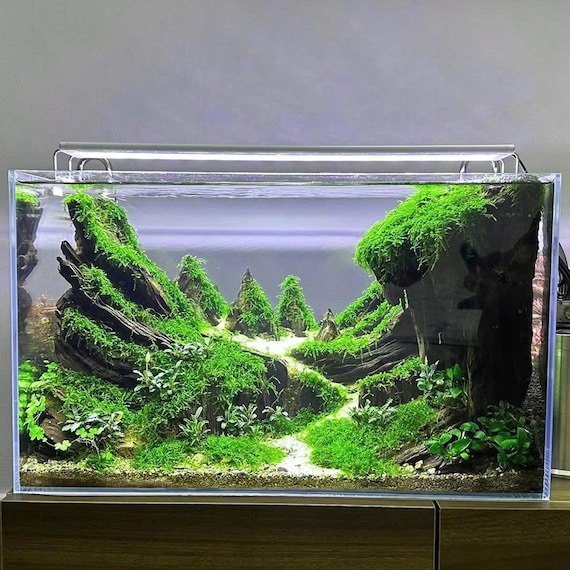
Aquascaping is an art of arranging plants, rocks, and driftwood in a fish tank. It creates a beautiful underwater landscape for tropical fish tanks.
Different styles add unique looks to your aquarium. Explore popular styles like Nature Aquarium, Iwagumi Layout, and Dutch Style.
Nature Aquarium
The Nature Aquarium style mimics natural landscapes. It uses rocks, plants, and wood to create harmony.
- Focuses on natural beauty
- Rocks and driftwood are main features
- Plants grow freely with minimal trimming
Iwagumi Layout
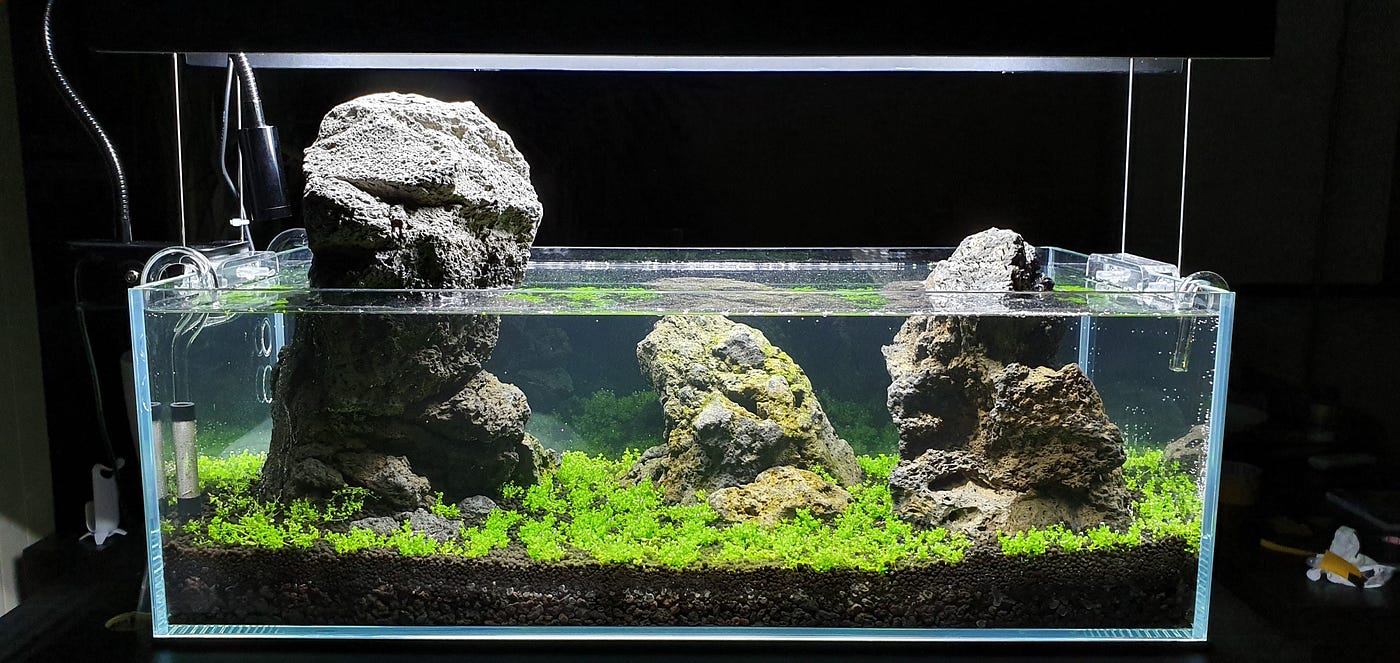
Iwagumi Layout is a minimalist style. It uses stones as the primary focus. This style often features a triangular layout.
| Element | Role |
| Main Stone | Primary focal point |
| Supporting Stones | Balance and harmony |
| Plants | Simple ground cover |
Dutch Style
The Dutch Style is colorful and plant-focused. It uses a variety of plants to create depth and layers. This style resembles a garden.
This style avoids rocks and wood. Plants are trimmed to form stair-step layers. Bright colors and textures make it vibrant and lively.
Hardscape Elements
Hardscape elements shape the look and feel of tropical fish tanks. They create structure and hiding places for fish.
Choosing the right rocks, driftwood, and substrate helps build a natural and healthy environment.
Rocks And Stones
Rocks and stones add texture and form to the tank layout. They provide hiding spots and climbing areas for fish.
Select rocks that are safe for tropical fish. Avoid sharp edges that can hurt the fish.
- Slate and slate-like stones offer flat surfaces for plants.
- Granite is strong but heavy and may raise tank hardness.
- Sandstone has a natural look but can break down over time.
- Aquarium-safe river rocks are smooth and fish-friendly.
Driftwood Choices
Driftwood creates natural hiding places and shade. It also adds a warm tone to the tank.
Choose driftwood that sinks easily and does not release toxins. Soak wood before placing it in the tank.
- Mopani wood is dense and sinks well.
- Malaysian driftwood has a smooth texture and dark color.
- Spider wood offers a unique shape with many branches.
- Manzanita wood is light but durable and looks natural.
Substrate Types
Substrate covers the tank bottom and supports plants and fish. It affects water quality and fish health.
Pick substrates that match your tank’s needs. Some substrates help plants grow better.
- Sand is soft and good for bottom dwellers.
- Gravel is common and allows water flow through roots.
- Aquarium soil boosts plant growth and holds nutrients.
- Crushed coral raises water hardness for certain fish.
Plant Selection
Choosing the right plants is key for a healthy tropical fish tank. Plants provide shelter, improve water quality, and create a natural look.
Select plants based on their size, light needs, and growth rate. This helps keep your tank balanced and beautiful.
Foreground Plants
Foreground plants are small and low-growing. They create a carpet or border at the front of the tank. These plants let your fish swim freely.
- Dwarf Hairgrass
- Java Moss
- Cryptocoryne Parva
- Glossostigma Elatinoides
Midground Plants
Midground plants grow taller than foreground plants. They fill the space between the front and back. These plants add depth and hiding spots.
| Plant Name | Height | Light Needs |
| Anubias Nana | 4-6 inches | Low to Medium |
| Java Fern | 6-10 inches | Low to Medium |
| Bucephalandra | 3-8 inches | Low to Medium |
| Cryptocoryne Wendtii | 6-12 inches | Low to Medium |
Background Plants
Background plants grow tall and cover the back of the tank. They create a natural backdrop and help fish feel secure.
- Amazon Sword
- Vallisneria
- Water Wisteria
- Cabomba
Lighting And Co2
Aquascaping for tropical fish tanks needs the right lighting and CO2. Both help plants grow healthy and look beautiful.
Good lighting and CO2 balance support plant photosynthesis. This keeps your tank environment stable and attractive.
Light Intensity And Duration
Light intensity means how bright the light is. Plants need enough light to make food through photosynthesis.
Too much light causes algae growth. Too little light slows plant growth. Find a balance for your tank.
- Use LED or fluorescent lights designed for aquariums
- Keep light on for 8 to 10 hours daily
- Adjust light strength based on plant types
- Use timers to keep light consistent
Co2 Injection Methods
CO2 helps plants grow faster and stay healthy. Adding CO2 improves plant color and shape.
There are several ways to add CO2 in tanks. Choose the best fit for your setup and budget.
- Pressurized CO2 systems use tanks and regulators for steady CO2 flow
- DIY yeast reactors create CO2 by fermenting sugar and yeast
- Liquid carbon supplements add CO2 without special equipment
- Check CO2 levels regularly to avoid harm to fish
Water Parameters
Maintaining proper water parameters is key for a healthy tropical fish tank. The right conditions support plant growth and fish health.
In this guide, we focus on temperature control, pH and hardness, and filtration tips for aquascaping success.
Temperature Control
Tropical fish and plants thrive in warm water. Keep the temperature stable between 75°F and 80°F (24°C to 27°C). Sudden changes can stress fish and harm plants.
Use a reliable heater and thermometer to monitor tank temperature daily. Avoid placing the tank near windows or vents.
Ph And Hardness
The pH level measures how acidic or alkaline the water is. Tropical fish prefer a pH between 6.5 and 7.5. Hardness refers to minerals in the water, like calcium and magnesium.
- Soft water has low mineral content and a hardness below 60 ppm.
- Medium hardness ranges from 60 to 120 ppm.
- Hard water contains over 120 ppm of minerals.
Test water regularly using kits to keep pH and hardness in the ideal range. Adjust these with water conditioners or substrates as needed.
Filtration Tips
| Filter Type | Benefit | Best For |
|---|---|---|
| Mechanical | Removes debris and particles | Clear water |
| Biological | Breaks down waste with bacteria | Healthy tank environment |
| Chemical | Eliminates toxins and odors | Water clarity and quality |
Choose a filter that combines these types for best results. Clean the filter media regularly but avoid washing with tap water to keep bacteria alive.

Credit: www.youtube.com
Maintenance Routines
Maintaining a tropical fish tank requires regular care. Aquascaping involves keeping both fish and plants healthy.
Proper routines ensure a thriving aquatic environment. Let’s explore key maintenance tasks.
Water Changes
Changing water is essential for fish health. It removes waste and toxins.
Weekly changes keep the environment stable. Use dechlorinated water to avoid harming the fish.
- Change 10-15% of the water weekly
- Use a siphon to remove debris from the substrate
- Check water temperature before adding new water
Algae Control
Algae can overgrow and harm your tank’s appearance. Control it to maintain balance.
Reduce algae by limiting light and nutrients. Keep the tank clean and monitor fish food.
- Limit tank lighting to 8 hours daily
- Remove excess food after feeding
- Add algae-eating fish or snails
Plant Trimming
Trimming plants promotes healthy growth. It keeps the aquascape looking neat.
Regular trimming prevents plants from overshadowing each other. Use clean scissors for cutting.
- Trim dead or yellow leaves regularly
- Shape plants to fit the desired design
- Remove overgrown stems to allow light in
Design Tips For Impact
Aquascaping creates beautiful underwater scenes for tropical fish tanks. Good design makes your tank look natural and inviting. Use simple tips to design with strong impact.
Think about how you place plants, rocks, and wood. These elements help build a lively and balanced tank. Focus on depth, color, and balance for the best effect.
Creating Depth And Perspective
Depth makes your tank look bigger and more natural. Use different sizes and heights of plants and decorations. Place taller plants in the back and shorter ones in front.
- Use larger rocks near the front and smaller ones at the back.
- Layer plants to create a sense of distance.
- Keep open spaces to avoid clutter and allow fish to swim freely.
- Arrange wood pieces to guide the eye through the tank.
Color Coordination
Colors add life and mood to your tank. Match plant colors with fish colors for harmony. Use bright colors sparingly to create focal points.
| Color | Effect | Example Plants |
| Green | Calm and natural | Java Fern, Anubias |
| Red | Vibrant and eye-catching | Alternanthera, Ludwigia |
| Brown | Warm and earthy | Driftwood, Bogwood |
| Yellow | Bright and cheerful | Hydrocotyle, Rotala |
Balancing Elements
Balance keeps your tank pleasant to look at. Mix hardscape and plants in equal amounts. Avoid crowding one side of the tank.
- Place rocks and wood opposite to heavy plant groups.
- Keep an odd number of main decorations for natural look.
- Use empty spaces to give the eyes a rest.
- Change balance over time by trimming or adding plants.
Credit: www.etsy.com
Credit: medium.com
Frequently Asked Questions
What Plants Are Best For Tropical Fish Aquascaping?
Choose hardy, low-maintenance plants like Java fern, Anubias, and Amazon sword. These plants thrive in warm tropical water and provide shelter for fish.
How Do I Maintain Water Quality In Aquascaped Tanks?
Regular water changes, proper filtration, and avoiding overfeeding keep water clean. Test water parameters weekly to ensure a healthy environment for tropical fish.
Can I Use Natural Decorations In Tropical Fish Tanks?
Yes, use driftwood, rocks, and leaf litter to mimic natural habitats. These elements add aesthetic appeal and provide hiding spots for fish.
How Important Is Lighting For Tropical Fish Aquascaping?
Lighting supports plant growth and enhances fish colors. Use adjustable LED lights to simulate natural daylight cycles and promote a balanced ecosystem.
Conclusion
Aquascaping brings life and beauty to tropical fish tanks. It creates a natural space for fish to swim and hide. Plants and decorations help keep water clean and healthy. Simple designs work best for beginners and busy people. Regular care keeps the tank looking fresh and balanced.
Enjoy watching your fish thrive in a well-planned environment. Try new ideas and learn with each setup. Aquascaping makes any tropical tank more relaxing and fun.