
Are you ready to transform your aquarium into a stunning underwater paradise? Aquascaping for tropical fish is more than just arranging plants and decorations—it’s about creating a vibrant, natural home where your fish can thrive and captivate anyone who sees it.
Imagine your tank bursting with color, movement, and life, drawing attention every time someone walks by. In this guide, you’ll discover simple yet powerful tips to design a tropical fish showcase that looks amazing and keeps your fish happy. Let’s dive in and make your aquarium the centerpiece of your space!
Choosing The Right Aquarium
Setting up a tropical fish aquarium starts with choosing the right tank. The tank affects fish health and the look of your aquascape.
Consider the size, material, and placement of your aquarium carefully. These factors support your fish and plants well.
Tank Size And Shape
Choose a tank size that fits your space and the fish you want. Bigger tanks are easier to keep stable for tropical fish.
- Small tanks hold less water and need more care.
- Tall tanks offer good vertical space but less surface area.
- Long tanks give more surface area for oxygen exchange.
- Square tanks fit well in corners or small rooms.
Material Considerations
Aquariums come in glass or acrylic. Each has pros and cons for aquascaping.
| Material | Pros | Cons |
| Glass | Scratch resistant, clear view, affordable | Heavier, can crack if dropped |
| Acrylic | Lightweight, strong, better insulation | Scratches easily, costs more |
Placement And Lighting
Place the tank where it gets stable temperature and easy access. Avoid direct sunlight to prevent algae growth.
Good lighting is key for plant growth and fish health. Use these tips:
- Choose LED lights for energy savings.
- Match light spectrum to tropical plants.
- Set a timer for 8-10 hours of light daily.
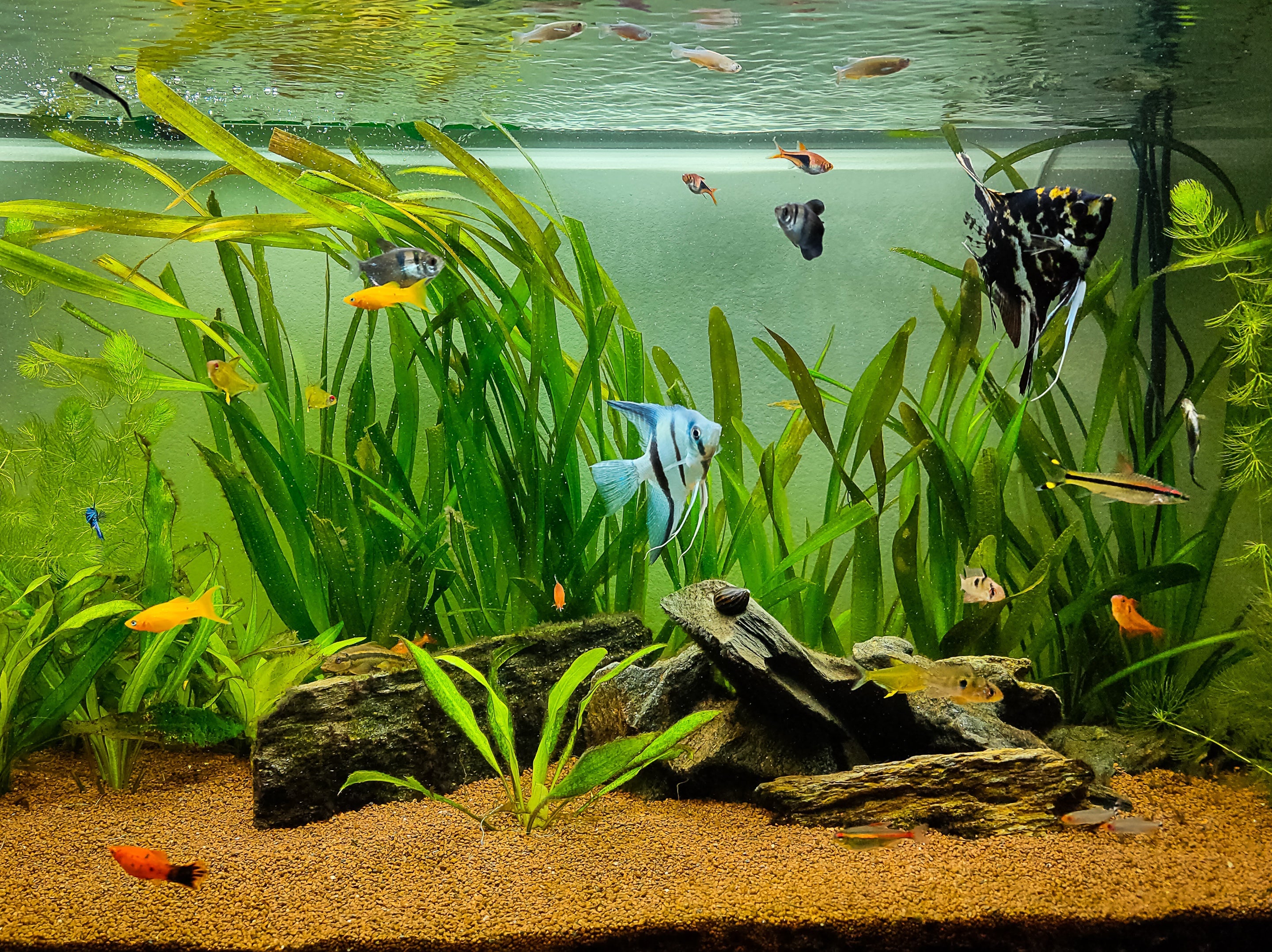
Credit: splashyfishstore.com
Selecting Tropical Fish Species
Choosing the right tropical fish is key for a healthy aquarium. Each fish has unique needs and traits.
Understanding species helps you create a balanced and beautiful aquascape for your tropical fish.
Popular Tropical Fish Options
Many tropical fish species are popular for their colors and behavior. Some common choices include guppies, neon tetras, and angelfish.
- Guppies:Small, active, and colorful.
- Neon Tetras:Bright blue and red stripes, peaceful.
- Angelfish:Larger, graceful swimmers.
- Betta Fish:Vibrant colors, can be aggressive.
- Corydoras Catfish:Bottom dwellers, help keep tank clean.
Compatibility And Behavior
Some tropical fish get along well, others do not. Aggressive fish can harm peaceful ones.
| Fish Species | Behavior | Tank Compatibility |
|---|---|---|
| Guppies | Peaceful | Good with most small fish |
| Betta Fish | Aggressive | Avoid with other males or fin-nippers |
| Neon Tetras | Peaceful | Best in groups of six or more |
| Angelfish | Semi-aggressive | Can bully smaller fish |
| Corydoras Catfish | Peaceful | Good community fish |
Color And Size Matching
Matching fish by color and size keeps your tank looking balanced. Avoid mixing very large with very small fish.
- Choose fish with colors that complement each other.
- Keep similar sizes together to reduce stress and injury.
- Use contrasting colors to create visual interest.
- Avoid very bright fish with dull-colored species for harmony.
Aquascaping Styles For Tropical Tanks
Aquascaping is the art of arranging plants, rocks, and wood in an aquarium. It creates a beautiful home for tropical fish.
Different styles suit different tastes and tank setups. Each style has unique features and design rules.
Nature Aquarium Style
This style copies natural landscapes like forests or mountains. It uses driftwood, stones, and green plants to create a natural look.
The layout feels calm and organic. Plants grow freely but stay balanced to keep the tank healthy and pretty.
Dutch Style Layout
It focuses on colorful plants arranged in neat groups. This style does not use rocks or wood as main decorations.
The goal is to create a garden-like scene with many plant species. Plants are trimmed often to keep shapes clear.
- Bright and varied plant colors
- Plants arranged by height and color
- No hardscape like rocks or driftwood
Iwagumi Design
Iwagumi is a Japanese style that uses stones as the main focus. Plants are simple and low to highlight the rocks.
This style needs careful stone placement. Usually, three or five stones create balance and harmony in the tank.
- Minimal plants, often mosses or short grass
- Clear focal points with carefully placed stones
- Open space to create calm and order
Biotope Aquascape
This style recreates a specific natural habitat for tropical fish. It uses plants, rocks, and wood from the fish’s home region.
The biotope style helps fish feel safe and behave naturally. It also teaches aquarists about real ecosystems.
- Use native plants and decorations
- Match water conditions to natural habitat
- Focus on fish species from one region
Essential Plants And Hardscape Materials
Aquascaping creates a natural home for tropical fish. Choosing the right plants and hardscape materials is key. These elements improve water quality and provide shelter.
Good design balances plants, driftwood, rocks, and substrate. Each part plays a role in a healthy tank environment.
Aquatic Plants For Tropical Tanks
Plants add color and oxygen to the tank. They also help reduce algae by competing for nutrients. Some plants are easy to care for and good for beginners.
- Anubias – grows well in low light and attaches to rocks or wood
- Java Fern – hardy and tolerant of many water conditions
- Amazon Sword – large leaves provide hiding spots for fish
- Cryptocoryne – slow growing and adds texture to the tank
- Hornwort – floats or roots easily, great for oxygenation
Using Driftwood And Rocks
Driftwood and rocks create natural hiding places for fish. They also add structure and contrast to the plants. Always clean these materials before adding them to the tank.
| Material | Benefits | Care Tips |
| Driftwood | Provides tannins, natural look, fish shelter | Soak before use to remove dirt and soften |
| Rocks | Add texture, anchor plants, create caves | Use aquarium-safe rocks, clean well |
Substrate Choices
The substrate supports plant roots and helps keep water clear. Choose substrates that match your plants’ needs and your tank’s style.
- Gravel – easy to clean and good for many plants
- Aquarium soil – rich in nutrients for plant growth
- Sand – soft for bottom dwellers but may compact
- Plant-specific substrate – provides minerals and holds roots
Creating Balanced Layouts
Creating balanced layouts is key to a beautiful tropical fish aquascape. It helps the tank look natural and pleasing to the eye.
Balance means arranging plants, rocks, and open areas so nothing feels too crowded or empty.
Focal Points And Depth
A focal point draws attention inside the aquarium. It could be a unique plant, rock, or decoration.
Depth makes the aquarium look bigger. Place taller plants or hardscape at the back and smaller ones in front.
- Use a bright or colorful plant as a focal point
- Place hardscape elements to guide the eye
- Create layers with different plant heights
Plant Grouping Techniques
Group plants with similar shapes and colors together. This creates a natural look and keeps the layout tidy.
Use odd numbers when grouping plants. Odd groups look more natural than even numbers.
- Cluster tall plants in the back corners
- Place medium plants in the middle
- Use small plants near the front
- Mix different leaf shapes for texture
Open Swimming Areas
Open swimming areas give fish space to move freely. These spaces balance dense plant groups and hardscape.
Keep some parts of the tank free of plants. This helps fish feel safe and shows their colors well.
- Leave clear areas in the center or front
- Avoid overcrowding with plants or decorations
- Make sure open spaces are easy to swim through
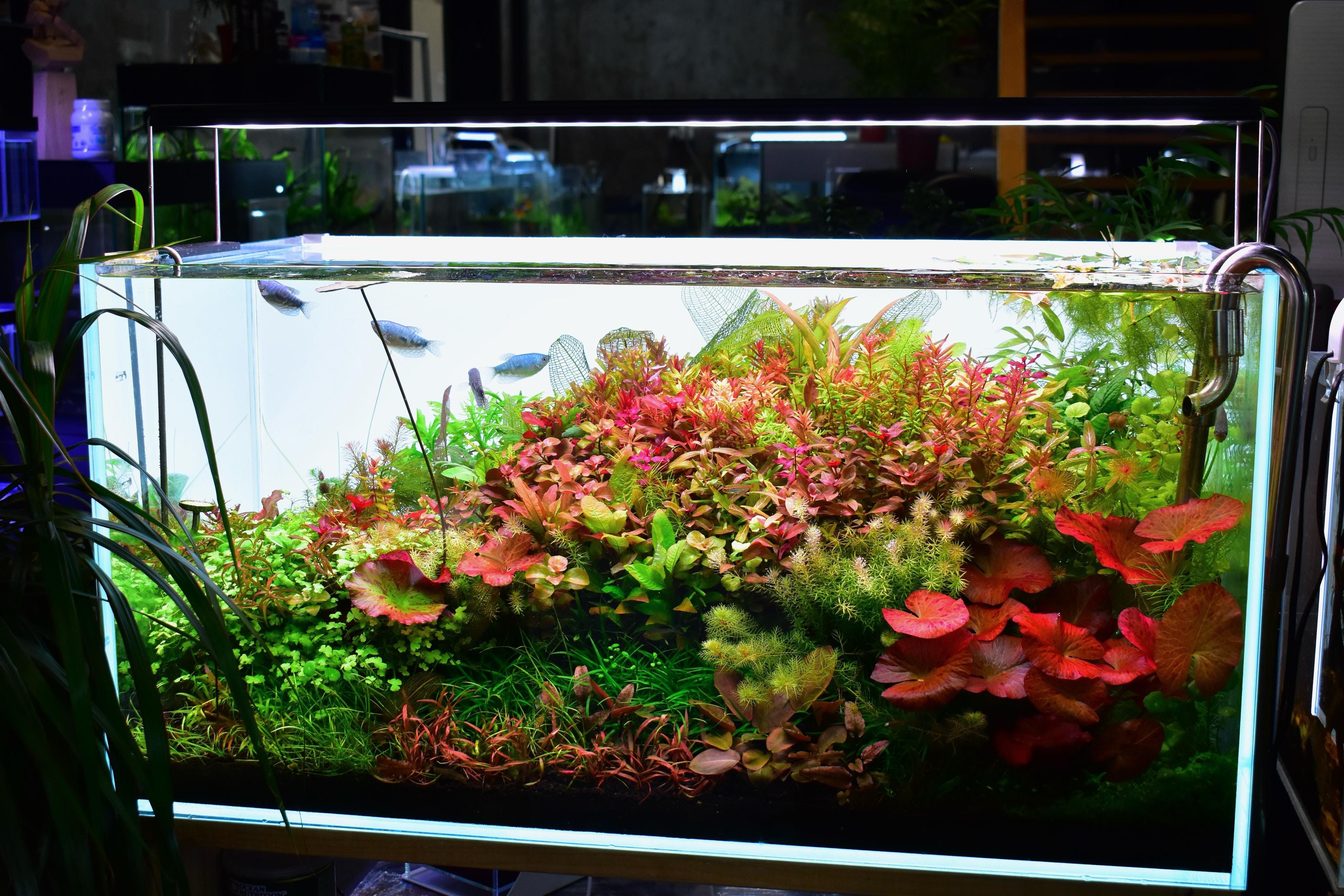
Credit: mrplantgeek.substack.com
Maintenance Tips For Vibrant Aquascapes
Keeping a vibrant aquascape requires ongoing care and attention. Simple maintenance ensures your tropical fish thrive in a healthy environment.
This guide covers essential tips to maintain water quality, manage plant growth, and control algae effectively.
Water Quality Management
Water quality is crucial for the health of your fish. Regular checks prevent harmful conditions from developing.
- Test water pH and hardness weekly
- Perform partial water changes every two weeks
- Clean filters monthly to ensure efficiency
Trimming And Pruning Plants
Regular pruning keeps aquatic plants healthy and prevents overgrowth. This also enhances light penetration.
Algae Control Strategies
Algae can quickly take over if not controlled. Balanced lighting and nutrients help reduce algae growth.
| Strategy | Effectiveness |
| Reduce lighting to 8 hours a day | High |
| Introduce algae-eating fish | Medium |
| Use CO2 injection systems | High |
Lighting And Filtration Setup
Setting up the right lighting and filtration is key for a thriving aquascape. It enhances the beauty and supports the health of tropical fish.
Understanding the basics of lighting and filtration helps create an ideal environment for your aquatic life.
Choosing The Right Lighting
Proper lighting is essential for plant growth and fish well-being. It also brings out vibrant colors in your aquarium.
- LED lights are energy-efficient and long-lasting.
- Full-spectrum lights support plant photosynthesis.
- Adjustable lights help mimic natural day-night cycles.
Filter Types And Placement
Filters keep the water clean by removing waste and toxins. Their placement affects the efficiency of the filtration process.
| Filter Type | Best Use |
| Canister Filters | Large tanks |
| Hang-on-back Filters | Medium tanks |
| Sponge Filters | Small tanks or breeding tanks |
Ensuring Adequate Water Flow
Water flow helps distribute nutrients and oxygen throughout the aquarium. It is crucial for plant and fish health.
Use water pumps or powerheads to create gentle currents. Avoid strong currents that may stress fish.
Enhancing Visual Appeal
Aquascaping for tropical fish is a great way to improve your aquarium’s look. It helps create a natural, beautiful space for your fish.
Using different design ideas can make your tank more colorful and lively. This guide shows how to enhance the visual appeal.
Using Color Contrasts
Color contrasts make your fish and plants stand out. Bright colors next to dark backgrounds catch the eye well.
- Place brightly colored fish near green plants
- Use dark substrate to highlight light-colored plants
- Add red or orange plants to contrast with blue water
Incorporating Backgrounds
Backgrounds add depth and style to the aquarium. They help hide wires and equipment while making fish colors pop.
| Background Type | Effect |
| Black Matte | Enhances bright fish colors |
| Blue Gradient | Mimics natural water depth |
| Plant Scene | Creates a natural habitat feel |
Highlighting Fish Behavior
Showcasing fish behavior adds life to your tank. Use clear spaces and proper lighting to watch fish actions easily.
- Provide open swimming areas for active fish
- Place plants or rocks near hiding spots
- Use soft lighting to avoid stressing fish
- Arrange decorations to encourage natural movement
Common Challenges And Solutions
Aquascaping for a tropical fish showcase is rewarding but can be tough. Many hobbyists face problems with algae, fish stress, and plant health.
Knowing how to handle these challenges helps keep your aquarium beautiful and your fish healthy.
Dealing With Algae Overgrowth
Algae can grow fast and cover plants and decorations. It makes the tank look messy and can harm fish and plants.
Control algae by keeping light and nutrients balanced. Avoid too much light or extra food that algae use to grow.
- Limit aquarium light to 8-10 hours daily
- Remove leftover fish food quickly
- Use algae-eating fish or snails
- Change water regularly to lower nutrients
Preventing Fish Stress
Fish stress can cause illness and death. Stress happens from poor water quality, wrong tank mates, or sudden changes.
Keep fish calm by providing hiding places and stable water conditions. Avoid overcrowding the tank.
- Test water regularly for ammonia, nitrite, and nitrate
- Keep temperature steady for tropical fish
- Choose compatible fish species
- Provide plants and decorations for shelter
Handling Plant Health Issues
Plants may yellow, melt, or grow slowly if they lack light or nutrients. Poor plant health spoils the aquascape look.
Give plants enough light and add fertilizers if needed. Trim dead leaves to keep plants strong.
- Use aquarium-safe fertilizers for nutrients
- Choose plants suitable for your lighting
- Prune plants regularly to promote growth
- Check water parameters to match plant needs

Credit: www.youtube.com
Frequently Asked Questions
What Is Aquascaping For Tropical Fish?
Aquascaping is designing underwater landscapes in aquariums. It enhances the environment for tropical fish, making tanks beautiful and natural. It involves arranging plants, rocks, and wood creatively to mimic natural habitats. Proper aquascaping improves fish health and display appeal.
How To Choose Plants For Tropical Fish Aquascape?
Select plants compatible with tropical fish and water conditions. Choose low-maintenance, hardy species like Java fern or Anubias. Ensure plants provide hiding spots and oxygen. Avoid toxic plants and consider lighting and CO2 needs for healthy growth.
What Equipment Is Essential For Aquascaping Tropical Fish Tanks?
Essential equipment includes a quality aquarium filter, lighting, and substrate. Use CO2 systems for plant growth if needed. Include heaters to maintain tropical temperatures. Proper equipment ensures water quality, supports plants, and keeps fish healthy.
How Often Should I Maintain A Tropical Fish Aquascape?
Perform weekly water changes of 20-30% to keep water clean. Trim plants regularly to prevent overgrowth. Clean filters monthly and monitor water parameters. Consistent maintenance promotes a healthy and thriving aquascape for tropical fish.
Conclusion
Creating a beautiful aquascape for tropical fish takes time and care. Choose plants and decorations that suit your fish’s needs. Keep the tank clean and check water conditions often. Small changes can make a big difference in your fish’s health.
Enjoy watching your fish swim through their colorful, natural environment. Aquascaping makes your tank more than just a home—it turns it into a lively, peaceful scene. Start simple, learn as you go, and have fun with your tropical fish showcase.