
Are you ready to transform your soft water tank into a stunning underwater masterpiece? Aquascaping for soft water tanks isn’t just about placing plants and rocks—it’s about creating a vibrant, living art piece that thrives in your unique water conditions.
Whether you’re a beginner or looking to refine your skills, this guide will help you choose the right plants, design tips, and care tricks tailored just for your tank. Keep reading to discover how you can turn your aquarium into a breathtaking, healthy environment that you’ll love watching every day.
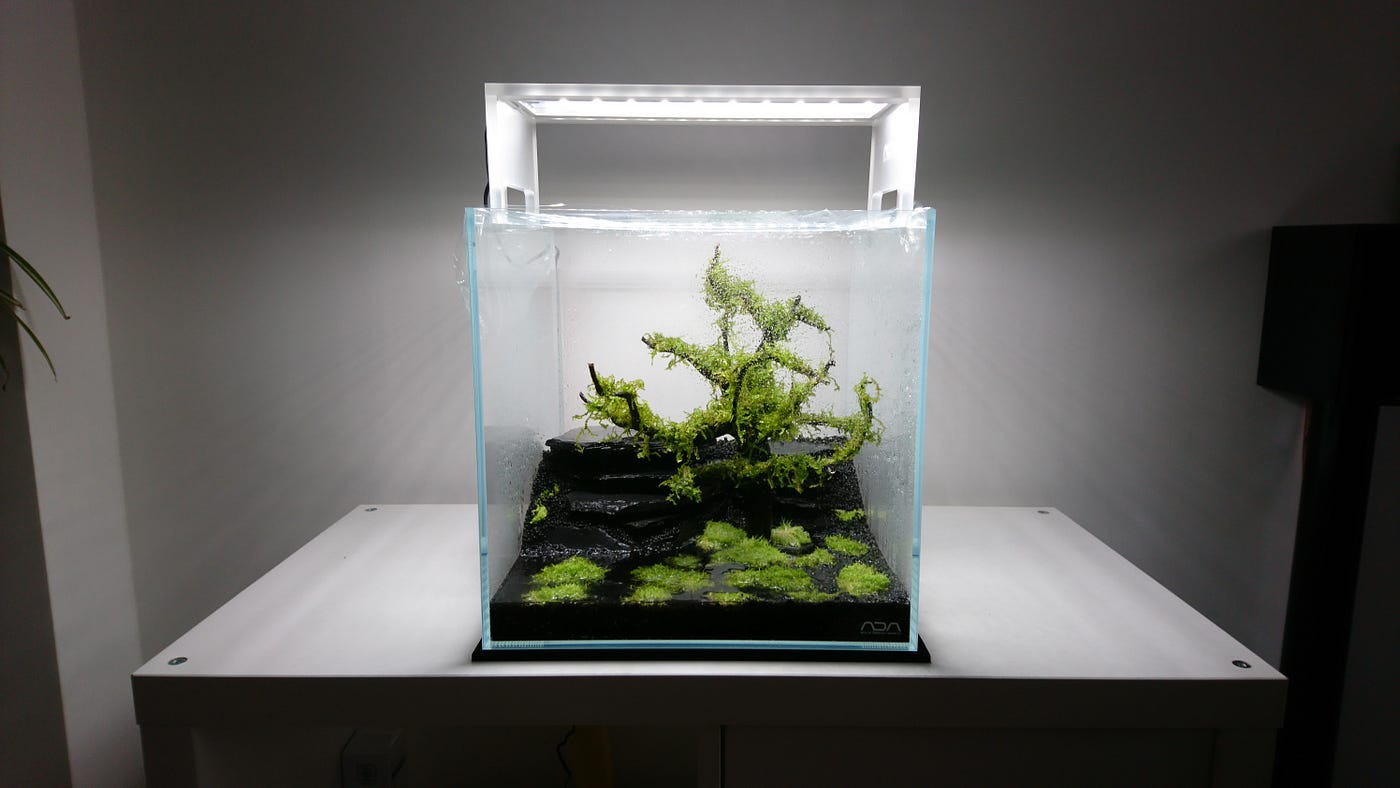
Credit: medium.com
Choosing Plants For Soft Water
Aquascaping soft water tanks needs careful plant choice. Soft water has low minerals and a low pH.
Many plants grow well in soft water. Choosing the right plants helps your tank look healthy and natural.
Popular Soft Water Plant Species
Some plants thrive in soft water and are easy to keep. They add beauty and oxygen to your aquarium.
- Anubias – tough and slow-growing, likes soft water.
- Java Fern – grows well in low minerals and low pH.
- Cryptocoryne – many types do well in soft water.
- Bolbitis – a fern that loves soft, clean water.
- Vallisneria – flexible and grows fast in soft water.
Plant Care Requirements
Soft water plants need gentle care. They like stable water conditions and moderate light.
Keep the water clean and avoid sudden changes. Use fertilizers made for soft water tanks.
- Use gentle lighting to avoid algae growth.
- Feed plants with soft water-friendly nutrients.
- Keep the water temperature steady.
- Trim dead leaves to help plants grow.
- Test water often to keep pH stable.
Balancing Plant Growth
Balancing plant growth keeps your tank healthy. Plants need enough space and nutrients to grow well.
Remove extra plants if they crowd the tank. Watch for algae and keep it under control.
- Trim fast growers to keep balance.
- Plant slow growers in shaded areas.
- Keep fish and plants in balance for good water quality.
- Control light hours to slow down algae.
- Use CO2 if needed to help plant growth.
Ideal Hardscape Materials
Choosing the right hardscape materials is key for soft water aquariums. These materials affect water chemistry and tank health. Use natural elements that keep water conditions stable.
Soft water tanks need careful selection of rocks and wood. Avoid materials that raise hardness or pH. Let’s explore good options for your aquascape.
Rocks Suitable For Soft Water
Not all rocks are safe for soft water tanks. Some release minerals that increase hardness. Choose inert rocks that keep water soft and stable.
- Slate: Dark and smooth, it does not alter water chemistry.
- Quartz: Hard and inert, safe for soft water setups.
- Basalt: Dense volcanic rock, keeps water parameters steady.
- Sandstone: Use carefully, some types may leach minerals.
Driftwood Varieties
Driftwood adds natural beauty and shelter. It also lowers pH slightly, which suits soft water tanks well. Pick types that do not decay fast.
- Manzanita: Hard wood with interesting shapes, lasts long.
- Mopani: Two-toned wood, dense and slow to decompose.
- Cholla: Hollow wood with natural holes for fish hiding.
- Spider Wood: Branchy and light, adds vertical interest.
Creating Natural Layouts
A natural layout mimics riverbeds and forest floors. Balance rock and wood to form open spaces and hiding spots. Use odd numbers for a natural feel.
| Element | Placement Tips |
| Rocks | Place larger rocks as anchors, smaller ones as accents. |
| Driftwood | Arrange wood to create caves and shade for fish. |
| Open Space | Leave empty areas for swimming and plant growth. |
Water Chemistry Basics
Aquascaping for soft water tanks requires careful water chemistry control. Soft water means low mineral content and low hardness.
Knowing water chemistry helps keep plants and fish healthy. It also prevents common problems like algae growth.
Maintaining Soft Water Conditions
Soft water has low general hardness (GH) and low carbonate hardness (KH). Keep these levels stable for a balanced tank.
Use reverse osmosis (RO) water or rainwater to lower hardness. Avoid tap water with high minerals.
- Use RO water mixed with small amounts of tap water
- Add peat moss or almond leaves to soften water naturally
- Change water regularly to keep mineral levels low
Monitoring Ph And Gh
pH shows how acidic or basic the water is. Soft water usually has a pH between 5.5 and 7.0.
GH measures dissolved minerals like calcium and magnesium. Keep GH low to maintain soft water conditions.
- Test pH and GH weekly with aquarium test kits
- Adjust pH slowly using natural methods like driftwood
- Keep GH below 6 dGH for typical soft water tanks
Preventing Algae In Soft Water
Algae can grow fast in soft water tanks if nutrients and light are not balanced. Control these factors to prevent algae.
Keep the tank clean and avoid overfeeding fish. Use plants to compete with algae for nutrients.
- Limit light to 8-10 hours per day
- Remove excess food and debris regularly
- Use fast-growing plants to absorb nutrients
- Perform regular water changes to reduce algae growth
Design Styles For Soft Water Tanks
Aquascaping in soft water tanks needs careful design. Soft water supports specific plants and fish.
Choosing the right design style helps create a healthy and beautiful tank environment.
Nature-inspired Aquascapes
Nature-inspired aquascapes mimic real landscapes like forests or rivers. They use natural rocks, wood, and plants.
Soft water plants like Java fern and Anubias fit well in these setups. They create a calm, natural feel.
- Use driftwood to add natural texture
- Choose soft water plants common in rainforests
- Arrange stones to create hills or riverbeds
Minimalist Layouts
Minimalist layouts focus on simplicity and clean lines. They use few plants and simple hardscape elements.
Soft water tanks suit minimalist designs because many soft water plants grow slowly and stay small.
- Pick one or two plant species
- Use smooth stones or simple driftwood
- Keep the background clear and uncluttered
Themed Aquariums
Themed aquariums create a specific look or story. Themes can be inspired by places or styles.
Soft water tanks work well with themes like Amazon biotopes or Zen gardens. Themed plants and decorations fit the story.
- Amazon biotope: Use soft water plants like Amazon sword
- Zen garden: Use rocks and moss with simple plants
- Japanese style: Include bamboo and soft water friendly plants
Lighting And Co2 Tips
Aquascaping in soft water tanks needs good lighting and CO2 to help plants grow. Both affect how healthy and green your plants look.
Using the right light and CO2 level can keep your tank balanced. This guide helps you choose and use them well.
Choosing The Right Lighting
Plants need light to make food. Soft water tanks need light that is gentle but strong enough. Use full spectrum LED lights for best results.
Keep the light on for 8 to 10 hours each day. Too much light can cause algae to grow. Too little slows plant growth.
- Use LED lights with 6500K color temperature
- Aim for 30 to 50 PAR light intensity
- Set a timer for consistent lighting hours
- Place lights 10 to 12 inches above the tank
Co2 Injection Techniques
CO2 helps plants grow faster and stay healthy. Soft water tanks need steady CO2 because their water does not hold CO2 well.
Use a diffuser to spread CO2 evenly. Check CO2 levels with a drop checker. Keep CO2 at 20 to 30 ppm for best plant growth.
- Use a bubble counter to monitor CO2 flow
- Inject CO2 for 8 to 10 hours daily, matching light hours
- Use a diffuser or reactor for better CO2 spread
- Test CO2 levels regularly with a drop checker
Balancing Light And Nutrients
Good lighting needs the right nutrients to avoid algae. Plants use light and nutrients together to grow well.
Keep fertilizer levels balanced. Watch plants for signs of nutrient or light problems like yellow leaves or algae spots.
- Use liquid fertilizers to add nutrients
- Keep nitrate and phosphate levels low but enough
- Adjust light if you see algae or slow growth
- Trim plants regularly to keep them healthy
Fish And Invertebrate Choices
Aquascaping in soft water tanks offers a unique environment for specific fish and invertebrates. Choosing the right species ensures a vibrant and healthy ecosystem.
Soft water tanks mimic natural habitats like rivers and streams. This setting is ideal for many tropical species, offering a peaceful home for them to thrive.
Species That Thrive In Soft Water
Soft water is perfect for fish like Neon Tetras and Discus. These species flourish in low mineral environments.
- Neon Tetras: Bright and social, ideal for community tanks.
- Discus: Elegant and colorful, but need stable conditions.
- Ram Cichlids: Peaceful and adaptable, prefer planted areas.
- Cherry Shrimp: Small invertebrates that clean algae.
Compatibility With Plants
Choosing plants that thrive in soft water is crucial. These plants provide shelter and oxygen for fish and invertebrates.
Java Moss and Amazon Sword are popular choices. They thrive in soft water and create lush landscapes in aquariums.
Maintaining A Healthy Ecosystem
Maintaining balance is key to a thriving soft water tank. Regular checks ensure stable conditions for all inhabitants.
| Task | Frequency |
| Water Change | Weekly |
| pH Check | Bi-weekly |
| Filter Maintenance | Monthly |
Common Challenges And Solutions
Aquascaping in soft water tanks can be tricky. Many people face common challenges. These include algae growth, water changes, and plant health.
Understanding these issues helps in finding solutions. With simple steps, you can improve your tank’s health.
Dealing With Algae
Algae can grow fast in soft water tanks. It competes with plants for light and nutrients. This makes it a common problem for aquascapers.
To reduce algae, control light exposure. Try setting a timer for your tank lights. Regular water changes also help keep algae away.
- Limit tank lights to 8 hours daily
- Perform weekly water changes
- Remove visible algae with a brush
Water Parameter Fluctuations
Water parameters in soft water tanks can change quickly. Fish and plants need stable conditions to thrive. Keeping the water stable is key.
Check water parameters weekly. Use test kits for pH, hardness, and nitrates. Make small adjustments as needed to maintain balance.
| Parameter | Ideal Range |
| pH | 6.0 – 7.0 |
| Hardness | 3 – 6 dGH |
| Nitrates | <20 ppm |
Plant Deficiency Signs
Plants in soft water tanks may show deficiency signs. Yellowing leaves or slow growth indicate nutrient shortages. Identifying these signs helps in treating plants properly.
Provide plants with necessary nutrients. Use quality fertilizers made for aquariums. Watch for changes in plant color and growth patterns.
- Yellow leaves mean low nitrogen
- Holes in leaves suggest potassium shortage
- Pale new leaves indicate iron deficiency

Credit: www.aquascapeguide.com
Maintenance Routines
Keeping a soft water aquascape healthy needs regular care. Maintenance helps plants and fish stay strong. It also keeps the water clean and clear.
Following simple routines can make your tank look great for a long time. These routines include water changes, pruning, and equipment checks.
Regular Water Changes
Changing water often is key in soft water tanks. It removes waste and keeps the water soft and healthy. Use water that matches the tank’s softness.
- Change 20-30% of the water every week.
- Use dechlorinated water with low minerals.
- Clean the substrate gently during water changes.
- Check water parameters before and after changes.
Pruning And Trimming
Trim plants to keep them healthy and neat. Remove dead leaves and cut overgrown parts. This helps plants get light and grow well.
| Plant Type | Pruning Frequency | Tips |
| Stem Plants | Weekly | Cut just above a leaf node |
| Carpet Plants | Every 2 weeks | Trim edges carefully |
| Floating Plants | Weekly | Remove excess to avoid shading |
Equipment Upkeep
Check your filters, heaters, and lights often. Clean parts that collect dirt. Replace worn-out items to keep the tank stable.
- Clean filter media monthly without harsh chemicals.
- Test heater temperature weekly.
- Inspect light bulbs and replace if dim.
- Check air pumps and tubing for blockages.

Credit: medium.com
Frequently Asked Questions
What Is Aquascaping For Soft Water Tanks?
Aquascaping for soft water tanks involves designing aquatic landscapes using plants and decorations suited for low mineral content water. It enhances tank aesthetics and supports species that thrive in soft water conditions. Proper plant and substrate selection is crucial for success.
Which Plants Thrive In Soft Water Aquascapes?
Plants like Java fern, Anubias, and Cryptocoryne adapt well to soft water. These species prefer low mineral levels and stable pH. They are easy to care for and add lush greenery to soft water tanks, promoting a natural environment.
How To Maintain Water Softness In Aquascaping Tanks?
Regular water changes using soft or RO (reverse osmosis) water maintain softness. Avoid adding hard water sources or minerals. Testing water parameters frequently ensures the right softness level for healthy plant and fish growth.
Can Soft Water Affect Plant Growth In Aquascaping?
Yes, soft water affects nutrient availability, influencing plant growth. Some plants may need supplemental fertilizers to thrive. Monitoring water chemistry and adjusting nutrient dosing helps maintain plant health in soft water aquascapes.
Conclusion
Aquascaping soft water tanks brings life and beauty to your aquarium. Plants thrive in soft water, creating a natural look. Choosing the right plants and decorations helps maintain balance. Regular care keeps your tank healthy and vibrant. Small changes can make a big difference in appearance.
Enjoy the peaceful and calming effect of your aquascape. Soft water tanks offer unique challenges and rewards. Try different layouts to find what suits you best. Your tank can become a stunning underwater garden. Keep learning and experimenting for the best results.