
Imagine creating an underwater world where every plant and fish perfectly complements each other. Aquascaping for single-species harmony lets you do just that.
When you focus on one species, your aquarium becomes easier to maintain and more stunning to watch. You’ll discover how simplicity can bring balance and beauty to your tank. Ready to transform your aquarium into a peaceful, vibrant home? Keep reading to unlock the secrets of perfect single-species aquascaping.
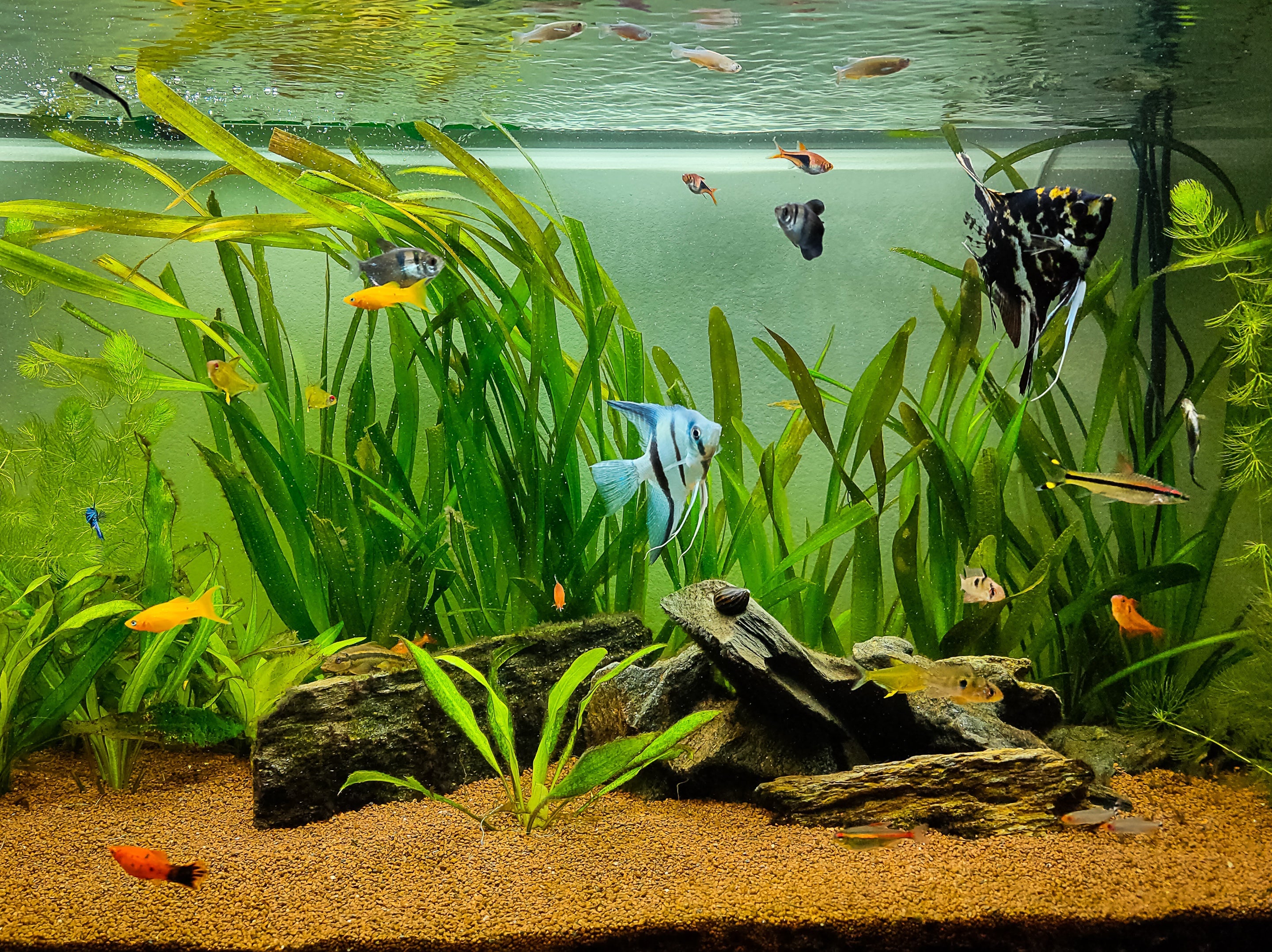
Credit: splashyfishstore.com
Choosing The Right Species
Picking the right species is key to a peaceful aquascape. A single-species tank shows off one type of fish or aquatic animal. This focus helps keep the tank balanced and easy to care for.
Each species has its own needs and behavior. Knowing these helps you create a healthy home that suits your chosen species well.
Popular Single-species Options
Many species do well alone in a tank. Some popular choices include small schooling fish, colorful cichlids, and peaceful catfish. These species often look great and live happily together in groups of their own kind.
- Neon Tetras – Small and bright, good for beginners
- Betta Fish – Colorful and territorial, best kept alone
- Guppies – Hardy fish with many color varieties
- Angelfish – Elegant and tall-bodied cichlids
- Corydoras Catfish – Bottom dwellers that clean the tank
Behavior And Compatibility
Understanding how fish act helps avoid fights and stress. Some species are peaceful and enjoy groups. Others are aggressive and need space alone. Watch their habits closely to keep harmony.
| Species | Behavior | Compatibility |
| Neon Tetras | Peaceful, schooling | Good with same species only |
| Betta Fish | Territorial, aggressive | Best kept alone or with non-fish |
| Guppies | Active, peaceful | Good with other guppies |
| Angelfish | Moderately aggressive | Avoid mixing with small fish |
| Corydoras Catfish | Calm, social | Good in groups of same kind |
Environmental Needs
Each species needs certain water conditions and tank setups. These include temperature, pH, and tank size. Meeting these needs helps fish stay healthy and active.
- Neon Tetras: Soft, slightly acidic water; 70-81°F (21-27°C)
- Betta Fish: Warm water; 75-80°F (24-27°C); low current
- Guppies: Hard water; 72-82°F (22-28°C)
- Angelfish: Slightly acidic to neutral water; 78-84°F (25-29°C)
- Corydoras Catfish: Clean, well-oxygenated water; 72-79°F (22-26°C)

Credit: healthyhomeaquarium.com
Tank Setup Essentials
Setting up a tank for single-species aquascaping requires careful planning. Each element must support the species’ needs and create a balanced environment.
From tank size to water flow, every choice affects the harmony and health of your aquatic plants and animals.
Optimal Tank Size
Choosing the right tank size is key to maintaining a stable environment. Larger tanks offer more water volume, which reduces sudden changes in water parameters.
Small tanks can work but need more frequent care. Consider the adult size and activity level of the species when picking your tank.
Substrate Selection
The substrate supports plant roots and affects water chemistry. Different species thrive with specific substrate types.
- Sand: Good for bottom-dwelling species and plants with fine roots.
- Gravel: Provides good water flow and root anchoring.
- Soil-based substrates: Rich in nutrients for plant growth.
- Mixed substrates: Combine benefits for diverse plant needs.
Filtration And Water Flow
Proper filtration keeps water clean and supports oxygen levels. Water flow helps distribute nutrients and prevents dead zones.
| Filter Type | Water Flow | Best For |
|---|---|---|
| Canister Filter | Moderate to strong | Large tanks, high bioload |
| Hang-on-Back Filter | Moderate | Medium tanks, easy maintenance |
| Sponge Filter | Gentle | Small tanks, delicate species |
| Internal Filter | Variable | Small to medium tanks, space-saving |
Plant Selection And Arrangement
Aquascaping with a single plant species creates a peaceful and unified look. Choosing the right plants and arranging them well is very important. This helps create a healthy and attractive aquarium.
Good plant selection supports the fish and other life in the tank. Proper arrangement makes the tank look natural and pleasing to the eye.
Best Plants For Single-species Tanks
Some plants work better alone because they grow well and look good in groups. Choose plants that match your tank size and water conditions.
- Java Fern: Easy to care for and stays green.
- Anubias: Slow growing with thick leaves.
- Cryptocoryne: Adds texture and grows in low light.
- Amazon Sword: Large leaves create a bold look.
- Java Moss: Great for covering rocks and wood.
Creating Natural Habitats
Arrange plants to mimic their natural environment. Grouping plants with similar needs helps them grow well.
Use height and shape to create depth. Taller plants go in the back, shorter ones in front. Leave space for fish to swim.
- Place tall plants at the back.
- Use mid-height plants in the middle.
- Put low plants or moss at the front.
- Leave open swimming areas for fish.
Balancing Aesthetics And Function
Your tank should look nice and support life inside. Plants clean water and provide hiding places for fish.
Choose plants that look good but also help keep water healthy. Avoid overcrowding to keep plants strong and fish happy.
- Pick plants that fit your tank size.
- Leave enough space between plants.
- Use plants that help water quality.
- Keep a good balance of light and shade.
Lighting And Co2 Management
Proper lighting and CO2 control are key for a healthy single-species aquascape. They help plants grow strong and keep the environment stable.
Balancing light and CO2 reduces stress on plants and prevents common problems like algae overgrowth. Careful adjustments support harmony in your tank.
Adjusting Light Intensity
Light affects plant photosynthesis and growth speed. Too much light can cause algae. Too little light makes plants weak.
- Use adjustable LED lights to control brightness.
- Keep light on for 6 to 8 hours daily.
- Measure light intensity with a PAR meter if possible.
- Reduce light gradually if algae appear.
- Place plants at correct distances from the light source.
Co2 Injection Tips
CO2 is vital for plant growth in aquariums. Injecting CO2 helps plants absorb nutrients and thrive.
| Tip | Description |
| Start Low | Begin with low CO2 levels and increase slowly to avoid shock. |
| Monitor pH | Check pH daily to keep CO2 in a safe range for fish. |
| Use Diffusers | Install good diffusers to dissolve CO2 efficiently in water. |
| Timing | Run CO2 during lights on, turn off when lights go off. |
| Consistent Flow | Keep water flow steady to distribute CO2 evenly. |
Preventing Algae Growth
Algae can ruin the look and health of your aquascape. Proper balance of light and CO2 helps stop algae before it starts.
- Match light hours to plant needs; avoid excess.
- Keep CO2 levels stable to limit algae food supply.
- Regularly clean glass and decorations.
- Do partial water changes weekly.
- Remove visible algae with a soft brush or scraper.
Feeding And Maintenance
Keeping a single-species aquascape healthy needs proper feeding and care. Feeding right helps fish stay strong and active.
Maintenance keeps the tank clean and water safe for the fish. Watch your tank often to catch problems early.
Feeding Practices For Single Species
Feed your fish food made for their species. Give small amounts two or three times daily. Remove leftover food to avoid pollution.
- Use high-quality pellets or flakes
- Offer live or frozen food occasionally
- Feed at the same times every day
- Watch fish eat to avoid overfeeding
- Adjust food amount based on fish size and number
Routine Tank Maintenance
Regular cleaning keeps the tank healthy. Change part of the water weekly and clean algae from surfaces.
- Remove 10-20% of water and replace with fresh water
- Clean the tank glass with a soft cloth
- Vacuum the gravel to remove waste
- Check and clean filters monthly
- Trim plants as needed to prevent overgrowth
Monitoring Water Parameters
Test water often to keep fish safe. Check key factors like pH, ammonia, and temperature.
| Parameter | Ideal Range | Importance |
| pH | 6.5 – 7.5 | Controls water acidity for fish health |
| Ammonia | 0 ppm | Toxic if above zero |
| Nitrite | 0 ppm | Harmful to fish |
| Nitrate | < 20 ppm | Needs control to avoid stress |
| Temperature | 24°C – 28°C (75°F – 82°F) | Matches natural habitat for comfort |

Credit: www.aqqapet.com
Troubleshooting Common Issues
Aquascaping for single-species harmony can be challenging, especially when issues arise. Troubleshooting common problems is crucial to maintaining a healthy and thriving aquarium.
Dealing With Stress And Aggression
Stress and aggression in single-species aquariums can lead to a decline in water quality and the overall health of the fish. Identifying the causes of stress and aggression is essential to resolving the issue.
- Monitor water temperature, pH, and ammonia levels, as changes can cause stress.
- Provide adequate hiding places and visual barriers to reduce aggression.
- Avoid overfeeding, as this can lead to digestive issues and stress.
Identifying Disease Early
Diseases can spread quickly in a single-species aquarium, making early identification crucial. Regular monitoring of the fish and their environment can help detect diseases before they become severe.
- Look for changes in fish behavior, such as lethargy or loss of appetite.
- Inspect the fish for visible signs of disease, such as lesions or discoloration.
- Monitor water quality, as poor water conditions can lead to disease.
Correcting Imbalance In Aquascape
An imbalance in the aquascape can lead to water quality issues and stress the fish. Correcting the imbalance requires a thorough understanding of the aquarium’s ecosystem.
| Issue | Solution |
| Overstocking | Reduce fish population or increase tank size. |
| Incorrect water parameters | Adjust water temperature, pH, or other parameters as needed. |
Frequently Asked Questions
What Is Single-species Harmony In Aquascaping?
Single-species harmony means designing an aquarium with one species. It ensures balanced behavior and reduces stress among aquatic life. This approach highlights the species’ natural beauty and simplifies tank maintenance.
How To Choose Plants For Single-species Aquascaping?
Select plants that suit your fish’s habitat and water needs. Consider growth rate, lighting, and compatibility. Native or similar-environment plants help maintain water quality and enhance natural aesthetics.
Why Is Water Parameter Control Important In Single-species Tanks?
Stable water parameters create a healthy environment for your species. It prevents stress and disease by matching temperature, pH, and hardness to the species’ needs. Consistency supports long-term tank harmony.
Can Single-species Aquascaping Reduce Fish Aggression?
Yes, limiting species reduces territorial conflicts and aggression. It allows fish to establish natural social structures. Proper space and hiding spots further minimize stress and encourage peaceful behavior.
Conclusion
Creating a single-species aquascape brings peace and balance to your tank. It helps fish feel safe and show natural behaviors. Choosing the right plants and decorations supports their health. Regular care keeps the environment clean and stable. This simple focus makes your aquarium easier to maintain.
Enjoy watching your fish thrive in their perfect home. Aquascaping this way offers beauty and harmony in one space. Try it and see the calm it brings.