
Have you ever thought about turning your classroom into a living, breathing work of art? Aquascaping for schools is more than just setting up a fish tank—it’s a chance to create a stunning underwater garden that can inspire creativity and calm minds.
Imagine your students watching plants grow, fish swim, and ecosystems thrive right before their eyes. This isn’t just decoration; it’s a powerful tool to boost learning and spark curiosity. If you want to discover how aquascaping can transform your school environment and engage your students like never before, keep reading.
Your classroom is about to become a whole new world.
Benefits Of Aquascaping In Schools
Aquascaping is the art of arranging plants and decorations in an aquarium. It creates a beautiful underwater scene. Schools can use aquascaping to teach students in a fun way.
This activity helps students learn about nature and care for living things. It also makes classrooms more lively and peaceful.
Enhancing Creativity
Aquascaping lets students design their own underwater world. They choose plants, rocks, and fish to create a unique scene.
- Students plan the layout and colors.
- They experiment with different styles.
- This boosts their imagination and art skills.
Promoting Environmental Awareness
Students learn about aquatic life and ecosystems. They see how plants and animals depend on each other.
| Topic | What Students Learn |
| Water Quality | Importance of clean water |
| Plant Growth | How plants make oxygen |
| Fish Care | Needs of aquatic animals |
Encouraging Responsibility
Taking care of an aquascape teaches students to be responsible. They feed fish and clean the tank regularly.
They see the results of their care and learn patience. This helps build good habits in daily life.
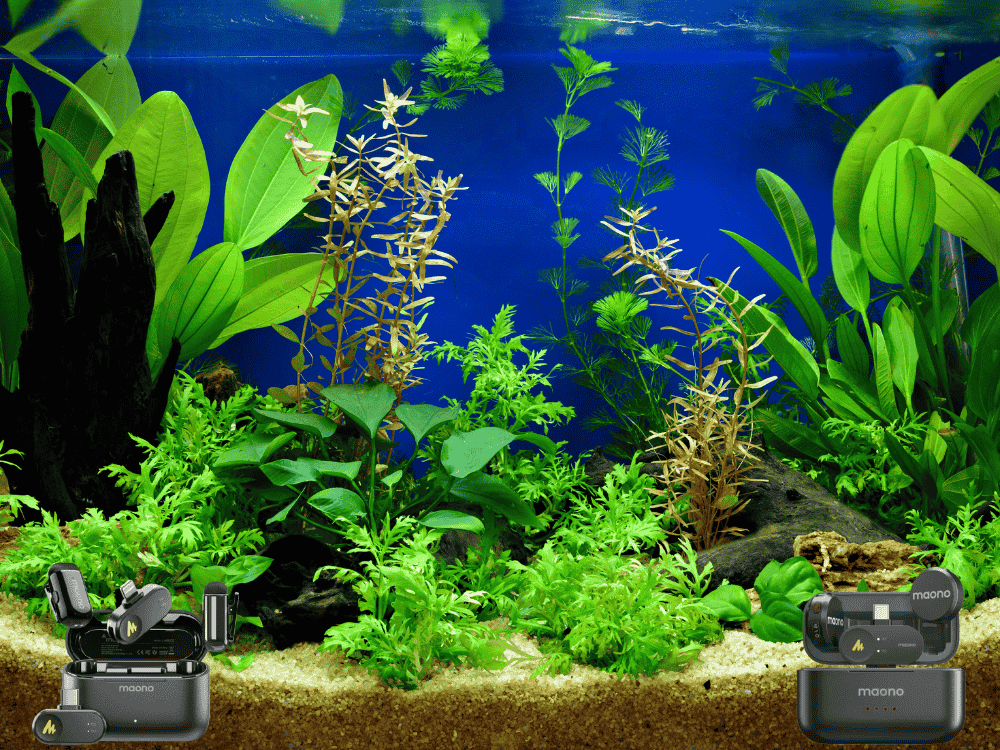
Credit: www.maono.com
Choosing The Right Setup
Aquascaping in schools is a great way to teach students about nature and science. Picking the right setup makes the project fun and easy to manage.
This guide helps you choose the best tank, plants, fish, and budget options for a school aquascape.
Selecting Tank Size And Type
Choose a tank size that fits your classroom space and student group size. Smaller tanks are easier to maintain but offer less room for plants and fish.
Glass tanks are common and clear. Acrylic tanks are lighter but can scratch easily. Consider safety and cleaning when picking the tank type.
- 10-20 gallons for small groups
- 20-40 gallons for bigger projects
- Glass for durability and clarity
- Acrylic for light weight and shape options
Picking Suitable Plants And Fish
Select plants that grow well indoors and need low light. Easy plants like Java fern and Anubias work well for schools.
Choose fish that are hardy and peaceful. Small fish like guppies or tetras are good for beginners and classroom tanks.
- Java fern: low light, low care
- Anubias: slow-growing, strong
- Guppies: colorful and easy
- Tetras: small and peaceful
Budget-friendly Options
School aquascapes can be affordable. Use second-hand tanks or simple setups to save money. Basic filters and lights work well.
Buy plants and fish from local stores or online sales. Avoid expensive decorations to keep the focus on learning.
- Look for used tanks and equipment
- Choose basic LED lights and filters
- Buy beginner plants and fish
- Avoid costly decorations
Incorporating Aquascaping Into Curriculum
Aquascaping is a creative way to teach many subjects at school. It combines nature and design in a small aquarium.
This activity helps students learn science, art, and teamwork. It makes lessons hands-on and fun.
Science And Biology Lessons
Students explore ecosystems by creating aquascapes. They study plant growth, water cycles, and fish care.
- Learn about photosynthesis in aquatic plants
- Observe fish behavior and habitats
- Test water quality and its effects on life
- Understand balance in a closed ecosystem
Art And Design Projects
Aquascaping lets students express creativity by arranging plants, stones, and wood. It teaches color and space use.
| Design Element | Purpose |
| Plant Variety | Adds texture and color |
| Rock Placement | Creates structure and depth |
| Wood Pieces | Provides natural look and shelter |
| Open Spaces | Balances the layout |
Teamwork And Project Management
Building an aquascape requires planning and cooperation. Students share tasks and solve problems together.
Skills learned include:
- Dividing work fairly
- Setting goals and deadlines
- Communicating clearly with team members
- Adjusting plans when needed
Step-by-step Aquascaping Guide
Aquascaping is the art of arranging plants, rocks, and water in an aquarium. It creates a natural and beautiful underwater scene. Schools can use aquascaping as a fun and educational project for students.
This guide helps you plan and set up a simple aquascape. Follow each step carefully to build a healthy and attractive aquarium.
Planning The Layout
Start by deciding the style and size of your aquascape. Choose a theme such as a forest, mountain, or river scene. Think about where to place plants and decorations for the best look.
- Draw a rough sketch of your design
- Pick plants and hardscape materials like rocks or wood
- Consider the lighting and tank size
- Plan pathways for fish to swim
Preparing The Substrate
The substrate is the base layer where plants grow. Use a mix that supports plant roots and keeps the water clear. Rinse the substrate before adding it to the tank.
| Substrate Type | Purpose | Notes |
| Aquarium Soil | Nutrient rich for plants | Best for heavy planting |
| Gravel | Good drainage and stability | Use with root tabs for nutrients |
| Sand | Fine texture, decorative | May need cleaning often |
Planting And Decorating
Place plants carefully to match your layout plan. Add decorations like rocks or driftwood to create natural shapes. Avoid overcrowding so plants have room to grow.
- Plant tall species at the back
- Use small plants in front
- Secure decorations firmly
- Leave open space for fish
Maintaining The Aquarium
Keep the aquarium clean and healthy with these tasks:
- Test water quality weekly
- Change 20% of water every two weeks
- Trim plants to control growth
- Clean algae from glass and decorations
- Feed fish properly and avoid overfeeding
Overcoming Common Challenges
Aquascaping in schools can be a rewarding experience. Students learn about nature and science. Still, there are common challenges to face.
Understanding how to deal with these challenges helps keep the aquascape healthy and beautiful. Let’s explore some key issues.
Dealing With Algae
Algae can grow fast and cover plants and decorations. It makes the tank look messy. Controlling algae is important for a clean aquascape.
- Keep the tank out of direct sunlight to slow algae growth.
- Do not overfeed fish, as leftover food feeds algae.
- Regularly clean the glass and decorations.
- Use algae-eating fish or snails to help control algae naturally.
- Change water often to reduce nutrients that algae need.
Ensuring Fish Health
Fish need good care to stay healthy. Sick fish can spread disease and harm the aquascape. Watch fish behavior and appearance every day.
| Common Signs | Action to Take |
| Fish hiding often | Check water quality and tank conditions |
| White spots on body | Isolate fish and treat with medicine |
| Rapid breathing | Test oxygen levels and improve aeration |
| Loss of appetite | Feed small amounts and observe closely |
Maintaining Water Quality
Good water quality supports plants and animals. Poor water can cause stress and disease. Keep water clean and balanced.
- Test water weekly for pH, ammonia, and nitrate levels.
- Change 10-20% of the water every week.
- Use a good filter to remove waste and toxins.
- Remove dead plants and debris quickly.
- Keep the tank temperature stable for the species used.
Credit: www.plantedtank.net
Showcasing Student Work
Aquascaping is an art of arranging aquatic plants, rocks, and driftwood. In schools, it offers a unique way for students to express creativity. Showcasing their work can inspire others and build pride in their creations.
Highlighting student aquascapes can lead to a vibrant school community. It encourages collaboration and skill development among students.
Organizing Aquascaping Exhibitions
Exhibitions allow students to display their aquascaping projects. These events can be held in school halls or classrooms. Students can set up their aquariums for everyone to see.
Exhibitions give students a platform to explain their designs. They can share the inspiration and techniques behind their aquascapes. This enhances their communication skills.
- Select a suitable venue within the school
- Invite parents and classmates to attend
- Provide students with time to prepare their displays
Encouraging Peer Feedback
Feedback from peers helps students learn and improve. It fosters a supportive environment where students can share thoughts and ideas.
Peers can offer constructive criticism, which is valuable for growth. Feedback sessions can be organized post-exhibition for better interaction.
- Organize small group feedback sessions
- Encourage positive and constructive comments
- Create a respectful and open discussion space
Sharing Success Stories
Success stories motivate other students to participate in aquascaping. Sharing these stories can highlight the benefits of engaging in this hobby.
Students can write about their experiences and what they learned. These stories can be shared in school newsletters or on the school website.
- Interview students about their aquascaping journey
- Publish stories in the school magazine or website
- Celebrate unique and creative designs

Credit: glassaqua.com
Frequently Asked Questions
What Is Aquascaping For Schools?
Aquascaping for schools involves designing underwater landscapes in classroom aquariums. It enhances student learning by combining biology, art, and environmental science. This hands-on activity promotes creativity, responsibility, and ecological awareness among students.
How Does Aquascaping Benefit Students?
Aquascaping teaches students about ecosystems, plant care, and aquatic life. It fosters teamwork, observation skills, and patience. This interactive method helps students connect with nature and understand environmental sustainability in a practical way.
What Materials Are Needed For School Aquascaping?
Essential materials include a clear aquarium, aquatic plants, substrate, water, and filtration system. Additional items are decorative rocks and educational guides. These supplies create a healthy, visually appealing underwater environment suitable for classroom learning.
How To Maintain A School Aquascape Aquarium?
Regular maintenance involves monitoring water quality, trimming plants, and cleaning algae. Students should test pH and temperature weekly. Proper care ensures a balanced ecosystem, preventing fish stress and promoting plant growth in the school aquarium.
Conclusion
Aquascaping in schools brings nature inside classrooms. It helps students learn about plants and animals. Hands-on activities make lessons more fun and clear. Students develop care and patience skills. The classroom environment feels calm and fresh. Teachers can connect science with art easily.
Aquascaping also encourages teamwork and creativity. It is a simple way to improve learning. Schools should consider adding aquascapes for many benefits. Small steps can lead to big changes in education.