
Are you ready to take your aquascaping skills to the next level? Whether you’ve been arranging plants and rocks for years or just want to create a breathtaking tank that stands out, this guide is made for you.
Aquascaping for professionals’ tanks isn’t just about placing decorations—it’s about crafting a living masterpiece that captivates every eye. You’ll discover expert tips, design secrets, and practical advice that can transform your aquarium into a stunning underwater world. Keep reading, and unlock the potential of your tank like never before.
Choosing The Right Tank
Picking the right tank is key for a great aquascape. The tank sets the stage for plants, fish, and decorations.
Consider size, material, and placement carefully. These affect how your aquascape looks and grows.
Size And Shape Considerations
Choose a tank size that fits your space and goals. Larger tanks hold stable water conditions better.
- Long tanks offer more horizontal space for layouts.
- Tall tanks are good for deep plant arrangements.
- Cube tanks fit well in small rooms.
- Think about the volume for fish and plants.
- Measure your space before buying a tank.
Material Options
Most tanks are glass or acrylic. Each has benefits and drawbacks.
| Material | Pros | Cons |
| Glass | Scratch resistant, clear view | Heavier, can break |
| Acrylic | Lightweight, impact resistant | Scratches easily, yellows over time |
Placement And Lighting
Find a stable, level spot for your tank. Avoid direct sunlight to stop algae growth.
Good lighting options include:
- LED lights with adjustable brightness
- Full spectrum bulbs for plant growth
- Timers to keep consistent light cycles
Credit: mrplantgeek.substack.com
Selecting Substrate And Hardscape
Aquascaping needs a good base and structure. Substrate and hardscape help shape the tank’s look and support plant growth.
Choosing the right materials makes your tank healthy and beautiful. Let’s explore how to pick the best substrate and hardscape.
Types Of Substrates
Substrate is the material on the tank floor. It supports plant roots and affects water quality.
There are many substrate types for different needs and styles.
- Gravel: Small stones, easy to clean, good for fish tanks
- Aquarium soil: Rich in nutrients, helps plants grow fast
- Sand: Fine texture, good for shrimp and bottom feeders
- Clay-based substrates: Holds nutrients, supports root plants well
Rock And Wood Choices
Hardscape includes rocks and wood that create the tank’s structure. They add natural beauty and shelter for fish.
Pick materials that are safe and fit your design style.
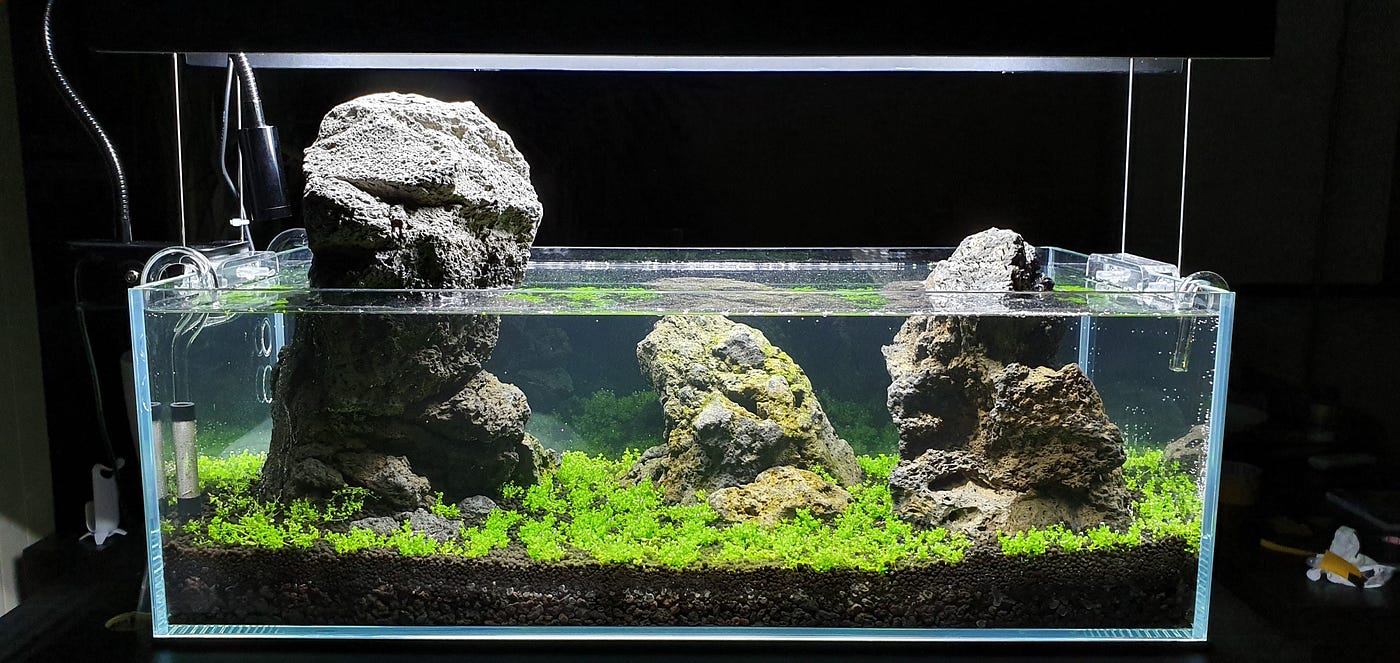
- Rocks: Slate, lava rock, and dragon stone are popular and safe
- Wood: Mopani and driftwood add shape and hide spots
- Avoid rocks that change water chemistry like limestone if you want soft water
- Soak wood before use to prevent water cloudiness
Arranging Hardscape Elements
Arrange rocks and wood to create a natural look. Plan your layout before placing items in the tank.
Use these tips for better hardscape arrangement.
- Place larger rocks or wood first as anchor points
- Use odd numbers for a natural feel
- Leave open space for plants and fish to move
- Create height by stacking rocks or leaning wood
- Balance the layout so one side does not look heavier
Plant Selection And Placement
Aquascaping for professional tanks needs careful plant choices. The right plants create balance and beauty.
Placement matters to show depth and style. Each area of the tank needs specific plants to fit well.
Foreground Plants
Foreground plants stay low and fill the front. They add detail and softness near the glass.
Choose small, slow-growing plants here. They keep the look neat and last longer in front spots.
- Dwarf hairgrass
- Java moss
- Cryptocoryne parva
- Glossostigma elatinoides
Midground Plants
Midground plants are medium height. They connect foreground and background smoothly.
Pick plants with moderate growth. They add shape without blocking the view too much.
- Anubias species
- Java fern
- Cryptocoryne wendtii
- Staurogyne repens
Background Plants
Background plants grow tall and fill the back. They create height and depth in the tank.
Fast-growing species work well here. They cover space and give a lush look quickly.
- Vallisneria
- Amazon sword
- Hygrophila polysperma
- Water wisteria
Fast-growing Vs. Slow-growing Species
Fast-growing plants need more trimming. They fill tanks fast but can crowd other plants.
Slow-growing plants need less care. They keep the layout stable and look neat longer.
- Fast-growers: Hygrophila, Water wisteria, Hornwort
- Slow-growers: Anubias, Java fern, Cryptocoryne
Color And Texture Combinations
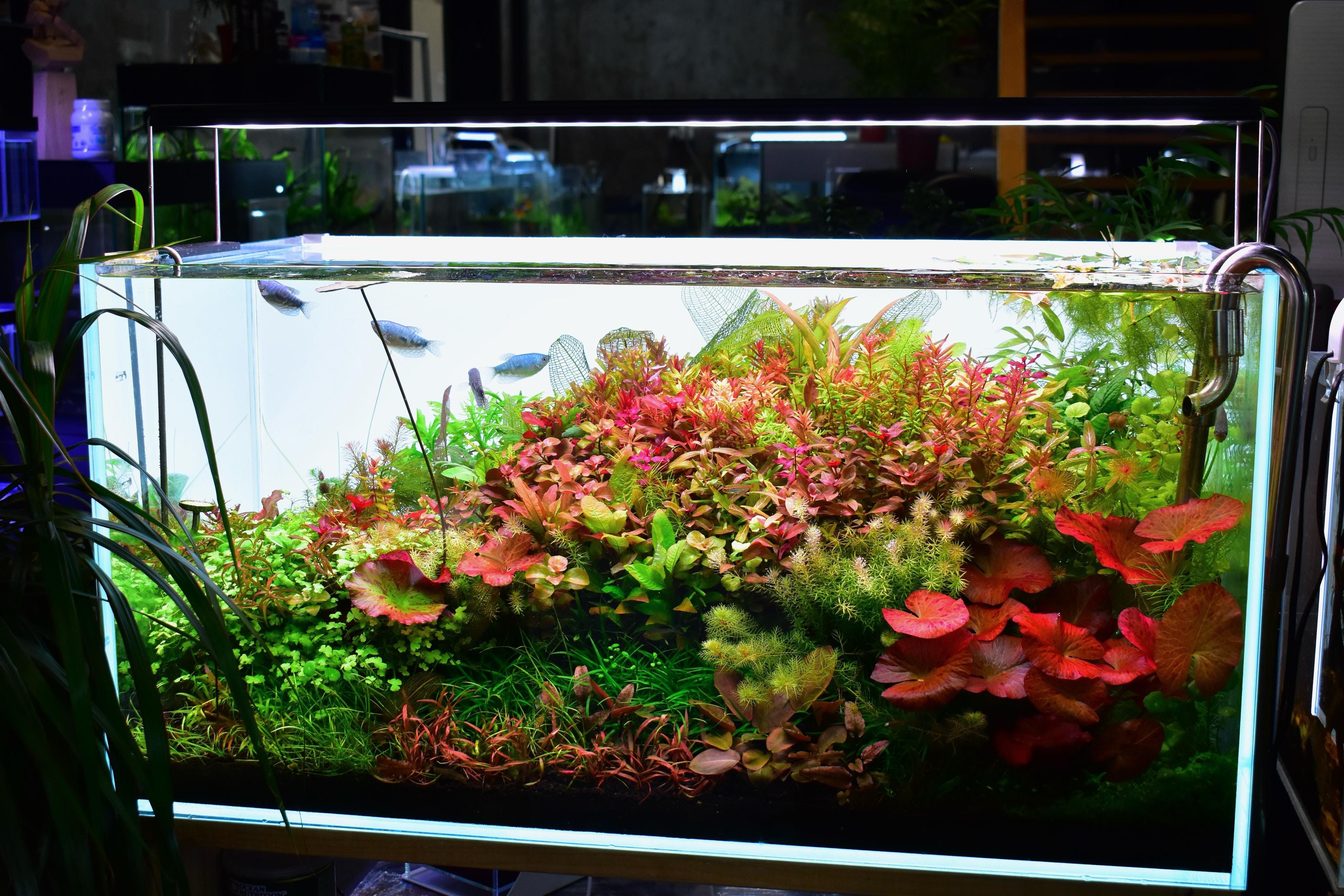
Mix colors and textures to make the tank interesting. Use green shades with red or purple.
Combine broad leaves with fine ones. This contrast adds depth and natural feel.
- Green broad leaves: Amazon sword, Anubias
- Fine leaves: Dwarf hairgrass, Java moss
- Red or purple: Rotala rotundifolia, Alternanthera reineckii
Credit: medium.com
Water Parameters And Filtration
Aquascaping professionals must keep water quality in top shape. Proper water parameters and filtration help plants and fish thrive.
Understanding water chemistry and filtration options will improve tank health and clarity.
Maintaining Optimal Water Quality
Regular testing and water changes keep harmful substances low. Nitrate, ammonia, and nitrite levels need close watch.
- Test water weekly for ammonia, nitrite, and nitrate
- Perform 20-30% water changes every 1-2 weeks
- Remove decaying plant matter and debris
- Use dechlorinated water for refills
- Keep substrate clean with gentle vacuuming
Choosing The Right Filter
Filters remove waste and keep water clear. Choose one that suits tank size and bioload.
| Filter Type | Key Feature | Best For |
| Canister Filter | Strong mechanical and biological filtration | Large tanks with heavy bioload |
| Hang-on-back Filter | Easy to install and maintain | Small to medium tanks |
| Sponge Filter | Gentle filtration, good for fry | Breeding or planted tanks |
| Internal Filter | Compact, fits inside tank | Small tanks or quarantine setups |
Balancing Ph, Hardness, And Temperature
Plants and fish need stable pH, hardness, and temperature. Sudden changes cause stress.
- Keep pH between 6.5 and 7.5 for most aquascapes
- Maintain general hardness (GH) at 4-8 dGH
- Control carbonate hardness (KH) to stabilize pH
- Set temperature between 72°F and 78°F (22°C to 26°C)
- Use heaters and chillers to keep steady temperature
Lighting Techniques
Lighting is key for professional aquascaping tanks. It helps plants grow and shows off the tank’s beauty.
Choosing the right lighting methods improves plant health and fish comfort. This guide covers three main lighting topics.
Intensity And Spectrum
Light intensity affects how well plants grow. Too little light slows growth. Too much can cause algae.
The light spectrum means the colors in the light. Plants need blue and red light most for photosynthesis.
| Light Type | Best Wavelength Range (nm) | Purpose |
| Blue Light | 400-500 | Supports leaf growth and strong stems |
| Red Light | 600-700 | Helps with flowering and energy production |
| Green Light | 500-600 | Less used, but improves plant color |
Duration And Scheduling
Plants need light for a set time each day. Too much light stresses plants and fish.
- Give 8 to 10 hours of light daily
- Use timers to keep a regular schedule
- Adjust light time in winter and summer
- Turn lights off at night for fish rest
Special Lighting Effects
Special effects add beauty and highlight tank features. They can mimic natural sunlight or moonlight.
Co2 And Fertilization Strategies
Aquascaping requires careful planning of CO2 and fertilization. These strategies help plants grow strong in professional tanks.
Understanding CO2 injection and fertilization methods can lead to a healthy, vibrant aquascape. It is important to know the best practices.
Co2 Injection Methods
CO2 is vital for plant growth in aquariums. There are different ways to inject CO2 into your tank.
- Pressurized CO2 systems are efficient and adjustable.
- DIY yeast reactors are cost-effective but less consistent.
- Liquid carbon supplements are easy to use but need regular dosing.
Liquid And Substrate Fertilizers
Fertilizers provide nutrients essential for plant health. Both liquid and substrate fertilizers have their benefits.
| Fertilizer Type | Advantages |
| Liquid Fertilizers | Easy to dose and adjust |
| Substrate Fertilizers | Long-lasting nutrient supply |
Avoiding Algae Growth
Algae can be a challenge in aquascaping. Preventing algae growth involves balancing light, CO2, and nutrients.
Custom HTML: Use a timer for lighting to avoid excess.
Design Styles And Layouts
Aquascaping is an art. Professionals use different styles to create stunning tanks. Each style offers a unique experience.
Understanding design styles helps in creating tanks that mimic natural environments. Let’s explore popular styles.
Nature Aquarium Style
This style mimics natural landscapes. It uses rocks, wood, and plants to create a serene underwater scene.
- Use a variety of plants for a lush look.
- Incorporate driftwood and stones.
- Focus on balance and harmony.
Iwagumi And Dutch Styles
Iwagumi uses rocks as the main focus. It is simple yet elegant. Dutch style is colorful and plant-focused.
| Style | Main Element |
| Iwagumi | Rocks |
| Dutch | Plants |
Creating Depth And Perspective
Depth makes tanks appear larger. Perspective creates a three-dimensional feel. Use different plant sizes and colors.
For depth, place larger plants at the back and smaller ones in the front. This simple trick adds perspective to your tank.

Credit: buceplant.com
Maintenance And Upkeep
Maintaining a professional aquascape requires regular care to keep plants and fish healthy. Good upkeep helps your tank look its best every day.
Proper maintenance includes trimming plants, cleaning the tank, and checking the health of all living things inside.
Trimming And Pruning
Trimming plants helps them grow strong and keeps the aquascape neat. Remove dead or dying leaves regularly.
Prune plants to control their size and shape. This prevents overcrowding and allows light to reach all areas.
- Use sharp scissors for clean cuts
- Trim quickly to avoid stressing plants
- Remove old leaves to promote new growth
- Keep taller plants at the back of the tank
Water Changes And Cleaning
Regular water changes keep the tank water clean and safe for plants and fish. Change 20-30% of the water weekly.
Clean the tank glass and remove algae buildup to improve light and appearance. Use safe tools that won’t harm the tank.
- Use a gravel vacuum to clean substrate
- Clean filters monthly but keep beneficial bacteria
- Replace water with dechlorinated water at the same temperature
- Wipe tank glass gently to avoid scratches
Monitoring Plant And Fish Health
Check plants and fish daily for signs of stress or disease. Early detection helps prevent bigger problems.
Look for yellow leaves, holes, or slow growth in plants. Watch fish for unusual behavior or spots on their bodies.
- Remove unhealthy plants or fish quickly
- Adjust light and nutrients if plants look weak
- Keep water parameters stable for fish health
- Quarantine new fish before adding them to the tank
Troubleshooting Common Issues
Maintaining a professional aquascape tank can be challenging. Issues like algae growth, plant health, and equipment failures often arise.
Understanding how to identify and fix these problems keeps your tank beautiful and healthy.
Algae Control
Algae can quickly take over your tank if not managed. It thrives in excess light and nutrients.
- Reduce lighting to 6–8 hours per day
- Keep nitrate and phosphate levels low
- Add algae-eating fish or invertebrates
- Perform regular water changes
- Clean tank surfaces and decorations
Plant Deficiencies
Plants show signs of nutrient shortages through color and growth changes. Common deficiencies include iron, potassium, and nitrogen.
| Deficiency | Symptoms | Solution |
| Iron | Yellowing leaves | Add iron supplements |
| Potassium | Holes in leaves | Use potassium-rich fertilizer |
| Nitrogen | Slow growth, pale leaves | Increase nitrogen dosing |
Equipment Malfunctions
Equipment issues can harm tank stability. Pumps, filters, and lights need regular checks.
Check these equipment points:
- Ensure filter media is clean and replaced on schedule
- Verify pump flow rates and remove blockages
- Test lighting timers and bulbs for proper function
- Inspect CO2 systems for leaks or pressure drops
Frequently Asked Questions
What Is Aquascaping For Professional Tanks?
Aquascaping for professional tanks involves designing and arranging aquatic plants, rocks, and substrates. It creates visually stunning underwater landscapes. Experts focus on balance, aesthetics, and fish health. This art form enhances aquarium appeal and mimics natural habitats precisely.
How To Choose Plants For Professional Aquascaping?
Select plants based on lighting, water parameters, and tank size. Use a mix of foreground, midground, and background species. Opt for hardy plants that thrive in your setup. Proper plant choice ensures healthy growth and stunning visual impact.
What Equipment Is Essential For Professional Aquascaping?
Key equipment includes high-quality lighting, CO2 injection systems, and efficient filtration. Substrate choice impacts plant health and layout. Regular maintenance tools ensure cleanliness and plant care. This gear supports a thriving, beautiful aquascape.
How To Maintain Balance In Professional Aquascaping Tanks?
Balance lighting, CO2, and nutrients for optimal plant growth. Avoid overcrowding to ensure fish and plants coexist healthily. Regular trimming and cleaning prevent algae and decay. Balanced tanks look vibrant and sustain aquatic life effectively.
Conclusion
Creating beautiful aquascapes takes patience and creativity. Professionals know how to balance plants, rocks, and water. Each tank tells a unique story through careful design. Small details make a big difference in appearance and health. Regular care keeps the tank thriving and looking fresh.
Experiment with layouts to find what works best. Enjoy the process and watch your aquarium come alive. Aquascaping brings calm and beauty to any space. Keep learning and refining your skills over time. Your tank can become a living piece of art.