
Are you ready to take your aquascaping skills to the next level? Whether you’re aiming to impress clients or create stunning underwater masterpieces, mastering the art of aquascaping for professionals is key.
This isn’t just about arranging plants and rocks; it’s about transforming your aquarium into a living work of art that captures attention and tells a story. You’ll discover expert tips, proven techniques, and creative ideas that will sharpen your craft and set your designs apart.
Keep reading to unlock the secrets that can elevate your aquascaping from good to truly extraordinary.
Choosing The Right Aquarium
Picking the right aquarium is key for professional aquascaping. The tank sets the stage for your design.
The size, shape, and material affect your plants and animals. Lighting and placement also matter.
Selecting Tank Size And Shape
Choose a tank size that fits your space and goals. Bigger tanks offer more design options.
Shape affects how you arrange plants and decorations. Rectangular tanks are common and versatile.
- Long tanks show horizontal layouts well
- Tall tanks suit vertical planting styles
- Square tanks fit compact spaces
Material Considerations
Most tanks are glass or acrylic. Each material has pros and cons to consider.
Glass is heavy but scratch-resistant. Acrylic is lighter and clearer but scratches easier.
- Glass tanks hold shape well over time
- Acrylic tanks allow custom shapes
- Both materials need strong seals to prevent leaks
Placement And Lighting
Place the aquarium where it gets stable temperature and no direct sunlight. Sunlight can cause algae growth.
Use LED lights designed for aquascaping. Lighting affects plant health and colors in your tank.
- Place tank away from windows and heaters
- Use full-spectrum LED lights for plant growth
- Set timers to keep a consistent light cycle
Essential Tools And Equipment
Aquascaping for professionals needs the right tools and equipment. These help create healthy, beautiful underwater gardens.
Choosing quality equipment makes maintenance easier and improves plant growth. Here are key tools every pro should have.
Filtration Systems
Filtration keeps aquarium water clean and clear. It removes waste and harmful substances that affect plants and fish.
Professional aquascapers often use canister or hang-on-back filters. These provide strong water flow and good mechanical and biological filtration.
- Mechanical filtration traps debris
- Biological filtration supports beneficial bacteria
- Chemical filtration removes toxins and odors
- Regular cleaning keeps filters efficient
Co2 Injection Setup
CO2 injection helps aquatic plants grow faster and stay healthy. Plants use carbon dioxide for photosynthesis.
Pro setups include CO2 cylinders, regulators, and diffusers. These control how much CO2 enters the water safely.
- CO2 cylinder stores compressed gas
- Regulator controls gas flow rate
- Diffuser spreads CO2 evenly in water
- Drop checkers monitor CO2 levels
Lighting Options
Good lighting is essential for plant growth and color. It supports photosynthesis and shows off the aquascape’s beauty.
LED lights are popular because they save energy and last long. Choose full-spectrum lights designed for aquatic plants.
- Full-spectrum LED lights mimic natural sunlight
- Adjustable intensity helps different plant needs
- Timers create consistent day-night cycles
- Proper placement avoids algae growth
Planting Tools
Planting tools help arrange plants and hardscape materials neatly. They make planting easier and more precise.
Common tools include tweezers, scissors, and spatulas. These allow careful handling of delicate plants and substrates.
- Tweezers for planting small or delicate plants
- Scissors for trimming leaves and stems
- Spatulas for placing substrate and soil
- Brushes for cleaning glass and decorations
Design Principles For Impact
Aquascaping blends nature and art to create stunning underwater scenes. Good design helps your aquascape stand out and feel balanced.
Focus on key design principles to make your aquascape visually strong. These guide your choices in plants, rocks, and layout.
Balance And Symmetry
Balance means arranging elements so the scene feels stable and pleasing. Symmetry gives a mirror-like calm effect. Asymmetry can add natural flow and interest.
- Use similar shapes or colors on both sides for symmetry
- Place heavy elements opposite lighter ones for balance
- Try different layouts to see what feels right
Focal Points
A focal point draws the viewer’s eye first. It can be a unique plant, rock, or decoration. It gives your design a center to build around.
Place your focal point off-center for a natural look. Avoid clutter near it so it stands out well.
Depth And Perspective
| Technique | Effect |
| Layer plants from front to back | Creates a sense of depth |
| Use smaller plants and rocks in the back | Makes the tank appear larger |
| Dark substrate in the back | Pushes the background visually |
These tricks help your aquascape feel three-dimensional and alive.
Color Coordination
Colors set the mood and highlight parts of your aquascape.
- Use green plants for calm and natural look
- Add red or orange plants to attract attention
- Match colors to your tank’s theme
- Limit bright colors to avoid chaos

Credit: www.wio.eco
Choosing Plants And Hardscape Materials
Aquascaping combines art and nature. Choosing the right plants and materials is key. Professionals seek balance and beauty in their aquascapes.
Plants and hardscape materials like rocks and wood create the structure. They influence the aquarium’s aesthetics and health.
Popular Aquatic Plants
Choosing the right plants affects water quality and aquarium appearance. Some plants are more popular among aquascapers for their beauty and function.
- Anubias: Hardy and versatile, great for beginners.
- Java Fern: Low light needs and unique texture.
- Amazon Sword: Large leaves, perfect for background planting.
Using Rocks And Wood
Rocks and wood add structure and depth. They create hiding spots and natural environments for fish. Choose materials that complement your plants.
- Rocks: Slate and lava rock provide contrast and stability.
- Wood: Driftwood adds warmth and a natural look.
- Placement: Arrange for balance and natural flow.
Combining Elements For Texture
Texture adds interest to your aquascape. Mixing different elements creates depth and intrigue. Consider plant shapes and hardscape surfaces.
- Contrast: Mix smooth and rough surfaces for depth.
- Layering: Place tall plants behind, short ones in front.
- Balance: Distribute elements evenly for harmony.
Advanced Planting Techniques
Aquascaping for professionals involves detailed planting methods. These techniques help create beautiful, healthy underwater gardens.
Using advanced planting skills improves the visual depth and balance of the aquascape. It also supports plant health and growth.
Layering And Grouping
Layering plants by height and texture adds depth to your aquascape. Place taller plants at the back and shorter ones in front.
Grouping similar plants creates natural clusters. It helps highlight each plant’s color and shape.
- Use tall stem plants in the background
- Mid-height plants in the middle layer
- Short plants and ground covers in the front
- Group plants with similar care needs
- Mix textures for visual interest
Trimming And Maintenance
Regular trimming keeps plants healthy and neat. It prevents overcrowding and allows light to reach all areas.
Remove dead or yellowing leaves quickly. This stops decay and maintains water quality.
- Trim fast-growing plants weekly
- Cut stems at an angle for better regrowth
- Thin out dense areas to improve circulation
- Clean tools before and after use
Encouraging Healthy Growth
Healthy plants need good light, nutrients, and CO2. Balance these elements to boost growth.
Choose substrate and fertilizers that match plant types. Keep water parameters steady and clean.
- Use LED lights with the right spectrum
- Feed plants with root tabs and liquid fertilizers
- Add CO2 for faster and stronger growth
- Test water regularly for pH, hardness, and nutrients
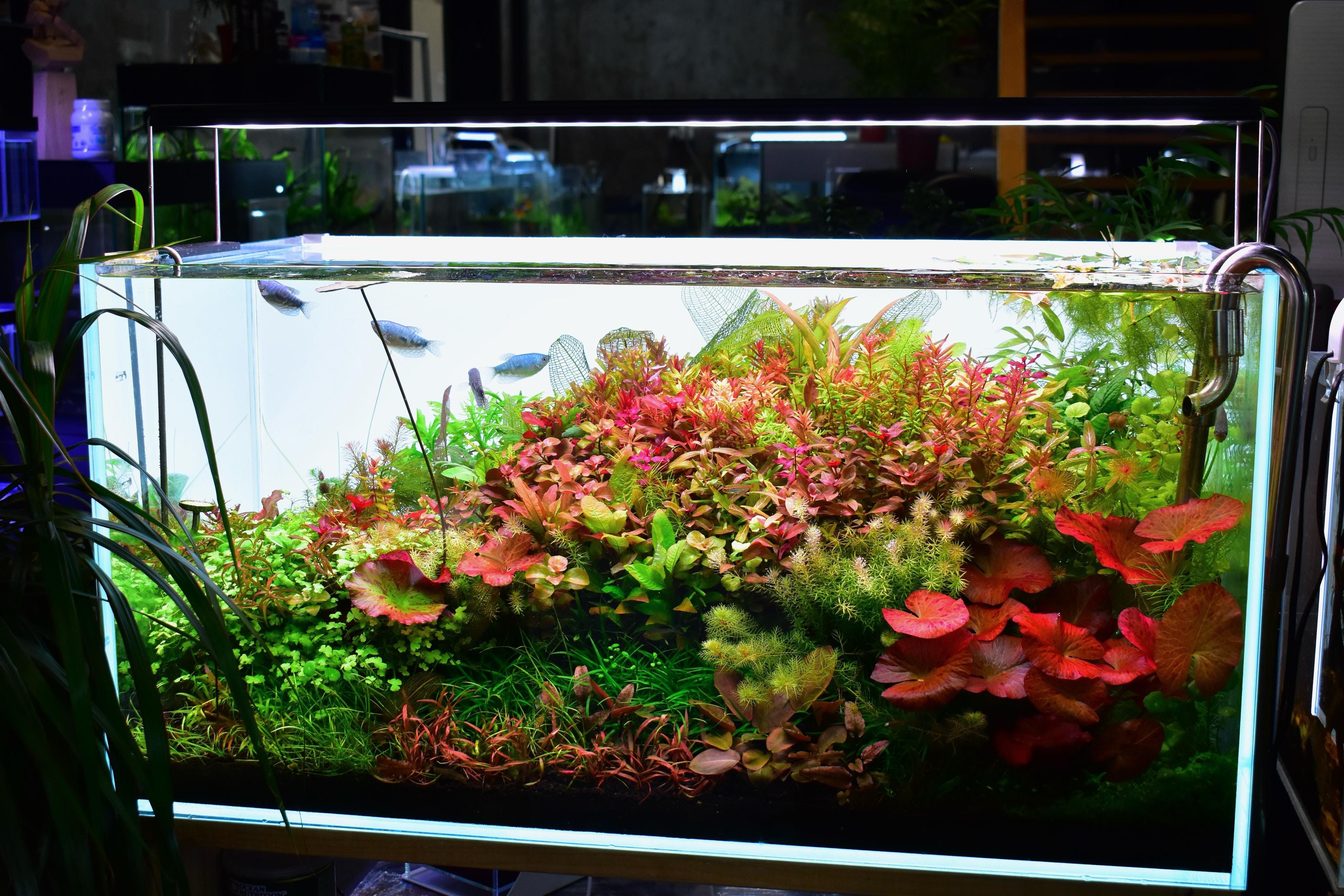
Credit: mrplantgeek.substack.com
Water Chemistry And Maintenance
Good water chemistry is key to a healthy aquascape. It keeps plants and fish safe.
Regular maintenance helps keep the aquarium clean and balanced. It avoids problems later.
Monitoring Parameters
Check water parameters often to keep the tank healthy. Use test kits for accuracy.
Important parameters include pH, ammonia, nitrite, nitrate, and hardness levels.
- pH: Aim for 6.5 to 7.5 depending on plants and fish
- Ammonia: Should be 0 ppm to avoid toxicity
- Nitrite: Keep at 0 ppm for safety
- Nitrate: Below 20 ppm to prevent algae growth
- Water hardness: Match the needs of your species
Routine Cleaning
Clean the tank weekly to remove waste and debris. This keeps water clear.
Change 20-30% of the water each week to refresh nutrients and remove toxins.
- Use a gravel vacuum to clean substrate
- Wipe algae from glass with a soft cloth
- Clean filter media gently in tank water
- Remove dead plant leaves promptly
Preventing Algae Growth
Control algae by balancing light and nutrients. Avoid too much light daily.
Use fast-growing plants to outcompete algae for nutrients in the water.
- Limit light to 8-10 hours per day
- Do not overfeed fish to reduce waste
- Keep nitrate and phosphate levels low
- Introduce algae-eating species if suitable
Incorporating Aquascaping Styles
Aquascaping involves arranging aquatic plants, rocks, and wood in a tank. Different styles offer unique looks and methods.
Choosing a style guides the design and helps create a natural, balanced underwater scene.
Nature Aquarium Style
This style mimics natural landscapes like mountains or forests under water. It uses rocks, wood, and plants to create a natural look.
Designers focus on flow and harmony. The layout often appears wild but balanced.
Iwagumi Style
Iwagumi uses a few carefully placed stones to create a simple, peaceful scene. The stones are the main focus, with minimal plants.
- Main stone called “Oyaishi”
- Supporting stones called “Fukuishi”
- Small plants like carpet moss or grass
- Open space to emphasize stones
Dutch Style
This style focuses on colorful plants arranged in rows or groups. It looks like a garden underwater.
| Feature | Description |
| Plant Variety | Many types, colors, and sizes |
| Layout | Rows or blocks, no rocks or wood |
| Goal | Show plant color and texture |
Biotope Style
Biotope style copies a specific natural habitat. It uses plants, fish, and hardscape from one location.
Elements to include in a Biotope aquarium:
- Native plants
- Local fish species
- Authentic rocks and wood
- Water conditions matching the habitat
Troubleshooting Common Issues
Aquascaping is an art that needs care and attention. Sometimes, problems arise that affect plants and fish.
Knowing how to fix common issues helps keep your aquascape healthy and beautiful.
Plant Melting And Yellowing
Plant melting happens when new plants lose leaves quickly. Yellowing shows poor health or nutrient lack.
Check water quality and lighting. Make sure you use proper fertilizers and avoid sudden changes.
- Keep stable water temperature
- Use balanced fertilizers with iron and nitrogen
- Provide moderate, consistent lighting
- Avoid moving plants too often
Algae Control
Algae grows fast if the tank has too much light or nutrients. It can harm plants and spoil the look.
Control algae by balancing light, nutrients, and cleaning the tank regularly.
- Limit daily lighting to 6-8 hours
- Do regular water changes (20-30% weekly)
- Remove excess waste and dead plant parts
- Use algae-eating fish or shrimp carefully
Fish Compatibility
Not all fish live well together. Some fish may eat plants or stress others.
Choose fish that fit your aquascape and keep the ecosystem balanced.
- Select peaceful fish that do not uproot plants
- Avoid large or aggressive species with small fish
- Research fish diet to prevent plant eating
- Keep fish numbers suitable for tank size
Showcasing And Sharing Your Work
As a professional in aquascaping, sharing your work is important. It helps you gain recognition and connect with others in the field.
Creating a portfolio of your aquascapes can open new opportunities. Here are some tips to effectively showcase your work.
Photography Tips
Good photos are key to showcasing your aquascapes. Use a quality camera and proper lighting.
Take photos from different angles to capture details. Clean the glass and remove distractions before shooting.
- Use natural light for better color accuracy
- Experiment with macro shots for close-up details
- Keep the camera steady for clear images
Participating In Competitions
Competitions can enhance your reputation as an aquascaper. They provide a platform to display your skills.
Choose competitions that suit your style. Prepare well and follow submission guidelines carefully.
- Research past winners to understand trends
- Pay attention to judges’ feedback for improvement
- Network with participants to learn new techniques
Building An Online Presence
An online presence helps you reach a wider audience. Share your aquascaping journey on social media and websites.
Engage with your audience by posting regularly. Respond to comments and join aquascaping forums.
- Create a dedicated website for your portfolio
- Use hashtags to increase visibility on social media
- Share tutorials and tips to attract followers

Credit: vietaquaticwoods.com
Frequently Asked Questions
What Tools Are Essential For Professional Aquascaping?
Professional aquascaping requires tools like sharp scissors, tweezers, substrate spatulas, and algae scrapers. These tools help in precise plant trimming, substrate shaping, and maintenance to create detailed, clean aquatic landscapes efficiently.
How To Choose Plants For A Professional Aquascape?
Select plants based on tank size, lighting, and CO2 levels. Use a mix of foreground, midground, and background plants to create depth and contrast. Always prioritize species that thrive in your specific aquarium conditions.
What Lighting Is Best For Advanced Aquascaping?
High-quality LED lights with adjustable intensity and spectrum are ideal. They promote healthy plant growth and enhance colors. Proper lighting also supports photosynthesis and helps maintain a balanced aquatic ecosystem.
How To Maintain Water Quality In Professional Aquascapes?
Regular water changes, efficient filtration, and monitoring parameters like pH, nitrates, and hardness are key. Keeping water clean ensures plant health and prevents algae growth, supporting a stable and thriving aquascape.
Conclusion
Aquascaping blends art and nature in a unique way. It needs patience, creativity, and care. Every detail counts, from plant choice to layout balance. Professionals use skills to create peaceful underwater scenes. Practice improves your work and builds confidence. Enjoy the process and learn from each project.
Your aquascape can bring calm and beauty indoors. Keep experimenting to find your own style. This craft offers endless chances to grow and inspire.