
Are you ready to transform your aquarium into a stunning underwater masterpiece? Aquascaping for professional tanks isn’t just about placing plants and decorations—it’s an art that brings life, balance, and beauty to your aquatic space.
Whether you want to impress visitors, create a peaceful retreat, or boost your tank’s health, mastering aquascaping can make all the difference. Keep reading to discover expert tips and secrets that will help you design a tank that stands out and thrives like never before.
Your perfect aquascape is closer than you think.
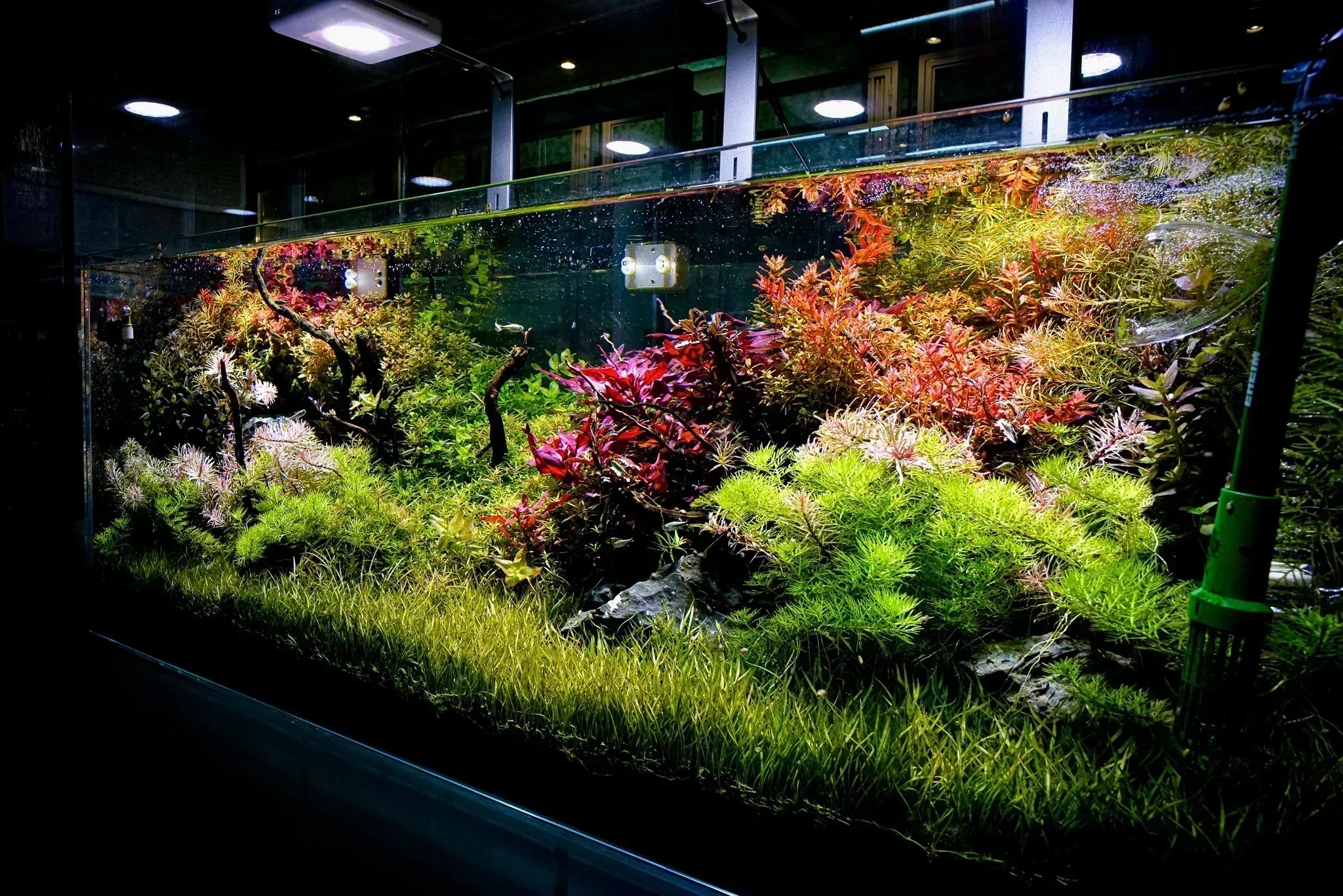
Credit: plantedpro.com
Choosing The Right Tank
Picking the right tank is key for a professional aquascape. The tank sets the stage for your design and affects plant and animal health.
Consider the size, shape, material, and location of the tank. These factors help create a balanced and lasting aquascape.
Tank Size And Shape
Choose a tank size that fits your space and skill level. Bigger tanks offer more room but need more care. Smaller tanks are easier but limit design options.
The shape affects how you arrange plants and hardscape materials. Rectangular tanks give a wide view. Bow-front tanks add depth. Cube tanks suit compact spaces.
- Large tanks support complex designs
- Small tanks need simpler layouts
- Wide tanks show horizontal landscapes
- Tall tanks are good for vertical plants
Material Selection
Glass and acrylic are common tank materials. Glass is clear and scratch-resistant. Acrylic is lighter and stronger but can scratch easier.
Pick a material that fits your budget and style. Consider the tank’s durability and how it will affect viewing your aquascape.
- Glass tanks resist scratches better
- Acrylic tanks are lighter and easier to move
- Check for UV protection to avoid yellowing
- Consider thickness for large tanks
Location Considerations
Place your tank in a spot with stable temperature and low light. Avoid direct sunlight to prevent algae growth and temperature swings.
Make sure the surface can hold the tank’s weight. Also, think about easy access for cleaning and maintenance.
- Avoid near windows with direct sunlight
- Keep away from heaters or air conditioners
- Use a sturdy stand that supports weight
- Choose a location with easy access to power outlets
Essential Equipment
A well-planned aquascape depends on the right equipment. Proper tools keep your tank healthy and beautiful.
This guide covers the main equipment needed for professional aquascaping tanks.
Lighting Options
Lighting helps plants grow and shows off your aquascape’s colors. Choose light based on plant needs and tank size.
- LED lights: Energy efficient and long-lasting.
- Fluorescent lights: Good for medium light plants.
- High-intensity lights: Needed for demanding plants.
- Timers: Automate light cycles for consistency.
Filtration Systems
Filters clean the water and keep it safe for fish and plants. Choose a filter that fits your tank size and bioload.
| Type | Description | Best Use |
| Canister Filter | External, strong flow, quiet | Large tanks, heavy bioload |
| Hang-on-Back Filter | Easy to install, moderate flow | Small to medium tanks |
| Sponge Filter | Gentle flow, biological filtration | Breeding tanks, shrimp tanks |
| Internal Filter | Compact, fits inside tank | Small tanks, supplemental filtration |
Co2 Injection
CO2 helps plants grow faster and healthier. It is important for dense or high-light aquascapes.
- Pressurized CO2 kits: Provide steady CO2 levels.
- DIY yeast CO2: Low cost but less stable.
- Diffusers: Spread CO2 evenly in the water.
- Controllers: Monitor and adjust CO2 output.
Selecting Plants And Hardscape
Aquascaping is an art of arranging plants and decorations inside a tank. Choosing the right plants and hardscape helps create a natural look.
Good choices improve the tank’s health and style. This guide covers popular plants and hardscape materials. It also explains how to balance them well.
Popular Plant Species
Some plants are easier to grow and look great in tanks. They differ in size, color, and care needs. Pick plants that fit your tank’s light and water.
- Anubias: Slow-growing and tough, good for beginners.
- Java Fern: Low light needs and attaches to rocks or wood.
- Cryptocoryne: Comes in many shapes, grows well in low light.
- Amazon Sword: Large leaves, needs moderate light and nutrients.
- Dwarf Hairgrass: Good for creating a grassy carpet effect.
- Rotala: Adds color with red or pink hues, needs more light.
Types Of Hardscape Materials
Hardscape includes rocks, wood, and other materials. These create structure and focal points inside the tank. Choose safe materials that do not change water quality.
- Dragon Stone: Popular for its texture and color.
- Seiryu Stone: Sharp edges and a blue-gray tone.
- Slate: Flat and smooth, good for layering.
- Driftwood: Adds a natural look and hides equipment.
- Bogwood: Dark wood with unique shapes.
- Sand and Gravel: Base substrate that supports plants.
Balancing Plants And Rocks
Balance means mixing plants and hardscape to look natural. Use rocks to create height and plants to soften edges. Avoid crowding one side with too much of one element.
Place large rocks first, then add plants around them. Use low plants in front and taller ones behind. This creates depth and a good flow in the tank.
- Start with a strong hardscape base.
- Add mid-sized plants for middle ground.
- Use small plants to fill empty spaces.
- Keep open areas to avoid a crowded look.
- Adjust plant placement as they grow.
Design Principles
Aquascaping for professional tanks requires thoughtful design. Good design makes tanks look natural and appealing.
Following key principles helps create balanced and interesting underwater scenes. These principles guide how to arrange plants, stones, and decorations.
Creating Focal Points
Focal points draw the viewer’s eye to a specific area of the tank. They give the tank a clear center of interest.
- Use a unique plant or rock that stands out from others
- Place the focal point off-center for a natural look
- Keep the area around the focal point less crowded
- Use lighting to highlight the focal point
Color And Texture Contrast
Color and texture contrast add depth and interest to the tank. Mixing different colors and textures makes the scene lively.
| Element | Color | Texture |
| Glossy leaves | Bright green | Smooth |
| Moss | Dark green | Soft, fuzzy |
| Rocks | Gray or brown | Rough and hard |
| Driftwood | Dark brown | Rugged, grainy |
Depth And Perspective
Creating depth makes the tank look bigger and more natural. Use placement and size to show distance.
Tips for Depth and Perspective:
- Put taller plants and larger rocks near the back
- Use smaller plants and stones in front
- Place objects at angles, not just straight lines
- Use layers of plants with different heights
Layout Styles
Aquascaping transforms aquariums into vibrant underwater landscapes. Different layout styles create unique visual effects.
Each style offers distinct characteristics, inspired by nature or artistic concepts.
Nature-inspired Layouts
Nature-inspired layouts mimic natural environments. They provide a serene and realistic look.
- Use stones and driftwood for a natural feel.
- Plants should resemble underwater forests.
- Sand can replicate riverbeds.
Iwagumi Style
Iwagumi style is minimalist and elegant. It focuses on stone arrangement.
| Element | Importance |
| Main Stone | Focal point |
| Secondary Stones | Balance and support |
| Carpeting Plants | Ground cover |
Dutch Style
Dutch style is vibrant and plant-focused. It emphasizes color and diversity.
Rows of plants create depth. Use varying heights and leaf textures.
Biotope Aquascapes
Biotope aquascapes replicate specific natural habitats. They are ideal for specific fish species.
- Research the chosen habitat.
- Select compatible plants and fish.
- Use natural materials like rocks and wood.

Credit: www.reddit.com
Maintenance Tips
Proper maintenance keeps professional aquascapes healthy and beautiful. Regular care helps plants and fish thrive in the tank environment.
Follow simple steps to manage water, trim plants, and control algae. This ensures a balanced and clean aquascape.
Water Quality Management
Check water parameters often to keep fish and plants safe. Test pH, ammonia, nitrites, and nitrates regularly. Use a reliable water test kit for accurate readings.
- Change 10-20% of water weekly to reduce toxins.
- Use a good filter to keep water clear and clean.
- Keep water temperature stable for the species in the tank.
- Avoid overfeeding fish to reduce waste buildup.
- Add water conditioners to remove chlorine and chloramine.
Pruning And Trimming
Regular pruning helps plants grow well and keeps the layout tidy. Remove dead or yellowing leaves to prevent decay. Trim fast-growing plants to maintain shape and light access.
| Plant Type | Trimming Frequency | Pruning Tips |
|---|---|---|
| Stem Plants | Every 1-2 weeks | Cut stems above new leaf nodes to encourage branching |
| Carpet Plants | Every 2-3 weeks | Trim edges to promote thick growth |
| Rosette Plants | Monthly | Remove old leaves from base carefully |
Algae Control
Algae can harm plants and spoil the tank’s look. Control algae by keeping light and nutrients balanced. Clean algae from glass and decorations often.
- Limit light to 8-10 hours daily to reduce algae growth.
- Do not overfeed fish; leftover food feeds algae.
- Add algae-eating species like snails or shrimp.
- Remove algae manually using an algae scraper or sponge.
- Keep nutrient levels stable by regular water changes.
Showcasing Your Tank
Aquascaping is about creating beautiful underwater landscapes. Displaying your tank well is important. It lets others appreciate your work.
There are different ways to showcase your aquarium. These include photography, lighting, and competitions.
Photography Tips
Photos capture the beauty of your tank. Use a good camera for clear pictures. A tripod helps steady the shot.
Take photos from different angles. This gives a complete view of your aquascape. Clean the glass before shooting for clear images.
- Use natural light for better colors
- Adjust the white balance to match the tank lighting
- Avoid using flash as it can create reflections
Lighting For Display
Lighting makes your tank look attractive. It highlights the plants and fish. Choose lights that enhance the natural colors.
LED lights are popular for aquascaping. They are energy-efficient and provide good illumination. Set timers for consistent lighting.
- Position lights to avoid shadows
- Use dimmable lights for flexibility
- Experiment with color temperatures
Participating In Competitions
Competitions are a great way to showcase your work. They help you gain recognition and feedback. Choose contests that match your skill level.
Prepare your tank well before entering. Take time to refine your aquascape. Submit high-quality photos for judging.
- Research previous winners for inspiration
- Follow competition guidelines carefully
- Network with other aquascapers for advice

Credit: www.youtube.com
Frequently Asked Questions
What Is Aquascaping For Professional Tanks?
Aquascaping for professional tanks involves designing aquatic environments with plants, rocks, and substrates. It enhances tank aesthetics and fish health. This art requires skill, planning, and knowledge of aquatic ecosystems to create balanced, visually appealing setups for exhibitions or commercial purposes.
How Do You Choose Plants For Professional Aquascapes?
Select plants based on tank size, lighting, and water parameters. Use a mix of foreground, midground, and background plants. Prioritize hardy species with slow growth to reduce maintenance. Consider color, texture, and compatibility with tank inhabitants for a natural, vibrant aquascape.
What Equipment Is Essential For Professional Aquascaping?
Essential equipment includes high-quality lighting, CO2 systems, filtration, and substrate suitable for plant growth. Use timers and dosing pumps to automate maintenance. Proper tools like tweezers and scissors help with precise planting and trimming. Reliable equipment ensures plant health and aquascape stability.
How Often Should Professional Aquascapes Be Maintained?
Maintenance should occur weekly or biweekly, including water changes, trimming plants, and cleaning equipment. Monitoring water parameters and nutrient dosing is crucial. Regular maintenance prevents algae growth and keeps plants healthy, ensuring the aquascape remains visually stunning and balanced.
Conclusion
Creating a professional aquascape takes patience and care. Choose plants and decorations that fit your tank size. Keep water clean and check lighting often. Small changes can make a big difference. Enjoy watching your tank grow and change daily. Aquascaping brings calm and beauty to any space.
Start simple, learn more, and have fun with it. Your tank can become a living work of art.