
Imagine creating an underwater world right in your own home—one that feels so natural, it looks like a snapshot from a forest stream or a hidden lake. Aquascaping for a natural look is all about bringing the beauty of nature into your aquarium.
You don’t need to be an expert to make your tank look stunning and lifelike. With a few simple tips and tricks, you can design a peaceful, balanced space that soothes your mind every time you look at it. Ready to transform your aquarium into a natural masterpiece?
Keep reading, and discover how easy and rewarding aquascaping can be for you.
Choosing The Right Plants
Picking the right plants is key for a natural aquascape. It helps create a balanced and healthy underwater scene.
Consider your aquarium size, lighting, and maintenance time when selecting plants. This will make your aquascape look more natural and last longer.
Low Maintenance Options
Choose plants that need little care. They grow well with less light and fewer nutrients. These plants suit beginners and busy aquarists.
- Anubias: Slow-growing and tough, good for shaded areas.
- Java Fern: Hardy and easy to attach to rocks or wood.
- Cryptocoryne: Thrives in low light with minimal care.
- Java Moss: Grows fast and hides equipment well.
Color And Texture Variety
Mix plants with different leaf shapes and colors. This adds depth and interest to your aquascape. Use green, red, and brown shades.
| Plant | Leaf Color | Texture |
| Rotala rotundifolia | Red | Fine |
| Amazon Sword | Green | Broad |
| Java Fern | Dark Green | Rough |
| Cryptocoryne | Brownish Green | Smooth |
Plant Placement Tips
Place tall plants at the back or sides. Use medium plants in the middle. Put small plants in front for a layered look.
Follow these tips:
- Group similar plants for a natural effect.
- Leave open spaces to show hardscape features.
- Anchor plants well to avoid floating.
- Consider the plant’s growth speed and size.
Selecting Natural Substrates
Choosing the right substrate is key to creating a natural look in aquascaping. Natural substrates support plants and create a realistic environment.
Substrates affect water quality and help anchor plant roots. Picking the best type helps your aquascape thrive.
Types Of Substrate
There are many natural substrates to use in aquascaping. Each type has unique features and benefits.
- Sand – fine texture, good for small plants and shrimp
- Gravel – larger grains, provides good root support
- Aquarium soil – rich in nutrients, ideal for plant growth
- Laterite – iron-rich clay, helps supply minerals to plants
- Crushed coral – raises water hardness and pH
Benefits For Plant Growth
Natural substrates provide nutrients that help plants grow strong. They also allow roots to spread easily in the tank.
Good substrates improve water flow and oxygen around roots. This helps plants absorb minerals and stay healthy.
- Supplies essential minerals like iron and potassium
- Improves root anchoring and stability
- Helps maintain water chemistry for plant needs
- Supports beneficial bacteria growth
Creating Depth And Contrast
Using different substrates can create a natural sense of depth. Contrast in color and texture makes the aquascape more interesting.
Layering substrates or mixing grain sizes gives a realistic look. Darker substrates bring out green plants, while lighter ones highlight rocks.
- Place darker substrate in the background for depth
- Use lighter substrate in front to highlight plants
- Mix fine and coarse grains to mimic natural riverbeds
- Layer substrates to create slopes and hills
Incorporating Hardscape Elements
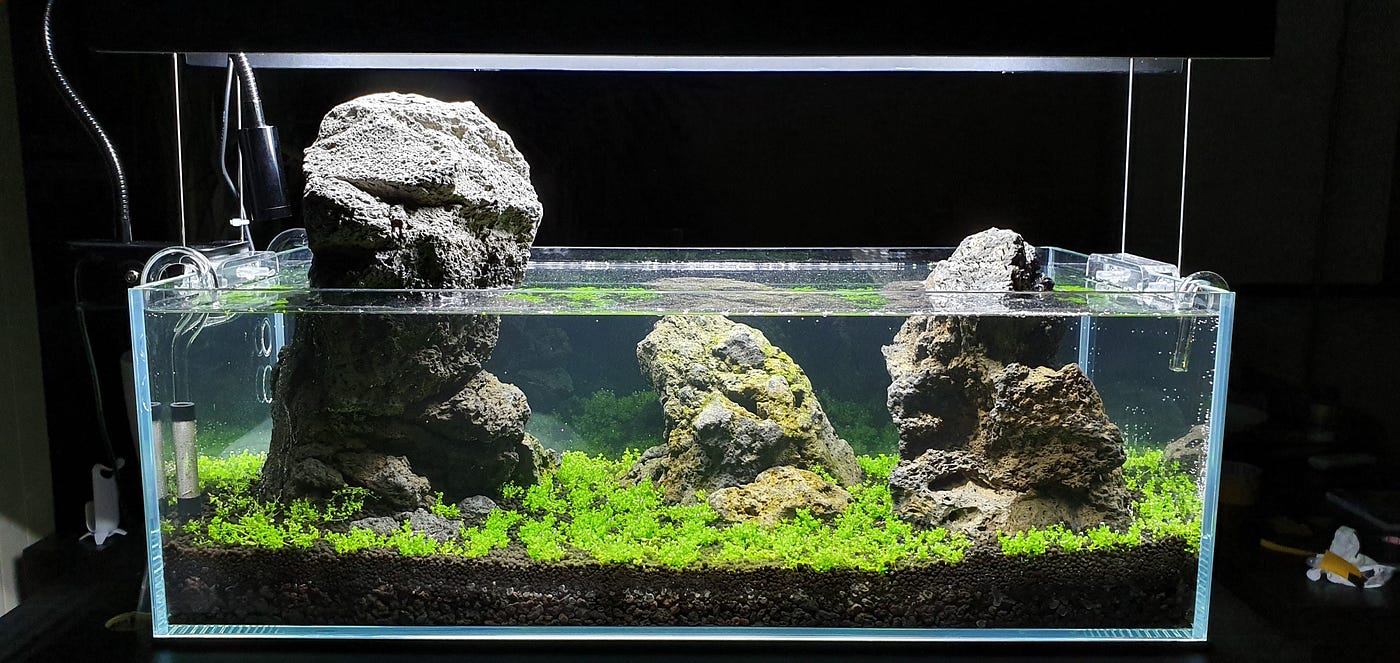
Hardscape elements create structure in an aquascape. They give your tank a natural, balanced look. Using stones and wood helps mimic real underwater scenes.
Choosing the right hardscape pieces and placing them well can make your aquascape stand out. Let’s explore how to use driftwood, rocks, and balance everything with plants.
Using Driftwood Effectively
Driftwood adds a natural feel and hides equipment. Choose pieces that fit your tank size. Avoid wood that floats or releases toxins.
Place driftwood to create focal points. Position it so it looks like it belongs. You can attach plants like Java fern or Anubias to the wood for a natural touch.
Rock Selection And Arrangement
Rocks bring texture and height to your aquascape. Pick stones that are safe and fit your theme. Avoid sharp edges to protect fish.
- Use different sizes for depth and interest
- Group rocks in odd numbers for a natural look
- Place larger rocks at the back or sides
- Lean rocks slightly for a more organic shape
Balancing Hardscape And Plants
| Element | Purpose | Tips |
|---|---|---|
| Hardscape | Structure and focal points | Use driftwood and rocks in odd groups |
| Foreground Plants | Cover base, soften hardscape edges | Choose low-growing plants like moss or grass |
| Midground Plants | Add volume and color | Use medium height plants around hardscape |
| Background Plants | Create depth and background | Tall plants behind hardscape elements |

Credit: buceplant.com
Designing Layouts For Realism
Aquascaping aims to create underwater scenes that look natural. Realistic layouts help fish and plants feel at home.
Focus on arranging elements so they mimic nature. This guide covers key areas to improve your aquascape’s realism.
Foreground
The foreground is the front area of the aquarium. Use small plants and fine gravel here. Keep the space open for fish to swim.
Midground
Place medium-sized plants and rocks in the midground. This area links the front and back, adding depth and interest.
- Use plants with varying shapes
- Arrange rocks in natural clusters
- Leave small gaps for a natural feel
Background Setup
The background holds tall plants and larger decorations. These create a backdrop that hides equipment and adds height.
| Plant Type | Height | Placement |
| Vallisneria | Tall | Background |
| Amazon Sword | Medium | Midground |
| Dwarf Hairgrass | Short | Foreground |
Creating Natural Flow
Natural flow means arranging elements to guide the eye smoothly. Avoid sharp angles or straight lines. Use curved shapes and layers.
Tips for Natural Flow:
- Place elements in S or C shapes
- Use plants of different heights to create waves
- Keep some empty spaces to rest the eyes
Avoiding Overcrowding
Too many items make the tank look busy and unnatural. Leave space between plants and decorations. This helps fish swim freely.
- Limit the number of large rocks
- Choose a few plant species
- Maintain open swimming areas
Lighting For Natural Appeal
Lighting plays a key role in aquascaping. It helps plants grow and shows the aquarium’s true beauty.
Choosing the right light can create a natural and relaxing underwater scene.
Choosing The Right Spectrum
Light spectrum means the colors of light your aquarium receives. Different plants need different colors to grow well.
Natural sunlight has a balanced spectrum, with red, green, and blue colors. Try to choose bulbs that mimic this mix.
- Use full-spectrum LED lights for better plant growth.
- Include some red light to help plant photosynthesis.
- Blue light helps keep water clear and plants healthy.
- Avoid lights with too much green or yellow, which can make colors dull.
Light Intensity And Duration
The strength and time of light affect plant health and algae growth. Too much light can cause algae. Too little light slows plants.
| Light Duration | Recommended Hours |
| Low light plants | 6 to 8 hours |
| Medium light plants | 8 to 10 hours |
| High light plants | 10 to 12 hours |
Adjust light intensity to match your plants. Use dimmable lights to avoid too much brightness.
Enhancing Colors Naturally
Proper lighting brings out the natural colors of plants and fish. It makes your aquascape look lively and real.
Tips to Enhance Colors Naturally:
- Use light with a color temperature around 6500K for bright, natural tones.
- Combine warm and cool lights to highlight reds and greens.
- Keep lights clean to avoid dull colors caused by dust or algae.

Credit: www.horizonaquatics.co.uk
Maintaining Water Quality
Maintaining water quality is crucial for a natural-looking aquascape. It ensures the health of aquatic life.
Good water quality helps plants and fish thrive, creating a balanced ecosystem.
Filtration Tips
Filtration removes debris and keeps water clear. Use the right filter for your tank size.
- Choose filters with adjustable flow rates
- Clean filters regularly to prevent clogging
- Use mechanical and biological filtration methods
Regular Water Changes
Regular water changes dilute toxins and maintain balance. Change 10–15% of water weekly.
| Tank Size | Water Change Frequency |
| Small (up to 20 gallons) | Weekly |
| Medium (21-40 gallons) | Every 2 weeks |
| Large (over 40 gallons) | Monthly |
Managing Algae Growth
Algae can spoil the natural look of your aquascape. Control algae by managing light and nutrients.
Adding Fish And Invertebrates
Adding fish and invertebrates can make your aquascape vibrant and lively. They add movement and help maintain a balanced ecosystem. Choosing the right species is important for a natural look.
Consider how fish and invertebrates interact with plants. Their behaviors can affect plant growth and water quality. Let’s explore the best choices for a thriving aquascape.
Species That Complement Plants
Some fish and invertebrates complement plants well. They help clean the tank and support plant health. Choose species that thrive in planted tanks.
- Neon Tetras are small and colorful, adding brightness to plants.
- Amano Shrimp eat algae, keeping plants clean.
- Otocinclus Catfish are gentle, algae-eating helpers.
Behavior And Compatibility
Fish and invertebrates have different behaviors. It’s important to choose compatible species. Peaceful fish coexist better with other tank mates.
Observe how fish interact with each other. Some fish need hiding places, while others swim freely. Understanding these behaviors helps create harmony in the tank.
- Guppies are peaceful and social, ideal for community tanks.
- Cherry Shrimp are non-aggressive, safe with small fish.
- Betta fish may be territorial, best kept alone or with caution.
Keeping A Balanced Ecosystem
Balance is key to a healthy aquascape. Fish and invertebrates help control algae and waste. Maintaining this balance supports plant growth and water quality.
Monitor the tank conditions regularly. Adjust the number of fish and invertebrates if needed. A well-maintained ecosystem thrives with minimal intervention.
- Regular water changes keep the environment clean.
- A varied diet ensures fish and invertebrates stay healthy.
- Test water parameters to maintain a stable environment.
Common Mistakes To Avoid
Aquascaping creates beautiful, natural aquarium scenes. Avoiding common mistakes helps your setup thrive.
Pay attention to plant care, tank size, and maintenance. These areas often cause problems for beginners.
Overplanting And Overfeeding
Too many plants crowd your aquarium. They compete for light and nutrients. Overfeeding adds waste and pollutes water.
- Plant only what your tank can support
- Feed fish small amounts, once or twice daily
- Remove dead or decaying plant parts regularly
- Use fertilizers carefully to avoid excess nutrients
Ignoring Tank Size
Aquascaping must fit your tank size. Small tanks need fewer plants and fish. Large tanks allow more variety but need balance.
| Tank Size | Recommended Plants | Fish Quantity |
| Small (under 10 gallons) | Low growing, slow plants | 1 to 3 small fish |
| Medium (10 to 30 gallons) | Medium growth plants | 3 to 10 small fish |
| Large (over 30 gallons) | Varied plant types | 10+ fish with good filtration |
Neglecting Regular Maintenance
Skipping maintenance causes algae and poor water quality. Clean tanks keep fish healthy and plants growing well.
- Change 20% of water weekly
- Clean filters monthly
- Trim plants to prevent overcrowding
- Test water parameters often
Credit: medium.com
Frequently Asked Questions
What Is Aquascaping For A Natural Look?
Aquascaping for a natural look involves arranging plants, rocks, and wood to mimic natural underwater scenes. It emphasizes balance and harmony, creating a realistic, serene environment. This style focuses on simplicity and organic shapes, enhancing the beauty of aquatic life naturally.
How To Choose Plants For Natural Aquascaping?
Select plants that resemble those in natural water bodies. Use a variety of sizes and textures for depth and realism. Choose low-maintenance species for easy care. Ensure plants thrive in your aquarium’s lighting and water conditions for a healthy, natural appearance.
What Substrates Work Best For Natural Aquascaping?
Natural aquascaping benefits from substrates like sand, gravel, or nutrient-rich soil. These materials support plant growth and resemble riverbeds or lake bottoms. Choosing the right substrate helps maintain water quality and promotes root development for a lush, natural aquarium.
How To Maintain A Natural Aquascape Aquarium?
Regularly trim plants to prevent overgrowth and remove debris to keep water clear. Monitor water parameters to ensure a healthy environment. Perform partial water changes weekly. Proper maintenance preserves the natural look and supports aquatic life health.
Conclusion
Creating a natural aquascape brings peace and beauty to any space. Simple steps and careful plant choices make a big difference. Let your creativity flow while keeping nature in mind. Watch your aquarium become a calm, living artwork. Enjoy the process and the quiet joy it brings.
Natural aquascaping is about balance and harmony. Small details create a big impact over time. Start small, learn, and grow your skills slowly. Your tank will reflect the calmness of nature itself.