
Are you ready to transform your small aquarium into a stunning underwater masterpiece? Aquascaping for nano aquariums is the perfect way to bring life, color, and balance to your tiny aquatic world.
Whether you’re a beginner or looking to refine your skills, this guide will show you how to create a beautiful, thriving environment that captures attention and calms your mind. Keep reading to discover simple tips and creative ideas that will make your nano aquarium the highlight of any room.
Your aquatic adventure starts here!
Choosing The Right Nano Aquarium
Choosing the right nano aquarium is key for aquascaping success. A good tank fits your space and style.
Think about size, shape, material, and where you will place your aquarium. These affect your aquascape.
Size And Shape Options
Size matters because it limits what plants and fish you can keep. Small tanks need easy care.
Choose a shape that fits your room and style. Rectangular tanks offer more planting space.
- Rectangular tanks are common and provide good planting space.
- Cylindrical tanks look modern but limit aquascaping options.
- Cube tanks fit small spaces and look neat.
- Long tanks create depth and allow complex designs.
Material Considerations
Most nano aquariums are glass or acrylic. Each material has pros and cons.
Glass is scratch-resistant and clear but heavier. Acrylic is light and strong but can scratch easily.
- Glass tanks are durable and clear for viewing.
- Acrylic tanks are lighter and easier to shape.
- Check for quality seals to avoid leaks.
- Choose materials safe for aquatic life.
Placement Tips
Pick a stable place that supports the tank’s weight. Avoid direct sunlight to prevent algae growth.
Place your aquarium where you can easily see and care for it every day.
- Use a sturdy stand or table to hold the aquarium.
- Avoid windows and heaters to keep temperature stable.
- Keep near power outlets for filters and lights.
- Choose a spot with good viewing angles.
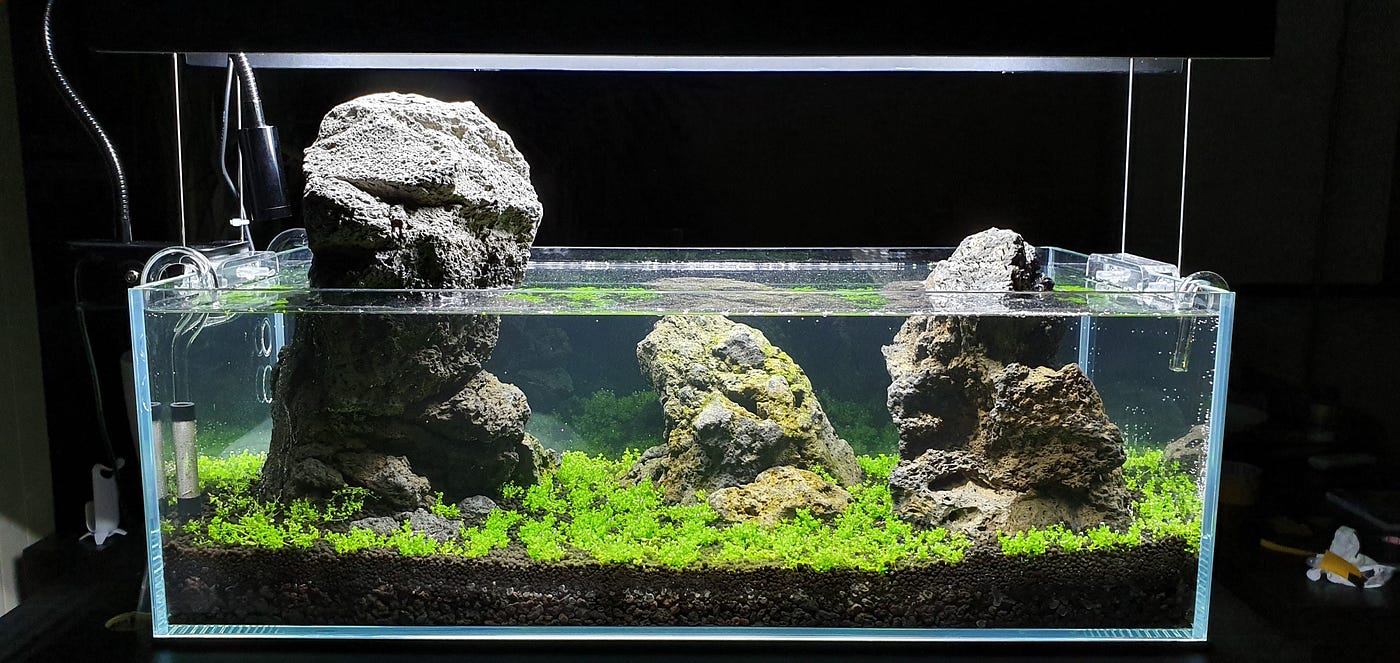
Credit: medium.com
Essential Equipment For Nano Aquascaping
Nano aquariums are small tanks perfect for aquascaping. They need special equipment to keep plants and fish healthy.
Choosing the right tools helps create a beautiful and balanced underwater landscape. This guide covers key equipment.
Lighting Solutions
Good lighting is vital for plant growth in nano tanks. It helps plants make food and stay green.
LED lights are popular because they use less power and produce less heat. You need lights with the right spectrum for plants.
- Choose LED lights with a color temperature of 6500K
- Use adjustable brightness to avoid algae growth
- Provide 8 to 10 hours of light daily
Filtration Systems
Filtration keeps water clean and clear in a nano aquarium. It removes waste and harmful chemicals.
Small filters like sponge or internal filters work well. They offer gentle water flow that does not disturb plants.
- Sponge filters provide biological and mechanical filtration
- Internal filters fit inside the tank without taking much space
- Regular filter cleaning is important to keep water quality high
Co2 Injection And Fertilizers
Plants need carbon dioxide (CO2) to grow well. In small tanks, natural CO2 may not be enough.
CO2 injection systems add carbon dioxide to the water. Liquid fertilizers supply essential nutrients for healthy plants.
- Use a small CO2 system made for nano tanks
- Choose liquid fertilizers with nitrogen, phosphorus, and potassium
- Measure doses carefully to avoid harming fish
Selecting Plants For Small Aquariums
Choosing the right plants is key for a healthy nano aquarium. Small tanks need plants that fit their size and light conditions.
Good plant choices make your aquarium look natural and help keep water clean. This guide covers easy plants and how to manage their growth.
Low-maintenance Species
Select plants that need little care and grow well in small spaces. These species survive with low light and less frequent trimming.
- Anubias Nana: Slow grower, tough leaves, low light
- Java Fern: Easy to attach on rocks or wood
- Cryptocoryne: Adaptable to many water conditions
- Marimo Moss Ball: Unique look, cleans water
- Bucephalandra: Small size, colorful leaves
Foreground, Midground, And Background Plants
Use different plants to create depth and layers in your aquarium. Place small plants in front and taller ones in back.
| Position | Plant Example | Height |
| Foreground | Dwarf Hairgrass | 1-3 inches |
| Midground | Java Fern | 4-6 inches |
| Background | Amazon Sword | 6-12 inches |
Plant Growth Management
Control plant size and shape to keep your aquarium neat. Regular trimming helps prevent overcrowding and allows light to reach all plants.
- Check plants weekly for new growth.
- Trim leaves that block light or crowd other plants.
- Remove dead or yellow leaves promptly.
- Adjust light and nutrients if plants grow too fast or slow.
- Replant cuttings to fill empty spaces if needed.
Hardscape Elements And Layouts
Hardscape plays a key role in nano aquariums. It shapes the look and feel of the tank. Using the right elements helps create a natural scene.
Choosing rocks, driftwood, and layout styles impacts plant growth and fish behavior. This guide covers main ideas to build a balanced tank.
Using Rocks And Driftwood
Rocks and driftwood add structure and interest. They create hiding spots and help anchor plants. Pick pieces that fit the size of your aquarium.
- Use smooth rocks to avoid fish injury.
- Driftwood adds natural color and texture.
- Place larger pieces first to form the base.
- Arrange smaller stones around to fill gaps.
- Test placement outside the tank before fixing.
Creating Depth And Perspective
Depth makes a small tank feel larger. Use layout tricks to give the illusion of distance. This adds interest and natural beauty.
| Technique | Description |
| Foreground | Small plants and rocks placed near the front. |
| Midground | Medium-sized hardscape items in the center. |
| Background | Taller plants and larger driftwood at the back. |
| Layering | Overlap items to show depth and shadow. |
Balancing Scale And Proportion
Balance size between hardscape and plants. Avoid too many large pieces or tiny elements alone. Keep harmony to prevent clutter.
- Match rock size to aquarium volume.
- Use driftwood that complements plant height.
- Leave open spaces to avoid crowding.
- Group items in odd numbers for natural look.
- Adjust pieces to keep visual flow.
Design Styles For Nano Tanks
Nano aquariums are small tanks that need careful design. Choosing the right style helps plants and fish thrive. It also makes the tank look beautiful and balanced.
This guide explores popular design styles. Each style has unique features that fit different tastes and tank setups. Learn about nature-inspired, minimalist, and Japanese influences.
Nature-inspired Layouts
Nature-inspired layouts mimic natural water habitats. They use rocks, driftwood, and plants to create a small underwater scene. The goal is to make the tank look like a real ecosystem.
- Use uneven shapes to imitate riverbeds or lakes.
- Mix different plant types for variety and depth.
- Add natural materials like stones and wood.
- Keep open spaces for fish to swim freely.
Minimalist Arrangements
Minimalist design focuses on simplicity. It uses few plants and decorations to avoid clutter. This style highlights clean lines and open space, making the tank easy to maintain.
| Feature | Description |
| Plant Count | Low, usually 1-3 types |
| Decorations | Simple stones or driftwood |
| Space | Open areas for fish swimming |
| Maintenance | Easy and quick |
Japanese Aquascaping Influences
Japanese aquascaping focuses on harmony and balance. It often uses asymmetry and natural shapes. The style creates a peaceful and artistic underwater scene.
- Use stones as focal points arranged in odd numbers.
- Plant moss and ferns for soft textures.
- Arrange elements to guide the viewer’s eye.
- Keep the tank clean and uncluttered.

Credit: www.youtube.com
Maintaining Nano Aquascapes
Maintaining a nano aquascape requires attention to detail. Small tanks demand regular care for a healthy environment.
Proper maintenance involves monitoring water quality, pruning plants, and controlling algae. Each task plays a vital role in keeping your aquarium thriving.
Water Quality Monitoring
Water quality is crucial for your nano aquarium. Testing the water regularly helps ensure a stable environment for aquatic life.
- Test pH levels weekly.
- Check ammonia and nitrate levels.
- Change water regularly to prevent buildup.
Pruning And Trimming Techniques
Pruning helps maintain plant health and aesthetic appeal. Regular trimming ensures plants do not overcrowd the tank.
Use sharp scissors for clean cuts. Focus on trimming dead leaves and overgrown stems.
Algae Control Strategies
Algae can quickly become a problem in nano aquariums. Effective strategies keep algae growth under control.
Consider these strategies to manage algae:
- Limit light exposure to 8 hours a day.
- Introduce algae-eating fish or snails.
- Maintain a balanced nutrient level.
Common Challenges And Solutions
Aquascaping nano aquariums is fun but can be tricky. Small tanks need careful planning and care.
This guide covers common problems and how to fix them. It helps you keep a healthy and beautiful nano tank.
Dealing With Limited Space
Nano aquariums have little room for plants and fish. You must use space wisely to avoid overcrowding.
- Choose small plants that grow slowly.
- Pick tiny fish species suited for small tanks.
- Use vertical decorations to save floor space.
- Keep a simple layout to allow fish to swim freely.
- Trim plants regularly to control growth.
Managing Plant And Fish Compatibility
Not all plants and fish live well together. Some fish eat plants or need different water conditions.
| Fish Type | Compatible Plants | Notes |
| Small Tetras | Java Moss, Anubias | Peaceful, plant-friendly |
| Dwarf Gourami | Cryptocoryne, Hornwort | Needs hiding spots |
| Shrimp | Java Fern, Marimo Moss | Good for algae control |
| Corydoras Catfish | Amazon Sword, Vallisneria | Bottom dweller, gentle |
Check fish and plant needs before buying. Keep water temperature and pH stable for all species.
Troubleshooting Equipment Issues
Equipment problems can harm your tank’s balance. Pumps, filters, and lights need regular checks.
Common equipment issues include:
- Filter clogging – clean or replace filter media often.
- Light too strong or weak – adjust light duration and intensity.
- Heater failure – use a reliable heater and thermometer.
- Air pump noise – check tubing and placement.
- CO₂ system leaks – inspect connections regularly.
Inspiring Nano Aquascape Examples
Nano aquariums are small tanks that are perfect for aquascaping. They offer a compact space to create beautiful underwater landscapes. Despite their size, they can be just as stunning as larger aquariums.
Inspiring designs in nano aquascaping showcase creativity and skill. Let’s explore some examples that highlight award-winning designs, creative use of materials, and unique themed setups.
Award-winning Designs
Some nano aquascapes have won awards for their beauty. These designs often feature perfect balance and harmony. They use plants, rocks, and fish to create captivating scenes.
Winning designs inspire others to try new techniques. They show what is possible with a small tank. Every element is chosen carefully to enhance the overall look.
- Balanced plant and rock placement
- Careful selection of fish species
- Attention to lighting and water clarity
Creative Use Of Materials
Creative aquascapers use unique materials in their tanks. They might use driftwood, stones, or even unusual plants. These materials add texture and depth to the design.
Using different materials can create a natural look. It can mimic a riverbed or a forest floor. The possibilities are endless with a creative mind.
- Driftwood arranged to mimic tree roots
- Stones placed to form caves or cliffs
- Plants chosen for varying colors and shapes
Unique Themed Setups
Themed aquascapes tell a story. They can recreate a scene from nature or a fantasy world. Themes make the aquarium more engaging and personal.
These setups often use specific plants and decorations. Every detail supports the theme. It makes the scene more believable and enchanting.
- Jungle themes with dense plant life
- Desert themes with sand and sparse plants
- Fantasy themes with castles or miniature statues

Credit: www.threads.com
Frequently Asked Questions
What Is Aquascaping For Nano Aquariums?
Aquascaping for nano aquariums is designing small aquatic landscapes. It involves arranging plants, rocks, and substrates for aesthetic appeal. Nano aquariums are typically under 10 gallons, requiring careful planning to balance beauty and fish health.
How To Choose Plants For Nano Aquarium Aquascaping?
Choose small, slow-growing plants that fit limited space. Popular options include Java moss, Anubias, and dwarf hairgrass. Select plants based on light and CO2 needs to ensure healthy growth in nano tanks.
What Substrates Work Best For Nano Aquarium Aquascaping?
Fine gravel or nutrient-rich soil substrates support plant roots. Avoid coarse substrates that may trap debris. Using a dark substrate enhances plant colors and contrasts well with rocks and driftwood.
How To Maintain A Nano Aquarium Aquascape?
Regularly trim plants to prevent overcrowding and maintain shape. Perform weekly water changes of 20-30% to keep water clean. Monitor water parameters and remove algae to ensure a healthy environment.
Conclusion
Creating a beautiful nano aquarium takes patience and care. Choose plants and decorations that fit your small space well. Keep water clean and light balanced for healthy growth. Small details make a big difference in aquascaping. Enjoy the process of designing your tiny underwater world.
Watch your aquarium grow and change over time. This hobby brings calm and joy to any home. Start simple, learn as you go, and have fun.