
Imagine creating a beautiful underwater world where different fish and plants live together in perfect balance. Aquascaping for multi-species harmony is not just about making your aquarium look stunning—it’s about designing a space where every creature thrives.
If you’ve ever struggled with keeping various species happy and healthy in the same tank, this guide is made for you. You’ll discover simple tips and expert tricks to bring peace and beauty to your aquarium, turning it into a vibrant, living masterpiece.
Ready to transform your tank into a harmonious haven? Keep reading to unlock the secrets.
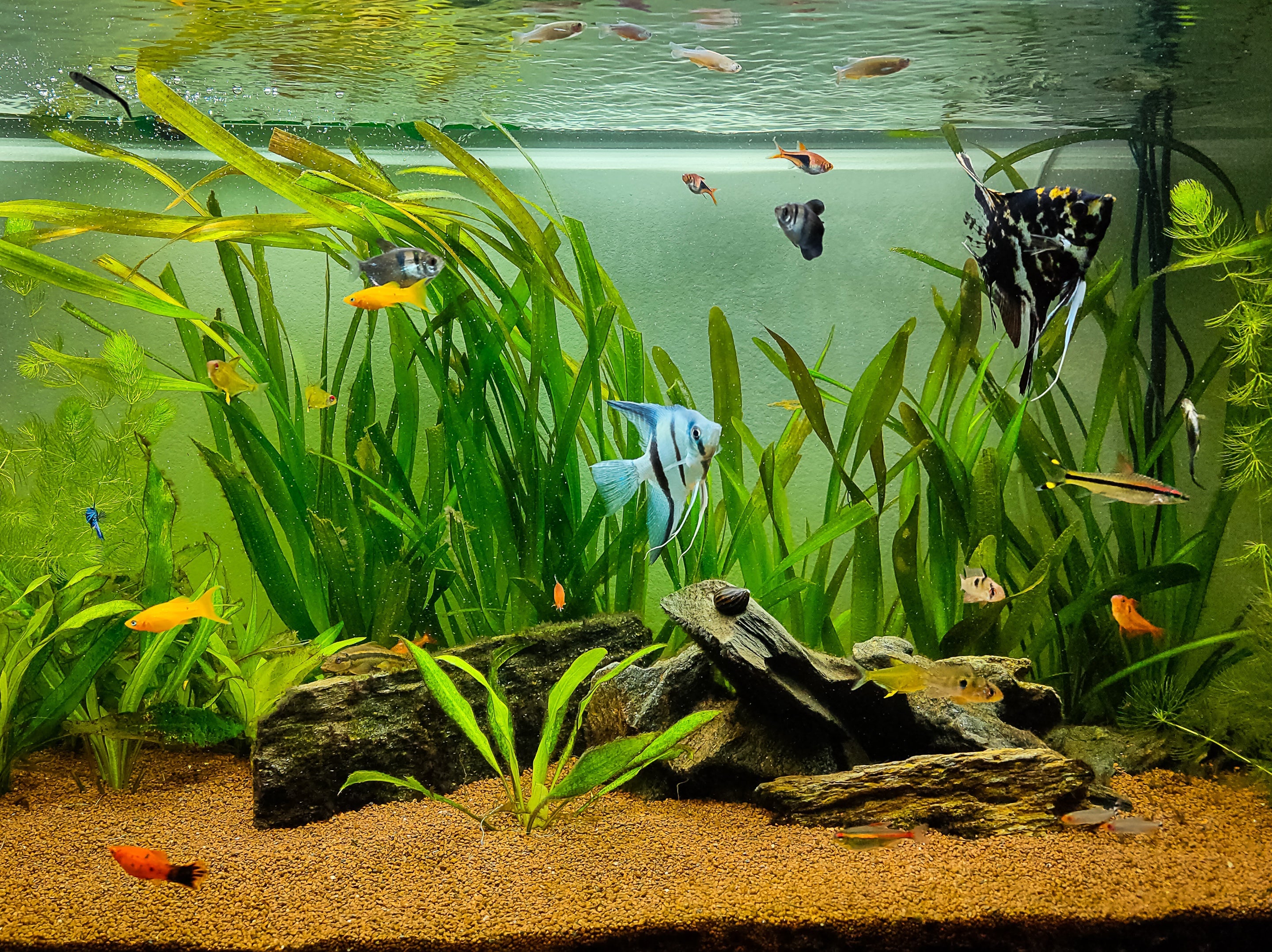
Credit: splashyfishstore.com
Choosing Compatible Species
Creating a balanced aquascape with multiple species needs careful planning.
Choosing species that live well together helps keep the tank healthy and peaceful.
Fish Selection Tips
Pick fish that share similar water needs and temperaments for harmony.
- Choose peaceful species to avoid aggression.
- Match fish size to prevent bullying or eating smaller fish.
- Check temperature and pH preferences for all fish.
- Include bottom, mid, and top swimmers for space use.
Plant Varieties That Coexist
Select plants that grow well in similar light and nutrient conditions.
| Plant Type | Light Needed | Growth Speed |
| Java Fern | Low to Medium | Slow |
| Anubias | Low | Slow |
| Amazon Sword | Medium to High | Fast |
| Hornwort | Medium | Fast |
Invertebrates To Enhance Balance
Invertebrates like shrimp and snails help clean and balance the tank.
- Amano shrimp eat algae and detritus without harming plants.
- Nerite snails control algae and do not reproduce in freshwater.
- Cherry shrimp add color and help remove leftover food.
- Malaysian trumpet snails aerate the substrate gently.

Credit: www.reddit.com
Designing The Aquascape
Designing an aquascape for multiple species takes careful planning. You need to create a space where all species can live comfortably.
A well-designed aquascape balances plants, rocks, and open areas. This helps different fish and creatures thrive together.
Creating Zones For Different Species
Different species have different needs. Creating zones helps each species have its own space and reduces stress.
Use plants, rocks, and decorations to separate areas. Some fish like calm spots, while others prefer active zones.
- Place tall plants for shy species
- Use open spaces for active swimmers
- Group compatible species together
- Keep territorial fish in separate zones
Incorporating Hiding Spots
Hiding spots make fish feel safe and reduce fights. They provide refuge during rest or stress.
Use caves, dense plants, and driftwood as hiding places. Change the size and shape to suit different species.
- Caves for larger fish
- Thick plants for small or shy species
- Driftwood for mid-sized fish
- Floating plants for surface dwellers
Balancing Open Swimming Areas
Open swimming spaces let fish move freely and exercise. Too little space can cause stress and aggression.
Design open zones between planted or decorated areas. This balance keeps fish happy and healthy.
- Leave clear water paths for active swimmers
- Mix open areas with hiding spots nearby
- Avoid overcrowding with decorations
- Keep water flow gentle in open zones
Water Parameters Management
Managing water parameters is key to a thriving aquascape. It ensures harmony among different species in your aquarium.
From temperature to pH levels, each factor plays a crucial role in creating a balanced environment for aquatic life.
Temperature Control
Temperature stability is vital for multi-species aquariums. Different species may have varying temperature needs.
- Use a reliable aquarium heater.
- Keep a thermometer to monitor temperature.
- Avoid placing the tank near direct sunlight.
Ph And Hardness Levels
pH levels affect fish health. Water hardness influences plant growth. Regular checks help maintain balance.
| Parameter | Ideal Range |
| pH Level | 6.5 – 7.5 |
| Water Hardness | 5 – 12 dGH |
Filtration And Oxygenation
Clean water and proper oxygen levels are crucial. Filters help keep water clear and healthy.
- Choose a filter suitable for your tank size.
- Ensure proper water circulation.
- Consider adding air stones for extra oxygenation.
Feeding Strategies For Diverse Species
Feeding different species in an aquascape needs care and planning. Each species has unique food needs. Proper feeding keeps all fish and plants healthy and active.
Understanding how to feed a multi-species tank avoids conflicts and stress. It also helps maintain water quality by reducing waste.
Dietary Requirements
Different species require different types of food. Some eat plants, others eat small animals or algae. Providing the right diet helps them grow strong.
- Herbivores need plant-based food like algae wafers or blanched vegetables.
- Carnivores thrive on protein-rich foods such as bloodworms or brine shrimp.
- Omnivores eat both plants and meat, so feed a mix of flakes and live food.
- Bottom feeders prefer sinking pellets or detritus wafers.
Feeding Schedules
Regular feeding times help fish expect their meals. This reduces stress and aggressive behavior. Different species may need different feeding frequencies.
| Species Type | Feeding Frequency | Best Time |
| Herbivores | 2 times daily | Morning and evening |
| Carnivores | 1-2 times daily | Morning or evening |
| Omnivores | 2 times daily | Morning and evening |
| Bottom Feeders | Once daily | Evening |
Avoiding Overfeeding
Overfeeding harms fish and plants. Uneaten food pollutes water and causes algae growth. Feed small amounts and watch fish eat all the food.
- Feed only what fish can finish in 2-3 minutes.
- Remove leftover food after feeding time.
- Use feeding rings to keep food in one area.
- Adjust feeding amounts if water gets cloudy.
Maintaining Ecosystem Stability
Aquascaping with multiple species needs careful balance. Keeping the ecosystem stable helps all plants and animals thrive.
Stable conditions reduce stress and health problems in your aquarium. Regular care is key to a healthy environment.
Monitoring Behavior And Health
Watch your fish and plants closely every day. Look for changes in activity, color, or eating habits.
Early signs of illness or stress can help you act before problems grow. Keep notes on any changes you see.
- Check if fish swim normally and eat well
- Look for spots, discoloration, or frayed fins
- Observe if plants are growing and green
- Notice any unusual hiding or aggression
Regular Cleaning Routines
Clean your aquarium regularly to keep water clear and healthy. Remove debris and waste that harm the ecosystem.
Use gentle tools to avoid damaging plants or disturbing animals. Clean filters and change water as needed.
- Remove uneaten food daily
- Clean glass surfaces weekly
- Change 10-20% of water every week
- Rinse filter media without soap monthly
Preventing Algae Overgrowth
Algae can harm your plants and water quality. Control light and nutrients to stop algae from growing too fast.
Use algae-eating species and remove algae manually to keep balance. Avoid too much fertilizer and light exposure.
- Limit aquarium light to 8-10 hours daily
- Feed fish only what they eat quickly
- Add snails or shrimp that eat algae
- Manually remove algae with a scraper or brush
Troubleshooting Common Issues
Aquascaping with multiple species can create a lively and balanced tank. Still, issues may arise that affect harmony.
Knowing how to handle common problems helps keep your aquarium healthy and peaceful for all species.
Dealing With Aggression
Some fish show aggression toward others. This behavior can harm weaker or smaller species.
Watch for chasing, biting, or hiding. These signs show stress and conflict in the tank.
- Add plenty of plants and decorations for hiding spots
- Separate aggressive fish into another tank if needed
- Choose species that are known to get along
- Keep the tank size appropriate to reduce stress
Managing Species-specific Diseases
Different species can catch different diseases. Some illnesses may spread quickly in mixed tanks.
Check fish regularly for unusual spots, behavior, or breathing problems.
- Quarantine new fish before adding them to the tank
- Keep water clean with regular changes
- Treat infected fish with medicine suited for their species
- Maintain good nutrition to boost fish health
Adjusting To Environmental Changes
Changes in water temperature, pH, or light can stress fish and plants. This may cause health problems.
Introduce changes slowly to let species adapt and avoid sudden shock.
- Test water parameters regularly and keep them stable
- Adjust lighting time gradually to match natural cycles
- Use heaters or coolers to control water temperature
- Observe species closely after any change
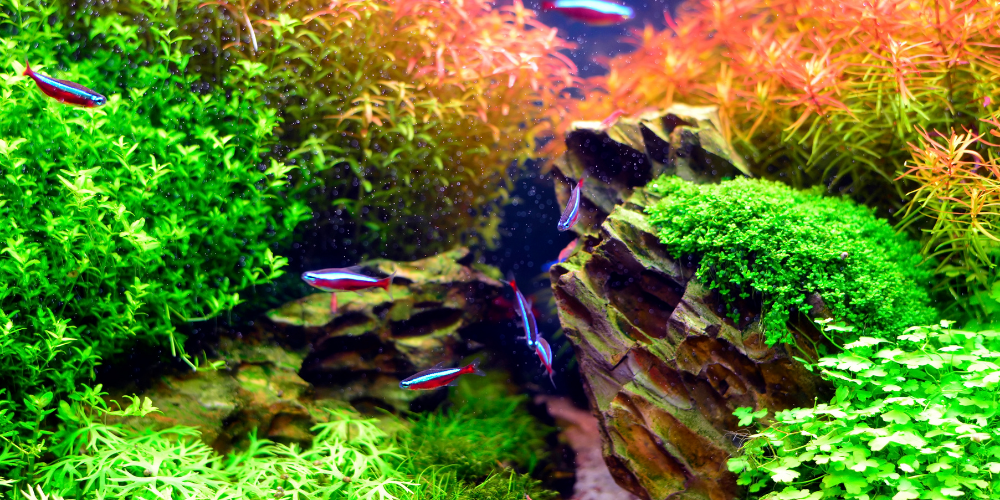
Credit: www.pond-planet.co.uk
Frequently Asked Questions
What Is Aquascaping For Multi-species Harmony?
Aquascaping for multi-species harmony is designing an aquarium that supports various fish and plants. It balances aesthetics with the needs of different species, promoting a healthy ecosystem and peaceful coexistence.
How To Choose Compatible Species For Aquascaping?
Select species with similar water, temperature, and dietary needs. Avoid aggressive fish to reduce conflicts. Research species behavior and habitat preferences for a harmonious aquarium environment.
What Plants Are Best For Multi-species Aquascapes?
Choose hardy plants like Java fern, Anubias, and Cryptocoryne. These plants tolerate diverse conditions and provide shelter, improving water quality and creating natural hiding spots for fish.
How To Maintain Water Quality In Multi-species Tanks?
Regularly test water parameters like pH, ammonia, and nitrate levels. Perform routine water changes and use efficient filtration. Proper maintenance prevents stress and disease among diverse aquatic species.
Conclusion
Creating a balanced aquascape brings peace to your aquarium. Fish and plants thrive side by side. Careful planning helps avoid conflicts and stress. Choose species that share similar needs and habits. Provide hiding spots and open swimming areas. Regular maintenance keeps the environment healthy and clear.
Watch your tank daily to spot any issues early. Enjoy the beauty and calm of a harmonious aquatic world. Your effort turns a simple tank into a lively, peaceful home.