
Are you looking to transform your aquarium into a stunning underwater masterpiece? Aquascaping for modern tanks is the secret to creating a vibrant, peaceful space right in your home.
Imagine your tank not just as a fish home, but as a living piece of art that captures attention and calms your mind. Whether you’re a beginner or want to upgrade your current setup, this guide will show you how to bring balance, beauty, and life to your aquarium.
Keep reading to discover simple tips and creative ideas that will make your tank stand out like never before.
Choosing The Right Tank
Picking the right tank is very important for aquascaping. The tank size and shape can change how your aquascape looks.
Also, the material of the tank and where you place it affect the overall design and care of your setup.
Tank Sizes And Shapes
Choose a tank size that fits your space and goals. Bigger tanks are easier to keep stable.
Tanks come in many shapes like rectangular, cube, or bow front. Each shape changes how you arrange plants and decorations.
- Rectangular tanks give more surface area for plants.
- Cube tanks offer a balanced look but less planting space.
- Bow front tanks create a curved view that is attractive.
Material Options
Glass and acrylic are common materials for tanks. Each has pros and cons to think about.
Glass is heavier and scratch-resistant. Acrylic is lighter and clearer but scratches easier.
- Glass tanks are strong and last long.
- Acrylic tanks are easy to move and come in many shapes.
- Both materials hold water well and show your aquascape clearly.
Placement Tips
Place your tank where it gets steady temperature and light. Avoid direct sunlight to stop algae growth.
Make sure the surface is strong enough to hold the tank’s weight when full.
- Keep the tank away from windows with direct sun.
- Place it near power outlets for equipment.
- Check floor strength to support tank weight.
- Allow space around the tank for maintenance.
Selecting Aquatic Plants
Choosing the right aquatic plants makes your tank look natural and healthy. Plants help keep water clean and give fish a good home.
Think about the plants’ size, color, and care needs. This guide helps you pick plants that fit your modern tank.
Popular Plant Varieties
- Java Fern: Easy to grow, low light needs
- Anubias: Slow growth, thick green leaves
- Amazon Sword: Large, broad leaves, needs medium light
- Cryptocoryne: Various shapes, good for mid-ground
- Dwarf Hairgrass: Great for creating green carpet
These plants fit well in modern tanks. They add beauty without too much work.
Plant Growth Requirements
| Plant | Light | CO2 | Nutrients |
| Java Fern | Low | No | Low |
| Anubias | Low | No | Low |
| Amazon Sword | Medium | Yes | High |
| Cryptocoryne | Low to Medium | No | Medium |
| Dwarf Hairgrass | High | Yes | High |
Plants need different light and nutrients. Check these needs before planting.
Combining Colors And Textures
Mix plants with different colors to make your tank lively. Use green, red, and brown leaves for contrast.
- Pair broad leaves with thin, grass-like plants
- Use tall plants at the back and short ones in front
- Include some plants with red or purple shades
- Try smooth leaves with rough or wavy edges
These combinations create depth and interest in your aquascape.
Incorporating Hardscape Elements
Hardscape elements shape the look of your aquascape. Rocks and wood add texture and structure. They help create a natural environment for fish and plants.
Choosing and placing hardscape pieces carefully makes your tank look deeper and more interesting. This guide covers types of rocks and wood, how to arrange them, and how to create flow.
Types Of Rocks And Wood
Different rocks and wood suit different styles and needs. Some rocks are sharp, others smooth. Wood varies in size and shape. Picking the right type is key for a healthy tank.
| Material | Description | Notes |
| Seiryu Stone | Gray with white veins, rough texture | Good for rocky, mountain styles |
| Dragon Stone | Rounded, porous, reddish-brown | Great for natural, soft looks |
| Manzanita Wood | Twisted branches, dark color | Lasts long, adds height |
| Mopani Wood | Heavy, dense, two-tone color | Slow sink, good for focal points |
Arranging Hardscape For Depth
Arrange stones and wood to create a sense of depth. Place larger pieces near the front or sides. Use smaller pieces behind them to build layers. This tricks the eye.
- Start with the main focal point near the front.
- Add medium pieces behind and to the sides.
- Use small rocks or wood to fill gaps in the back.
- Keep some open space for plants and fish movement.
Creating Natural Flow
Hardscape should guide the viewer’s eye through the tank. Use shapes that curve or point in one direction. This flow makes the tank feel alive and balanced.
Tip: Arrange wood and stones so lines lead from the front to the back or side. Avoid placing pieces straight across. Natural flow helps plants and fish look at home.
Design Styles For Modern Tanks
Aquascaping is the art of arranging plants, stones, and other items in an aquarium. Modern tanks use different design styles to create unique looks. These styles help make the tank a beautiful part of your room.
Each design style has its own rules and features. You can choose one that fits your space and taste. Let’s explore some popular design styles for modern tanks.
Minimalist Layouts
Minimalist layouts use few elements to keep the tank simple and clean. They focus on empty space and clear lines. This style makes the tank look calm and neat.
Plants and decorations are carefully chosen. Usually, one or two types of plants and a few stones are enough. The goal is to avoid clutter and keep the focus on the main features.
- Use simple shapes and few colors
- Choose plants that grow slowly
- Arrange stones with space between them
- Keep the background plain or dark
Nature-inspired Scenes
Nature-inspired scenes aim to copy real landscapes like forests, rivers, or mountains. These tanks look like tiny natural worlds. They often use many plants and natural stones.
Designers use textures and layers to create depth. Fish and shrimp add life and movement. This style feels peaceful and fresh.
- Use different plant types and heights
- Place stones to form hills or cliffs
- Add driftwood for natural shapes
- Use soft lighting to mimic daylight
Futuristic And Abstract Designs
Futuristic and abstract designs focus on shapes and colors that look modern or unusual. These tanks use sharp angles, bright colors, or unusual materials. They create a bold and creative look.
This style is for people who like art and innovation. It often uses LED lights or glass decorations. The layout may not follow natural patterns but aims to attract attention.
- Use geometric shapes with stones or wood
- Add colorful plants or artificial decorations
- Use LED lights for color effects
- Mix materials like glass and metal
Balancing Aesthetics And Functionality
Aquascaping a modern tank requires striking a balance between visual appeal and functionality. A well-designed tank should not only be beautiful but also provide a healthy environment for plants and aquatic life.
By understanding the needs of both aesthetics and functionality, you can create a thriving underwater world that delights the senses and promotes a sense of well-being.
Ensuring Proper Filtration
Filtration is a crucial aspect of maintaining a healthy tank. A good filter helps remove waste products, excess nutrients, and other contaminants that can harm plants and fish.
- Regularly clean and replace filter media to maintain its effectiveness
- Choose a filter that suits your tank size and type of aquatic life
- Monitor water parameters and adjust filter settings accordingly
Lighting Effects
Lighting is essential for promoting plant growth and enhancing the visual appeal of your tank. Different types of lighting can create various effects, from warm and cozy to bright and vibrant.
- Use LED lights for energy efficiency and precise color control
- Choose T5 or T8 lights for a more natural, warm glow
- Experiment with different lighting schedules to promote plant growth
Maintaining Water Quality
Maintaining good water quality is vital for the health and well-being of your aquatic life. Regular water changes, monitoring water parameters, and using a good water conditioner can help keep your tank healthy.
By balancing aesthetics and functionality, you can create a stunning and thriving underwater world that brings joy and relaxation to all who see it.
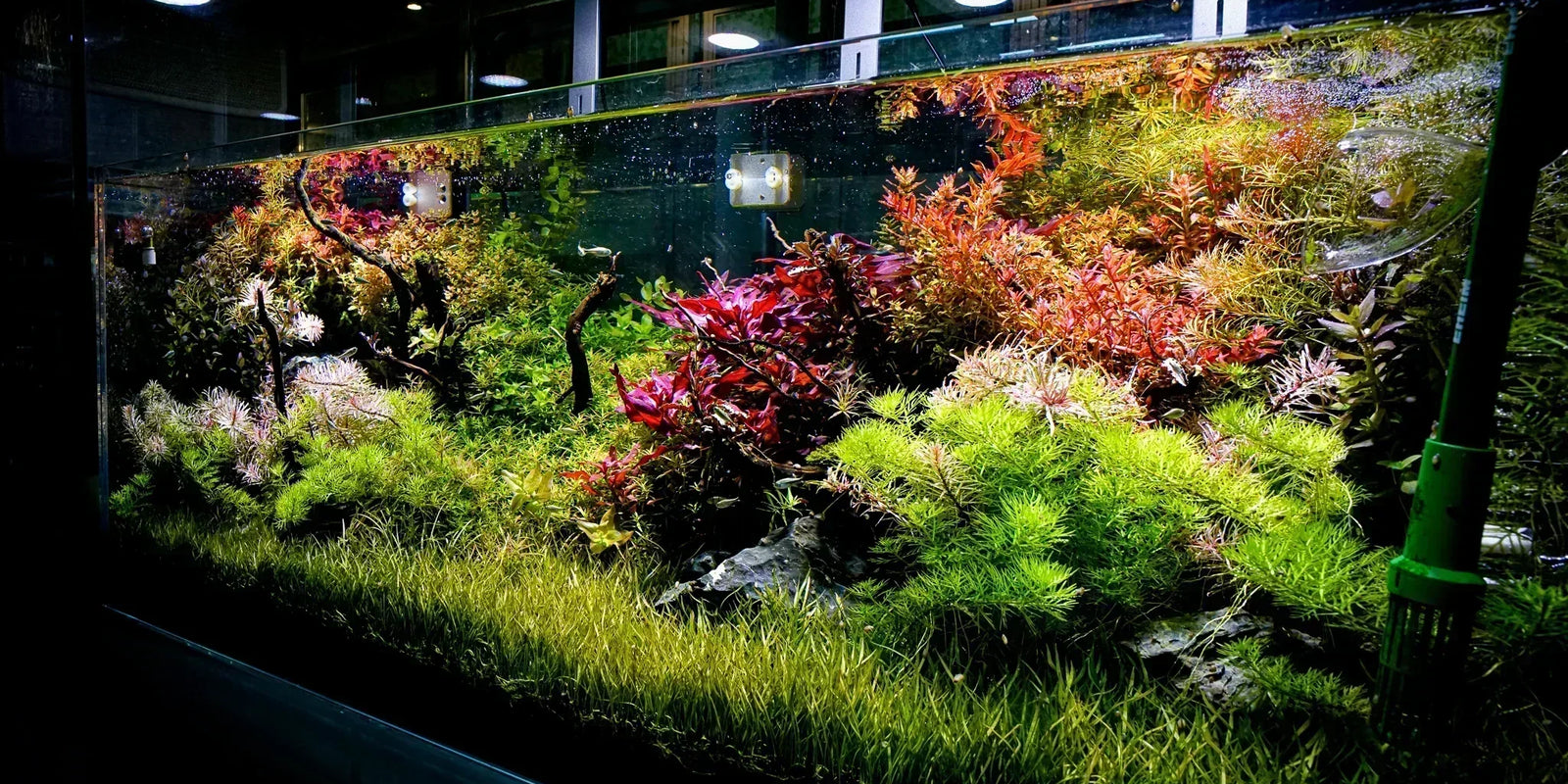
Credit: plantedpro.com
Fish And Invertebrate Selection
Choosing the right fish and invertebrates is key for a modern aquascape. Their size and needs must fit the tank environment.
Select species that live well together and enhance your tank’s look and balance.
Compatible Species
Pick fish and invertebrates that get along and share similar water needs. Avoid aggressive or large species.
- Small tetras and rasboras work well with shrimp and snails
- Corydoras catfish fit nicely with peaceful schooling fish
- Amano shrimp help clean algae and stay peaceful
- Otocinclus catfish are good algae eaters and calm
Enhancing Visual Appeal
Choose species with colors and shapes that add beauty and contrast to the aquascape. Mix sizes for depth.
- Brightly colored fish like neon tetras draw attention
- Different shapes like shrimp and snails add texture
- Fast swimmers add movement to open spaces
- Bottom dwellers create activity near the substrate
Behavior Considerations
Know how each species acts. Some fish like hiding, others swim in groups or alone. Match behaviors to avoid stress.
Active fish need space. Shy species need plants and caves to feel safe.
- Schooling fish need groups of 6 or more
- Territorial fish need hiding spots to reduce fights
- Peaceful invertebrates should avoid aggressive tank mates
- Check if species dig or uproot plants before adding
Maintenance For Longevity
Aquascaping modern tanks requires attention to detail and regular maintenance to ensure longevity. Proper care extends the lifespan of your aquatic ecosystem and promotes a thriving environment for plants and fish.
Regular Cleaning Routines
Regular cleaning is crucial for maintaining a healthy tank. Remove debris, uneaten food, and dead plant matter to prevent the buildup of toxins.
- Clean the tank every 1-2 weeks
- Replace 10-20% of tank water weekly
- Use a gravel vacuum to remove debris
Pruning And Plant Care
Pruning and plant care are essential for maintaining a balanced ecosystem. Prune plants to promote healthy growth and prevent overgrowth.
- Prune plants every 1-2 weeks
- Trim dead or dying leaves
- Fertilize plants regularly
Monitoring Tank Health
Regularly monitor your tank’s health by checking water parameters, fish behavior, and plant growth. Address any issues promptly to prevent harm to your aquatic ecosystem.
| Parameter | Target Range |
|---|---|
| Ammonia | 0.0-0.5 ppm |
| Nitrite | 0.0-0.5 ppm |
| Nitrate | 0-20 ppm |

Credit: www.shutterstock.com
Tools And Equipment
Aquascaping needs the right tools to create a beautiful tank. Using good equipment helps you shape plants and arrange hardscape materials easily.
Choosing the correct tools saves time and keeps your aquarium clean and healthy. Some tools are simple, while others are more advanced.
Essential Aquascaping Tools
Basic tools make planting and trimming easier. These are must-haves for any aquascaper.
- Tweezers for planting small plants
- Scissors for trimming leaves and stems
- Spatulas for moving soil and gravel
- Algae scrapers to keep glass clean
- Water siphon for tank cleaning and water changes
These tools help you maintain the tank and arrange plants with care.
Advanced Equipment Options
Advanced equipment offers more control and precision in aquascaping. They suit hobbyists who want to refine their designs.
- CO2 systems to improve plant growth
- High-quality LED lights for better plant health
- Water testing kits to monitor chemistry
- Plant fertilizers to provide nutrients
- Automated dosing systems for consistent feeding
These tools help keep the tank stable and support plant growth over time.
Diy Vs Professional Supplies
DIY tools can save money but may lack precision. Professional supplies usually cost more but offer better quality.
Choosing depends on your budget and how serious you are about aquascaping. Beginners might start with DIY tools and upgrade later.
- DIY tools: homemade tweezers, simple scissors, basic water siphons
- Professional supplies: branded aquascaping kits, precise trimming scissors, advanced CO2 systems
Inspiration And Trends
Aquascaping is the art of arranging plants, rocks, and wood inside an aquarium. It creates a natural and beautiful underwater scene.
Modern tanks use new ideas and styles to make aquascapes more creative and fresh. Trends show how hobbyists express their skills and passion.
Popular Aquascaping Competitions
Aquascaping contests bring together the best tank designers worldwide. They show the highest skill and creativity in aquarium design.
These events inspire hobbyists to improve their work and try new styles. Competitions also share new trends with the community.
- International Aquatic Plants Layout Contest (IAPLC)
- World Aquascaping Contest (WAC)
- European Aquascaping Contest (EAC)
- Local and regional aquascaping shows
Social Media Influences
Social media platforms help aquascapers share their work with a large audience. Photos and videos show detailed tank setups and ideas.
Many hobbyists find inspiration by following popular aquascaping accounts. These channels highlight new plants, layouts, and equipment.
- Instagram accounts post daily aquarium photos
- YouTube channels explain aquascaping techniques
- Facebook groups offer advice and feedback
- Pinterest boards collect design ideas
Emerging Design Ideas
New designs combine minimalism and natural looks to create calm and clear tanks. Aquascapers use open spaces and simple lines to focus on plants.
Trends include mixing different plant textures and colors. Some use driftwood and stones to build small hills or caves inside the tank.
- Minimalist layouts with fewer decorations
- Layered plant arrangements for depth
- Use of contrasting colors and shapes
- Natural hardscape with wood and rocks

Credit: vietaquaticwoods.com
Frequently Asked Questions
What Is Aquascaping For Modern Tanks?
Aquascaping for modern tanks is the art of designing underwater landscapes. It combines plants, rocks, and wood to create natural, stylish scenes. Modern styles focus on minimalism, clean lines, and balanced composition. This enhances tank aesthetics and supports fish health.
How To Choose Plants For Modern Aquascaping?
Select plants based on light, tank size, and style. Popular choices include Anubias, Java Fern, and Cryptocoryne. These plants are low-maintenance and complement modern designs. Ensure they fit your tank’s environment and provide natural beauty.
What Substrates Work Best In Modern Aquascaping?
Fine gravel and nutrient-rich soil substrates work best. They support healthy plant growth and create a clean look. Dark substrates highlight plant colors and improve visual contrast. Choose substrates that suit your plants’ needs and tank setup.
How To Maintain A Modern Aquascaped Tank?
Regular trimming, water changes, and cleaning keep tanks healthy. Monitor water parameters like pH and nitrate levels. Use proper lighting and CO2 to support plant growth. Consistent maintenance preserves the tank’s modern aesthetic and aquatic health.
Conclusion
Aquascaping modern tanks brings life and style to your space. Simple designs create a calm, natural look that anyone can enjoy. Choosing the right plants and decorations makes your tank unique and healthy. Regular care keeps your aquascape fresh and vibrant.
Start small, learn as you go, and watch your tank grow. This hobby offers peace and beauty in one small world. Try aquascaping today and see the difference it makes.