
Imagine transforming your living room into a peaceful oasis where nature and beauty come together perfectly. Aquascaping for living rooms lets you bring vibrant underwater landscapes right into your home.
You don’t need to be an expert to create a stunning, calming centerpiece that catches everyone’s eye. You’ll discover easy tips and ideas to design your own aquascape, boosting your room’s style and your mood at the same time. Ready to see how a simple tank can change your space and your life?
Keep reading to unlock the secrets of aquascaping made just for you.
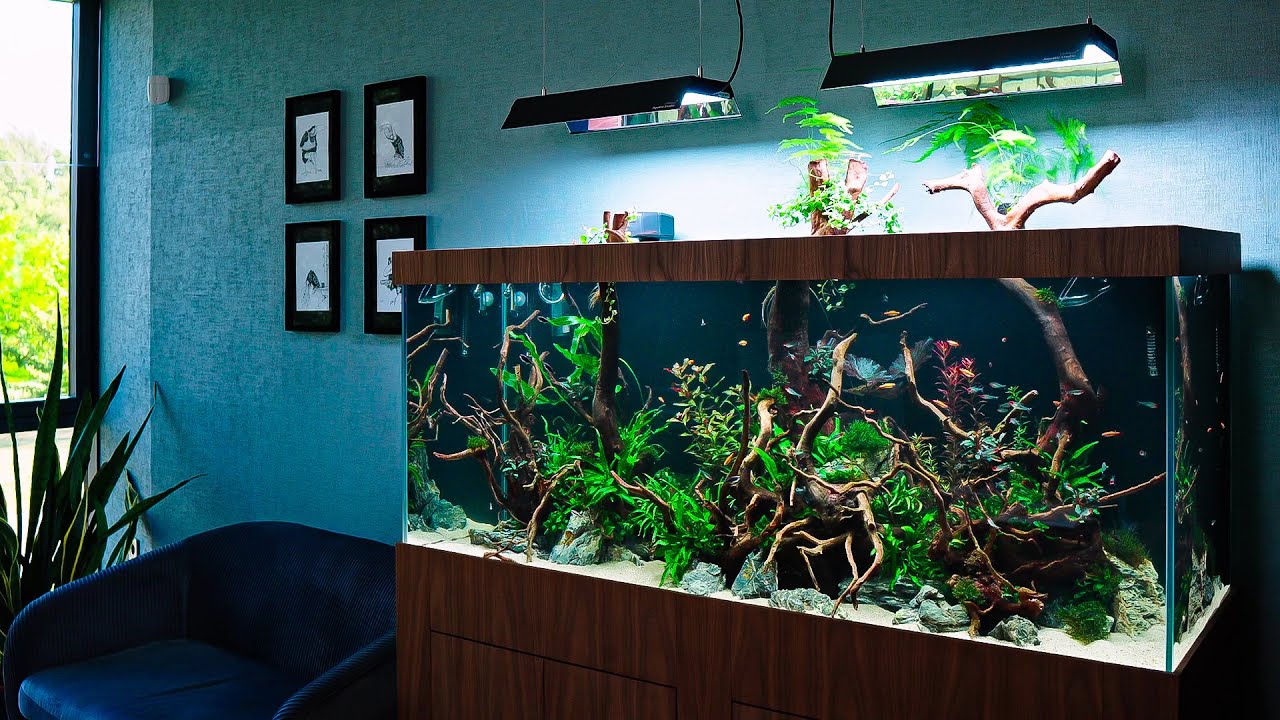
Credit: www.youtube.com
Choosing The Right Aquarium
An aquarium can add calm and beauty to your living room. Choosing the right one is key to fitting your space and style.
Consider size, shape, materials, and where you place it. These factors affect how well the aquarium fits your home.
Size And Shape Options
Pick a size that fits your room without crowding it. Small tanks work well for tight spaces, while large tanks become a room’s centerpiece.
Shapes vary from rectangles to cubes or bowls. Rectangular tanks offer more swimming space for fish. Bowls look nice but limit fish types.
- Small tanks: good for desks or shelves
- Medium tanks: fit well on tables or stands
- Large tanks: need sturdy furniture and space
- Rectangular: best for most fish
- Bowls: simple but less space
- Custom shapes: stylish but costly
Material Considerations
Glass and acrylic are common materials. Glass is clear and scratch-resistant but heavier. Acrylic is lighter and stronger but scratches easier.
Think about how each material fits your needs. Glass tanks often cost less. Acrylic tanks allow creative shapes and are safer for kids.
- Glass: clear view, heavier, less expensive
- Acrylic: lightweight, stronger, can scratch
- Check for quality seals to avoid leaks
- Choose easy-to-clean materials
Placement Tips
Place your aquarium where it can be seen and enjoyed. Avoid direct sunlight to prevent algae and overheating.
Keep it away from heaters or air conditioners. Use a sturdy stand that can hold the tank’s weight safely.
- Choose a stable, flat surface
- Avoid spots with direct sunlight
- Place near power outlets for equipment
- Keep away from heat sources and drafts
- Leave space for maintenance access

Credit: www.reddit.com
Popular Aquascaping Styles
Aquascaping is the art of arranging aquatic plants and decorations in an aquarium. It makes living rooms more beautiful and peaceful.
People use different styles to create unique underwater landscapes. Each style has its own look and feel.
Nature-inspired Layouts
This style copies natural scenes like forests, mountains, or rivers inside the tank. It uses rocks, wood, and plants to mimic the wild.
- Use driftwood to create tree-like shapes
- Arrange stones to look like mountain peaks
- Plant moss and ferns to add greenery
- Add fish that swim like wild animals
Minimalist Designs
Minimalist aquascaping focuses on simplicity and clean lines. It uses fewer plants and decorations but looks elegant.
| Feature | Description |
| Plants | Limited types, often one or two |
| Decorations | Simple stones or sand only |
| Colors | Neutral and calm shades |
| Layout | Open space and balance |
Zen And Japanese Themes
This style brings calm and harmony to the room. It uses natural materials and simple shapes inspired by Japanese gardens.
- Use smooth stones and sand patterns
- Add bamboo or bonsai-like plants
- Include small water features or waterfalls
- Keep the design balanced and peaceful
Selecting Plants And Decorations
Aquascaping for living rooms brings nature indoors. Choosing the right plants and decorations makes your aquarium beautiful and easy to care for.
Focus on low-maintenance plants, natural hardscape elements, and colorful fish to create a lively and balanced display.
Low-maintenance Plants
Select plants that grow well indoors and need little care. These plants do not require strong lighting or frequent trimming.
- Anubias: grows slowly and stays healthy in low light.
- Java Fern: attaches to rocks and wood, no planting needed.
- Cryptocoryne: adapts well to different water conditions.
- Amazon Sword: adds height and green color to the tank.
- Marimo Moss Ball: needs only occasional cleaning.
Hardscape Elements
Hardscape elements create structure and interest. Use natural materials to keep the tank looking authentic and balanced.
| Element | Description | Benefits |
| Rocks | Use smooth stones or slate | Provide hiding spots and anchor plants |
| Driftwood | Natural wood pieces | Add texture and tannins to water |
| Sand or Gravel | Choose fine or medium grain | Supports plant roots and looks natural |
Using Colorful Fish
Bright fish bring life and movement. Choose species that match your tank size and plants.
- Neon Tetras: small, peaceful, and vibrant blue and red colors.
- Guppies: easy to care for with many color patterns.
- Betta Fish: colorful and can live alone in small tanks.
- Cherry Barbs: red hues that contrast with green plants.
- Endler’s Livebearer: tiny and bright fish for small aquariums.
Lighting And Equipment
Aquascaping creates a natural underwater scene inside your living room. Good lighting and equipment keep plants and fish healthy.
Choosing the right tools helps your aquascape look beautiful and stay balanced over time.
Choosing The Right Lighting
Light helps plants grow and shows off your aquascape’s colors. Pick lights that fit your tank size and plant needs.
LED lights are energy-saving and can provide different colors. Make sure the light reaches all parts of the tank.
- Use full spectrum lights for healthy plant growth
- Adjust light duration to about 8-10 hours daily
- Place lights evenly to avoid dark spots
Filtration Systems
Filtration keeps water clean and clear. It removes waste and helps fish stay healthy in your aquascape.
Choose filters that match your tank size and water type. Some filters also add water movement for better oxygen.
- Canister filters work well for large tanks
- Hang-on-back filters are easy to maintain
- Sponge filters are good for small tanks and shrimp
Heating And Co2
Heat keeps your aquascape stable and comfortable for plants and fish. Most need water between 72-78°F (22-26°C).
Adding CO2 helps plants grow faster and healthier. You can use CO2 kits or liquid carbon supplements.
- Use a reliable heater with a thermostat
- Place heater where water flows well
- CO2 injection supports plant photosynthesis
- Monitor CO2 levels to avoid harming fish
Maintenance Tips For Longevity
Aquascaping adds beauty to living rooms. Proper care keeps the setup healthy and lasting.
Regular maintenance helps plants and fish thrive. Follow simple steps for long-term success.
Water Quality Management
Good water quality is key to a healthy aquascape. Test water regularly to check levels.
Keep ammonia, nitrite, and nitrate low. Use a water conditioner to remove chlorine.
- Change 10-20% of water weekly
- Check pH and hardness levels often
- Use a good water filter system
- Avoid overfeeding fish to reduce waste
Pruning And Cleaning
Trim plants to keep them healthy and neat. Remove dead leaves to prevent decay.
Clean the tank glass and decorations to avoid dirt build-up. Use soft tools to avoid damage.
- Prune fast-growing plants weekly
- Clean glass inside and outside regularly
- Remove uneaten food daily
- Use a gravel vacuum during water changes
Preventing Algae Growth
Algae can spoil the look of your aquascape. Control light and nutrients to stop algae growth.
Do not leave the aquarium light on too long. Avoid overfeeding to reduce excess nutrients.
- Limit light to 8-10 hours per day
- Remove algae manually when seen
- Add algae-eating fish or snails
- Keep water clean to reduce algae food
Design Ideas For Living Rooms
Aquascaping has become a popular trend in home decor, and for good reason. Adding an aquarium to your living room can not only create a unique conversation piece, but also provide a calming and soothing atmosphere.
Aquariums As Centerpieces
Place your aquarium in a prominent location, such as a coffee table or console table, to create a stunning centerpiece for your living room.
- Choose a tank that fits your space and style
- Select a variety of fish and plants that complement each other
- Consider adding decorative rocks or driftwood for a unique look
Wall-mounted Tanks
Mount your aquarium on a wall to create a sleek and modern look that adds visual interest to your living room.
| Benefits | Features |
| Space-saving | Adjustable mounting system |
| Visual appeal | Easy to clean |
Integrated Furniture Aquariums
Combine your aquarium with a piece of furniture, such as a coffee table or sofa, to create a unique and functional design element for your living room.
- Sectional sofas with built-in aquariums
- Coffee tables with glass tops and aquariums underneath
- Sofa beds with aquariums integrated into the headboard
Benefits Of Aquascaping Indoors
Aquascaping brings nature inside your living room. It uses water, plants, and stones to create a small underwater garden. This indoor hobby offers many benefits.
Besides looking beautiful, aquascaping helps improve your home environment. It can make your living space feel fresh and calm.
Enhancing Aesthetics
An aquascape can become the focal point of your living room. It adds natural beauty and a unique style that suits any decor. You can choose different plants, rocks, and layouts to match your taste.
- Creates a peaceful and natural look
- Matches modern and classic interiors
- Offers a living piece of art
- Can be customized with colors and shapes
- Improves room lighting with reflections
Improving Air Quality
Indoor aquascapes help clean the air in your home. Plants absorb carbon dioxide and release oxygen. This process makes the air fresher and healthier to breathe.
| Benefit | How It Helps |
| Oxygen Production | Plants produce oxygen during photosynthesis |
| Humidity Control | Water in the tank adds moisture to dry air |
| Pollution Reduction | Plants absorb some indoor pollutants |
| Dust Reduction | Water surface traps dust particles |
Stress Reduction
Watching an aquascape can calm your mind. The gentle movement of water and fish relaxes your thoughts. This reduces stress and anxiety.
Ways aquascaping reduces stress:
- Soothing sounds of water
- Visual focus on natural colors
- Encourages mindfulness and patience
- Offers a quiet hobby to enjoy
Credit: www.youtube.com
Frequently Asked Questions
What Is Aquascaping For Living Rooms?
Aquascaping for living rooms is designing and arranging aquatic plants and decorations in an indoor aquarium. It enhances room aesthetics and creates a calming natural environment. This art combines creativity with aquatic care, making living spaces more vibrant and peaceful.
How To Choose The Best Aquarium For Living Rooms?
Select an aquarium size that fits your room space comfortably. Consider tank shape, material, and ease of maintenance. Choose a style that complements your living room decor and allows proper lighting for plant growth.
Which Aquatic Plants Are Ideal For Living Room Aquascapes?
Choose low-maintenance, visually appealing plants like Java fern, Anubias, and mosses. These plants thrive indoors with moderate light and improve water quality. They add lush greenery without demanding extensive care.
How To Maintain Aquascaping In Living Rooms Effectively?
Regularly clean the tank, monitor water parameters, and trim plants. Feed fish appropriately and replace water partially weekly. Proper maintenance keeps your aquascape healthy and visually stunning.
Conclusion
Aquascaping brings life and calm to any living room space. It creates a natural, peaceful view that soothes the mind. Small changes can make a big difference in your home’s feel. Choose plants and fish that match your style and care level.
Regular maintenance keeps the aquascape fresh and healthy. Enjoy the beauty and peace it adds every day. Simple steps turn your living room into a relaxing retreat. Try aquascaping and watch your space transform slowly but surely.