
If you want your juvenile fish to grow healthy and happy, the way you design their tank matters more than you might think. Aquascaping isn’t just about making your aquarium look beautiful—it creates a natural home that helps young fish feel safe and thrive.
You’ll discover simple, practical tips to set up the perfect environment for your little swimmers. Keep reading, and you’ll learn how to turn your tank into a thriving underwater world where your juvenile fish can truly flourish.
Choosing The Right Tank
Choosing the right tank is very important for aquascaping with juvenile fish. The tank must support their growth and provide a safe environment.
A good tank helps maintain water quality and gives space for plants and decorations. This keeps the fish healthy and happy.
Tank Size And Shape
Juvenile fish need enough space to swim and grow. A larger tank helps keep water stable and clean.
Choose a shape that fits your room and allows easy access for cleaning and care. Rectangular tanks are common for aquascaping.
- Small tanks can stress juvenile fish quickly
- Long tanks provide more surface area for oxygen
- Taller tanks may limit swimming space
- Wide tanks offer good room for plants and hiding spots
Material Considerations
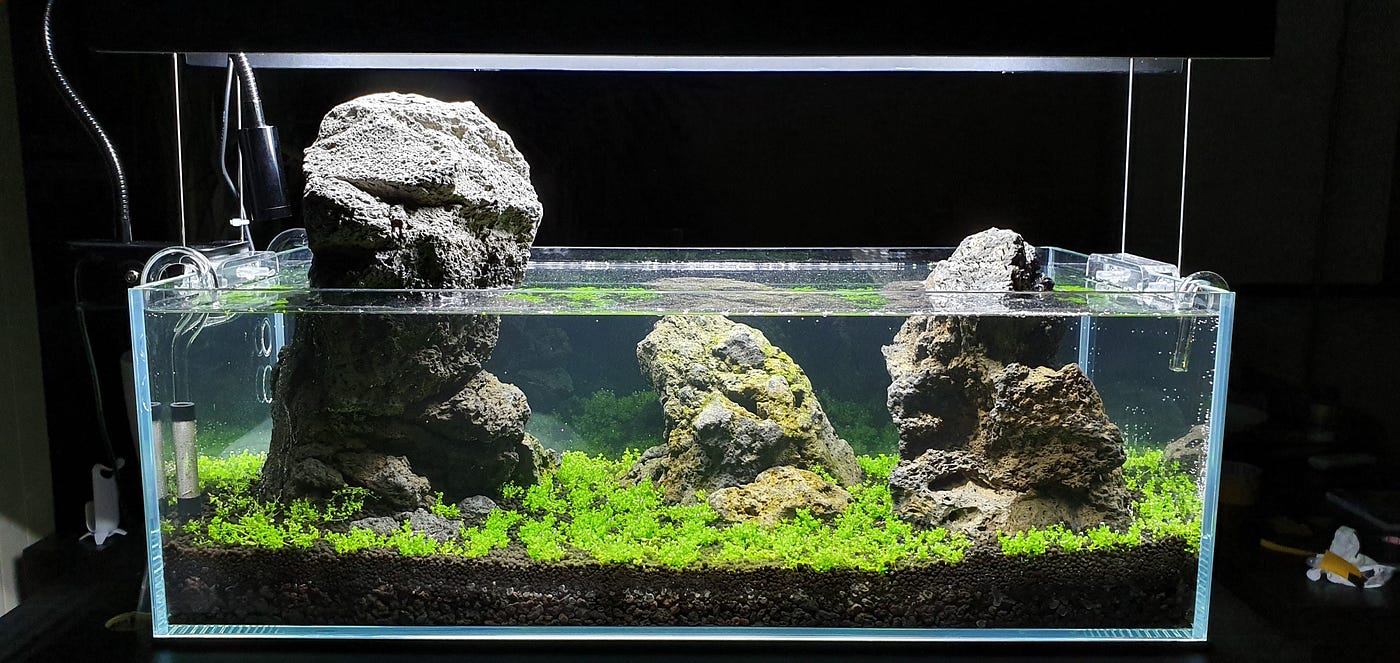
Most tanks are made of glass or acrylic. Each material has its benefits and limits for aquascaping.
Glass is scratch-resistant and clear. Acrylic is lighter and easier to shape but can scratch more easily.
- Glass tanks are heavier but very durable
- Acrylic tanks are lighter and allow custom shapes
- Both materials hold water well and are safe for fish
- Check for smooth edges to protect fish and plants
Credit: medium.com
Selecting Suitable Plants
Choosing the right plants is key for aquascaping with juvenile fish. Plants provide hiding places and improve water quality.
Some plants grow fast, while others are safe and gentle for young fish. Pick plants that match your tank needs.
Fast-growing Plants
Fast-growing plants help keep the tank clean by using extra nutrients. They also create shelter quickly for juvenile fish.
- Hornwort grows quickly and floats or anchors in the tank.
- Water Wisteria spreads fast and offers good hiding spots.
- Java Moss grows rapidly and is soft for small fish.
- Anacharis is easy to grow and creates dense cover.
Safe Plant Choices For Juveniles
Choose plants that are gentle and non-toxic for juvenile fish. Avoid sharp or tough leaves that can harm them.
- Java Fern has soft leaves and is safe for young fish.
- Amazon Sword provides broad leaves without sharp edges.
- Cryptocoryne plants are sturdy and fish-friendly.
- Marimo Moss Balls are safe and add natural decoration.
Creating Hiding Spots
Juvenile fish need safe places to hide. Hiding spots reduce stress and protect them from larger fish.
Good hiding spots help young fish grow strong and healthy. They feel secure and less likely to get sick.
Using Rocks And Driftwood
Rocks and driftwood create natural shelters in the aquarium. These hard structures give fish places to rest and hide.
- Stack rocks to form caves and tunnels
- Place driftwood pieces to create shaded areas
- Make sure all structures are stable to avoid collapse
- Use smooth surfaces to prevent injuries
Dense Plant Areas
Plants give soft hiding spots and break sight lines in the tank. Dense areas help fish feel hidden and safe.
| Plant Type | Benefit | Growth Rate |
| Java Moss | Provides cover for small fish | Fast |
| Anubias | Thick leaves create shade | Slow |
| Hornwort | Dense bushy growth for hiding | Fast |
| Amazon Sword | Large leaves for shelter | Medium |

Credit: www.youtube.com
Water Quality Management
Good water quality is very important for juvenile fish. Clean water helps fish grow healthy and strong.
Keeping water clean means checking and controlling many things. This helps keep fish safe and happy.
Filtration Systems
Filtration systems remove dirt and waste from the water. They keep the water clear and healthy for fish.
There are three main types of filters: mechanical, biological, and chemical. Each type helps clean water in different ways.
- Mechanical filters catch solid particles like uneaten food.
- Biological filters use good bacteria to break down harmful waste.
- Chemical filters remove toxins and impurities from the water.
Regular Water Changes
Regular water changes help keep the water fresh and safe. They remove harmful chemicals and waste that filters miss.
Changing about 10-20% of the water every week is good for juvenile fish tanks. Use clean, treated water for the change.
- Use a siphon to remove water and debris from the tank bottom.
- Replace with water that matches the tank’s temperature and pH.
- Do not change too much water at once to avoid stressing fish.
Lighting And Temperature
Aquascaping creates a natural home for juvenile fish. Lighting and temperature are key parts of their comfort and health.
Proper light and stable temperatures help young fish grow strong and active.
Optimal Light Levels
Juvenile fish need soft lighting that mimics their natural environment. Too much light can stress them out.
Use gentle LED lights or low-intensity bulbs. Keep the light on for 8 to 10 hours daily to support plant growth and fish activity.
- Use dimmable lights to adjust brightness
- Provide shaded areas with plants or decorations
- Avoid direct sunlight to prevent overheating
- Maintain a consistent light schedule
Maintaining Stable Temperatures
Young fish are sensitive to temperature changes. Keep the water temperature steady for their health.
Use an aquarium heater with a thermostat. Check the temperature daily and keep it within a safe range for your fish species.
- Set heater to the recommended temperature for your fish
- Keep temperature fluctuations under 2°F (1°C)
- Use a thermometer to monitor water temperature
- Place the tank away from drafts and heat sources
Feeding Strategies
Feeding juvenile fish in an aquascape requires careful planning. They need the right nutrition to grow healthy and strong.
Understanding the best feeding practices helps maintain a balanced ecosystem. It’s important to provide suitable food types and adhere to a proper feeding frequency.
Suitable Food Types
Young fish need specific food types for proper growth. Their diet must include protein-rich options.
- Brine shrimp are small and nutritious.
- Micro worms provide essential proteins.
- Crushed fish flakes are easy to digest.
- Daphnia stimulate their natural hunting instincts.
Feeding Frequency
Juvenile fish require frequent meals. This ensures they get enough nutrients daily.
Feed them small portions multiple times a day to prevent overfeeding. This helps maintain clean water in the tank.
- Feed 3-4 times daily for young fish.
- Use small amounts to avoid waste.
- Observe their eating habits for adjustments.
Preventing Common Diseases
Juvenile fish are more prone to diseases than adult fish. Preventing illnesses keeps them healthy and helps them grow well.
Good aquascaping practices can reduce disease risks. Watching fish closely and keeping their home clean are key steps.
Monitoring Fish Behavior
Watch juvenile fish daily for signs of stress or illness. Early detection can stop disease spread fast.
- Look for changes in swimming patterns or activity levels.
- Check if fish hide more than usual.
- Notice any loss of appetite or difficulty breathing.
- Spot visible signs like white spots, redness, or fin damage.
Maintaining Clean Environment
A clean tank limits bacteria and parasites that cause diseases. Regular cleaning supports fish health.
| Cleaning Task | Frequency | Purpose |
| Water change | Weekly (20-30%) | Remove toxins and refresh oxygen |
| Filter check | Twice a week | Ensure proper filtration and flow |
| Remove uneaten food | Daily | Prevent water pollution |
| Gravel vacuuming | Biweekly | Clear waste and debris |

Credit: www.reddit.com
Monitoring Growth And Development
Watching your juvenile fish grow is important. It helps you keep them healthy and strong.
Good aquascaping supports their development by offering a safe and natural space.
Regular Measurements
Check your fish size and health often. Use a ruler or caliper for accuracy.
- Measure length from head to tail
- Note changes in color and activity
- Record weight if possible
- Watch for signs of stress or illness
Adjusting Environment As Needed
Keep the water clean and at the right temperature. Make changes if fish show stress.
| Factor | Ideal Range | Action if Outside Range |
| Water Temperature | 24-28°C (75-82°F) | Adjust heater or cooling |
| pH Level | 6.5-7.5 | Use buffers or water changes |
| Ammonia | 0 ppm | Increase filtration, water changes |
| Nitrite | 0 ppm | Check cycling, water changes |
| Nitrate | <20 ppm | Regular water changes |
Frequently Asked Questions
What Is Aquascaping For Juvenile Fish?
Aquascaping for juvenile fish involves designing underwater environments that support young fish growth. It includes plants, hiding spots, and clean water. This setup reduces stress and encourages natural behavior, promoting healthy development and survival in juvenile fish.
Which Plants Are Best For Juvenile Fish Tanks?
Low-maintenance plants like Java moss, Anubias, and Hornwort work best. These plants provide shelter, oxygen, and improve water quality. They also create hiding spots, reducing stress and enhancing juvenile fish safety.
How Does Aquascaping Benefit Juvenile Fish Health?
Aquascaping creates natural habitats that reduce stress and prevent diseases. Plants and decorations offer hiding places and improve water oxygen. This environment promotes natural feeding and growth, leading to healthier juvenile fish.
Can Aquascaping Improve Juvenile Fish Survival Rates?
Yes, aquascaping increases survival by providing shelter and reducing aggression. It mimics natural habitats, lowering stress and protecting juveniles from predators. Proper aquascaping encourages natural behavior and healthy development.
Conclusion
Creating a safe and natural space helps juvenile fish grow strong. Plants and hiding spots reduce stress and encourage healthy behavior. Clean water and gentle lighting keep the environment stable. Simple aquascaping choices support fish health every day. Enjoy watching your young fish explore and thrive in their new home.
Care and attention make all the difference. Aquascaping is a rewarding way to nurture juvenile fish with love and patience.