
Are you struggling to keep your baby fish alive? Watching your fry grow can be exciting, but it’s also challenging.
The right aquascaping can make all the difference in their survival. Imagine creating a safe, natural environment where your fry can thrive without constant worry. You’ll discover simple, effective aquascaping tips that protect your fry and boost their chances of growing strong.
Keep reading to learn how to transform your aquarium into a nurturing haven for your tiny swimmers.

Credit: www.youtube.com
Choosing The Right Plants
Plants play a big role in helping baby fish survive. They offer food, shelter, and clean water.
Picking the right plants makes your aquascape a safe place for fry to grow strong.
Fast-growing Species
Fast-growing plants help keep water clean by using extra nutrients. They also provide quick shelter for fry.
These plants fill the tank fast and create hiding spots from predators.
- Hornwort
- Water Wisteria
- Java Moss
- Anacharis
Dense Foliage Benefits
Plants with dense leaves give fry a safe place to hide. This lowers stress and improves survival.
Dense foliage also helps break water flow, making the tank calmer for young fish.
- Java Fern
- Cryptocoryne
- Amazon Sword
Floating Plants For Shelter
Floating plants create shade and soft cover on the water surface. They protect fry from bright light and predators.
These plants also help reduce algae by blocking some sunlight.
- Duckweed
- Salvinia
- Frogbit
Creating Safe Hiding Spots
Fry need places to hide from bigger fish and strong currents. Safe spots help them grow and stay healthy.
Good hiding spots reduce stress and increase fry survival rates in your aquascape.
Using Moss And Ferns
Moss and ferns create soft, natural shelters for fry. They offer cover and food sources in the tank.
These plants grow dense mats that fry can hide inside. They also improve water quality by filtering it.
- Java moss is easy to grow and safe for fry
- Christmas moss forms thick branches for hiding
- Java fern roots provide small crevices
- Bolbitis fern leaves create shady spots
Incorporating Driftwood
Driftwood adds natural shelter and texture to the aquarium. It creates caves and shadows for fry safety.
Wood surfaces host biofilm and algae that fry eat. It also helps keep water slightly acidic, which some species prefer.
- Use smooth driftwood to avoid sharp edges
- Place wood pieces to form small hiding gaps
- Secure driftwood to prevent movement in currents
- Combine with plants for better cover
Caves And Rock Structures
Rocks and caves give solid protection from predators and strong water flow. Fry feel safe inside these hiding places.
Use smooth stones and stack them carefully. Avoid sharp edges to prevent injury to the fry.
- Choose flat rocks for stable caves
- Create small openings just big enough for fry
- Arrange rocks to allow water flow but block large fish
- Clean rocks before adding to the tank
Water Quality Management
Good water quality is key to fry survival in aquascaping. Clean and balanced water helps fry grow strong and healthy.
Managing water conditions keeps diseases away and supports natural development. Focus on temperature, pH, and water changes.
Optimal Temperature Settings
Keep the water temperature steady between 74°F and 78°F (23°C to 26°C). This range suits most fry and encourages good growth.
- Use a reliable aquarium heater to maintain warmth.
- Check temperature daily with a thermometer.
- Avoid sudden temperature changes to reduce stress.
Maintaining Stable Ph
Stable pH is vital for fry health. Most fry thrive in slightly acidic to neutral water, around 6.5 to 7.2 pH.
| pH Level | Effect on Fry |
| Below 6.0 | Too acidic, can harm fry |
| 6.5 – 7.2 | Ideal for growth and comfort |
| Above 7.5 | Too alkaline, stress risk |
Test pH weekly. Adjust with natural additives like peat moss or crushed coral if needed.
Regular Water Changes
Change water often to remove waste and keep chemicals low. This helps fry breathe and stay healthy.
- Replace 20% to 30% of water weekly.
- Use dechlorinated water matching tank temperature.
- Clean substrate gently during changes to avoid stress.
Feeding Strategies For Fry
Feeding fry correctly is important for their growth and survival. Proper feeding helps young fish stay healthy and strong.
Different foods and feeding schedules suit fry better than adult fish. This guide explains how to feed fry the right way.
Suitable Food Types
Fry need small, easy-to-eat food that gives them enough nutrients. Choose foods that are soft and fit their tiny mouths.
Live foods are good because they move and attract fry. Dry foods are also useful when crushed into tiny bits.
- Infusoria or liquid fry food for very young fry
- Baby brine shrimp, small daphnia for slightly bigger fry
- Crushed flakes or pellets made for fry
- Powdered spirulina or algae-based foods
Feeding Frequency
Fry need to eat often because they grow fast. Feeding them small amounts many times a day works best.
Feeding 3 to 5 times daily helps fry get enough energy. Spread out the meals to avoid leftover food in the tank.
- Feed every 3 to 4 hours during the day
- Skip feeding at night to keep the tank clean
- Use small portions to prevent water pollution
Avoiding Overfeeding
Overfeeding causes water pollution and can harm fry health. Only feed what fry can eat in a few minutes.
Remove uneaten food quickly to keep water clean. Good water quality helps fry survive and grow well.
- Feed small amounts at each feeding
- Watch fry eat and stop feeding when full
- Clean tank regularly to remove leftover food
Tank Setup For Fry Success
Creating the right environment helps fry grow strong and healthy. A good tank setup keeps them safe and comfortable.
Focus on tank size, filtration, and lighting to give your fry the best start in life.
Selecting Proper Tank Size
A tank too small can stress fry and cause poor water quality. A larger tank offers more space and stability.
- Use at least a 10-gallon tank for small groups of fry.
- Increase tank size if you have many fry to reduce crowding.
- Choose tanks with more surface area for better oxygen exchange.
Filtration Options
Clean water is key to fry survival. Choose gentle filters that avoid sucking fry in.
| Filter Type | Advantages | Disadvantages |
| Sponge Filter | Gentle flow, safe for fry | Needs air pump |
| Hang-on-back Filter | Good filtration, easy to clean | May have strong current |
| Internal Filter | Compact, efficient | Can disturb fry if flow is strong |
Lighting Considerations
Proper lighting helps plants grow and keeps fry active. Avoid bright lights that stress fry.
- Use low to moderate light for 8 to 10 hours daily.
- Provide shaded areas with plants or decorations.
- Use timers to keep light consistent every day.

Credit: www.reddit.com
Preventing Predation
In aquascaping, protecting fry from predation is crucial. Young fish are vulnerable and need safe environments to thrive.
Implementing effective strategies can greatly increase fry survival rates. Let’s explore some methods to keep your young fish safe.
Separating Adult Fish
One way to protect fry is by separating them from adult fish. Adult fish may see fry as food and pose a significant threat.
- Use a separate tank for adult fish.
- Install dividers within the existing tank.
- Monitor adult fish behavior closely.
Using Breeding Nets
Breeding nets are effective tools to safeguard fry. These nets provide a safe space within the main tank.
Breeding nets allow water flow while keeping fry safe. They are easy to install and maintain.
Creating Safe Zones
Safe zones are areas in the tank where fry can hide and feel secure. These zones can be created with plants and decorations.
| Material | Purpose |
| Plants | Provide shelter |
| Rocks | Create hiding spots |
| Driftwood | Offer natural barriers |
Monitoring Fry Growth
Aquascaping is not just art; it is also about creating a safe home for fish. Fry, or baby fish, need special care to grow strong and healthy. Monitoring their growth is key to their survival.
Understanding the needs of fry helps you create the perfect environment. By tracking their development, adjusting their surroundings, and spotting any health issues, you can ensure they thrive.
Tracking Development Stages
Fry go through different stages as they grow. Knowing these stages helps you provide the right care. Watch for changes in their size and behavior.
- Stage 1: Hatchlings, tiny and need protection.
- Stage 2: Juveniles, starting to explore and feed.
- Stage 3: Adolescents, growing quickly and active.
- Stage 4: Young adults, nearly full-sized and independent.
Adjusting Environment
The right environment is crucial for fry survival. Adjust water conditions and tank setup to meet their needs. Ensure they have a safe and clean space to grow.
Temperature, pH levels, and filtration need regular checks. Use plants and hiding spots to make fry feel secure.
Recognizing Health Issues
Fry can face health problems as they grow. Early detection is important. Look for signs of illness or stress, like unusual swimming patterns or changes in color.
Keep a close eye on their eating habits. A loss of appetite could mean something is wrong. Regular monitoring helps catch issues early.
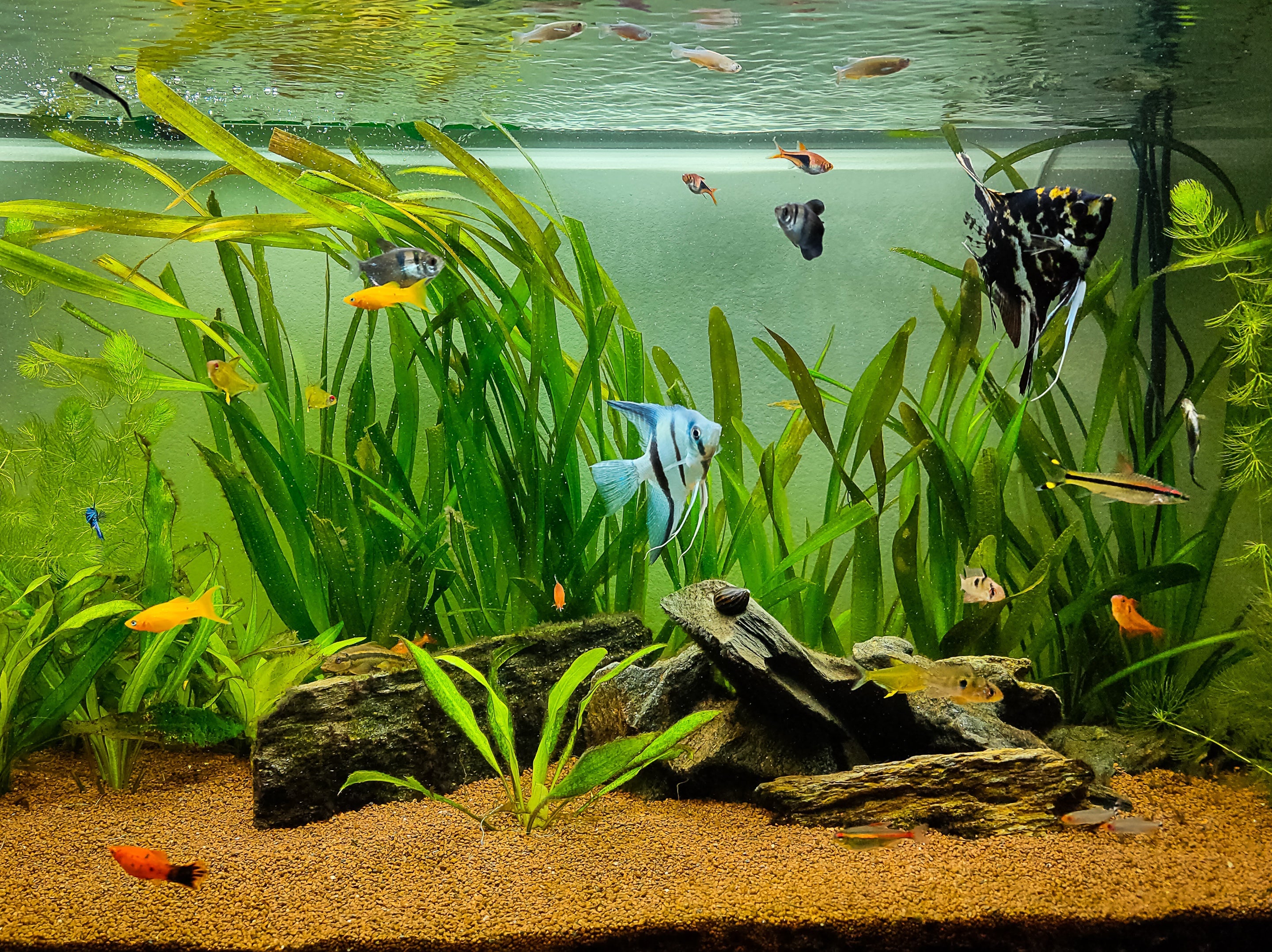
Credit: splashyfishstore.com
Frequently Asked Questions
What Is Aquascaping For Fry Survival?
Aquascaping for fry survival is designing aquarium plants and decorations to protect baby fish. It provides hiding spots and reduces stress. Proper aquascaping improves fry safety and growth by mimicking natural habitats. It enhances water quality and supports healthy fry development.
How Does Aquascaping Improve Fry Survival Rates?
Aquascaping offers shelter, hiding places, and reduces aggression from adult fish. Plants and structures create safe zones, lowering fry predation. Good aquascaping stabilizes water parameters, promoting fry health. It also encourages natural behaviors essential for fry survival and growth.
Which Plants Are Best For Fry Survival Aquascaping?
Fine-leaved plants like Java moss, hornwort, and duckweed are ideal. These plants provide dense cover and breeding surfaces. They improve water quality and oxygenation. Avoid sharp or toxic plants that may harm delicate fry. Choose fast-growing, non-toxic plants for best results.
How Often Should Aquascaping Be Maintained For Fry?
Maintain aquascaping weekly to keep plants healthy and water clean. Remove decaying leaves and excess algae promptly. Trim plants to prevent overcrowding and ensure good water flow. Regular maintenance reduces harmful bacteria and keeps fry habitats safe.
Conclusion
Creating a safe space helps fry grow strong and healthy. Plants and hiding spots reduce stress for young fish. Clean water and proper feeding keep them alive. Regular checks help catch problems early. Simple aquascaping steps can improve fry survival rates.
Patience and care make a big difference. Try different layouts to find what works best. Small efforts lead to happy, thriving fry. Keep learning and enjoy watching your fish grow.