
Are you struggling to keep your tiny fish fry safe in your aquarium? Protecting these delicate little swimmers can be tricky, but with the right aquascaping techniques, you can create a safe haven that helps them thrive.
Imagine watching your fry grow strong and healthy, hidden away from predators and stress. You’ll discover simple yet powerful ways to design your tank that give your fry the best chance at survival. Keep reading, and you’ll learn how to turn your aquarium into a fry-friendly paradise.

Credit: www.amazon.in
Choosing The Right Plants
Aquascaping with plants helps protect fry from predators. The right plants offer hiding spots and improve water quality.
Picking suitable plants is important for fry survival. Plants also add beauty to your aquarium.
Best Plants For Fry Shelter
Some plants create dense areas where fry can hide safely. These plants have thick leaves or fine roots that fry can cling to.
- Java Moss: Offers thick coverage and safe hiding spots
- Hornwort: Fast-growing and creates good shelter
- Anacharis: Dense stems protect fry from larger fish
- Water Wisteria: Broad leaves provide shade and cover
- Marimo Moss Balls: Soft and dense, perfect for small fry
Fast-growing Plants
Fast-growing plants help keep water clean and provide quick shelter. They reduce algae growth by using nutrients quickly.
Choose plants that grow well in your tank conditions. This keeps the environment healthy for fry.
- Hornwort
- Anacharis (Elodea)
- Duckweed
- Water Sprite
- Amazon Frogbit
Floating Vs. Rooted Plants
Floating plants float on the water surface. They provide shade and reduce light for algae growth.
Rooted plants grow from the bottom substrate. They create hiding spaces and improve water quality.
- Floating Plants:Duckweed, Amazon Frogbit, Water Lettuce
- Rooted Plants:Java Moss, Anacharis, Water Wisteria

Credit: www.ebay.com
Creating Hiding Spots
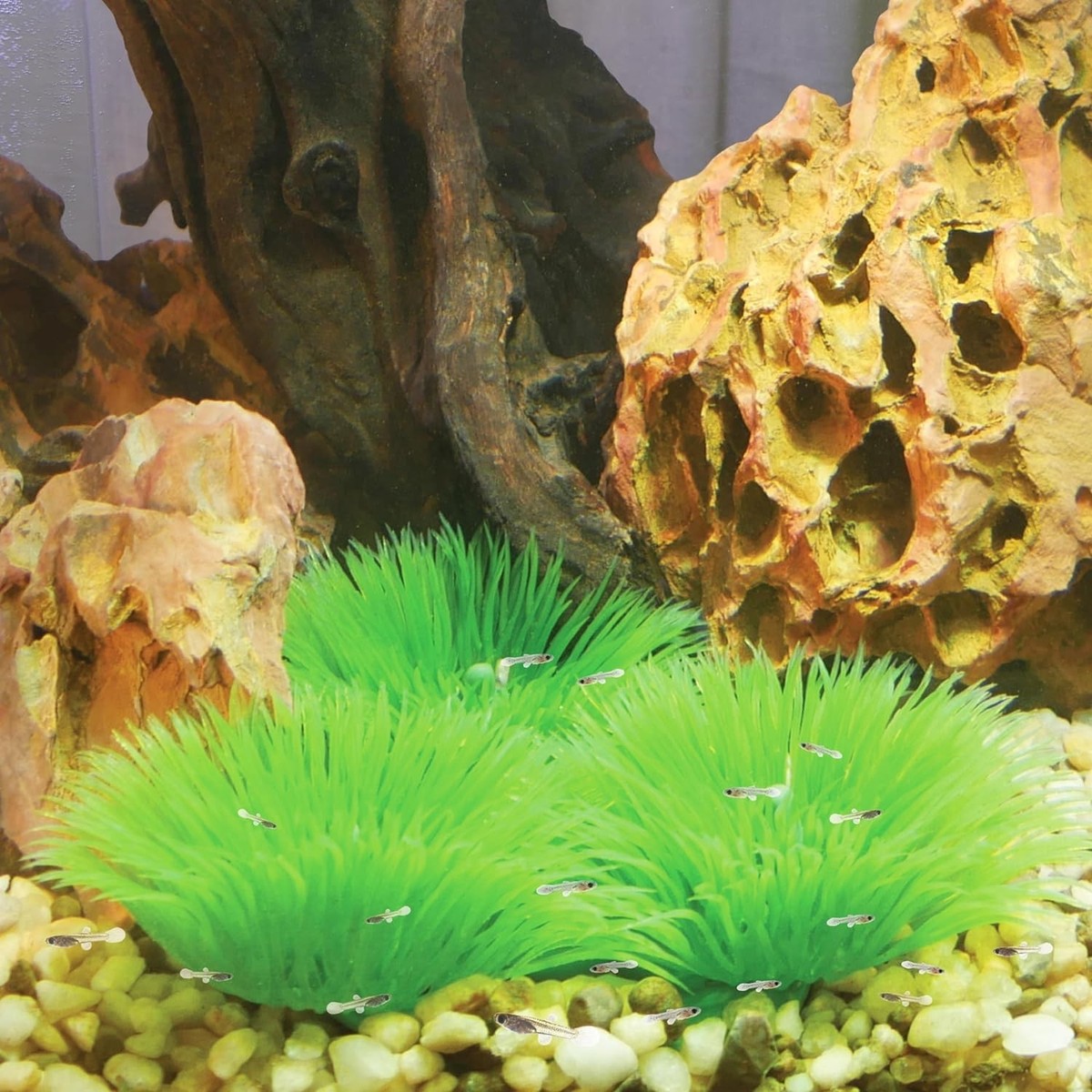
Protecting fry in an aquarium is important for their survival. Hiding spots help young fish stay safe from predators. Many natural materials can create these shelters.
This guide explains how to use moss, leaf litter, driftwood, rocks, and plants to build good hiding places.
Using Moss And Leaf Litter
Moss creates soft cover for fry to hide in. Leaf litter adds natural shelter and breaks light, making fry feel safe. Both provide surfaces for tiny food organisms to grow.
- Place clumps of moss on rocks or driftwood
- Scatter dried leaf litter on the tank bottom
- Use Indian or Java moss for best results
- Replace leaf litter regularly to prevent decay
Incorporating Driftwood And Rocks
Driftwood and rocks form solid hiding places. They create caves and crevices where fry can escape predators. Arranging these elements carefully gives fry many options to hide.
| Material | Benefit | Placement Tips |
| Driftwood | Natural caves and tunnels | Stack pieces to form shelters |
| Rocks | Crevices and shade | Use flat rocks to build caves |
| Both | Stable hiding spots | Secure firmly to avoid falls |
Building Dense Plant Clusters
Plants provide cover and reduce light, making fry feel safe. Dense clusters create many tiny spaces to hide. Fast-growing plants work well for this purpose.
- Choose stem plants like hornwort or water wisteria
- Plant densely in corners and near the tank bottom
- Trim regularly to keep plants healthy and thick
- Mix tall and short plants for varied shelter heights
Tank Layout Strategies
Designing your aquarium layout helps protect fry from harm. Careful planning creates safe zones for young fish.
Good tank layout also keeps adult fish separate and controls water flow to reduce stress on fry.
Zoning For Fry Safety
Create distinct zones in the tank to keep fry safe. Use plants and decorations as natural barriers.
- Place dense plants in corners for hiding spots
- Use rocks or driftwood to divide open spaces
- Keep fry zones away from adult fish areas
- Mark safe zones with low water flow
Separating Adult Fish
Adult fish can eat or stress fry. Separate them using physical dividers or different tank sections.
| Method | Description |
| Mesh Divider | Allows water flow but keeps fish apart |
| Separate Tanks | Use a breeder box or nursery tank |
| Plant Barriers | Dense plants block adults from fry areas |
Optimizing Water Flow
Water flow affects fry health and safety. Gentle flow prevents fry from being swept away.
Tips to manage water flow:
- Use sponge filters to reduce strong currents
- Place filter outlets away from fry zones
- Adjust flow rate on powerheads or pumps
- Create calm spots with plants or decorations
Water Quality And Parameters
Good water quality is key to keeping fry safe and healthy. Stable water conditions help young fish grow strong.
Understanding water parameters lets you create a safe environment for fry in your aquascape.
Maintaining Stable Conditions
Keep water temperature, pH, and hardness steady. Sudden changes stress fry and cause illness.
- Test water daily for changes
- Use a reliable heater with thermostat
- Change water slowly and in small amounts
- Avoid adding new fish all at once
- Monitor ammonia, nitrite, and nitrate levels
Ideal Temperature And Ph
Most fry do best in warm water between 74°F and 78°F. Keep pH near neutral or slightly acidic.
| Parameter | Ideal Range |
| Temperature | 74°F – 78°F (23°C – 26°C) |
| pH | 6.5 – 7.0 |
| Ammonia (NH3) | 0 ppm |
| Nitrite (NO2-) | 0 ppm |
| Nitrate (NO3-) | Below 20 ppm |
Filtration Tips For Fry
Use gentle filtration to keep water clean without harming fry. Strong currents can push them around.
Try these filter tips:
- Use sponge filters for gentle water flow
- Cover filter intake with fine mesh to protect fry
- Clean filter media regularly but avoid full replacements
- Keep filter bacteria healthy to break down waste
Feeding Techniques
Feeding fry properly helps them grow strong and healthy. It also protects them from harm in the aquarium.
Use the right foods and feed them often but in small amounts. This keeps the fry safe and well-nourished.
Suitable Fry Foods
Choose foods that are small and easy for fry to eat. These foods provide good nutrition for their growth.
- Infusoria (tiny aquatic creatures)
- Baby brine shrimp
- Crushed flakes or pellets made for fry
- Microworms or nematodes
- Special fry liquid foods available in stores
Feeding Frequency
Feed fry several times a day to keep them healthy. Avoid overfeeding to prevent water problems.
| Age of Fry | Feeds per Day | Portion Size |
| 1-7 days | 4-6 | Very small amounts |
| 8-14 days | 3-4 | Small amounts |
| 15+ days | 2-3 | Moderate amounts |
Preventing Food Competition
Fry can lose food to bigger fish or fight with each other. Use these tips to keep food fair.
- Feed fry in separate tanks if possible.
- Use feeding rings or small dishes to concentrate food.
- Place food near hiding spots where fry feel safe.
- Feed small amounts often to reduce competition.
- Remove adult fish during feeding times if needed.
Credit: www.ebay.com
Monitoring And Maintenance
Ensuring a safe environment for fry is crucial in aquascaping. Regular checks and maintenance help fry thrive.
Proper care involves routine health assessments, gentle cleaning, and adjusting their habitat as they grow.
Regular Health Checks
Fry need frequent health checks to spot any issues early. Observing their behavior and appearance can prevent problems.
- Check for signs of stress or disease.
- Monitor water temperature and pH levels.
- Observe feeding habits for changes.
Cleaning Without Stress
Cleaning the tank should be stress-free for the fry. Gentle methods help maintain their calm and safety.
- Avoid sudden movements in the tank.
- Use a soft brush to clean surfaces.
- Replace only a portion of the water.
Adjusting Setup As Fry Grow
As fry mature, their needs change. Adjusting the setup ensures they have enough space and resources.
| Age | Setup Requirement |
| 1-2 Weeks | Small hideouts |
| 3-4 Weeks | More swimming space |
| 5-6 Weeks | Additional feeding areas |
Frequently Asked Questions
What Is Aquascaping For Fry Protection?
Aquascaping for fry protection involves designing aquarium plants and structures. It creates hiding spots that safeguard young fish from predators. This natural shelter boosts fry survival rates and promotes healthy growth in a controlled environment.
Which Plants Are Best For Fry Protection Aquascaping?
Dense and fine-leaved plants like Java moss, hornwort, and baby tears are ideal. They offer excellent cover and oxygenate the water. Such plants provide safe spaces for fry to hide and grow without stress.
How Does Aquascaping Improve Fry Survival Rates?
Aquascaping offers natural hiding places that reduce fry stress and predation. It mimics natural habitats, encouraging healthy behavior and growth. This environment increases fry survival by protecting them from adult fish and external threats.
Can Aquascaping Prevent Fry From Being Eaten?
Yes, aquascaping creates dense plant cover and structures that act as shields. These hide fry from aggressive tank mates and predators. Proper design significantly lowers fry mortality caused by predation.
Conclusion
Aquascaping helps keep fry safe and healthy. Plants and hiding spots reduce stress and danger. Small fish need gentle environments to grow well. Adding natural cover stops larger fish from harming fry. Simple layouts make cleaning and care easier. Watch your tank often to spot problems fast.
Creating a safe space leads to strong, happy fish. Try different plants to see what works best. Protecting fry is key for a thriving aquarium.