
Have you ever looked at a freshwater tank and wished it could be more than just a home for your fish? Aquascaping lets you transform your tank into a stunning underwater garden that captivates anyone who sees it.
Imagine creating a peaceful, natural space right in your own home—one that not only looks amazing but also keeps your fish happy and healthy. You’ll discover simple tips and creative ideas to turn your freshwater tank into a breathtaking aquascape.
Ready to make your aquarium the centerpiece of your room? Let’s dive in.
Choosing The Right Tank
Picking the right tank is key for aquascaping success. The tank size and shape affect plant growth and fish health.
Think about the space you have and the style you want. This helps you choose the best tank for your freshwater setup.
Tank Sizes And Shapes
Tank size matters for aquascaping. Bigger tanks give more room for plants and fish. Small tanks need careful care.
Shape also affects your design. Long tanks show off horizontal layouts. Tall tanks fit vertical designs well.
- Small tanks (5-10 gallons) are good for beginners
- Medium tanks (20-40 gallons) offer balance and space
- Large tanks (50+ gallons) allow complex aquascapes
- Rectangular tanks suit most designs
- Cylindrical tanks create unique looks but are harder to decorate
Material Options
Most tanks are made of glass or acrylic. Both have strong points and limits for aquascaping.
Glass is clear and scratch-resistant. Acrylic tanks are lighter and easier to shape but scratch more.
- Glass tanks stay clear longer
- Acrylic tanks are lighter and less likely to break
- Glass is usually less expensive
- Acrylic lets you get custom shapes
Placement Tips
Where you place your tank affects its health and your enjoyment. Pick a stable, level surface.
Keep the tank away from direct sunlight. Too much sun causes algae and temperature changes.
- Place tank on a strong, flat stand
- Avoid spots near windows with strong sunlight
- Keep away from heaters or air conditioners
- Choose a visible spot for easy viewing

Credit: www.youtube.com
Selecting Substrate And Hardscape
Choosing the right substrate and hardscape is key for a healthy freshwater aquascape. These elements support plants, fish, and the overall design.
Good choices help create natural looks and provide places for fish to explore and hide.
Types Of Substrate
Substrate is the material at the bottom of the tank. It affects plant growth and water quality. Pick substrate based on your plants and fish.
- Gravel: Easy to clean and good for fish that like to dig.
- Sand: Smooth and natural, good for bottom dwellers.
- Aquasoil: Rich in nutrients for planted tanks.
- Crushed coral: Raises pH, good for hard water fish.
Rocks And Driftwood Choices
Rocks and driftwood shape the look of your tank. They give hiding spots and create natural scenes.
Choose materials safe for freshwater tanks and easy to clean before adding.
- Rocks: Slate, lava rock, and river stones are popular and safe.
- Driftwood: Mopani and Malaysian driftwood add color and texture.
- Avoid sharp rocks that can hurt fish.
- Soak driftwood to remove tannins that can tint water.
Arranging Hardscape Elements
Arrange rocks and wood to create balance and natural flow. Use the rule of thirds for better design.
Leave open spaces for fish to swim and places to hide. Secure heavy items to avoid falling.
- Place larger rocks or wood near the back or side.
- Use smaller pieces in front for depth.
- Stack rocks carefully to avoid collapses.
- Mix wood and rocks for variety in texture.
Picking Freshwater Plants
Choosing the right plants is key to a healthy freshwater tank. Plants help keep water clean and give fish places to hide.
Different plants need different care. This guide helps you pick easy and suitable plants for your tank.
Easy Plants For Beginners
Start with plants that grow well in many conditions. These plants are low maintenance and look great.
- Anubias: grows slowly and needs low light.
- Java Fern: tough plant that attaches to wood or rocks.
- Amazon Sword: broad leaves and easy to care for.
- Duckweed: floats on top and grows quickly.
- Cryptocoryne: adapts to many water types.
Plant Growth And Lighting Needs
Plants need light to grow. Some need more light than others. Too much light can cause algae.
| Plant | Light Level | Growth Speed |
| Anubias | Low to Medium | Slow |
| Java Fern | Low | Slow |
| Amazon Sword | Medium | Medium |
| Duckweed | High | Fast |
| Cryptocoryne | Low to Medium | Medium |
Combining Plant Varieties
Mix different plants to create a balanced tank. Use tall, medium, and short plants together.
Try this layout:
- Tall plants:Place at the back for background.
- Medium plants:Use in the middle for mid-ground.
- Short plants:Put in front for foreground.
- Floating plants:Add on top for shade and cover.
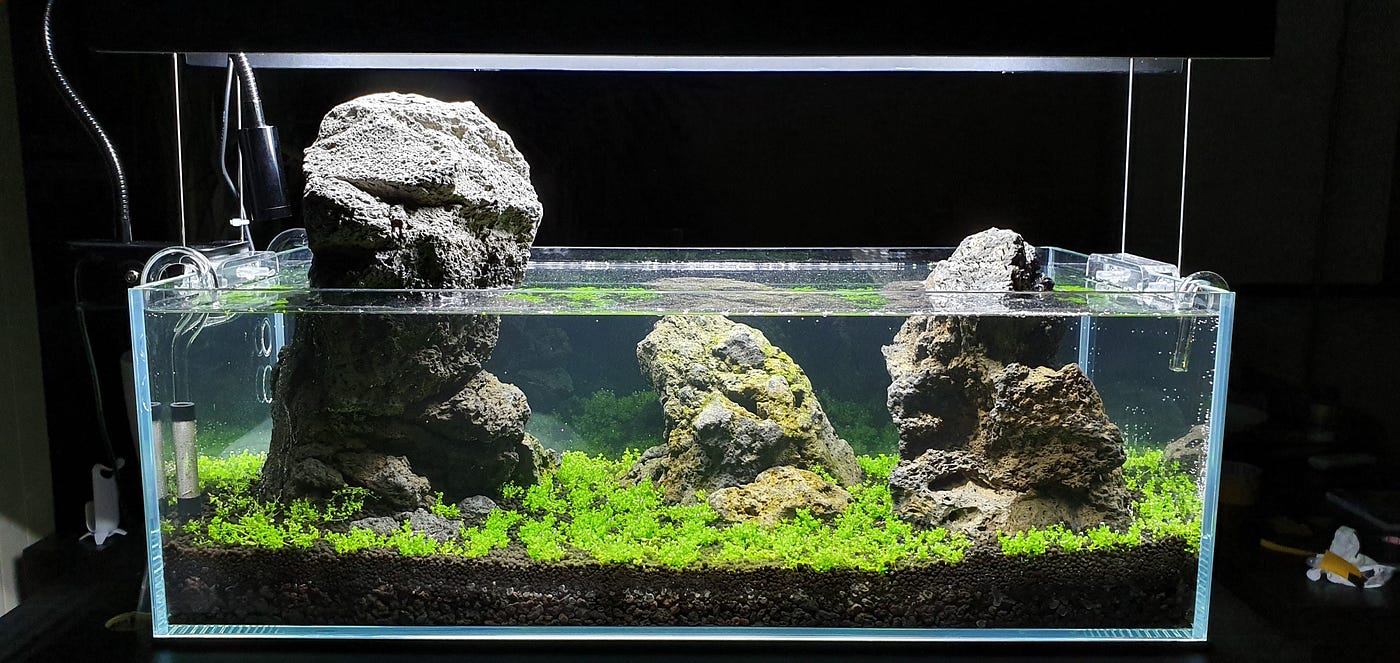
Credit: medium.com
Design Styles For Aquascapes
Aquascaping is the art of arranging aquatic plants, rocks, and wood in an aquarium. It creates a beautiful underwater scene. Different design styles help create unique looks in freshwater tanks.
Choosing a style depends on your taste and the type of aquatic life you keep. Here are some popular design styles for freshwater aquascapes.
Nature-inspired Layouts
Nature-inspired layouts mimic natural landscapes like forests, mountains, or riverbeds. These designs use rocks, driftwood, and plants to create a natural look.
- Use a mix of plants to imitate wild growth
- Arrange stones and wood to look like natural formations
- Include open spaces to give depth and realism
- Choose plants that suit your tank’s lighting and water conditions
Minimalist Designs
Minimalist aquascapes focus on simplicity and clean lines. They use fewer plants and decorations for a calm and modern look.
| Feature | Description |
|---|---|
| Plant Selection | One or two types of plants with simple shapes |
| Hardscape | Few rocks or wood pieces, arranged neatly |
| Color Scheme | Neutral or green tones with little contrast |
| Maintenance | Easy to clean and maintain |
Themed Aquascapes
Themed aquascapes create a specific scene or story. Themes can include Japanese gardens, jungles, or fantasy worlds.
Common themes include:
- Zen gardens with sand and stone patterns
- Jungle scenes with dense plant growth
- Fantasy setups with unusual colors or decorations
Themed aquascapes allow creativity and personal expression.
Setting Up Filtration And Lighting
Creating a thriving freshwater aquascape requires proper filtration and lighting. These elements help maintain water quality and support plant growth.
Understanding how to set up these components will ensure a healthy environment for your aquatic life.
Choosing Filters
Filters remove debris and toxins from your tank, keeping the water clean and clear. Different types of filters suit various tank sizes and needs.
- Sponge filters are ideal for small tanks and gentle filtration.
- Canister filters provide strong filtration for larger tanks.
- Hang-on-back filters are easy to install and maintain.
Lighting Options For Growth
Proper lighting is crucial for plant photosynthesis and growth. Different lights suit different plants and tank setups.
| Lighting Type | Best For |
| LED Lights | Energy efficiency and adjustable intensity |
| Fluorescent Lights | Low-cost and suitable for most plants |
| Metal Halide Lights | High-intensity for demanding plants |
Balancing Light And Shadow
Balance is key in aquascaping. Too much light can cause algae growth, while too little can hinder plant health.
Consider using floating plants or decorations to create shaded areas. This helps manage light exposure and creates a natural look.
Water Parameters And Maintenance
Keeping your freshwater aquascape healthy means watching water quality closely. Good water supports plants and fish well.
Regular care keeps your tank clear and balanced. Simple checks and cleaning help prevent problems.
Monitoring Water Quality
Test water often to keep parameters safe. Key factors include pH, ammonia, nitrites, and nitrates.
| Parameter | Ideal Range |
| pH | 6.5 – 7.5 |
| Ammonia | 0 ppm |
| Nitrites | 0 ppm |
| Nitrates | Below 20 ppm |
| Temperature | 22 – 28 °C (72 – 82 °F) |
Keep a log of your tests. Adjust water or do partial changes if levels are off.
Regular Cleaning Tips
Clean the tank every week to stop waste buildup. Use soft tools to avoid plant damage.
- Change 20-30% of water weekly
- Remove dead leaves and debris
- Clean the filter monthly without soap
- Vacuum substrate to remove waste
- Check equipment for proper function
Preventing Algae Growth
Algae can harm plants and make water dirty. Control light and nutrients to stop it from growing.
- Limit tank light to 8-10 hours daily
- Do not overfeed fish
- Keep nitrate levels low
- Add algae-eating species if possible
- Manually remove algae spots
Adding Fish And Invertebrates
Adding fish and invertebrates to your freshwater aquascape brings life and movement. They create a balanced ecosystem and help keep the tank clean.
Selecting the right species is important for a healthy and beautiful aquarium. Consider their needs and how they interact with plants and each other.
Suitable Species For Freshwater Tanks
- Neon Tetras: Small, colorful, and peaceful fish.
- Corydoras Catfish: Bottom dwellers that clean leftover food.
- Amano Shrimp: Great algae eaters and easy to care for.
- Cherry Shrimp: Bright red and active in planted tanks.
- Otocinclus Catfish: Small algae eaters, good for small tanks.
- Guppies: Hardy and live-bearing fish with many color varieties.
Compatibility Considerations
| Species | Temperament | Tank Size | Plant Safety |
| Neon Tetras | Peaceful | 20+ gallons | Safe |
| Corydoras Catfish | Peaceful | 20+ gallons | Safe |
| Amano Shrimp | Peaceful | 10+ gallons | Safe |
| Cherry Shrimp | Peaceful | 10+ gallons | Safe |
| Otocinclus Catfish | Peaceful | 15+ gallons | Safe |
| Guppies | Peaceful but active | 15+ gallons | Safe |
Feeding And Care
Feed fish and invertebrates a balanced diet for health and color. Avoid overfeeding to keep water clean.
- Use high-quality flakes or pellets for fish.
- Feed shrimp with algae wafers or blanched vegetables.
- Feed small amounts 1-2 times daily.
- Remove uneaten food after 5 minutes.
- Monitor water quality weekly to avoid toxins.
Troubleshooting Common Issues
Aquascaping in freshwater tanks can bring beauty and serenity. However, sometimes issues arise that need attention. Let’s explore common problems and solutions.
Understanding these issues can help maintain a healthy tank environment. Addressing them promptly ensures your aquatic life thrives.
Dealing With Algae
Algae growth is a common issue in tanks. It can cloud the water and cover plants. Managing light and nutrients can help control it.
- Reduce the amount of light your tank gets.
- Limit nutrients like phosphate and nitrate.
- Add algae-eating fish or snails.
Plant Health Problems
Plants may show signs of distress like yellowing leaves. This can be due to poor lighting or nutrient deficiencies. Ensuring proper care is vital.
- Check if your lights are strong enough.
- Use a balanced fertilizer for plants.
- Trim dead leaves to promote growth.
Fish Behavior Concerns
Unusual fish behavior can signal stress or illness. Factors like water quality and tank mates may affect fish well-being.
- Test water parameters regularly.
- Ensure compatible tank mates.
- Provide hiding spots for fish to reduce stress.

Credit: www.horizonaquatics.co.uk
Frequently Asked Questions
What Is Aquascaping For Freshwater Tanks?
Aquascaping is the art of arranging plants, rocks, and substrates in freshwater tanks. It creates beautiful, natural underwater landscapes. It enhances fish habitats and improves water quality. Aquascaping combines creativity with aquarium care for stunning results.
How Do I Start Aquascaping A Freshwater Tank?
Begin by planning your layout and choosing suitable plants and decorations. Use nutrient-rich substrate and proper lighting. Arrange hardscape elements like rocks and driftwood before planting. Maintain water parameters and regularly trim plants for a healthy, vibrant aquascape.
Which Plants Are Best For Freshwater Aquascaping?
Popular plants include Java fern, Anubias, Amazon sword, and Cryptocoryne. These plants are easy to care for and thrive in various conditions. Choose plants based on tank size, lighting, and fish compatibility to ensure a balanced, attractive aquascape.
How Often Should I Maintain My Aquascaped Tank?
Regular maintenance is key to a healthy aquascape. Perform water changes weekly or biweekly. Trim plants and remove algae every 1-2 weeks. Clean filters monthly and monitor water parameters consistently to keep your tank thriving.
Conclusion
Aquascaping brings beauty and life to freshwater tanks. It creates a natural, peaceful underwater world. Simple plants and stones make a big difference. Regular care keeps your tank healthy and bright. Enjoy the calm and joy that aquascaping offers. Start small, learn, and watch your tank thrive.
A well-designed tank is a joy to watch every day.