
Are you struggling to create a vibrant underwater garden in your fluorescent-lit tank? You’re not alone.
Fluorescent lights can be tricky when it comes to growing healthy plants and making your aquascape truly shine. But what if you could turn those challenges into opportunities? This guide will show you how to make the most of your fluorescent lighting, helping your plants thrive and your tank look stunning.
Keep reading, and you’ll discover simple tips and expert tricks that can transform your aquarium into a breathtaking aquatic masterpiece.

Credit: www.reddit.com
Choosing Plants For Fluorescent Light
Fluorescent lights are common in many aquarium setups. They provide enough light for certain plants to grow well. Choosing the right plants helps your aquascape look healthy and vibrant.
Not all plants do well under fluorescent lighting. Some need more light, while others thrive in low-light conditions. Knowing which plants fit your tank setup makes a big difference.
Low-light Plant Species
Low-light plants do well with fluorescent light. They grow slowly and need less energy. These plants are easy to care for and suit many aquariums.
- Anubias species
- Java Fern (Microsorum pteropus)
- Cryptocoryne species
- Java Moss (Taxiphyllum barbieri)
- Bolbitis heudelotii
Growth Patterns And Requirements
Plants under fluorescent light grow at a steady, moderate pace. They usually need stable water conditions and nutrients. Most low-light plants do not require extra CO2 injection.
Regular trimming helps keep plants healthy. Watch for slow growth or yellow leaves as signs of low light or nutrient problems. Adjust lighting time to about 8-10 hours daily.
- Moderate growth speed
- Stable water temperature and pH
- Regular nutrient supply
- No extra CO2 needed
- Light duration: 8-10 hours per day
Color And Texture Options
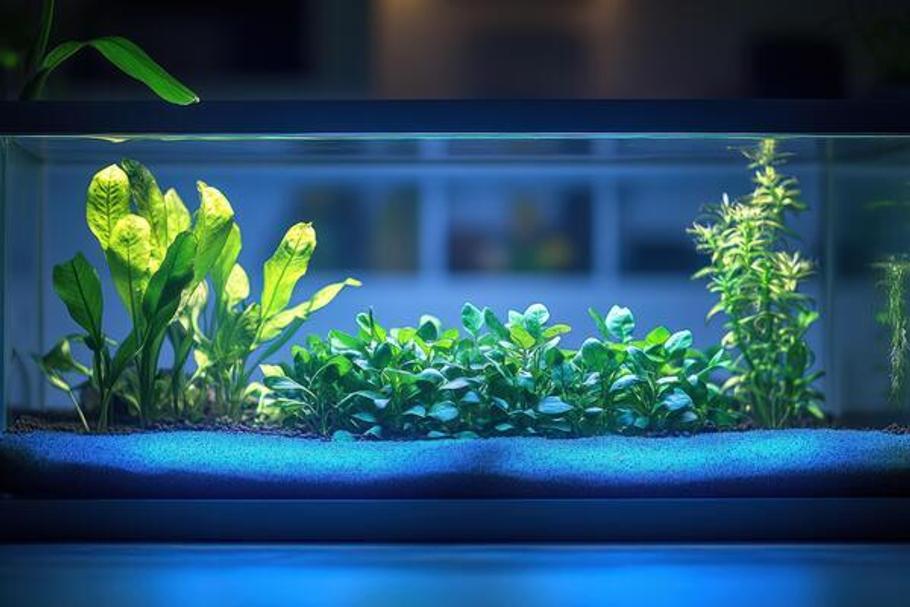
Fluorescent light supports a range of colors and textures in plants. You can choose dark green, light green, and sometimes reddish leaves. Different textures add depth to your aquascape.
Mix smooth, broad leaves with fine, feathery ones. This variety makes the tank more interesting. Use plants like Anubias for broad leaves and Java Moss for fine textures.
- Dark green and light green leaves
- Occasional red or brown shades
- Broad leaves like Anubias
- Fine, feathery plants like Java Moss
- Mixing textures creates visual interest
Credit: www.ratemyfishtank.com
Design Principles For Fluorescent Tanks
Aquascaping in fluorescent-lit tanks needs special care. The light from fluorescent bulbs is soft and spreads evenly.
Good design uses this type of light to create a natural and balanced look. You must think about how plants and decorations react to light.
Balancing Light And Shadow
Fluorescent light creates soft shadows that add depth. Use plants and hardscape to balance bright and dark areas.
Place taller plants where light is strongest. Use shorter plants or rocks to create shaded spots.
- Position plants to catch light evenly
- Create shaded areas with hardscape
- Avoid too much brightness in one spot
- Use shadows to add interest
Creating Depth And Layers
Layers make the tank look bigger and more natural. Use plants of different heights and sizes to build layers.
Place taller plants in the back and smaller ones in front. Add rocks or wood to break the space into sections.
- Tall plants in the background
- Medium plants in the middle
- Short plants in the front
- Use hardscape to separate layers
Focal Points And Visual Flow
A focal point draws the eye and makes the tank interesting. It could be a unique plant, rock, or decoration.
Visual flow guides the viewer’s eye through the tank. Arrange elements so the eye moves naturally from one point to another.
- Choose one strong focal point
- Use lines or shapes to lead the eye
- Balance elements on each side
- Avoid clutter near the focal area
Optimizing Tank Setup
Aquascaping in fluorescent-lit tanks needs careful planning. Proper setup helps plants grow well and stay healthy.
Focus on the right substrate, good filtration, and balanced CO2 and nutrients. These elements keep the tank stable.
Substrate Selection
Choose a substrate that holds nutrients and supports root growth. Fluorescent lights need a soil that helps plants get enough food.
- Use nutrient-rich soil or aqua soil for best results.
- Layer with fine gravel or sand to prevent clouding water.
- Avoid substrates that change water pH drastically.
- Keep substrate depth between 2 to 4 inches for proper root anchoring.
Filtration And Water Quality
Good filtration removes waste and keeps water clear. Clean water helps plants absorb nutrients and grow strong.
| Filter Type | Pros | Cons |
| Canister Filter | Strong flow, good mechanical and biological filtration | More expensive, complex setup |
| Hang-on-back Filter | Easy to maintain, affordable | Less powerful for large tanks |
| Sponge Filter | Gentle flow, good for small tanks | Limited filtration capacity |
Test water regularly for ammonia, nitrites, and nitrates. Keep levels safe for plants and fish.
Co2 And Nutrient Management
Fluorescent lights produce less energy than LEDs. Adding CO2 helps plants use light better. Nutrients must be balanced.
- Use a low-level CO2 system or liquid carbon supplements.
- Feed plants with root tabs and liquid fertilizers.
- Monitor nutrient levels to avoid algae growth.
- Maintain regular water changes to keep nutrients balanced.
Lighting Techniques And Tips
Aquascaping with fluorescent lights needs good planning for healthy plants. Proper lighting helps plants grow and shows their colors well.
This guide shares tips on choosing bulbs, setting light time, and spreading light evenly in your tank.
Choosing The Right Fluorescent Bulbs
Select bulbs that match your plants’ needs. Look for bulbs with full spectrum light. This means they give light in all colors plants use for photosynthesis.
- Use bulbs labeled “daylight” or “plant grow” for best results.
- Choose bulbs with color temperature between 5000K and 7000K.
- Replace bulbs every 6 to 12 months to keep light strong.
- Consider T5 bulbs for better brightness and efficiency.
Adjusting Light Duration
Set the light timer to give plants enough light without stressing them. Most aquascapes do well with 8 to 10 hours daily.
| Light Duration | Effect |
| Less than 6 hours | Slow plant growth |
| 8 to 10 hours | Healthy growth and color |
| More than 12 hours | Algae growth risk |
Enhancing Light Distribution
Make sure light reaches all parts of the tank. Use reflectors or place bulbs close to the water surface.
- Use a reflective hood to direct light downwards.
- Arrange multiple bulbs evenly across the tank length.
- Keep bulbs clean from dust and water spots.
- Adjust plant placement to avoid shadows.
Maintenance For Healthy Growth
Aquascaping with fluorescent-lit tanks needs regular care. Proper maintenance helps plants grow strong and healthy. It also keeps the tank looking clean and beautiful.
This guide covers key tasks to keep your plants thriving. You will learn about trimming, algae control, and how to check plant health.
Regular Trimming And Pruning
Trimming helps plants grow evenly and prevents overcrowding. Pruning removes dead or damaged leaves that can harm the plant.
- Trim long stems to encourage bushier growth
- Remove yellow or decaying leaves regularly
- Thin out dense areas for better light and water flow
- Use sharp scissors to avoid damaging plants
Algae Control Strategies
Algae can take nutrients from plants and spoil the tank’s look. Keeping algae under control is important for a healthy aquascape.
| Method | Description | Frequency |
| Manual Removal | Scrape algae from glass and plants | Weekly |
| Light Management | Limit fluorescent light to 8–10 hours daily | Daily |
| Clean Water | Change 20% of water weekly | Weekly |
| Algae Eaters | Add snails or fish that eat algae | As needed |
Monitoring Plant Health
Watch plants closely for signs of stress or illness. Early detection helps fix problems before they get worse.
- Check leaf color; yellow or brown means poor health
- Look for holes or spots on leaves
- Observe plant growth speed; slow growth can signal issues
- Test water quality regularly for pH, nitrates, and hardness
Popular Aquascaping Styles
Aquascaping transforms your tank into an underwater garden. Different styles offer unique aesthetics.
Fluorescent-lit tanks enhance the beauty of aquascaping designs. Explore the styles below to find your favorite.
Nature-inspired Layouts
These layouts mimic natural landscapes. They often resemble forests, mountains, or riverbeds.
- Use a variety of plants for a lush look.
- Incorporate stones and driftwood.
- Maintain harmony with natural color tones.
Minimalist Designs
Minimalist designs focus on simplicity. They use fewer elements for a clean look.
Tip: Use open spaces to highlight key features.
Rock And Wood Features
Rock and wood features create focal points. They add structure and depth to your tank.
| Material | Effect |
| Rocks | Stability and texture |
| Wood | Natural warmth |
Troubleshooting Common Issues
Fluorescent-lit tanks can be tricky for aquascaping. Problems often arise, affecting plant health and water clarity.
Understanding common issues helps you keep your tank beautiful and balanced.
Dealing With Poor Plant Growth
Poor plant growth is common in fluorescent-lit tanks. Check your tank’s nutrient levels first.
Plants need enough light and nutrients to thrive. Adjusting these can improve growth.
- Ensure adequate iron and potassium levels
- Use root tabs for plants needing substrate nutrients
- Trim dead leaves to promote new growth
Managing Algae Overgrowth
Algae can quickly take over your tank. It’s a common issue with fluorescent lighting.
Controlling light exposure and nutrients helps manage algae. Regular maintenance is key.
- Limit light to 8 hours daily
- Reduce excess nutrients by cleaning often
- Add algae-eating fish or snails
Adjusting To Light Limitations
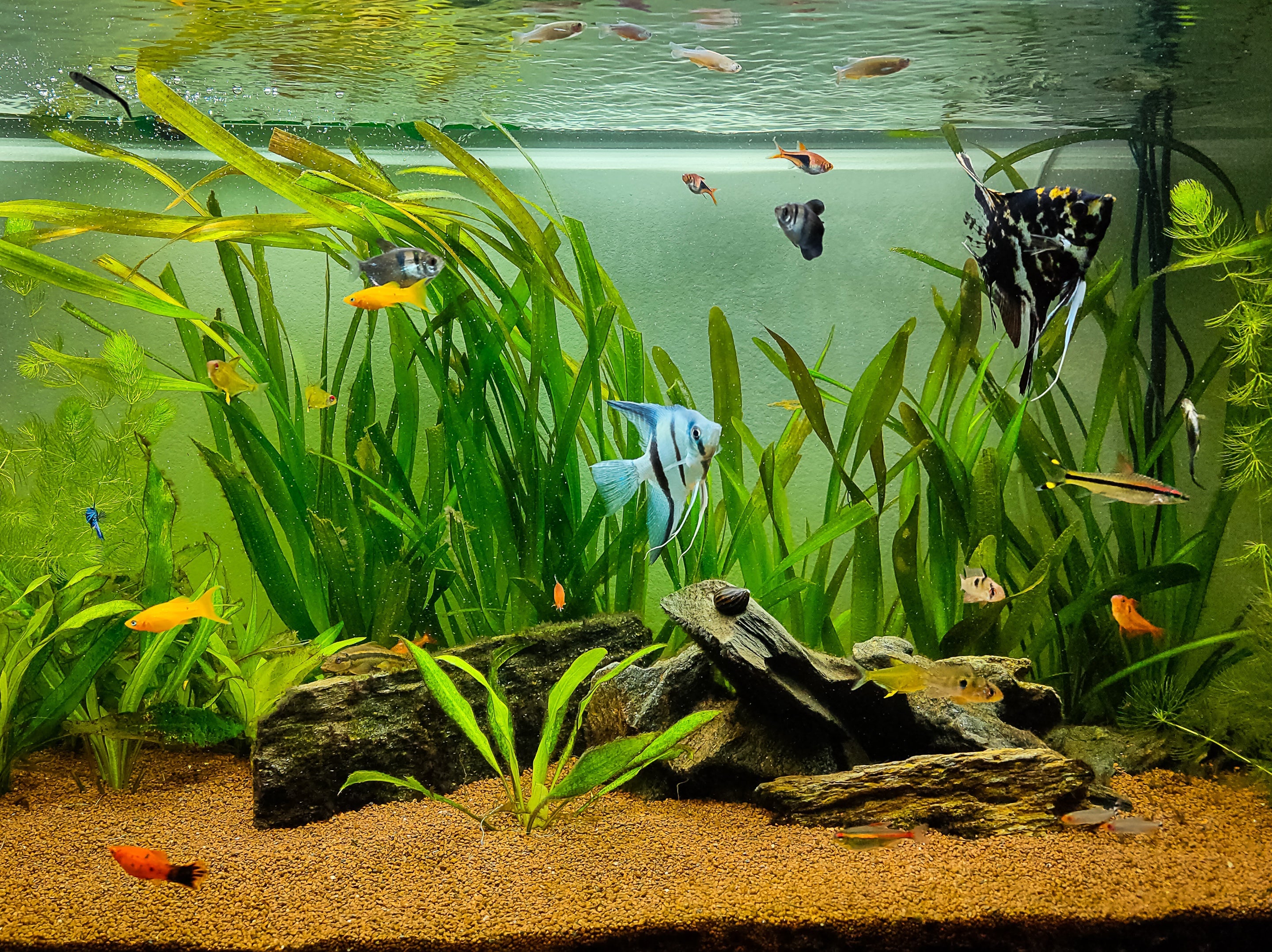
Fluorescent lights have limitations. They may not provide enough light for some plant species.
Choosing low-light plants can help. These plants thrive under fluorescent lights.
- Java Fern and Anubias are good choices
- Use reflectors to maximize light efficiency
- Consider supplemental LED lights for better growth
Credit: splashyfishstore.com
Frequently Asked Questions
What Plants Thrive In Fluorescent-lit Aquascaping Tanks?
Low to medium light plants like Java fern, Anubias, and Cryptocoryne thrive well. They require less intense light, making them ideal for fluorescent-lit tanks.
How To Optimize Fluorescent Light For Aquascaping?
Place lights 6-12 inches above the tank to maximize coverage. Use 6500K daylight bulbs for natural plant growth. Maintain 8-10 hours of daily lighting for healthy aquascapes.
Can Fluorescent Lights Support High-tech Aquascaping Setups?
Fluorescent lights generally lack intensity for high-tech setups. They are better suited for low-light plants. For high-tech tanks, consider LED or metal halide lights instead.
How Often Should Fluorescent Bulbs Be Replaced In Aquascaping?
Replace fluorescent bulbs every 6 to 12 months. Old bulbs lose intensity and affect plant health. Regular replacement ensures consistent light quality and strong plant growth.
Conclusion
Creating a beautiful aquascape under fluorescent light is possible. Choose plants that grow well with this light type. Use the right substrate and arrange plants carefully. Regular maintenance keeps your tank healthy and clean. Watch your plants grow and enjoy the peaceful view.
Small changes can make a big difference. Keep experimenting and have fun with your aquascape. Your tank will become a lovely, natural space.