
If you want your fish to thrive and live a long, healthy life, the environment you create for them matters more than you might think. Aquascaping isn’t just about making your aquarium look beautiful—it plays a key role in keeping your fish happy and healthy.
By carefully designing your underwater landscape, you can reduce stress, improve water quality, and create a natural habitat that supports your fish’s well-being. Keep reading to discover how simple changes to your aquascape can make a big difference in your fish’s health and happiness.

Credit: buceplant.com
Benefits Of Aquascaping
Aquascaping is the art of arranging aquatic plants and decorations in a fish tank. It improves the environment for fish and plants.
This practice helps keep fish healthy by creating a better living space. It supports water balance and reduces fish stress.
Improved Water Quality
Aquatic plants absorb harmful chemicals and waste products from the water. This keeps the water clean and clear for fish.
- Plants take in nitrates and ammonia
- Roots help filter debris
- Water circulation improves with plant placement
- Less algae growth in balanced tanks
Stress Reduction For Fish
Fish feel safer in tanks with plants and hiding spots. Aquascaping offers places to hide and explore.
| Stress Factor | Effect of Aquascaping |
|---|---|
| Open water | Fish feel exposed and nervous |
| Plants and shelters | Fish feel secure and calm |
| Lighting | Natural light levels reduce stress |
Natural Habitat Simulation
Aquascaping mimics the natural homes of fish. This helps fish behave normally and stay healthy.
Natural habitat means better feeding, breeding, and swimming conditions. Fish enjoy a more natural life in the tank.
Choosing The Right Plants
Aquascaping helps create a healthy home for your fish. Choosing the right plants is very important.
Good plants add oxygen, reduce waste, and offer shelter to fish. Pick plants that suit your tank and fish type.
Low Maintenance Options
Some plants need less care and grow well in most tanks. These are great for beginners or busy fishkeepers.
Low maintenance plants do not require special lighting or frequent trimming. They help keep the tank clean.
- Anubias – grows slowly and tolerates low light
- Java Fern – tough and easy to attach to decorations
- Hornwort – floats or roots, fast growing
- Cryptocoryne – adapts to many water conditions
Oxygenating Plants
Oxygenating plants produce oxygen during the day. This helps fish breathe and stay healthy.
These plants also reduce algae by using nutrients. They keep water clear and balanced.
- Elodea – grows quickly and oxygenates well
- Vallisneria – tall leaves create good water flow
- Cabomba – feathery leaves increase oxygen levels
- Water Wisteria – fast growing and oxygen-rich
Plants That Support Fish Health
Some plants help fish by offering hiding spots and reducing stress. They can also improve water quality.
Plants with broad leaves or dense growth give fish places to rest and feel safe. This lowers illness risks.
- Amazon Sword – large leaves for shelter
- Java Moss – covers surfaces for fry to hide
- Water Sprite – bushy and fast growing
- Duckweed – floats on surface, provides shade
Design Principles For Fish Vitality
Aquascaping is the art of arranging plants, rocks, and decorations in a fish tank. Good design helps keep fish healthy and happy.
Proper design supports fish vitality by creating a natural and safe environment. It also encourages natural behavior and reduces stress.
Creating Hiding Spots
Fish need places to hide to feel safe. Hiding spots reduce stress and protect them from aggression.
Use plants, caves, or driftwood to create these safe zones. Make sure hiding spots are easy to reach but not overcrowded.
- Use dense plants like Java fern or Anubias
- Add small caves or tunnels with rocks or decorations
- Place driftwood to create shaded areas
- Ensure spots suit the size of your fish
Balanced Layouts
Balance means spreading plants and decorations evenly. Avoid crowding one side and leaving the other empty.
A balanced layout helps fish swim freely and reduces fighting for space. It also makes the tank look natural and calm.
- Place tall plants in the back or corners
- Use medium plants in the middle
- Keep open space in the front for swimming
- Mix hardscape and plants evenly
Flow And Circulation
Good water flow moves oxygen and removes waste. It keeps fish healthy and prevents harmful spots in the tank.
Design the aquascape so water moves gently around hiding spots and open areas. Avoid strong currents that tire fish.
- Place filter outlets to create gentle water movement
- Arrange plants to guide flow without blocking it
- Keep open swimming areas for circulation
- Monitor flow to match your fish species needs
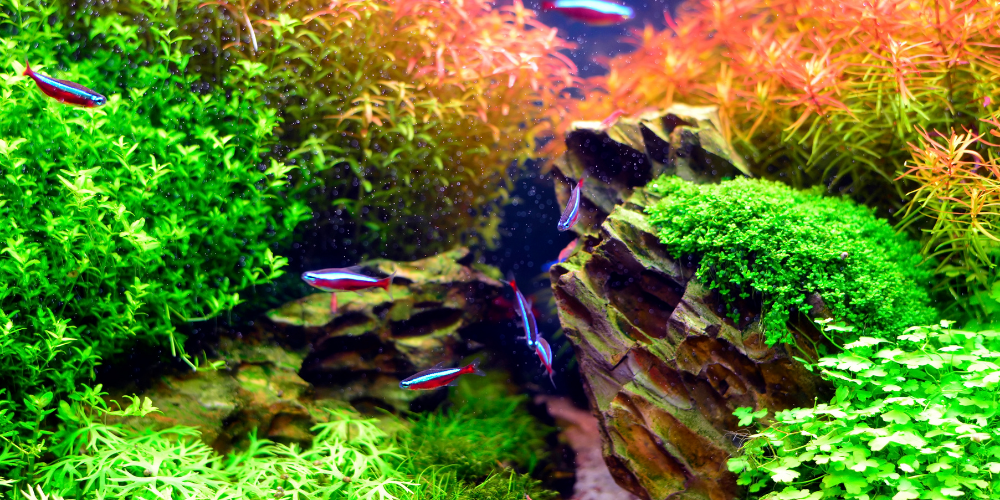
Credit: www.pond-planet.co.uk
Selecting Safe Hardscape Materials
Choosing the right hardscape materials is important for fish health. Safe materials keep the water clean and the fish happy.
Hardscape includes rocks, wood, and other decorations. These must not harm fish or change water quality badly.
Non-toxic Rocks And Wood
Use rocks and wood that do not release harmful chemicals or minerals. This helps keep water stable and safe.
Good rocks are granite, quartz, and slate. Avoid limestone or shells that raise water hardness.
- Granite is durable and safe for most fish
- Quartz does not affect water chemistry
- Slate is smooth and non-toxic
- Hardwoods like Malaysian driftwood are good
- Avoid soft or treated woods
Avoiding Harmful Substances
Do not use painted or treated materials. These can release toxins that harm fish and plants.
Check for sharp edges on rocks or wood. Sharp parts can injure fish or damage fins.
- Never use metal or plastics not made for aquariums
- Clean natural materials well before adding them
- Test new hardscape in a separate container to watch changes
- Look for signs of crumbling or color change
Enhancing Aesthetic And Functionality
Hardscape adds beauty and hiding places for fish. This reduces stress and improves health.
Arrange materials to allow good water flow and easy cleaning. Balance looks with fish needs.
- Create caves and tunnels for shy fish
- Leave open spaces for swimming
- Use contrasting colors for visual interest
- Secure heavy rocks to avoid accidents
- Use wood to add natural feel and surface for beneficial bacteria
Maintenance Tips For Healthy Aquascapes
Keeping an aquascape healthy takes regular care. Fish and plants both need a clean and balanced environment.
Good maintenance helps fish stay active and plants grow well. This guide covers key tips to maintain your aquascape.
Regular Water Changes
Changing water often keeps the tank clean. It removes waste and harmful chemicals that build up over time.
- Change 10-20% of the water every week.
- Use a water conditioner to remove chlorine.
- Match the temperature of new water to the tank water.
- Vacuum the substrate to remove debris.
- Check water parameters after each change.
Pruning And Plant Care
Trimming plants helps them grow strong and stay healthy. Remove dead leaves and trim overgrown parts.
| Task | Frequency | Purpose |
| Remove dead leaves | Weekly | Prevent decay and keep water clean |
| Trim overgrown plants | Every 2 weeks | Allow light to reach all plants |
| Check plant roots | Monthly | Prevent root rot and promote growth |
Monitoring Fish Behavior
Watch fish daily for signs of stress or illness. Healthy fish swim actively and eat well.
- Look for changes in swimming patterns or hiding.
- Check for spots, discoloration, or torn fins.
- Note if fish stop eating or show unusual behavior.
- Act quickly if you see signs of disease.
Common Mistakes To Avoid
Aquascaping is an art that supports fish health. Avoid common mistakes to create a balanced ecosystem. Let’s explore key areas to focus on.
Understanding these mistakes helps in maintaining a thriving aquatic environment. Pay attention to details for the well-being of your fish.
Overcrowding Plants And Fish
Too many plants or fish can stress your aquarium. Space is essential for both plants and fish to grow and thrive comfortably.
- Limited swimming space affects fish health.
- Overcrowding leads to oxygen depletion.
- Plants need room for proper growth.
Poor Lighting Choices
Lighting affects plant photosynthesis and fish behavior. Wrong lighting can disrupt the natural cycle of your aquarium.
| Light Type | Suitable For |
| LED | Most aquariums |
| Fluorescent | Beginner setups |
| Halogen | Specific plant needs |
Ignoring Water Parameters
Water quality is crucial for fish health. Neglecting water parameters can lead to disease and stress in fish.

Credit: www.aqqapet.com
Frequently Asked Questions
What Is Aquascaping For Fish Health?
Aquascaping involves designing aquarium landscapes that enhance fish well-being. It creates a natural habitat, reducing stress and promoting healthy behavior in fish.
How Does Aquascaping Improve Fish Water Quality?
Plants in aquascaping absorb nitrates and toxins, improving water quality. This natural filtration helps maintain a stable, clean environment for fish health.
Which Plants Are Best For Fish Health In Aquascaping?
Easy-to-care plants like Java fern, Anubias, and Amazon sword improve oxygen and shelter. These plants support fish health by creating a balanced ecosystem.
Can Aquascaping Reduce Fish Stress Levels?
Yes, aquascaping provides hiding spots and natural surroundings. This reduces fish stress, enhancing their immune system and overall health.
Conclusion
Healthy fish need a balanced and natural environment. Aquascaping helps create this by adding plants, rocks, and proper space. Clean water and good hiding spots reduce fish stress. Fish feel safer and swim more freely. A well-designed tank supports fish growth and vibrant colors.
Small changes in aquascaping bring big benefits to fish health. Take time to plan and care for your aquarium. Your fish will thank you with better health and happiness.